Managing Seasonal Rain: Infrastructure Preparedness and Mitigation Strategies for 2026
Seasonal rain refers to the predictable, recurring periods of increased precipitation driven by atmospheric phenomena such as monsoons, tropical cyclone seasons, or frontal systems. Effective management of these cycles requires a compr...
Seasonal rain refers to the predictable, recurring periods of increased precipitation driven by atmospheric phenomena such as monsoons, tropical cyclone seasons, or frontal systems. Effective management of these cycles requires a comprehensive understanding of local hydrology, proactive infrastructure maintenance, and adherence to updated 2026 civil engineering standards to minimize property damage and water-related hazards.
Contents
Hydrological Mechanics of Seasonal Precipitation Patterns
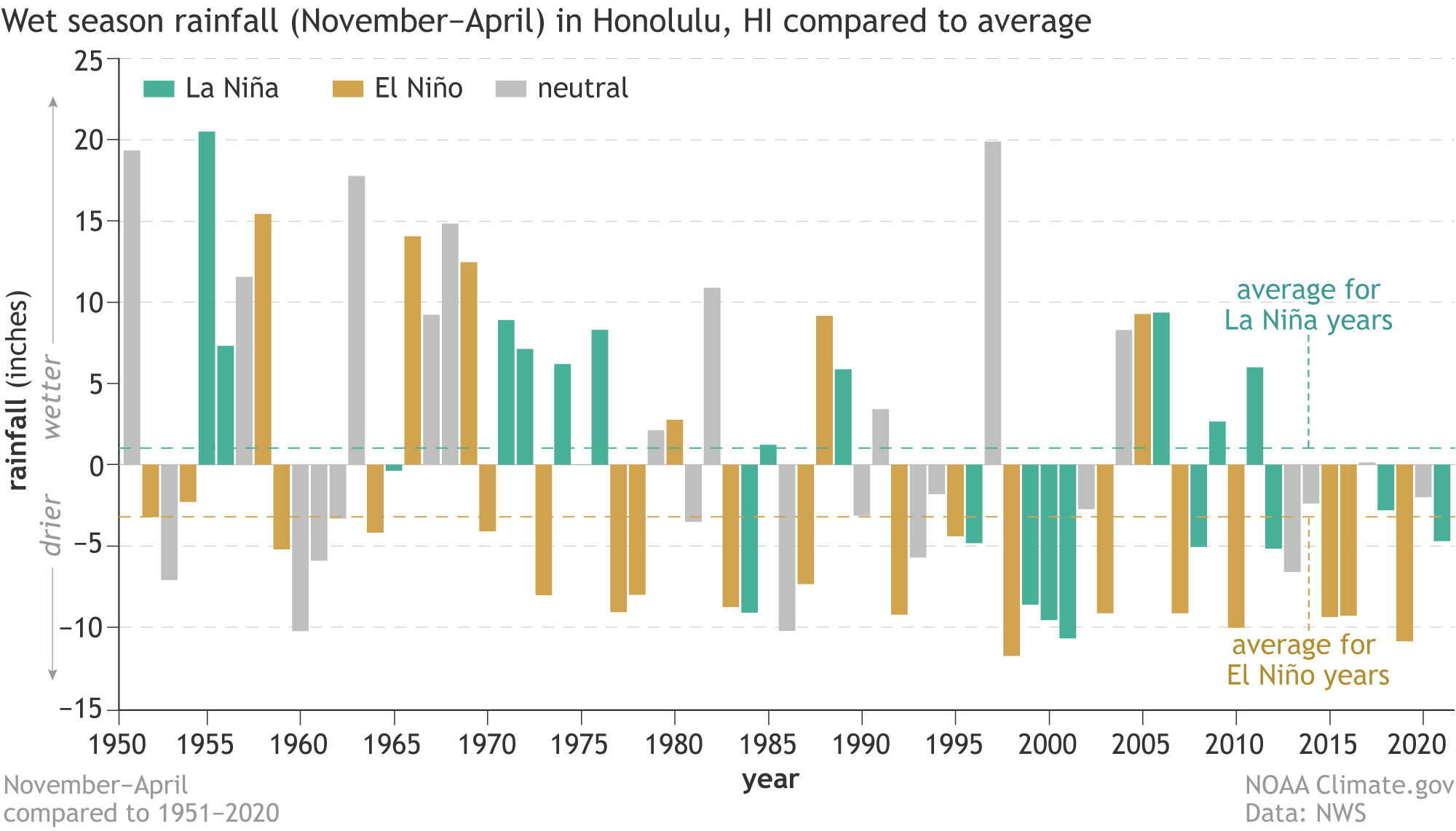
Seasonal rain is primarily governed by the migration of the Intertropical Convergence Zone (ITCZ) and periodic changes in sea surface temperatures, such as the El Niño-Southern Oscillation (ENSO) cycle. When analyzing these patterns, meteorologists track moisture convergence zones that dictate the onset and withdrawal of wet seasons.
Understanding these mechanisms is essential for property owners and municipal planners. The primary components that influence local rainfall intensity include:
- Atmospheric Instability: The vertical temperature profile of the atmosphere which, when coupled with high humidity, triggers rapid cloud formation and convective rainfall.
- Topographic Lifting: Orographic precipitation occurring when moist air masses are forced upward by mountain ranges, causing cooling and condensation.
- Urban Heat Island Effects: Urban centers often alter local precipitation patterns, sometimes intensifying rainfall over densely built environments due to increased surface temperatures and aerosol concentrations.
Infrastructure Vulnerability and Preventive Maintenance
As of 2026, infrastructure standards emphasize "resilient design" to account for the increased frequency of extreme weather events. The primary failure point during seasonal rain is the drainage network, which often reaches its hydraulic capacity during peak discharge periods.
To mitigate risks, building and property managers must focus on the following maintenance workflow:
- Drainage System Audits: Inspecting gutters, downspouts, and storm drains for debris, sediment, and structural corrosion prior to the onset of the expected wet season.
- Permeable Surface Implementation: Replacing non-porous asphalt with permeable pavers or green infrastructure (such as rain gardens) to increase infiltration rates and reduce runoff volume.
- Foundation Waterproofing: Applying high-grade bituminous or polymer-based sealants to foundation walls to prevent hydrostatic pressure from forcing moisture into sub-grade structures.
- Sump Pump Calibration: Ensuring secondary power supplies or battery backups are active, as grid instability often coincides with severe seasonal storm surges.
Comparison of Water Management Systems
The following table outlines the comparative effectiveness of various structural interventions for managing seasonal runoff.
| System Type | Primary Benefit | Maintenance Frequency | Cost-Efficiency (2026) |
|---|---|---|---|
| Traditional Storm Drains | High volume capacity | Quarterly / Biannual | Moderate |
| Green Roofs | Reduces peak runoff | Monthly (Vegetation care) | Low (High Capex) |
| Permeable Pavement | On-site infiltration | Semiannual (Vacuuming) | Moderate |
| Retention Ponds | Large scale flood control | Annual dredging | High |
Adhering to 2026 Flood Risk Regulations
Regulatory bodies have updated building codes for 2026 to address climate-resilient construction. In high-risk zones, local jurisdictions now mandate higher "Base Flood Elevations" (BFE) for new residential and commercial builds.
Owners of legacy structures must consult their local floodplain management office to determine if their property falls within the updated 1% annual chance flood zone (formerly known as the 100-year flood zone). Compliance often involves retrofitting critical electrical panels and HVAC systems to be elevated at least 24 inches above the base flood elevation. Failure to adhere to these local mandates can result in insurance ineligibility or significant surcharges under current NFIP (National Flood Insurance Program) frameworks.
Practical Steps for Emergency Preparedness
When seasonal rain transitions into extreme weather events, reactive measures are insufficient. A structured preparedness plan is necessary to safeguard occupants and assets.
Emergency Response Protocol
Asset Protection: Secure all loose outdoor items that could become projectiles or obstructions for drainage systems. Ensure that emergency generator fuel levels are maintained at 75% capacity or higher.
Communication Channels: Establish a clear line of communication with local emergency management agencies via official government alert apps.
Documentation Readiness: Maintain digital copies of insurance policies, building surveys, and repair receipts in a cloud-based storage system to facilitate rapid claims processing in the event of water damage.
Troubleshooting Common Water Infiltration Issues
If your property experiences recurring water entry, focus on these diagnostic areas:
- Positive Grading: Ensure the ground slopes away from your foundation at a minimum rate of 6 inches over the first 10 feet. If the slope directs water toward the structure, it is a primary failure point.
- Gutter Discharge: Downspouts should extend at least 5 to 10 feet away from the foundation. Using short extensions often causes water to pool directly against the footer.
- Window Well Integrity: Check window well covers for cracks. Sub-par covers allow water to build up against basement windows, where pressure can breach sealants.
Frequently Asked Questions
How does seasonal rain affect local property insurance premiums? Seasonal rain patterns influence risk modeling, which insurance carriers adjust annually. If your property is located in an area newly designated as a high-risk flood zone, your premium will likely increase to reflect the actuarial risk of loss.
What is the most effective way to prevent basement flooding during heavy rain? The most effective method is a combination of exterior foundation waterproofing and the installation of a redundant sump pump system with a battery backup. Addressing the grading around your home is the most cost-effective first step.
Are there government incentives for installing green drainage infrastructure? Yes, as of 2026, many municipal jurisdictions offer tax credits or rebates for properties that install permeable pavement, rain barrels, or bioswales. Check your local city or county water management district website for specific grant availability.
How do I determine if my property drainage is up to 2026 standards? You should commission a licensed civil engineer to conduct a hydrological site assessment. They will compare your site's current discharge rates against updated local stormwater management ordinances.
Can I rely on natural landscape features to manage excess rainfall? While natural landscapes, such as native grass gardens, are effective at absorbing runoff, they are rarely sufficient for managing extreme, high-intensity seasonal rain events on their own. They should be used as part of a tiered management strategy alongside engineered systems.
Professional Consultation and Implementation
If your property consistently struggles with seasonal rain, the most professional course of action is to contact a licensed civil engineer or a certified erosion control specialist. They can provide an assessment based on the specific topography and soil saturation limits of your land. Always ensure that any contractors hired are licensed to perform work in your specific jurisdiction and are familiar with the latest 2026 municipal stormwater regulations.
Image Gallery