Decoding the Significance: Why Melania Trump’s State of the Union Outfit Sparked Debate
Melania Trump’s choice of a white Dior pantsuit for the 2018 State of the Union address ignited significant public and media debate because of the color’s historical association with the women’s suffrage movement. Observers interpreted...
Melania Trump’s choice of a white Dior pantsuit for the 2018 State of the Union address ignited significant public and media debate because of the color’s historical association with the women’s suffrage movement. Observers interpreted the ensemble as a subtle political signal during a time of tension regarding the administration’s policies, sparking widespread discussion about the intersection of fashion, political symbolism, and silent protest in Washington, D.C.
Contents
The Power of Symbolic Dress in Politics
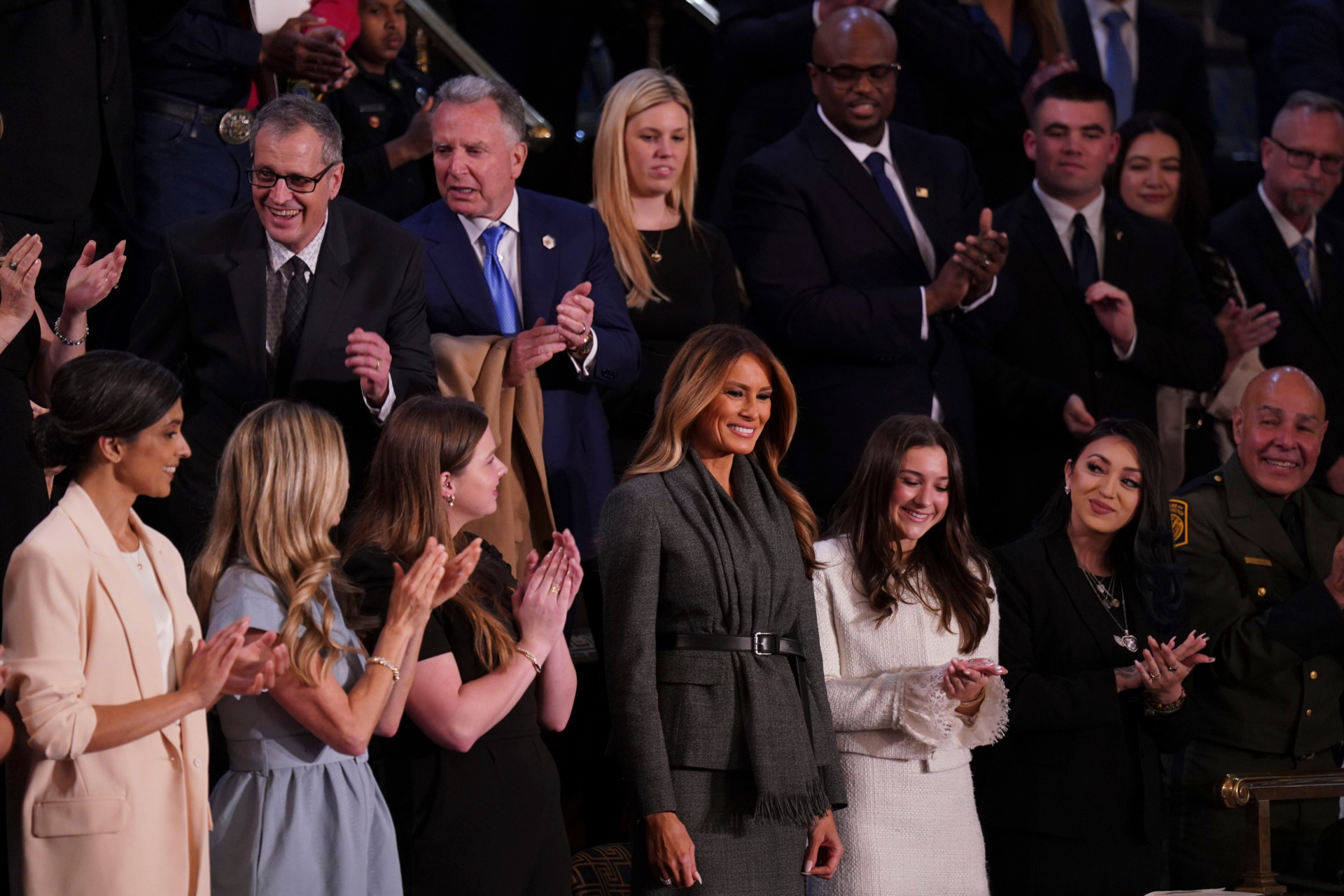
In the realm of high-stakes political theater, clothing is rarely chosen at random. For First Ladies, every public appearance—and particularly the annual State of the Union (SOTU) address—serves as a curated communication platform. When Melania Trump entered the House chamber in January 2018 wearing a crisp, white Christian Dior pantsuit, the outfit was immediately scrutinized for its potential coded messaging.
The core of the debate centered on the color white, a traditional symbol of the women’s suffrage movement. Throughout history, suffragists wore white to represent purity and their commitment to the cause of voting rights. In the contemporary political climate of 2018, the color had been reclaimed by Democratic women in Congress as a symbol of opposition to the Trump administration. By wearing white while sitting in the gallery during a Republican president's address, the First Lady inadvertently invited comparison to the very political movement that was fundamentally opposed to her husband’s legislative agenda.
Historical Context and Political Signals
To understand why this specific outfit sparked such intense analysis, one must consider the climate of 2018. The administration was facing significant pushback on various fronts, including immigration reform and reproductive rights. In the year prior, many Democratic lawmakers had coordinated to wear white to the 2017 State of the Union, effectively turning the color into a uniform of partisan resistance.
When Melania Trump, a figure often noted for her careful and sometimes enigmatic fashion choices, appeared in a nearly identical hue, the political press corps and social media observers faced a dilemma: was this an act of solidarity with the opposition, a fashion-forward choice made without political intent, or a "trolling" tactic intended to co-opt a symbol of resistance?
This debate highlights the "First Lady effect," where the public assigns profound meaning to apparel, often projecting their own hopes or criticisms onto the person wearing it. Because the First Lady rarely gives interviews or provides explicit statements regarding the "why" behind her sartorial choices, the fashion became a Rorschach test for political commentators.
Analyzing the Fashion Choice: Dior and Structural Significance
Beyond the color, the garment itself provided fodder for discussion. The white wide-legged pantsuit was a piece of high fashion, indicative of the First Lady’s sophisticated, often European-influenced style. Unlike the more traditional dresses or conservative silhouettes favored by some of her predecessors, the pantsuit signaled a modern, perhaps more professional or "power-dressing" aesthetic.
| Element | Public Interpretation | Strategic Context |
|---|---|---|
| Color (White) | Suffrage movement, purity, peace | Often reclaimed for political signaling |
| Style (Pantsuit) | Modernity, power, gender-neutrality | Departure from traditional "soft" feminine attire |
| Designer (Dior) | Luxury, European high fashion | Indicates status and personal aesthetic preference |
| Context (SOTU) | Performative, symbolic, deliberate | Highly watched, high-stakes visual communication |
The choice of Dior—a French fashion house—also sparked separate conversations regarding the role of American versus international designers in the wardrobe of an American First Lady. While many First Ladies have made a point to showcase domestic designers, Melania Trump frequently chose international brands, a decision that mirrored her background as a professional model and her distinctively international personal brand.
The Role of Media and Social Analysis
The 2018 SOTU outfit serves as a case study in how digital media accelerates the life cycle of political controversy. Within minutes of her arrival, the hashtag #MelaniaTrump was flooded with conflicting interpretations.
- The "Solidarity" Theory: Supporters of women’s rights movements hypothesized that the First Lady was secretly signaling her alignment with the feminist cause.
- The "Co-option" Theory: Political analysts argued that the administration was attempting to neutralize the symbol by having the First Lady wear it, thereby stripping the opposition of their unique visual identity.
- The "Neutrality" Theory: Fashion historians suggested that white is a neutral, elegant choice for evening events and that the political subtext was an external projection not shared by the wearer.
This cycle of speculation is common in Washington. Because the "First Lady" role is not an elected position, the public lacks a formal mechanism to influence or understand her political positions. Consequently, clothing becomes the primary mechanism by which the public attempts to decipher her private opinions.
Comparative Perspective: Fashion as Political Protest
When looking at the history of women in politics, the pantsuit is a loaded garment. From Hillary Clinton’s iconic 2016 campaign trail suits to the bipartisan support for white attire in the halls of Congress, the outfit has moved from a professional necessity to a protest tool.
When Melania Trump wore the Dior suit, she was stepping into a lineage of power dressing. However, the debate was unique because of the perceived dissonance between the First Lady’s silence on political matters and the loud, symbolic nature of the clothing. While other politicians wear clothes to send a clear, vocal message, Melania Trump’s silence allowed the public to fill the void with their own interpretations, which is exactly why the debate reached such a fever pitch.
Frequently Asked Questions
Why was the white pantsuit specifically linked to the suffrage movement? The color white was adopted by the National Woman's Party in the early 20th century to signify "purity" in the fight for the right to vote. It remains the most recognizable color-based symbol of the women's rights movement today.
Did Melania Trump ever explain the reasoning behind the outfit? No. The First Lady’s office generally does not comment on the political intent behind her clothing choices, maintaining a policy of letting the ensembles stand as fashion statements rather than political manifestos.
Was the 2018 outfit a departure from her typical style? While the First Lady often wore monochromatic, structured pieces, the choice to wear a full white suit to a major political event was notable for its starkness. It was less of a departure in style and more of a departure in the potential for perceived political signaling.
Why does the media focus so heavily on the First Lady's clothing? The First Lady has a high profile but no official policy-making power. As a result, fashion is one of the few visible, public-facing elements of her role that commentators can analyze to glean potential insights into her personality and political alignment.
How do experts recommend interpreting political fashion? Experts often suggest looking for patterns over time rather than isolated incidents. A single outfit may be a coincidence, but a sequence of color choices or designer preferences may indicate a broader strategy or personal messaging intent.
Moving Forward: The Legacy of the Outfit
Years later, the 2018 SOTU outfit remains a benchmark for analyzing the intersection of celebrity, political power, and visual communication. The debate demonstrated that in the era of 24-hour news and social media analysis, a color or a silhouette is never "just" fashion. It is an artifact of the time, a piece of political theater that will continue to be studied as an example of how power is signaled, challenged, and perceived in the halls of American government.
For those observing high-level political events, the takeaway is clear: visual cues are designed to draw attention, and in Washington, attention is the most valuable currency. Whether the message was intended or incidental, the white pantsuit effectively ensured that the First Lady’s presence remained a dominant topic of conversation long after the speech concluded.
Image Gallery