Navigating Wake County Tax Records: Official Property Search Guide for 2026
Accessing a Wake County tax record allows property owners, prospective buyers, and real estate professionals to view vital assessment values, historical sales data, and ownership details managed by the Wake County Revenue Department. L...
Accessing a Wake County tax record allows property owners, prospective buyers, and real estate professionals to view vital assessment values, historical sales data, and ownership details managed by the Wake County Revenue Department. Located in North Carolina, Wake County encompasses major municipalities including Raleigh, Cary, Apex, and Wake Forest, where accurate and timely property data is essential for managing real estate transactions and understanding local tax obligations.
Contents
Understanding Wake County Property Tax Fundamentals
Property taxes in Wake County serve as the primary funding source for local government services, public education, infrastructure maintenance, and emergency services. The Wake County Revenue Department oversees the assessment of all real and personal property within its jurisdiction to ensure equitable taxation.
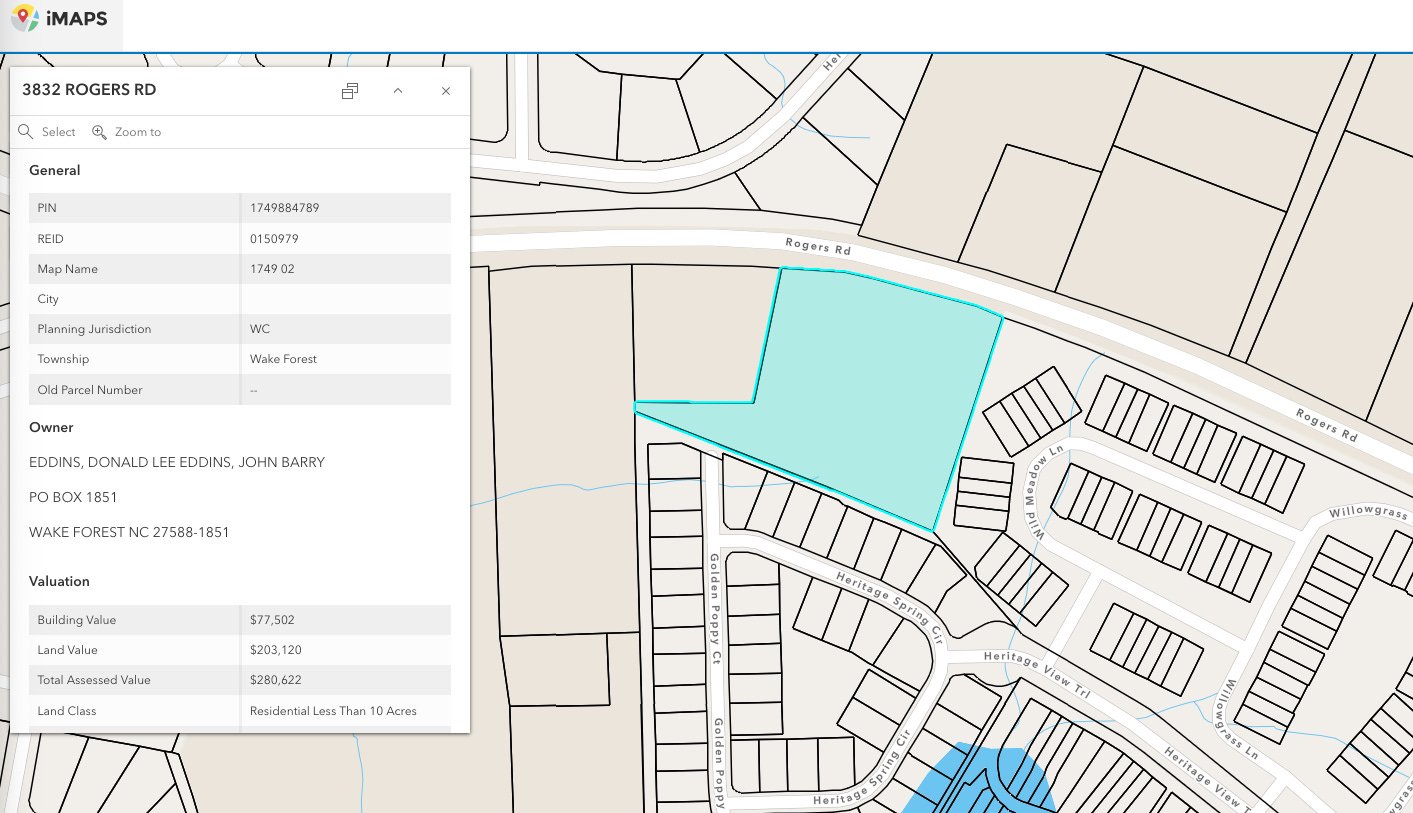
Every parcel of land in the county is assigned a unique Real Estate Identification Number (REID) or Parcel Identification Number (PIN). These alphanumeric codes act as the primary database keys used by the county system to track ownership changes, physical property characteristics, acreage, and valuation histories.
Property assessments are conducted periodically pursuant to North Carolina General Statutes. While real property reassessments traditionally occurred on an octennial cycle, counties across the state monitor market trends closely to maintain equity. Understanding how these valuations tie into the annual tax rate—expressed in dollars per one hundred dollars of assessed value—is essential for calculating accurate tax liabilities.
How to Search Wake County Tax Records Online
The most efficient method for locating a property record is utilizing the official online portal provided by the Wake County government. The digital mapping and assessment databases aggregate millions of data points to provide instant access to property profiles.
Step-by-Step Online Search Procedure
- Navigate to the official Wake County Real Estate Property Search portal hosted on the official Wake County government website (wake.gov).
- Enter the search criteria into the designated query fields. You can search by owner name, street address, or REID/PIN.
- Review the search results list to identify the correct parcel. If multiple properties match a common name or street, verify the property location and acreage.
- Click on the specific REID link to open the comprehensive property record card.
- Examine the detailed tabs available within the record, which typically display current ownership, deed book and page references, building characteristics, and billing history.
| Search Parameter | Best Used For | Example Format | Common Pitfall |
|---|---|---|---|
| REID / PIN | Exact, unambiguous identification | 0123456 or 0012345 | Entering incorrect digits |
| Street Address | Finding a specific home or commercial building | 300 S McDowell St | Misspelling street names or suffixes (St vs. Dr) |
| Owner Name | Locating all properties held by a specific individual or entity | Smith John | Missing middle initials or corporate entity variations |
Key Information Found Within a Property Tax Record
A complete Wake County property record contains multiple data sections that provide a comprehensive overview of a parcel's legal and financial status. Knowing how to interpret these data fields helps users verify property details independently.
Assessment and Valuation Data
The record outlines the most recent county-assessed market value, broken down into land value and building (improvement) value. The total assessed value serves as the baseline against which the county tax rate, municipal tax rate, and any applicable special district taxes are applied.
Payment and Billing History
Property owners can review active tax bills, historical payment receipts, and delinquency status. If taxes remain unpaid past the statutory due date, interest accrues monthly, and the record will display lien information or details regarding ongoing collection actions.
Deed and Transfer History
Legal documentation referencing the property's chain of title is embedded within the record. This includes the book and page number of recorded deeds, the date of the last transaction, and the recorded sale price, providing transparency for market research and comparable sales analysis.
Methods for Accessing Records Offline and In-Person
While the online portal satisfies most research needs, certain situations require alternative access methods. Legal disputes, historical title research, or technical difficulties with the digital portal may necessitate direct interaction with county offices.
- In-Person Research: Visitors can access public computer terminals dedicated to property record searches at the Wake County Revenue Department offices, located in downtown Raleigh. Staff members are available to guide users through the digital interface.
- Phone Inquiries: The Wake County Revenue Department provides customer service support via telephone to assist taxpayers with general billing inquiries, mailing address updates, and basic record navigation.
- Mail Requests: Formal written requests for certified property records or tax histories can be submitted via mail along with applicable administrative fees.
Common Challenges and Troubleshooting Tips
Searching public real estate records occasionally presents hurdles due to database formatting or recent transactions that have not yet fully posted.
- Recent Subdivisions or Combine Parcels: If a large tract of land was recently divided into smaller lots or combined, the legacy REID might be inactive. Users should check the mapping layers or contact the Wake County mapping department to identify the newly assigned parcel identifiers.
- Name Changes and Corporate Holdings: Searching by owner name can yield fragmented results if properties are held under LLCs, trusts, or variations of personal names. Utilizing the parcel number or street address bypasses name ambiguity entirely.
- Delayed Deed Recording: When a property sells, there is a processing window between the closing date at the Wake County Register of Deeds and the updating of the revenue database. Temporary discrepancies in ownership listings are normal during this transition period.
Frequently Asked Questions
How do I find a Wake County property tax record if I only have the address?
You can use the official Wake County real estate search portal and enter the street number and name into the address field. The system will generate a matching list of parcels, allowing you to select the correct address and view the complete tax record card.
What is a REID number in Wake County real estate?
A REID stands for Real Estate Identification Number, which is a unique seven-digit numeric code assigned to every distinct parcel of land in Wake County. This number acts as the primary index for tracking property assessments, tax billing, and ownership history.
Are Wake County property tax records public information?
Yes, all property tax assessments, ownership names, billing histories, and physical characteristics maintained by Wake County are public records open to inspection by any resident, business, or researcher.
How often does Wake County update property values?
Wake County conducts countywide property revaluations to adjust assessed values to current market conditions in accordance with North Carolina statutory guidelines. Interim changes occur primarily when new construction, structural additions, or property subdivisions are recorded.
What should I do if my property tax bill has an incorrect mailing address?
Property owners can update their mailing address by submitting a formal address change request directly through the Wake County Revenue Department online portal or by submitting a signed change form via mail.
Can I view historical tax payment statuses online?
Yes, the property record lookup tool displays current billing statements as well as past payment histories, showing whether previous years' taxes were paid in full or remain delinquent.
Conclusion
Accessing and interpreting a Wake County tax record is a straightforward process when utilizing the official county digital tools. By understanding how parcel identifiers work, navigating assessment breakdowns, and knowing where to seek support, property owners and investors can maintain accurate oversight of their real estate holdings. For precise verification and official document retrieval, always rely directly on the official Wake County Revenue Department resources.
Image Gallery