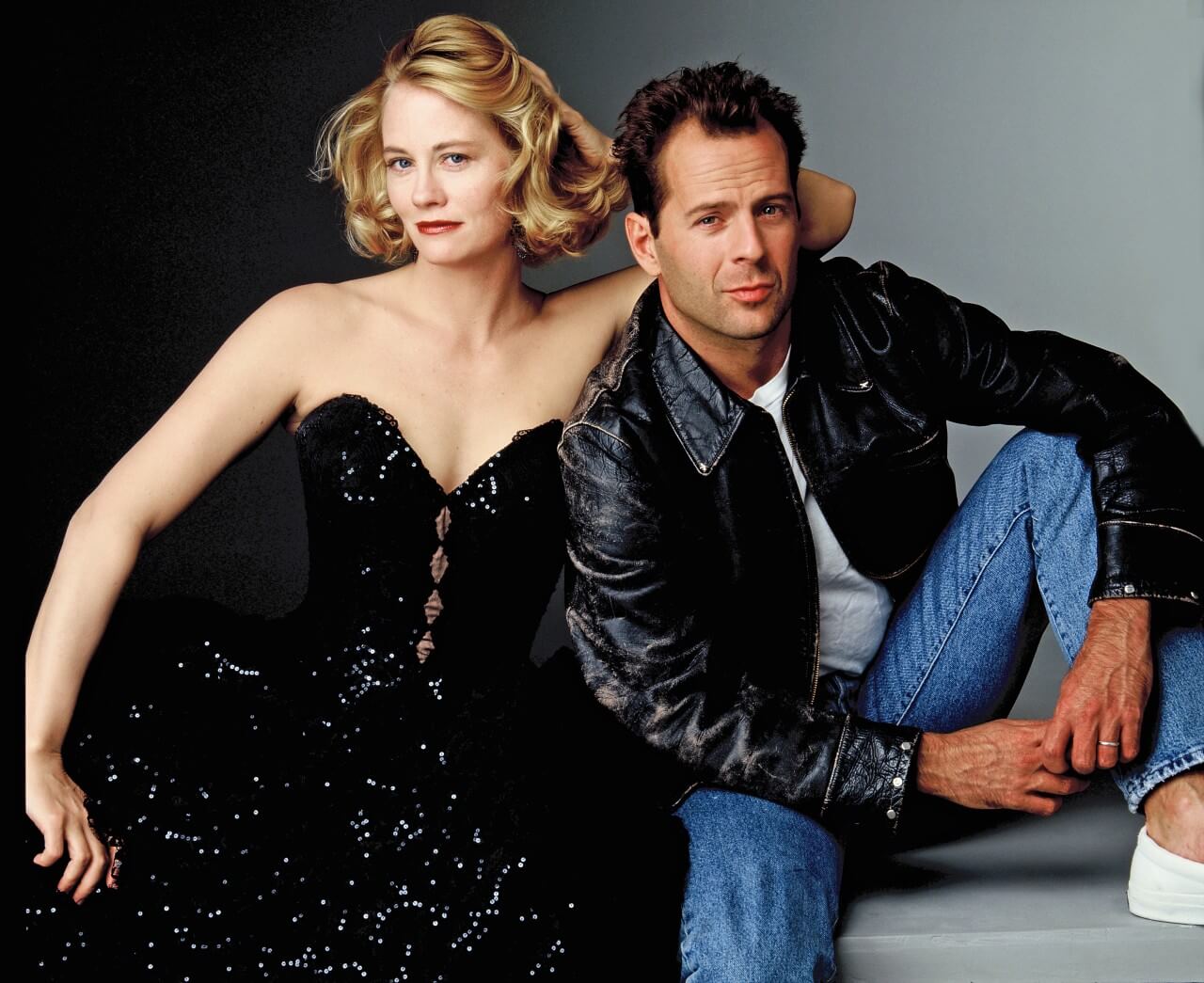
Bruce Willis TV Show Moonlighting: The Basics and Cultural Legacy
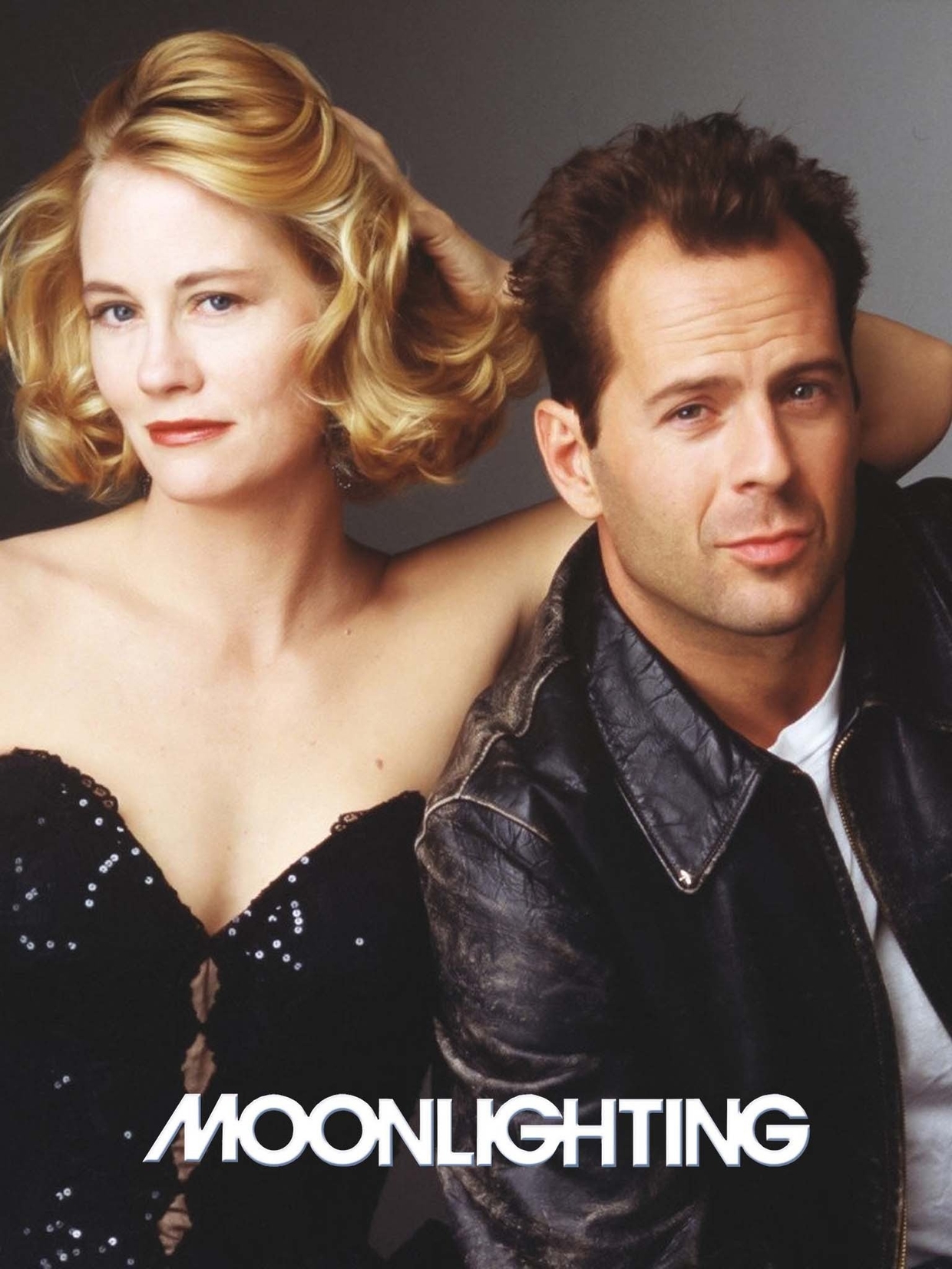
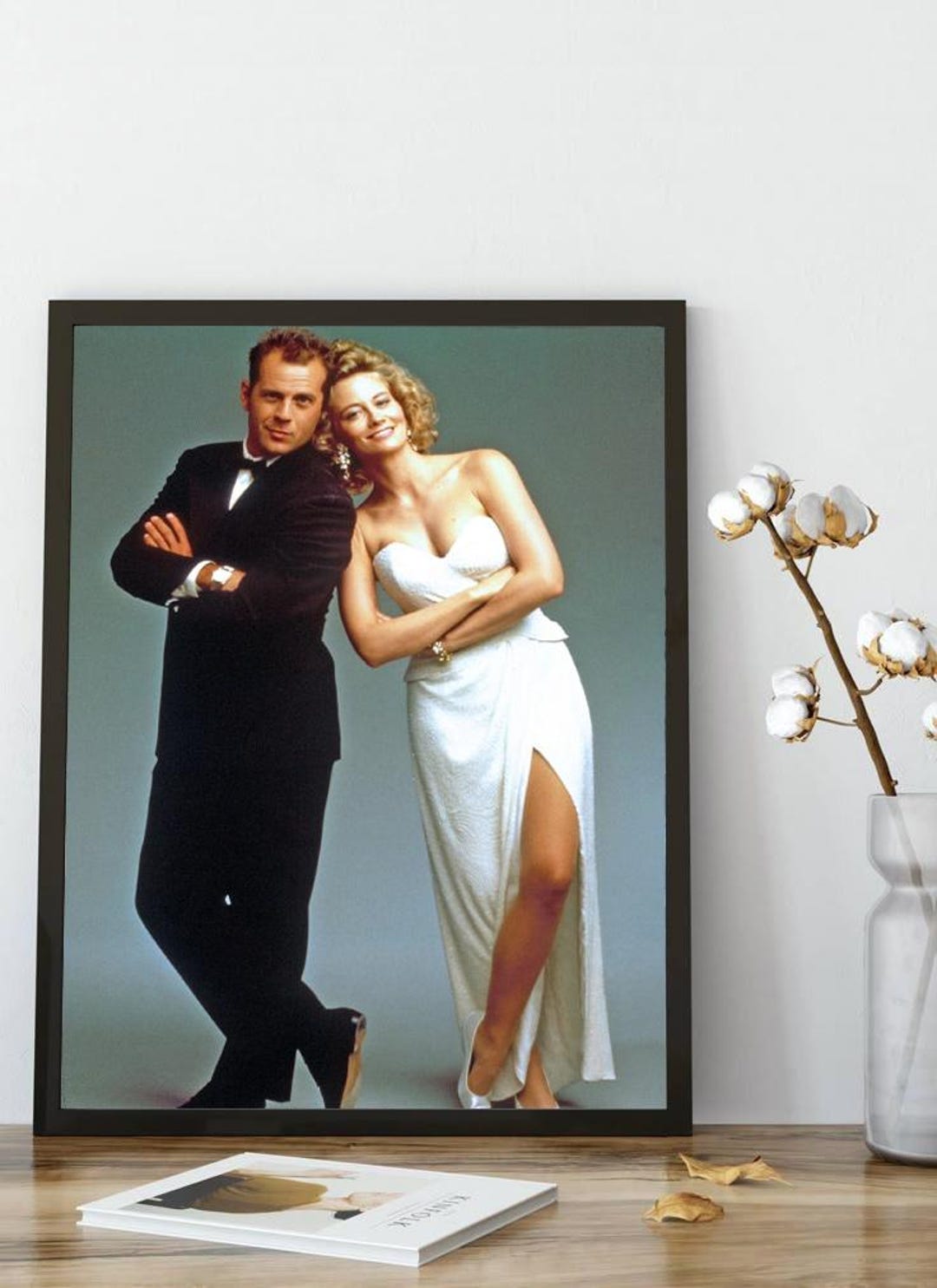
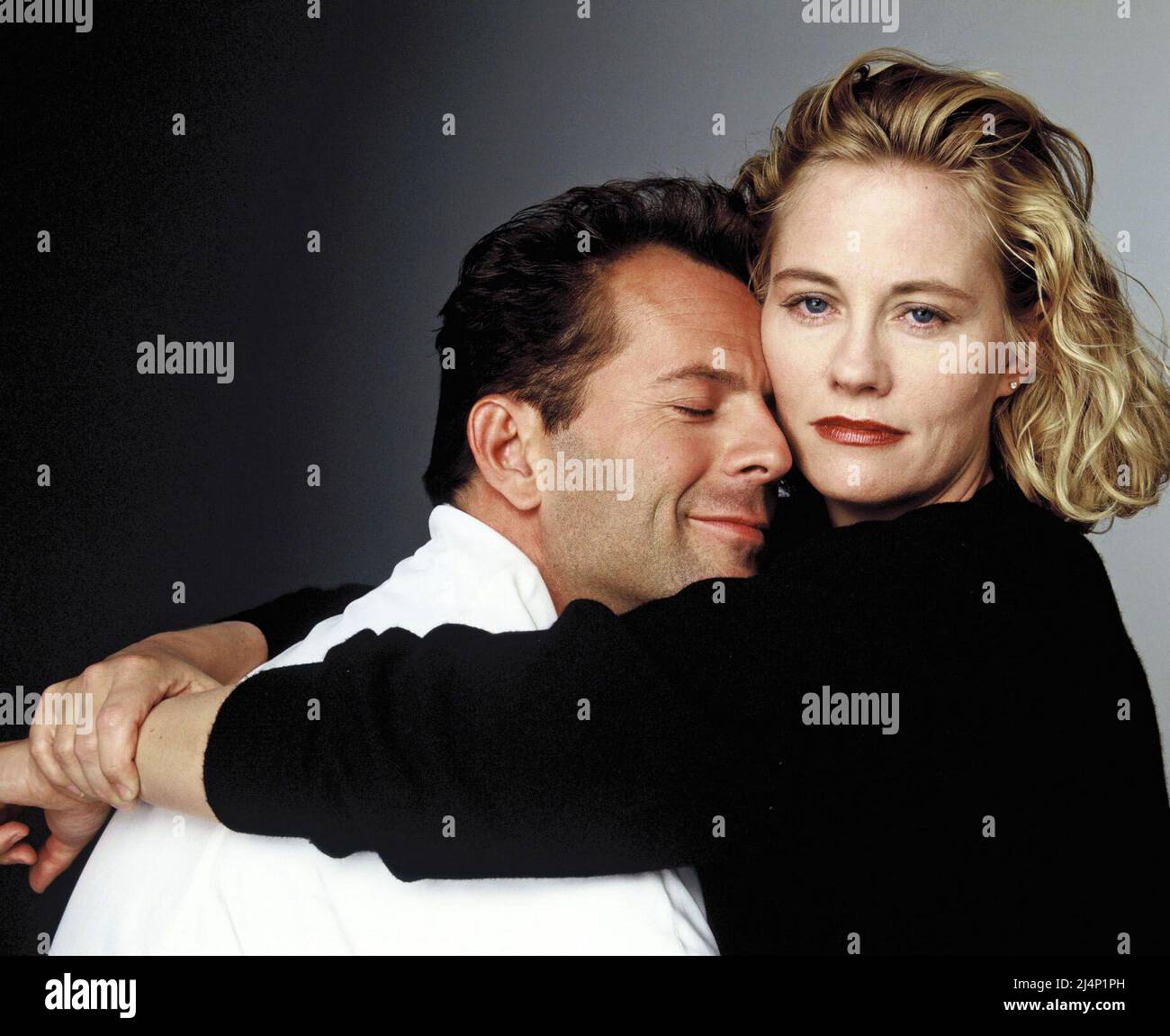
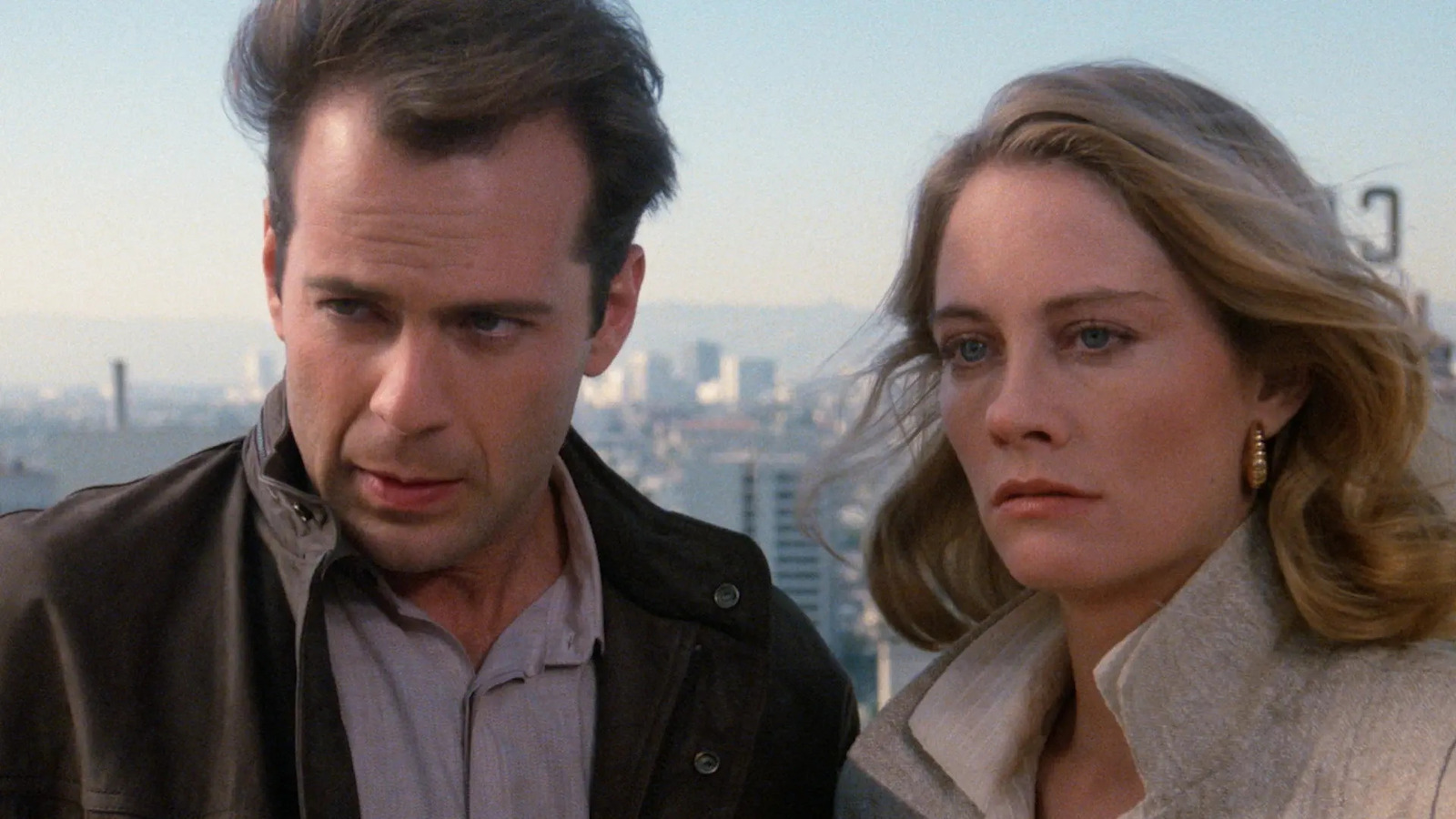
Moonlighting is a seminal American comedy-drama television series that aired on ABC from 1985 to 1989. Starring Bruce Willis and Cybill Shepherd as private investigators David Addison and Maddie Hayes, the show is celebrated for its sh...
Moonlighting is a seminal American comedy-drama television series that aired on ABC from 1985 to 1989. Starring Bruce Willis and Cybill Shepherd as private investigators David Addison and Maddie Hayes, the show is celebrated for its sharp dialogue, genre-blending "dramedy" format, and innovative use of meta-fiction that frequently broke the fourth wall.
Contents
The Premise: From High Fashion to Private Investigation
The foundational narrative of Moonlighting begins with a reversal of fortune. Madelyn "Maddie" Hayes (Cybill Shepherd) is a successful high-fashion model who finds herself bankrupt after her accountant embezzles her wealth. Among her few remaining assets are several "tax loss" businesses, including a failing detective agency in Los Angeles called the City of Angels Investigation Bureau.
Maddie’s initial intent is to liquidate the agency to recover what little cash she can. However, she meets the agency's irreverent manager, David Addison Jr. (Bruce Willis), who convinces her to keep the business running as a partnership. Renaming the firm the Blue Moon Detective Agency—a nod to Maddie’s most famous shampoo commercial—the duo embarks on a series of unconventional cases.
The show's core appeal relied less on the complexity of the mysteries and more on the "screwball comedy" dynamic between the two leads. Maddie is disciplined, intellectual, and often exasperated, while David is a fast-talking, rule-breaking hedonist. This fundamental character clash created a "will-they-won't-they" romantic tension that defined the series and influenced decades of television writing.
The Cast: A Career-Defining Launchpad for Bruce Willis
Before Moonlighting, Bruce Willis was a relatively unknown actor with limited credits, including a brief appearance in The Verdict and work as an off-Broadway performer. His casting as David Addison was a significant gamble for ABC and creator Glenn Gordon Caron.
Bruce Willis as David Addison Jr.
Willis beat out over 2,000 actors for the role. His portrayal of David Addison introduced the world to his signature smirking charisma and impeccable comedic timing. The character’s habit of singing Motown songs, wearing sunglasses indoors, and delivering rapid-fire quips made him an overnight sensation. This role directly paved the way for his transition to film stardom in Die Hard (1988), which was filmed during a hiatus in the show's production.
Cybill Shepherd as Madelyn "Maddie" Hayes
Cybill Shepherd was already an established film star (known for The Last Picture Show and Taxi Driver) when she took the role of Maddie. Her performance provided the necessary "straight man" grounding for the show's more absurdist elements. Shepherd’s ability to handle complex, overlapping dialogue and physical comedy restored her status as a leading Hollywood actress.
Supporting Characters
While the leads dominated the screen, the supporting cast added essential texture to the Blue Moon office:
- Allyce Beasley (Agnes DiPesto): The agency's rhyming receptionist, whose quirky personality and loyal nature made her a fan favorite.
- Curtis Armstrong (Herbert Viola): Introduced in later seasons to provide a junior detective presence and a romantic interest for Ms. DiPesto.
Innovative Style and "Breaking the Fourth Wall"
Moonlighting is frequently cited by media historians as one of the most innovative shows in television history due to its refusal to stick to a single genre. As of 2026, it remains a primary case study in meta-fiction.
The characters frequently acknowledged they were in a television show. They would speak directly to the camera, walk off the set into the production area, or comment on the script's quality. This self-awareness was revolutionary for 1980s network television. The show also experimented with high-concept episodes that deviated entirely from the detective format:
- The Dream Sequence Always Rings Twice: A film noir homage filmed partially in black and white, featuring two different versions of a 1940s murder mystery.
- Atomic Shakespeare: A parody of The Taming of the Shrew written entirely in iambic pentameter, which remains one of the most expensive and critically acclaimed episodes of the era.
- Musical Numbers: The show often utilized elaborate musical sequences, including Willis performing "Good Lovin'" or Shepherd participating in stylized dance numbers.
The Production Challenges and "The Moonlighting Curse"
Despite its massive popularity, the production of Moonlighting was famously chaotic. The show was known for its "overlapping dialogue," a technique where characters spoke over one another to simulate real-life arguments. This required scripts that were significantly longer than standard hour-long dramas—often reaching 90 to 100 pages compared to the usual 60.
The perfectionism of creator Glenn Gordon Caron, combined with the volatile off-screen relationship between Willis and Shepherd, led to frequent production delays. Episodes often failed to meet air dates, forcing ABC to air reruns, which eventually frustrated the audience.
The term "The Moonlighting Curse" was coined by critics to describe the phenomenon where a show loses its creative spark once the two romantic leads finally get together. When David and Maddie consummated their relationship in Season 3, the ratings began a steady decline. This was exacerbated by Willis’s rising movie career and Shepherd’s pregnancy, which required the lead actors to be filmed separately for large portions of the final seasons.
Viewing Requirements and Streaming Status in 2026
For decades, Moonlighting was notoriously difficult to find due to complex music licensing issues. The show featured a vast array of 1950s and 60s pop and rock songs, and the rights to these tracks did not cover digital distribution or streaming.
However, following an extensive restoration project, the show was finally cleared for streaming. As of 2026, viewers can access the series through the following channels:
| Feature | Details |
|---|---|
| Primary Streaming Home | Hulu / Disney+ (Region dependent) |
| Video Quality | Remastered High Definition (HD) |
| Number of Seasons | 5 Seasons |
| Total Episodes | 66 Episodes |
| Physical Media | DVD Box Sets (Original and Anniversary Editions) |
| Theme Song | Performed by Al Jarreau |
The 2026 streaming versions have preserved the vast majority of the original music, which is crucial for maintaining the show's intended atmosphere. For fans of Bruce Willis, watching the show in its high-definition remastered format offers a unique look at the actor's raw talent before he became a global action icon.
Technical Specifications and Awards
The technical ambition of Moonlighting was recognized by the industry throughout its run. It was the first show to be nominated by the Directors Guild of America for both Comedy and Drama in the same year.
- Network: ABC (American Broadcasting Company).
- Original Run: March 3, 1985 – May 14, 1989.
- Awards: The series earned 41 Emmy nominations and won 6, including a Lead Actor win for Bruce Willis in 1987. It also secured multiple Golden Globe Awards for both Willis and Shepherd.
- Production Company: Picturemaker Productions in association with ABC Circle Films.
Why Moonlighting Remains Relevant Today
Even in 2026, Moonlighting serves as a blueprint for the modern "procedural with a twist." Shows like Psych, Castle, and Bones owe a direct debt to the David and Maddie dynamic. The series proved that television could be literate, self-referential, and visually experimental while maintaining a massive mainstream audience.
For those researching the career of Bruce Willis, Moonlighting is the essential "origin story." It captures a specific moment in pop culture where the boundaries between television and film began to blur. The show’s willingness to fail spectacularly in the pursuit of creative novelty is why it remains a topic of study for writers and directors today.
Frequently Asked Questions
Why did Moonlighting take so long to come to streaming?
The delay was almost entirely due to music licensing. The show used hundreds of licensed songs from artists like Billy Joel, The Isley Brothers, and The Rolling Stones. When the show was produced in the 1980s, the contracts did not account for future technologies like streaming. Negotiating these rights for 66 episodes took years of legal work and significant financial investment.
Did Bruce Willis and Cybill Shepherd get along?
It is well-documented that there was significant on-set tension between the two stars, particularly in the later seasons. The friction stemmed from the grueling production schedule, their differing acting styles, and the intense pressure of the show's success. While this tension often translated into great chemistry on screen, it contributed to the show's eventual conclusion in 1989.
What is the most famous episode of Moonlighting?
While subjective, "The Dream Sequence Always Rings Twice" and "Atomic Shakespeare" are generally considered the show's masterpieces. The former is praised for its visual style and noir atmosphere, while the latter is a landmark in television comedy for its commitment to the Shakespearean gimmick.
How does Moonlighting end?
The series finale, "Lunar Eclipse," is notable for being extremely meta. The characters are told by a producer that the show has been cancelled because they lost their audience. The episode ends with the sets being dismantled around the actors, a fittingly surreal conclusion for a show that never followed traditional rules.
Recommended Next Actions
If you are new to the series, it is recommended to start with the feature-length pilot episode. This provides the necessary context for Maddie's financial downfall and her initial, explosive meeting with David.
For those interested in the technical evolution of the series, follow the pilot with "The Dream Sequence Always Rings Twice" (Season 2, Episode 4) to see the show's creative peak. As of 2026, the best way to experience the series is through the remastered versions on Hulu or Disney+, which ensure the audio-visual quality matches modern standards. For historical context on Bruce Willis’s awards, the Official Emmy Awards Database provides a full list of his accolades during this period.
Image Gallery