Who Was the Original RoboCop? The History Behind the Cinematic Icon
The original RoboCop is Alex J. Murphy, a dedicated Detroit police officer portrayed by actor Peter Weller in Paul Verhoeven’s 1987 science fiction classic RoboCop. After being brutally gunned down in the line of duty by a ruthless cri...
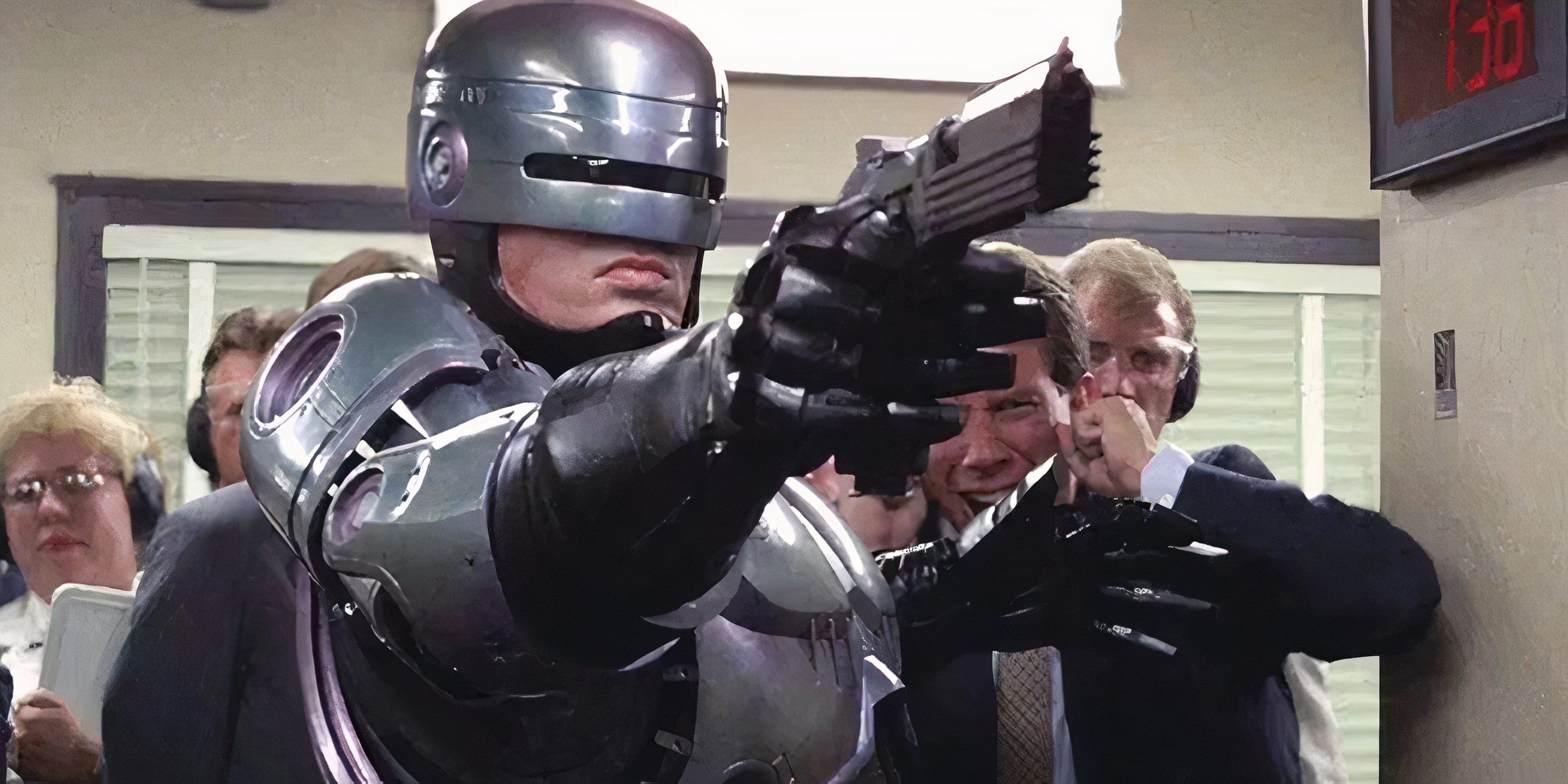
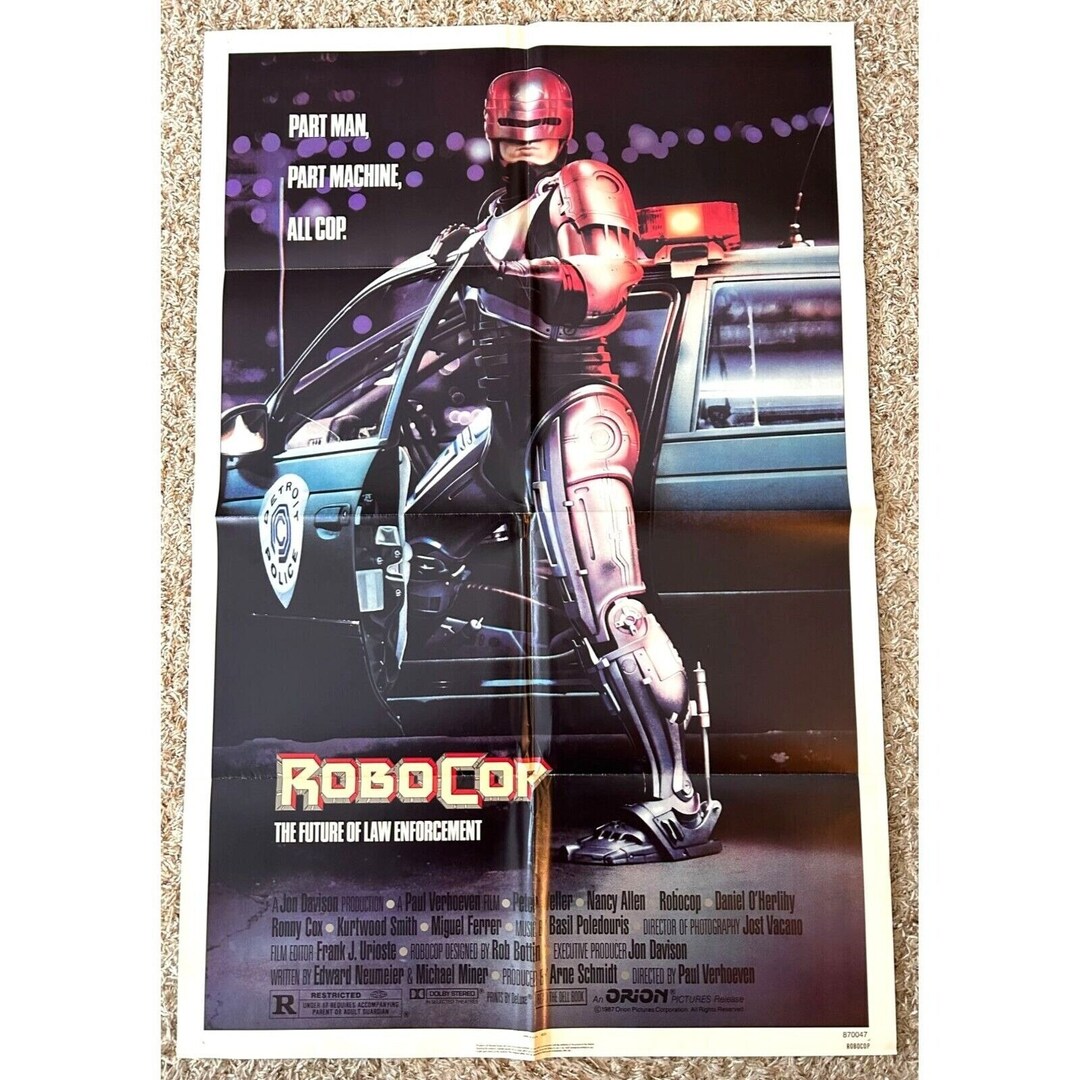
The original RoboCop is Alex J. Murphy, a dedicated Detroit police officer portrayed by actor Peter Weller in Paul Verhoeven’s 1987 science fiction classic RoboCop. After being brutally gunned down in the line of duty by a ruthless criminal gang, Murphy’s body is utilized by the mega-corporation OmniConsumer Products (OCP) to create a heavily armored, cybernetic law enforcement cyborg designed to clean up a dystopian Detroit.
Contents
Understanding the identity of the original RoboCop requires examining both the in-universe fictional character of Alex Murphy and the real-world cinematic craftsmanship that brought him to life. From his tragic narrative arc to the intricate practical effects that defined 1980s filmmaking, the original RoboCop remains a monumental figure in pop culture and speculative fiction. This comprehensive guide explores who the original RoboCop was, the narrative context of his transformation, the real-world talent behind the armor, and the enduring legacy of the franchise.
The Fictional Identity: Officer Alex J. Murphy
Within the dystopian, near-future setting of Detroit, Michigan, Alex J. Murphy is introduced as an idealistic, family-oriented police officer transferred to the notoriously violent Metro West precinct. Partnered with Officer Anne Lewis (played by Nancy Allen), Murphy is immediately thrust into the war zone of OCP-managed Detroit, where police officers face extreme peril due to budget cuts, low morale, and rampant crime orchestrated by kingpins like Clarence Boddicker.
Murphy’s tenure as a human officer is tragically brief. During a routine pursuit of Boddicker’s gang into an abandoned steel mill, Murphy and Lewis are ambushed. In a notoriously graphic and harrowing sequence, Murphy is subjected to systematic, brutal torture and execution by Boddicker and his henchmen. Legally dead upon arrival at the hospital, Murphy's corporeal remains are claimed by OCP under a corporate release form signed upon joining the police force, stripping his family of rights to his remains and laying the groundwork for the "RoboCop" program.
The Transformation: From Man to Machine
The creation of RoboCop was a corporate endeavor driven by OCP’s senior president, Dick Jones (Ronny Cox), and ambitious junior executive Bob Morton (Miguel Ferrer). With the old Detroit police force threatening to strike over dangerous conditions and budget disputes, Morton pitches "Project Delta City," a massive urban renewal initiative that requires a reliable, unyielding law enforcement mechanism.
The process of transforming Alex Murphy into RoboCop is depicted as a clinical, dehumanizing procedure. OCP scientists and surgeons remove Murphy's organic limbs, encase his vital organs in a titanium-laminated carbon-fiber shell, and mount his brain and face onto a cybernetic chassis.
Core Systems and Directives
- Prime Directive 1: Serve the public trust.
- Prime Directive 2: Protect the innocent.
- Prime Directive 3: Uphold the law.
- Prime Directive 4: Classified (preventing RoboCop from arresting any senior executive of OCP).
Despite being stripped of his memories and programmed to act as an unfeeling machine, Murphy’s human consciousness and subconscious identity begin to resurface. Triggered by familiar physical sensations, such as his distinctive gun-spinning routine and memories of his wife and son, Murphy experiences a profound existential awakening. He realizes that despite his cybernetic upgrades, he is still Alex Murphy, setting the stage for a quest for personal justice and retribution against both the criminal underworld and corrupt corporate overlords.
The Real-World Talent: Peter Weller and Rob Bottin
While the character within the universe is Alex Murphy, the real-world artistic achievement of the original RoboCop relies heavily on actor Peter Weller and special makeup/creature effects designer Rob Bottin.
Peter Weller brought a distinct physicality and emotional weight to the role. Before filming began, Weller spent months working with mime and movement coach Moni Yakim to develop RoboCop's heavy, mechanical, yet purposeful gait and posture. Weller’s performance required him to wear a notoriously heavy, hot, and restrictive suit while conveying immense vulnerability through his voice and facial expressions during the moments where the helmet is removed.
Rob Bottin, fresh off his groundbreaking work on John Carpenter’s The Thing (1982), designed the iconic RoboCop suit. The suit was not a single piece of molded plastic; it was an intricate collection of fiberglass and polyurethane components painted in a distinctive blue-grey chrome finish to read as steel on camera. The design process took six months, and fitting the suit onto Weller proved to be an exhausting daily logistical challenge during production in Dallas, Texas (which stood in for Detroit).
Cinematic Impact and Thematic Depth
Paul Verhoeven’s RoboCop was never intended to be a simple action movie. Released in the summer of 1987, the film operates as a biting satire of 1980s corporate greed, media saturation, American consumerism, and the privatization of public services.
The narrative mirrors classic Frankenstein motifs and Christ-like themes of death and resurrection, positioning Murphy as a tragic figure sacrificed on the altar of late-stage capitalism, only to rise again as an avenging angel of justice. The film’s satirical television commercials and news breaks (Media Break) provide a cynical backdrop that underscores the dehumanization of society, making Murphy’s regained humanity all the more resonant.
Franchise Evolution and Media Comparisons
Following the massive critical and commercial success of the 1987 original, the character of RoboCop expanded across sequels, television series, comic books, and video games. However, the interpretation of who—or what—RoboCop is shifted across different media iterations.
| Medium / Title | Release Year | Portrayal of RoboCop / Alex Murphy | Tone and Focus |
|---|---|---|---|
| RoboCop (Film) | 1987 | Peter Weller | Dark satire, visceral action, deep exploration of identity. |
| RoboCop 2 (Film) | 1990 | Peter Weller | Expanded corporate corruption, heavier action, Cain cyber-rival. |
| RoboCop 3 (Film) | 1993 | Robert John Burke | Lighter tone, PG-13 rating, jet-pack integration. |
| RoboCop: Prime Directives (Miniseries) | 2001 | Page Fletcher | Expanded television continuity, serialized narrative arc. |
| RoboCop (Remake) | 2014 | Joel Kinnaman | Modernized sci-fi action, greater focus on remote control vs. autonomy. |
Frequently Asked Questions
Who played the original RoboCop?
The original RoboCop was played by actor Peter Weller in the 1987 film. In the third film of the original trilogy (1993), the role was taken over by actor Robert John Burke due to scheduling conflicts with Weller.
Is RoboCop a robot or a cyborg?
RoboCop is a cyborg, not a robot. A robot is entirely mechanical and artificial, whereas a cyborg is a being with both organic and biomechatronic body parts. RoboCop retains Alex Murphy's brain, face, and partial nervous system housed inside a mechanical exoskeleton.
Why did OCP choose Alex Murphy for the RoboCop program?
Within the film's narrative, OCP routinely selected deceased or dying police officers to test their law enforcement prototype. Murphy was specifically targeted after his brutal murder by Clarence Boddicker's gang, providing OCP with a clean slate to imprint corporate programming onto a compliant human foundation.
Does the original RoboCop remember his past life?
Yes. Although his memory is initially wiped or suppressed by OCP directives, exposure to emotional triggers, familiar locations, and physical habits (such as spinning his service pistol) allows Alex Murphy's human memories to gradually resurface throughout the narrative.
What happened to Alex Murphy's family in the original film?
Following Murphy's death and subsequent conversion into RoboCop, his wife and young son are relocated by OCP and provided with financial compensation, though they are led to believe that Officer Murphy died a traditional death in the line of duty. Murphy visits his former home late in the film, confronting the reality of what he has lost.
Practical Guidance for Fans and Collectors
For enthusiasts exploring the history of the original RoboCop, authentic behind-the-scenes documentaries such as Flesh and Steel: The Making of RoboCop offer extensive technical insights into the wardrobe, stop-motion animation by Phil Tippett, and special effects. When collecting memorabilia, ensure you verify official studio licenses from brands like Hot Toys, NECA, or Orion Pictures to acquire accurate replicas of the 1987 design.
Image Gallery