Understanding WestRock Life Insurance Options: A Comprehensive Coverage Guide
WestRock life insurance options are structured primarily as employer-sponsored benefit plans designed to protect employees and their families against financial hardship caused by unexpected loss. The program combines company-paid basic...
WestRock life insurance options are structured primarily as employer-sponsored benefit plans designed to protect employees and their families against financial hardship caused by unexpected loss. The program combines company-paid basic life insurance with voluntary supplemental policies for employees, spouses, and dependent children, alongside optional Accidental Death and Dismemberment (AD&D) coverage and policy conversion rights.
Contents
Overview of the WestRock Employee Benefits Architecture
As one of the world's largest paper and packaging manufacturers, WestRock (operating within the combined global Smurfit Westrock enterprise framework) provides a standardized benefit package across its salaried and eligible hourly workforces. Life insurance forms a core pillar of this risk-management program, designed to offer baseline financial security while allowing employees to customize their coverage limits based on personal household needs, income levels, and financial obligations.
Employer-sponsored life insurance operates differently from individual policies purchased on the open market. Group policies leverage the collective purchasing power of the workforce, yielding competitive group rates and simplified underwriting. Understanding how these plans function—including guaranteed issue limits, payroll deduction mechanics, and policy portability—allows employees to integrate their workplace coverage into a broader financial strategy.
Legal and regulatory standards governing these plans are established under the Employee Retirement Income Security Act (ERISA), ensuring transparent disclosures, standardized claims appeal procedures, and fiduciary oversight by benefit plan administrators.
Core Components of WestRock Life Insurance Coverage
WestRock offers several tiers of life and accidental loss protection. Eligible full-time employees can select combinations of basic employer-paid coverage, voluntary supplemental coverage, and dependent protections during their initial enrollment window or annual open enrollment.
1. Basic Life Insurance (Company-Paid)
Basic life insurance is provided automatically to eligible full-time employees at no cost. WestRock funds this coverage fully, serving as a baseline layer of financial protection.
- Standard Benefit Amount: Basic coverage is typically structured as a multiple of the employee’s annual base salary (frequently 1x annual base earnings) or as a flat dollar amount specified by collective bargaining agreements for unionized facility workers.
- Automatic Enrollment: Coverage begins on the employee's official eligibility date, provided all initial benefit onboarding requirements are completed.
- Tax Considerations: Under Internal Revenue Code (IRC) Section 79, the cost of employer-provided group term life insurance up to $50,000 is tax-free. Employer-paid coverage exceeding $50,000 generates taxable "imputed income," calculated using IRS Uniform Premium Table I rates and reported on the employee’s annual Form W-2.
2. Supplemental Employee Life Insurance (Voluntary)
Because basic coverage may not fully address a family's long-term financial needs—such as mortgage balances, income replacement, or education funds—employees can elect supplemental term life insurance paid entirely through pre-tax or post-tax payroll deductions.
- Coverage Multiples: Employees can typically purchase additional coverage in increments of their annual earnings (e.g., 1x, 2x, 3x, up to 8x base salary, subject to plan maximum limits such as $1,000,000 or $1,500,000).
- Guaranteed Issue (GI) Thresholds: Newly hired employees can select coverage up to a specified dollar threshold (e.g., 3x salary or $500,000) without submitting medical records or undergoing physical examinations.
- Evidence of Insurability (EOI): Elections exceeding the Guaranteed Issue limit, or coverage increases requested outside the initial new-hire window without a qualifying life event, require the submission of an EOI medical questionnaire for insurer review.
3. Dependent Life Insurance (Spouse and Children)
WestRock allows employees to extend life insurance protection to eligible dependents, ensuring that loss within the immediate family does not cause financial disruption.
- Spouse / Domestic Partner Coverage: Employees can elect coverage for a legally recognized spouse or domestic partner, often structured in set increments (e.g., $10,000 up to $250,000, capped at a percentage of the employee’s total coverage). EOI rules apply if elected amounts exceed standard guaranteed issue maximums.
- Dependent Child Coverage: Term life protection is available for eligible unmarried children from birth up to the plan’s limiting age (typically age 26). Child policies are generally offered as flat benefit amounts (e.g., $5,000, $10,000, or $20,000) covering all eligible children under a single payroll deduction rate.
4. Accidental Death and Dismemberment (AD&D)
Accidental Death and Dismemberment coverage provides supplementary financial payouts if an employee dies or suffers severe traumatic injuries—such as loss of limb, eyesight, or speech—as a direct result of a covered accident.
- Basic AD&D: Often paired dollar-for-dollar with basic employer-paid life insurance.
- Voluntary AD&D: Employees can elect additional standalone or family AD&D protection to cover accidental fatal or non-fatal injuries on or off the job.
- Payout Schedule: While fatal accidents trigger 100% of the elected benefit sum, dismemberment payouts follow a scheduled percentage based on the severity of the permanent physical injury.
Detailed Comparison of WestRock Life Insurance Tiers
The following table summarizes the key structural differences, funding mechanisms, underwriting criteria, and portability features across WestRock’s primary life insurance benefit options.
| Coverage Tier | Primary Funder | Typical Coverage Limit | Underwriting Requirement (EOI) | Portability / Conversion |
|---|---|---|---|---|
| Basic Life | 100% Employer-Paid | 1x Salary or union flat rate | None (Guaranteed Issue) | Convertible to Individual Policy |
| Supplemental Employee Life | 100% Employee-Paid | Multiples of Salary (1x–8x) up to Plan Maximum | Required above GI threshold or late entry | Portable or Convertible |
| Spousal Life | 100% Employee-Paid | Tiered dollar limits (e.g., $10k–$250k) | Required above GI threshold | Portable or Convertible |
| Child Dependent Life | 100% Employee-Paid | Flat dollar tiers ($5k–$20k) | None (Standard eligibility) | Non-portable / Terminates at maximum age |
| Basic AD&D | 100% Employer-Paid | Matches Basic Life Amount | None | Terminates upon employment separation |
| Voluntary AD&D | 100% Employee-Paid | Optional multiples up to maximums | None (No medical underwriting) | Non-portable / Standard termination rules |
Rules on Evidence of Insurability (EOI) and Underwriting
Understanding when medical underwriting is required helps employees avoid coverage delays or unexpected denials during enrollment.
What Triggers Evidence of Insurability?
An Evidence of Insurability form is a detailed medical health questionnaire administered by the plan’s group insurance carrier (such as Prudential, MetLife, Securian, or Lincoln Financial, depending on the active administrative agreement for the plan year). EOI is required when:
- Exceeding Guaranteed Limits: An employee elects voluntary life coverage higher than the pre-approved Guaranteed Issue limit during initial hiring.
- Late Enrollment: An employee previously waived voluntary life insurance during their initial eligibility period and attempts to enroll during a subsequent annual Open Enrollment.
- Mid-Year Increases: An employee requests to increase existing coverage tiers without experiencing an approved Qualifying Life Event (QLE).
- Spousal Maximums: Spousal coverage requests exceed the non-underwritten threshold established by the master policy.
The EOI Review Process
Once an EOI form is submitted, the insurance carrier evaluates personal medical history, pre-existing conditions, prescription records, and lifestyle factors. The insurer may request medical records from primary care physicians or order standard paramedical exams (blood work, urine samples, blood pressure checks).
Coverage applied for above the Guaranteed Issue line remains pending until written approval is issued by the carrier. Deductions for the pending portion of coverage do not begin until approval is finalized.
Tax Implications and IRS Section 79 Compliance
Employer-provided life insurance carries specific federal tax treatment established under federal tax guidelines:
- The $50,000 Tax-Exempt Threshold: Under IRS Section 79, an employer can provide up to $50,000 of group term life insurance without tax consequences to the worker.
- Imputed Income Calculation: If WestRock provides basic coverage exceeding $50,000, the economic value of the excess coverage—calculated using the IRS Uniform Premium Table I—is treated as taxable gross income. This amount appears on Box 1 of Form W-2 and is subject to Social Security and Medicare taxes, though not federal income tax withholding in most circumstances.
- Payroll Deductions for Supplemental Coverage: Employee contributions for voluntary supplemental life insurance are typically deducted on a post-tax basis. Consequently, life insurance death benefits paid out to designated beneficiaries are generally exempt from federal income taxation under IRC Section 101(a).
Enrollment Windows and Managing Beneficiaries
Life insurance selections are managed through WestRock’s human resources and benefit portals (such as the MyWestRock benefits platform managed via bswift or Workday).
Key Enrollment Periods
- Initial Eligibility Period: New hires must complete benefit elections within a specified window (typically 30 calendar days from the date of hire). Coverage generally takes effect on the first day of employment or the first day of the following month.
- Annual Open Enrollment: Held annually, this window allows employees to review and adjust coverage tiers, reallocate dependent options, or update voluntary AD&D elections for the upcoming plan year starting January 1.
- Qualifying Life Events (QLE): Employees undergoing major life changes—such as marriage, divorce, birth or adoption of a child, or loss of a spouse’s employer coverage—can modify life insurance elections within 30 to 31 days of the event without waiting for Open Enrollment.
The Critical Role of Beneficiary Designations
A beneficiary is the person, legal entity, or trust designated to receive insurance proceeds upon an employee's death. Beneficiaries are categorized as primary or contingent:
- Primary Beneficiaries: First in line to receive policy proceeds. Multiple primary beneficiaries can be assigned specific percentage allocations (must total 100%).
- Contingent (Secondary) Beneficiaries: Receive proceeds only if all primary beneficiaries predecease the insured.
Key Best Practices for Beneficiary Management:
- Avoid Default Designations: If no active beneficiary is designated, policy proceeds default to the estate or standard policy hierarchy (spouse, surviving children, parents, estate). This can subject payouts to probate costs, creditor claims, and delays.
- Minor Children Considerations: Benefits cannot be paid directly to minors. Naming minor children directly requires court-appointed guardianship proceedings unless benefits are directed into a legal trust or structured under the Uniform Transfers to Minors Act (UTMA).
- Regular Updates: Beneficiary forms should be audited after major life events like divorce or remarriage. State statutory revocation rules vary, but relying on automatic administrative updates after a marital change can lead to disputed claims.
Policy Options Upon Separation or Retirement: Portability vs. Conversion
When an employee leaves WestRock due to resignation, layoff, or retirement, active group life coverage terminates. However, plan provisions allow former employees to maintain coverage through Portability or Conversion.
- Separation from WestRock
- Portability Option
- Continue Group Term Policy
- Subject to Group Rates & Age Bands
- Requires Health Statements in some cases
- Term limits apply
- Conversion Option
- Convert to Whole Life Policy
- Higher Individual Standard Rates
- No Medical Underwriting Required
- Permanent Cash-Value Coverage
- Portability Option
Option 1: Portability (Continuing Group Term Coverage)
Portability allows departing employees to continue their supplemental group term life policy as an individual group-rate policy without remaining on the company payroll.
- Eligibility: Must separate under non-disabled conditions and apply within the master contract election window (typically 31 calendar days post-separation).
- Cost Structure: Rates are calculated based on age-banded group rates set by the carrier, which are generally lower than individual whole life rates but increase as the policyholder enters older age brackets.
- Limitations: Basic employer-paid life coverage is rarely portable; portability primarily applies to voluntary supplemental employee term coverage.
Option 2: Conversion (Converting to Permanent Individual Coverage)
Conversion allows departing employees to convert either basic or supplemental group term coverage into an individual permanent life insurance policy (such as whole life) issued by the carrier.
- No Medical Underwriting: Conversion is a contractually guaranteed right under ERISA guidelines. Employees cannot be declined due to health conditions, terminal illnesses, or advanced age.
- Cost Structure: Premiums are calculated based on the insured’s attained age and standard individual rates rather than group rates. Premiums are significantly higher than group term rates, but they remain locked for life.
- Timeline: Strict deadlines apply. Conversion applications and the first premium payment must be submitted within 31 days from the official termination date of active group coverage.
How Beneficiaries File a WestRock Life Insurance Claim
In the event of an employee’s passing, beneficiaries or family members must follow a structured procedure to initiate a claim and receive policy proceeds.
Step-by-Step Claim Procedure
- Report the Loss to HR or Benefits Administration: Contact the WestRock Employee Resource Center or HR representative at the facility. HR verifies active employment status, verifies effective coverage amounts on record, and notifies the group insurance carrier.
- Obtain Official Documentation: Secure certified copies of the insured’s legal Death Certificate listing the cause and manner of death. For accidental death claims, police accident reports and coroner reports are also required.
- Complete Carrier Claim Forms: The carrier issues standard Claim Proof of Loss forms. Each primary beneficiary must complete an individual claimant statement specifying preferred payout methods.
- Submit Documentation for Review: Return completed claim forms alongside the official Death Certificate directly to the carrier's claims department.
- Claim Evaluation and Settlement: Standard administrative claims without complex investigations (such as deaths occurring outside contestability periods or non-accidental causes) are usually processed within 10 to 30 business days.
Settlement Options Available to Beneficiaries
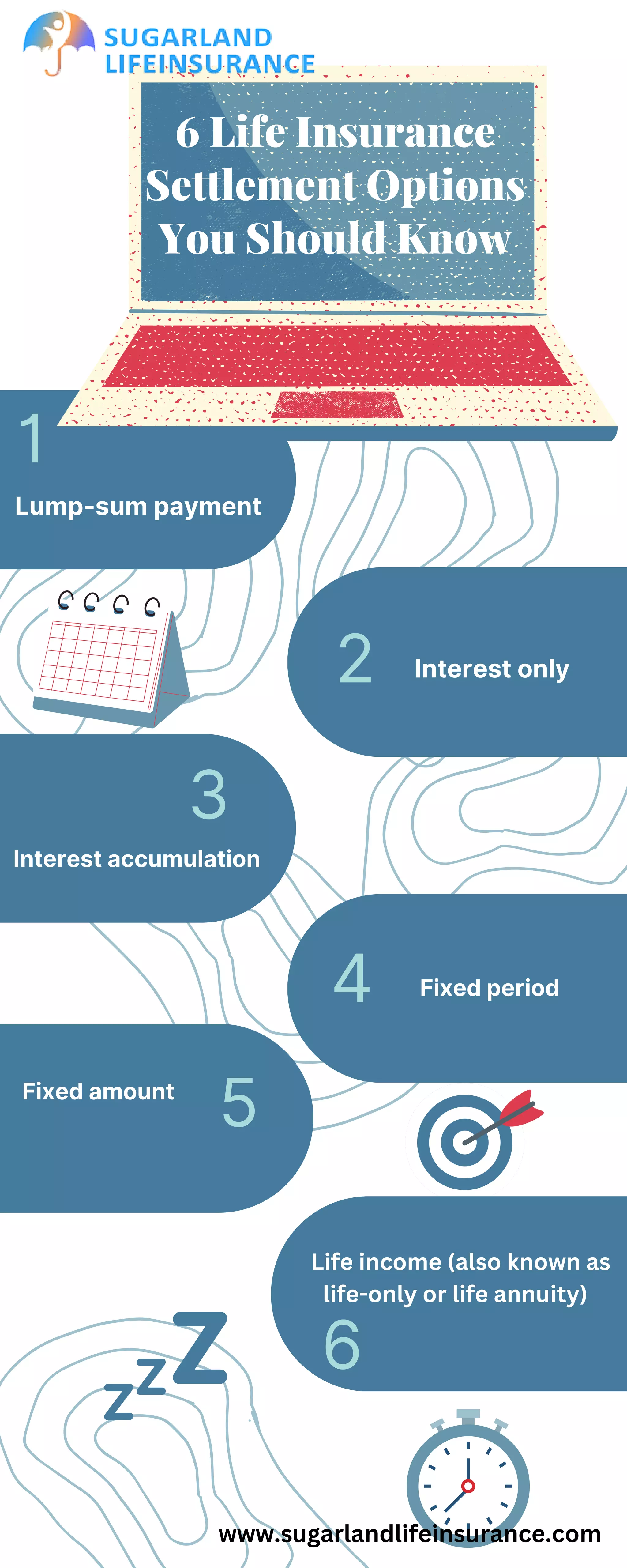
Beneficiaries typically select from multiple payment methods:
- Lump-Sum Payment: A single tax-free check or electronic funds transfer (EFT).
- Retained Asset Account: An interest-bearing settlement account managed by the insurer, from which the beneficiary can draft checks as needed.
- Annuity / Installment Payouts: Scheduled disbursements distributed over a specified period or lifetime.
Frequently Asked Questions
What is the standard basic life insurance benefit provided by WestRock?
For most full-time salaried and non-union hourly employees, WestRock provides company-paid basic life insurance equal to 1x annual base earnings, subject to plan minimums and maximum caps. Specific coverage amounts for union-represented facility workers are governed by their respective collective bargaining agreements.
Can I increase my life insurance coverage outside of Open Enrollment?
Yes, but only if you experience a Qualifying Life Event (QLE), such as marriage, birth, adoption, or a spouse’s job loss. You must submit your change request through the benefits portal within 30 to 31 days of the event. Requests made outside of a QLE or initial hire window generally require an Evidence of Insurability (EOI) health questionnaire.
How does WestRock calculate voluntary life insurance premiums?
Voluntary life insurance premiums are calculated based on age brackets (e.g., 30–34, 35–39) and the dollar amount of coverage requested. Rates are deducted automatically from payroll on a semi-monthly or bi-weekly schedule. Premium rates adjust automatically when an employee transitions into a higher age band.
What happens to my life insurance policy if I resign or retire from WestRock?
Upon separation, active coverage ends on your last day of work or at the end of the separation month. However, you have 31 days from the loss of coverage to apply to port your term policy or convert it into an individual permanent life insurance policy without undergoing medical exams.
Are WestRock life insurance death benefits taxable to my beneficiaries?
In general, life insurance death benefits paid to named individual beneficiaries are free from federal income tax under Internal Revenue Code Section 101(a). However, any interest earned if proceeds are held in a retained asset account prior to distribution is subject to income tax reporting.
Practical Guidance for WestRock Employees
To optimize your life insurance benefits, follow these practical recommendations:
- Audit Beneficiary Records Annually: Review primary and contingent beneficiary designations during annual Open Enrollment to ensure they reflect current family structures and estate planning goals.
- Evaluate Guaranteed Issue Limits at Hire: Newly hired employees should evaluate personal coverage requirements upon joining WestRock. Electing coverage up to the Guaranteed Issue limit during initial onboarding secures maximum protection without requiring medical exams or background health reviews.
- Track IRS Imputed Income Boundaries: If your employer-paid basic coverage exceeds $50,000, review your annual W-2 to understand the minor tax impacts of imputed income under IRS Section 79 rules.
- Act Quickly Upon Departure: If transitioning away from WestRock, mark your calendar for the 31-day window following separation. This preserves your contractual right to port or convert term policies without evidence of insurability.
For personalized financial advice or tax integration strategies, consult a licensed financial planner or certified public accountant (CPA).
Image Gallery