Lexus SC400 Horsepower Overview: Engineering, Evolution, and Performance
The Lexus SC400 produces between 250 and 290 horsepower, depending on the production year. Early models (1992–1997) utilized the non-VVT-i 4.0L V8 engine generating 250–260 hp, while the facelifted 1998–2000 models were upgraded with V...
The Lexus SC400 produces between 250 and 290 horsepower, depending on the production year. Early models (1992–1997) utilized the non-VVT-i 4.0L V8 engine generating 250–260 hp, while the facelifted 1998–2000 models were upgraded with Variable Valve Timing with intelligence (VVT-i), boosting output to a more robust 290 horsepower and 300 lb-ft of torque.
Contents
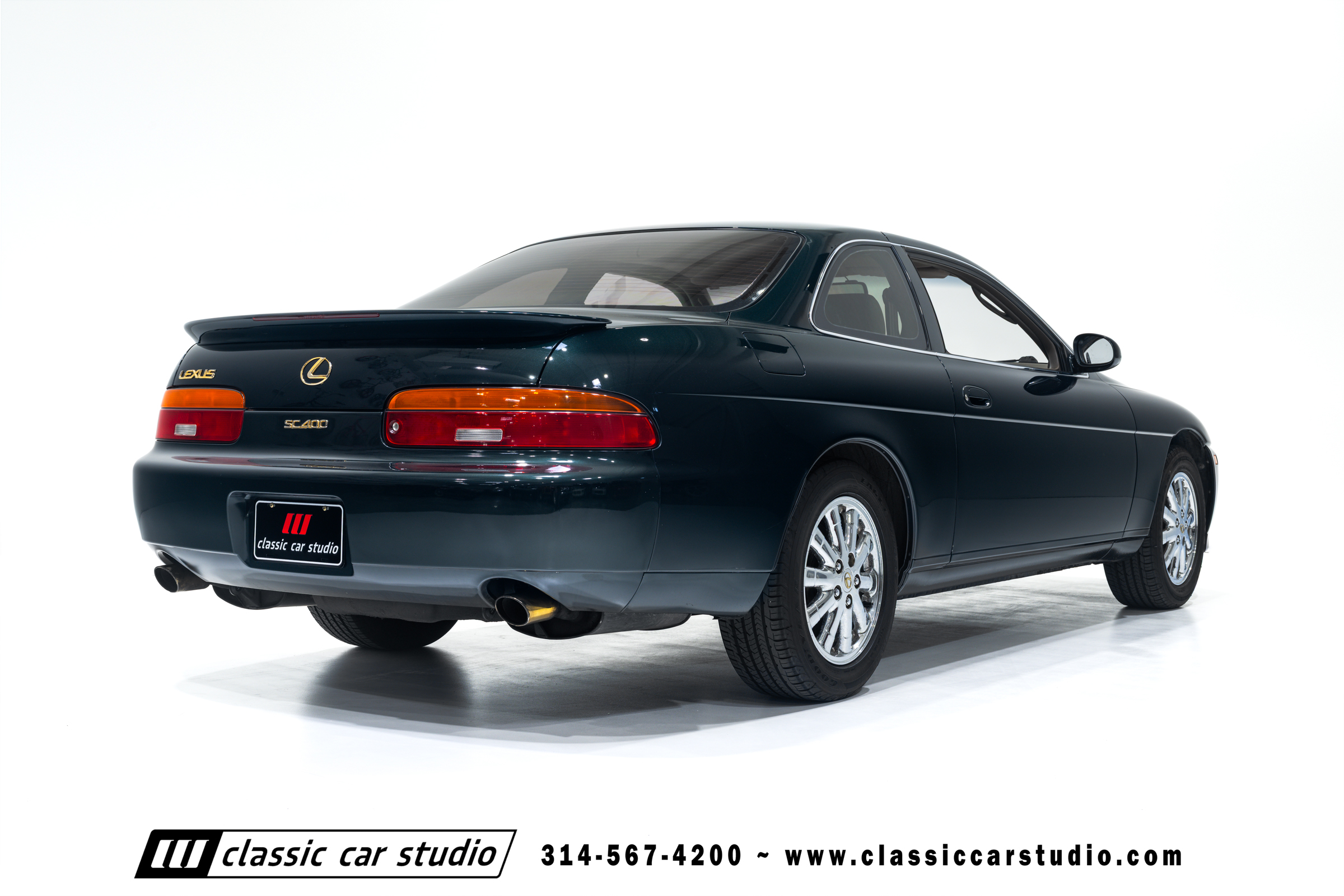
Launched in the early 1990s as a flagship luxury coupe, the Lexus SC400 (internally known by the chassis code Z30) was designed to compete with the finest grand tourers from Europe. At the heart of its identity was the 1UZ-FE engine, a power plant that has since gained legendary status for its refinement, durability, and smooth power delivery. As we look at these vehicles from the perspective of 2026, the SC400 has transitioned from a used luxury car into a highly sought-after modern classic, prized by enthusiasts for its over-engineered V8.
The Heart of the SC400: The 1UZ-FE V8 Engine
To understand the horsepower figures of the SC400, one must first understand the engine that produced them. The 1UZ-FE was a 4.0-liter, 32-valve, quad-cam V8. It was the result of Toyota’s "Circle F" project—the same massive engineering undertaking that birthed the original Lexus LS400.
The 1UZ-FE was specifically designed to be smoother and quieter than contemporary V8s from BMW or Mercedes-Benz. It featured an aluminum block and aluminum cylinder heads, which helped keep the weight of the front-heavy coupe manageable. One of its most famous attributes was its "over-engineered" nature; the engine utilized six-bolt main bearings and a forged steel crankshaft, features typically reserved for high-performance racing engines rather than luxury cruisers. This robust internal construction is the primary reason many SC400s remain on the road in 2026, often with hundreds of thousands of miles on the odometer while still maintaining their factory power ratings.
Horsepower Evolution: Year-by-Year Breakdown
The Lexus SC400 underwent several mechanical revisions during its nine-year production run. While the displacement remained at 4.0 liters, the way the engine breathed and managed its combustion cycle changed, leading to three distinct power tiers.
The Original Output (1992–1995)
In its debut year, the SC400 was rated at 250 horsepower at 5,600 RPM and 260 lb-ft of torque at 4,400 RPM. By the standards of 1992, these were impressive figures. The car was capable of reaching 60 mph in approximately 6.9 to 7.1 seconds. During this era, the engine was mated to a 4-speed automatic transmission (the A341E), which was geared more for silk-smooth shifts than for aggressive acceleration.
Minor Performance Gains (1996–1997)
For the 1996 model year, Lexus implemented minor refinements to the engine's intake and exhaust systems to improve efficiency and meeting tightening emissions standards. These changes resulted in a slight bump to 260 horsepower and 270 lb-ft of torque. While the peak numbers didn't drastically change the driving experience, the torque curve became slightly more accessible in the mid-range, providing better passing power on the highway.
The VVT-i Revolution (1998–2000)
The most significant leap in performance occurred in 1998. Lexus introduced VVT-i (Variable Valve Timing with intelligence) to the 1UZ-FE. This system allowed the engine to adjust the timing of the intake valves based on engine speed and load, optimizing both low-end torque and high-end horsepower.
As a result, horsepower jumped to 290 hp, and torque soared to 300 lb-ft. To capitalize on this extra power, Lexus also replaced the aging 4-speed automatic with a new 5-speed automatic transmission (the A650E). This combination dropped the 0–60 mph time into the low 6-second range, making the late-model SC400 significantly faster and more responsive than its predecessors.
| Model Year Range | Engine Type | Horsepower (hp) | Torque (lb-ft) | Transmission |
|---|---|---|---|---|
| 1992–1995 | 4.0L 1UZ-FE | 250 hp | 260 lb-ft | 4-Speed Auto |
| 1996–1997 | 4.0L 1UZ-FE | 260 hp | 270 lb-ft | 4-Speed Auto |
| 1998–2000 | 4.0L 1UZ-FE (VVT-i) | 290 hp | 300 lb-ft | 5-Speed Auto |
Drivetrain and Power Delivery
Unlike its sibling, the SC300, which was available with a 5-speed manual transmission, the SC400 was only ever offered with an automatic gearbox. This decision reinforced its position as a "personal luxury coupe" rather than a dedicated sports car.
The power delivery in the SC400 is characterized by its linearity. In early models, the power builds steadily without the sudden "kick" found in turbocharged engines. The 1998–2000 models, however, feel noticeably more energetic. The addition of the fifth gear in the transmission allowed for shorter initial gearing, which improved "off-the-line" acceleration, while the VVT-i system ensured that the engine didn't run out of breath at higher RPMs.
In 2026, owners often find that the "felt" horsepower is limited by the age of the transmission solenoids or the condition of the vacuum lines. Restoring these components often brings back the original "factory-fresh" surge of power that the SC400 was known for.
Real-World Performance vs. Modern Standards
When assessing the SC400's horsepower in the context of 2026, it is important to manage expectations. While 290 horsepower was "muscle car" territory in 1998, it is now comparable to many modern four-cylinder turbocharged sedans. However, the SC400 offers something modern engines often lack: displacement and character.
The 4.0L V8 provides a level of effortless cruising that small-displacement engines cannot replicate. The "reserve power" available at 70 mph allows the SC400 to accelerate with a muted growl that is hallmarks of 1990s Japanese luxury. On the drag strip, a healthy 1998 SC400 can still hold its own, typically completing the quarter-mile in the high 14-second range.
Modifications and Aftermarket Potential
For enthusiasts looking to exceed the factory horsepower ratings, the 1UZ-FE engine is a legendary platform. Because the engine was so robustly built, it can handle significant power increases without needing to strengthen the internal components (the "bottom end").
- Bolton-on Modifications: Simple upgrades like a cold air intake and a high-flow exhaust system can free up an additional 10–15 horsepower. However, the factory Lexus intake is already quite efficient, so gains are often minimal without ECU tuning.
- Forced Induction: The early (non-VVT-i) 1UZ engines are favored for turbocharging or supercharging. These engines feature thicker connecting rods than the later VVT-i versions. With a basic supercharger kit, it is common to see SC400s reaching 350 to 400 horsepower on stock internals.
- Manual Swaps: While it doesn't add horsepower directly, swapping the automatic transmission for a manual (often using a CD009 or W58 gearbox) significantly improves the power-to-weight feel and allows the driver to keep the engine in its power band more effectively.
Maintenance for Power Retention
To ensure an SC400 continues to produce its rated horsepower in 2026, several key maintenance items must be addressed. Performance degradation in these vehicles is rarely due to engine wear and is almost always due to peripheral component failure.
- Timing Belt and Water Pump: The 1UZ is an interference engine in its VVT-i form (1998–2000), meaning a belt failure will destroy the engine. In non-VVT-i models, it is non-interference, but a failure will still leave you stranded.
- ECU Capacitors: A well-known issue with 1990s Lexus models is the leaking of electrolytic capacitors in the Engine Control Unit. This can cause misfires, poor fuel mapping, and a noticeable loss of horsepower.
- Ignition System: Replacing aging spark plugs, wires, and distributor caps (on pre-1998 models) is essential for maintaining the combustion efficiency required for peak output.
Frequently Asked Questions
Which year Lexus SC400 is the fastest?
The 1998–2000 models are the fastest. With 290 horsepower and the 5-speed automatic transmission, these models can accelerate from 0–60 mph in approximately 6.2 to 6.5 seconds, which is nearly a full second faster than the 1992–1995 versions.
Is the SC400 V8 engine the same as the LS400?
Yes, they both use the 1UZ-FE engine. However, there are minor differences in the oil pan design, engine mounts, and intake manifold routing to fit the SC400’s lower hood line and sportier chassis. The horsepower ratings generally mirrored each other throughout their production cycles.
Why does the SC400 have less horsepower than modern V8s?
In the 1990s, the focus for Lexus was on "NVH" (Noise, Vibration, and Harshness) rather than maximum power. The engine was tuned for extreme longevity and smoothness. Modern V8s benefit from direct injection, higher compression ratios, and more advanced electronics that were not available or commercially viable when the SC400 was engineered.
Can you increase the horsepower of an SC400 easily?
Significant gains are difficult to achieve through "cheap" mods. Because Lexus tuned these cars so well for the technology of the time, the most effective way to gain power is through forced induction (turbocharging/supercharging) or by performing a manual transmission swap to reduce drivetrain power loss.
Does the SC400 require premium fuel to reach its rated horsepower?
Yes. To achieve the factory-rated 250–290 hp, Lexus specified 91 octane (Premium) fuel. Using lower-grade fuel can cause the knock sensors to retard ignition timing, which results in a noticeable drop in power and fuel efficiency.
Final Recommendation
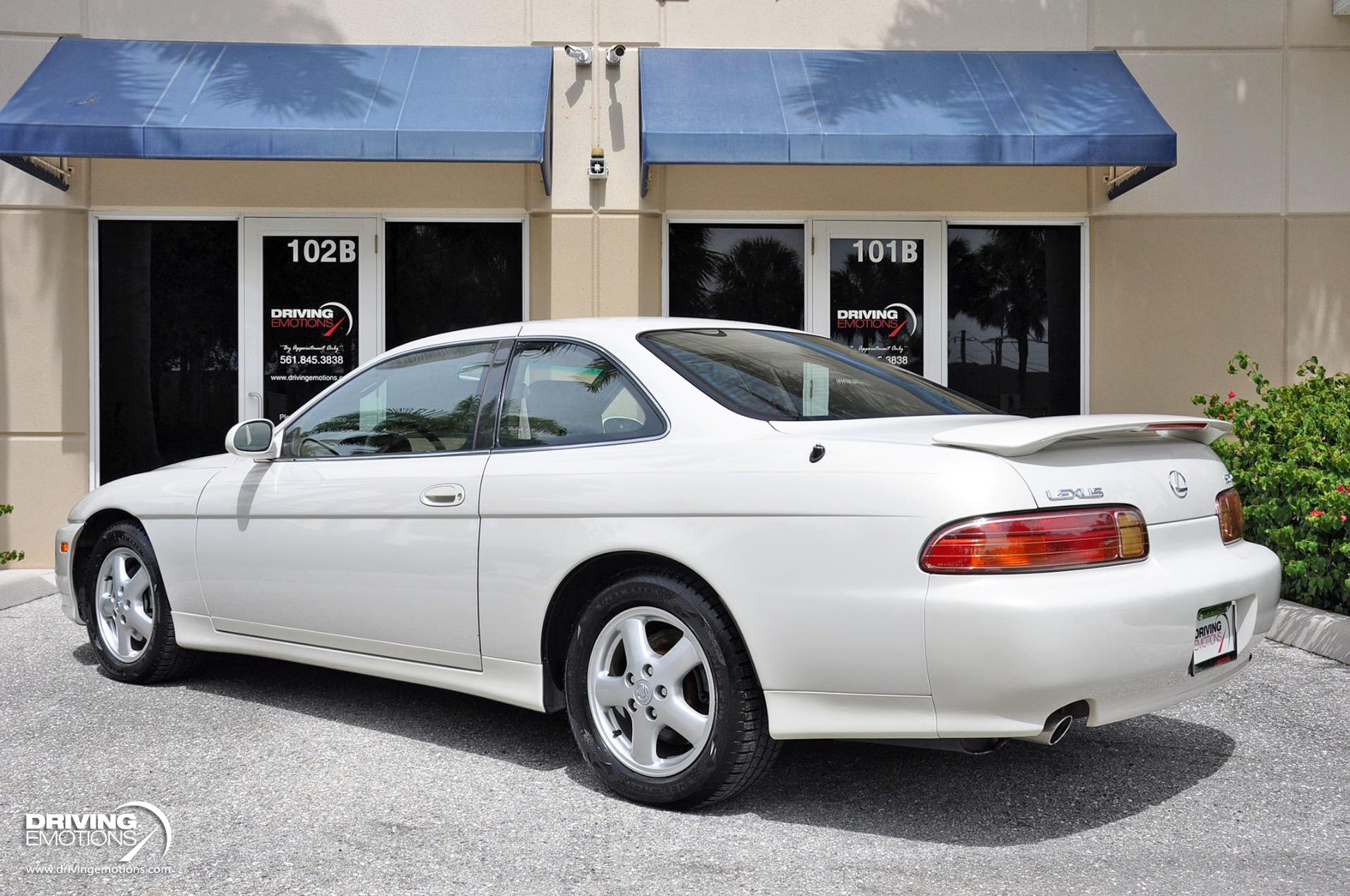
If you are in the market for a Lexus SC400 in 2026, the 1998–2000 models are the definitive choice for those who prioritize horsepower and modern drivability. The 40-horsepower increase provided by the VVT-i system, combined with the more intelligent 5-speed transmission, transforms the car from a relaxed cruiser into a much more capable performance coupe. However, if your goal is to build a high-horsepower turbocharged project, the 1992–1995 models are often preferred due to their thicker, more durable connecting rods. Regardless of the year, the SC400 remains a masterclass in V8 smoothness and a testament to the era when Lexus set out to build the best cars in the world.
Image Gallery