Comprehensive Guide to Conducting a City Warrant Search in 2026
Conducting a city warrant search involves utilizing municipal court records, local law enforcement databases, and official county portals to check for active bench or arrest warrants issued within a specific city jurisdiction. This pro...
Conducting a city warrant search involves utilizing municipal court records, local law enforcement databases, and official county portals to check for active bench or arrest warrants issued within a specific city jurisdiction. This process helps individuals resolve pending legal matters, clear missed court dates, and prevent unexpected misdemeanor arrests.
Contents
Understanding Warrants Issued by Municipal Jurisdictions
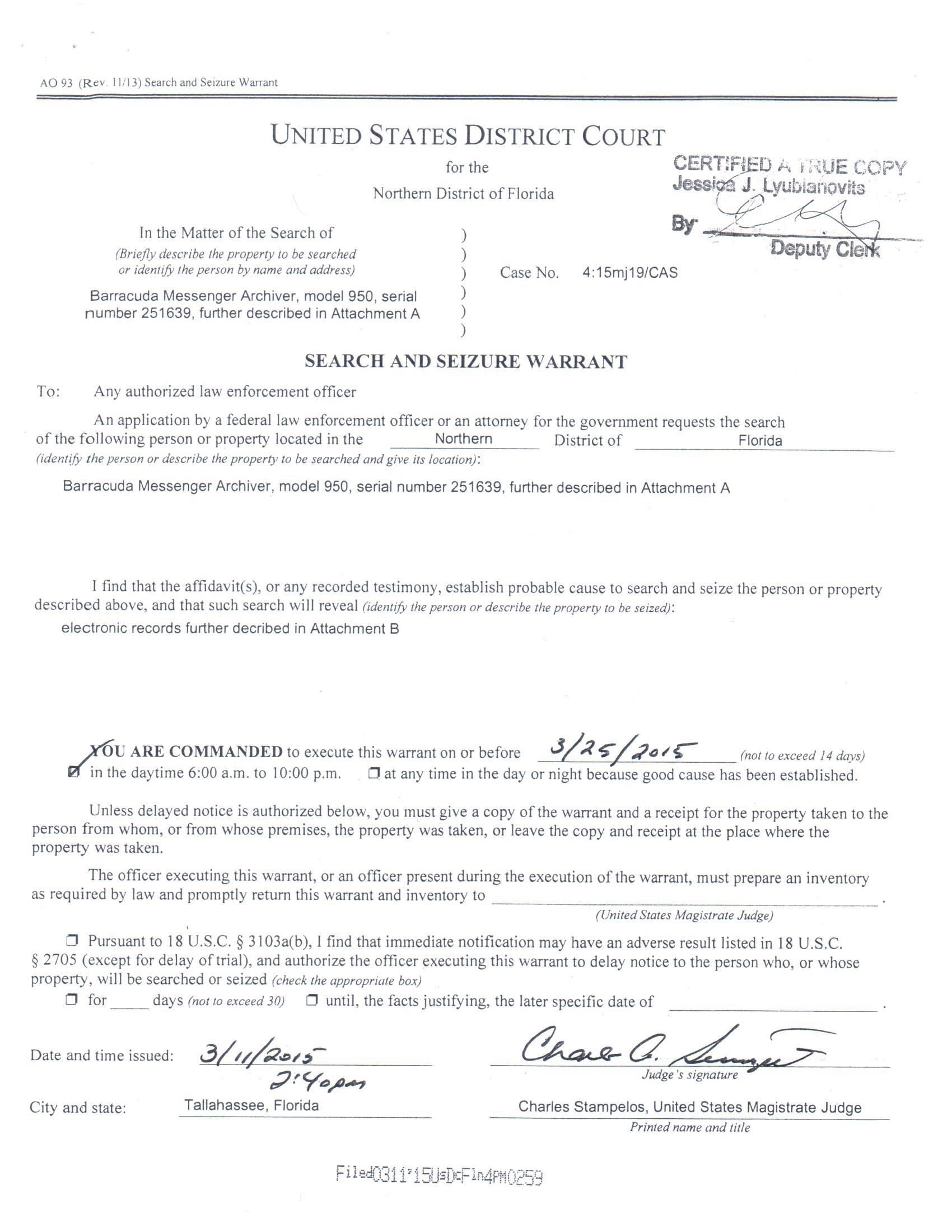
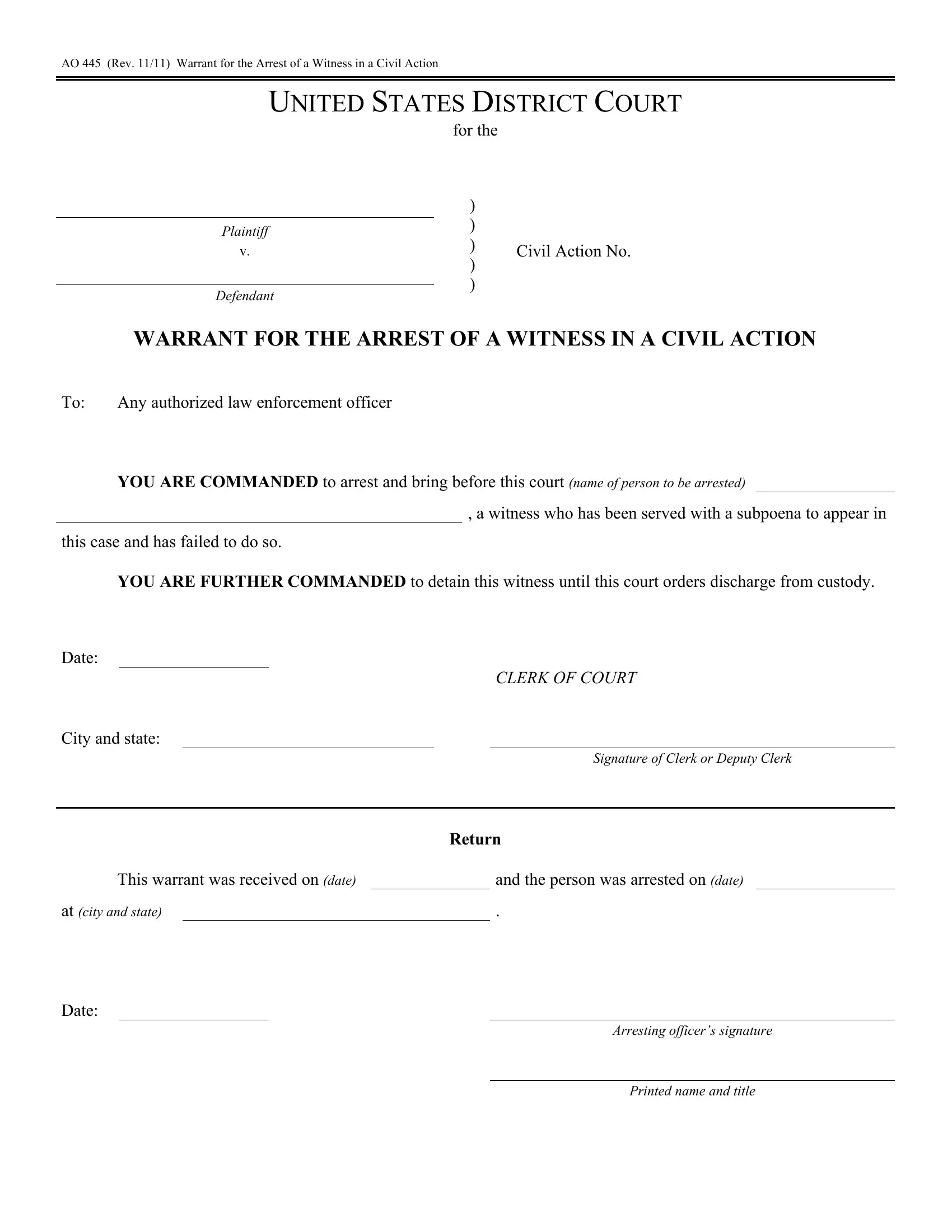
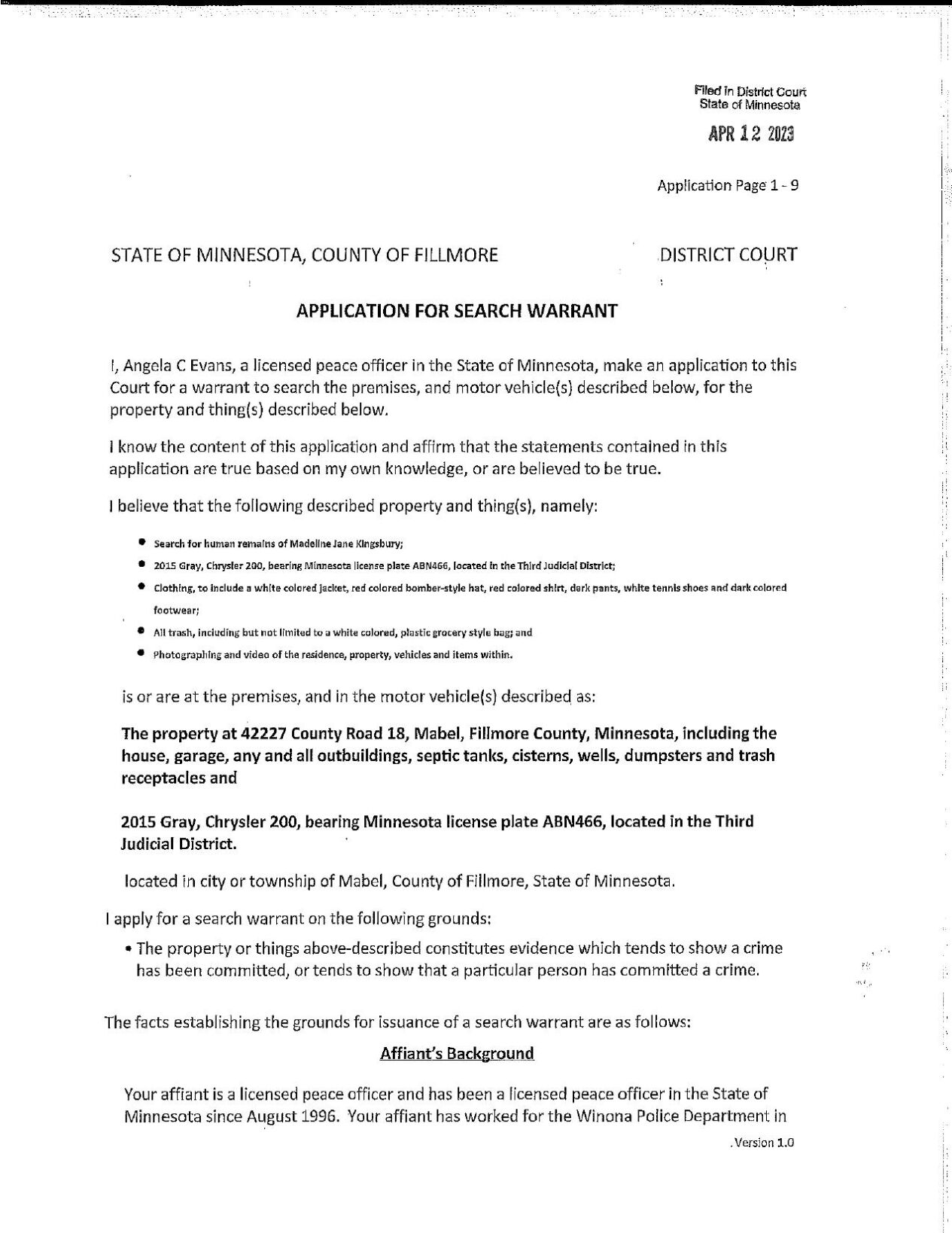
A warrant is a legal document issued by a judge or magistrate that authorizes law enforcement officers to take a specific action, such as arresting an individual or conducting a search. Within the context of local municipal governance, warrants are typically divided into distinct categories based on the nature of the underlying offense. Understanding these types is essential before initiating any search.
Municipal courts primarily handle low-level offenses, meaning the vast majority of warrants originating from a city court are non-violent and administrative in nature.
- Bench Warrants: Issued directly by a judge when an individual fails to appear in court for a scheduled hearing, fails to comply with a court order, or fails to pay court fines by a specified deadline.
- Arrest Warrants: Issued after law enforcement presents probable cause to a judge indicating that a suspect has committed a crime. These can originate from municipal code violations or escalated local offenses.
- Capias Pro Fine Warrants: Issued when a defendant has been convicted or pleaded guilty, accepted a fine schedule, but failed to make payments or complete alternative sentencing like community service.
Prerequisites and Necessary Information for Your Search
Before navigating municipal databases, gathering specific identifiers ensures accurate results and prevents confusion with individuals who share similar names. Local court clerks and police departments manage thousands of files daily, requiring precise parameters to pinpoint a record.
- Full Legal Name: Include first, middle, and last names, noting any maiden names or known aliases.
- Date of Birth: Essential for distinguishing between individuals with identical names.
- Case or Ticket Number: If available from a previous traffic stop or municipal citation, this provides the fastest route to the record.
- Social Security Number: Rarely required for public searches due to privacy laws, but sometimes requested by secure official portals for verification.
Step-by-Step Process for Conducting a City Warrant Search
Navigating the search process requires a systematic approach, moving from free online municipal databases to direct contact with court clerks if digital records are restricted.
- Identify the Exact Jurisdiction: Warrants are hyper-local. A warrant issued by municipal court A will not automatically appear in the database of municipal court B, even if they are in the same county. Verify whether the issuing body is the city police department, the municipal court, or the county sheriff.
- Access the Official Municipal Website: Navigate to the official city government web portal (typically ending in a .gov domain). Look for sections labeled "Municipal Court," "Warrant Search," "Court Records," or "Police Department."
- Use the Public Search Portal: Enter the required credentials such as name and date of birth into the online query tool. Review any matching records for case numbers, charge descriptions, and bond amounts.
- Contact the Court Clerk Directly: If online databases are outdated, offline, or unavailable, call or visit the municipal court clerk's office during business hours. Inquire about active status protocol.
- Consult a Legal Professional: If a warrant is confirmed, consulting a criminal defense attorney before surrendering or appearing in court can mitigate the risk of immediate incarceration and facilitate a motion to quash the warrant.
Comparison of Warrant Search Methods
Different avenues offer varying degrees of accessibility, speed, and reliability. The table below outlines the primary methods available for checking municipal warrants.
| Search Method | Accessibility | Speed | Cost | Reliability |
|---|---|---|---|---|
| Official City/Court Portal | High (Online 24/7) | Instant | Free | High (Direct Source) |
| In-Person at Court Clerk | Moderate (Business Hours) | Same Day | Free (Copy fees may apply) | Maximum |
| Telephone Inquiry | Moderate (Business Hours) | Immediate | Free | High (Subject to verification) |
| Third-Party Background Sites | High (Online 24/7) | Instant | Paid/Subscription | Variable (Often outdated) |
Risks and Limitations of Third-Party Search Services
Many commercial background check websites advertise instant city warrant searches. However, users must exercise caution when utilizing these platforms. Third-party aggregators often scrape public data infrequently, leading to stale information, unverified records, or misleading summaries. Furthermore, some platforms use aggressive marketing tactics or hidden subscription fees. Whenever possible, rely directly on official municipal, county, or state law enforcement portals to ensure data integrity and legal accuracy.
Resolving an Active Municipal Warrant
Discovering an active warrant requires prompt, calculated action to minimize legal complications. Ignoring the notice typically leads to forfeiture of bond money, suspension of driving privileges, or unexpected arrest during routine traffic stops.
- Voluntary Appearance: Many municipal judges look favorably upon individuals who voluntarily appear in court to address a missed date, often allowing them to reset the court date without requiring a new bond payment.
- Bond Postings: In certain jurisdictions, defendants can post a cash bond or surety bond online or through a licensed bail bondsman to clear the warrant and secure a new court appearance date.
- Legal Representation: Retaining local counsel ensures that paperwork is filed correctly, reducing the likelihood of processing errors during the resolution phase.
Frequently Asked Questions
Can I check a city warrant anonymously?
Yes, most online municipal court search portals allow individuals to look up records using names and case numbers without requiring personal identification or account creation. However, entering a secure portal may log IP addresses.
Does an active city warrant show up on a standard employment background check?
Yes, depending on the depth of the background check and state reporting laws, active warrants can appear on criminal history reports, potentially impacting employment opportunities or professional licensing applications.
What happens if I get pulled over with an active city warrant?
If law enforcement runs your driver's license during a traffic stop and discovers an active warrant, officers typically have the legal authority to arrest you, impound your vehicle, and transport you to the local holding facility until you can see a judge.
Can warrants be resolved over the phone?
Generally, municipal courts do not resolve warrants or accept plea agreements entirely over the phone for security and identity verification reasons, though clerks can provide information on bond amounts and surrender procedures.
How long do city warrants stay active?
City warrants do not expire. Unlike certain civil matters or specific statutes of limitations for filing charges, once a judge issues a bench or arrest warrant, it remains active indefinitely until it is served, recalled by the court, or resolved by the defendant.
Conclusion
Conducting a city warrant search is a critical administrative step for clearing legal hurdles and ensuring peace of mind. By utilizing official municipal resources, verifying data through court clerks, and addressing active matters proactively through proper legal channels, individuals can resolve citations efficiently and avoid unnecessary complications.
Image Gallery