How Much Is Richie Sambora Worth: Wealth, Career Earnings, and Financial Profile
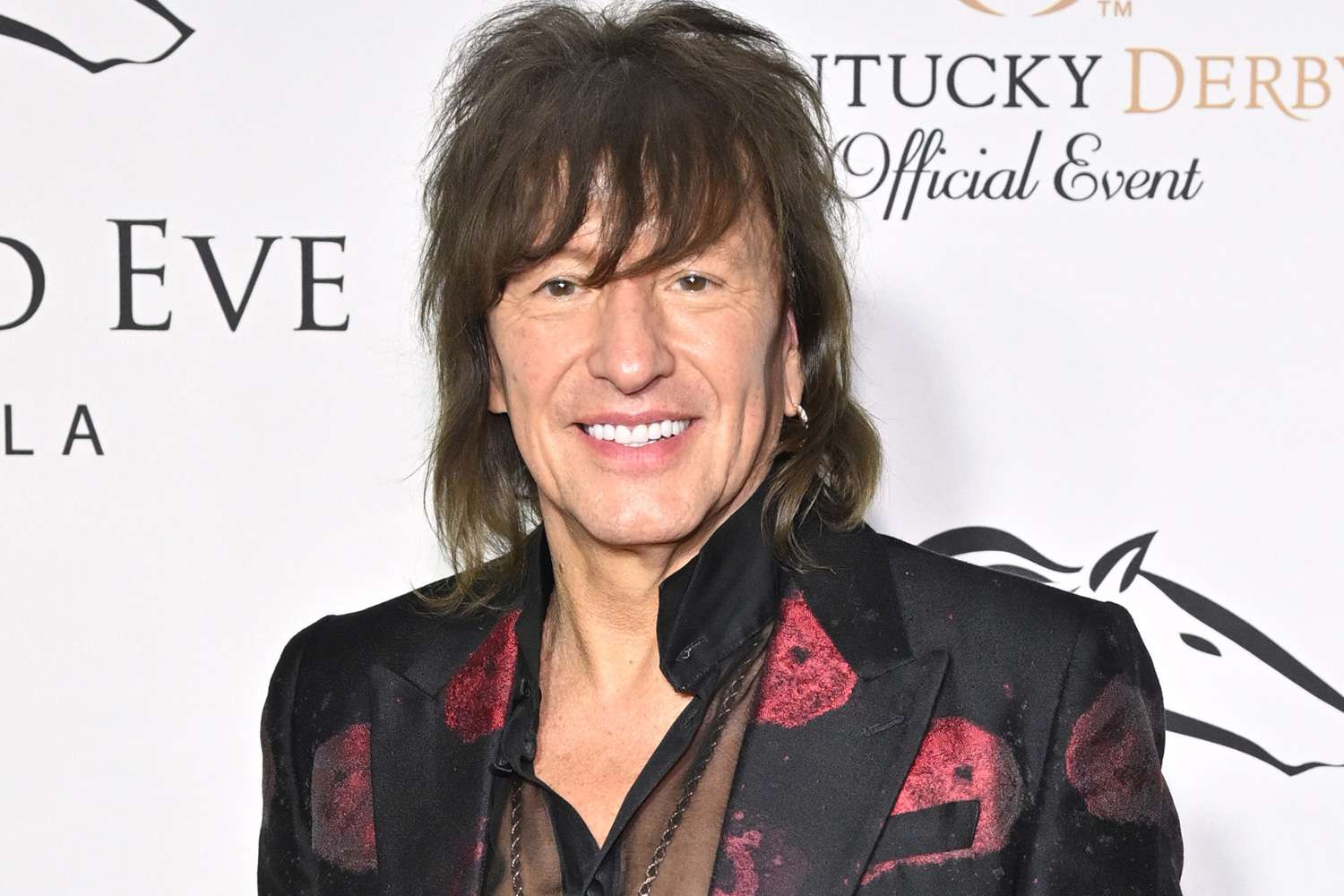
Richie Sambora has an estimated net worth of approximately $100 million to $150 million, amassed primarily through his legendary career as the co-songwriter and lead guitarist of Bon Jovi, lucrative global touring revenues, songwriting...
Richie Sambora has an estimated net worth of approximately $100 million to $150 million, amassed primarily through his legendary career as the co-songwriter and lead guitarist of Bon Jovi, lucrative global touring revenues, songwriting royalties, and diverse business ventures. As one of the most recognizable guitarists in rock history, Sambora’s financial portfolio reflects decades of chart-topping albums, multi-platinum sales, and heavy rotation across global airwaves. While calculating celebrity net worth inherently involves estimating private assets, real estate holdings, and ongoing intellectual property streams, financial analyses consistently place the musician comfortably inside the multi-millionaire tier.
Contents
Understanding the true scope of Sambora's wealth requires looking past simple headline numbers to examine the underlying revenue engines that built his fortune. From the peak commercial era of stadium rock in the late 1980s and 1990s to his departure from Bon Jovi and subsequent solo projects, his income streams span performance fees, publishing shares, endorsement deals, and strategic real estate investments. This financial biography breaks down the sources of his wealth, his historic catalog valuation, career milestones, and the factors influencing his modern economic standing.
The Foundations of Wealth: Bon Jovi's Commercial Legacy
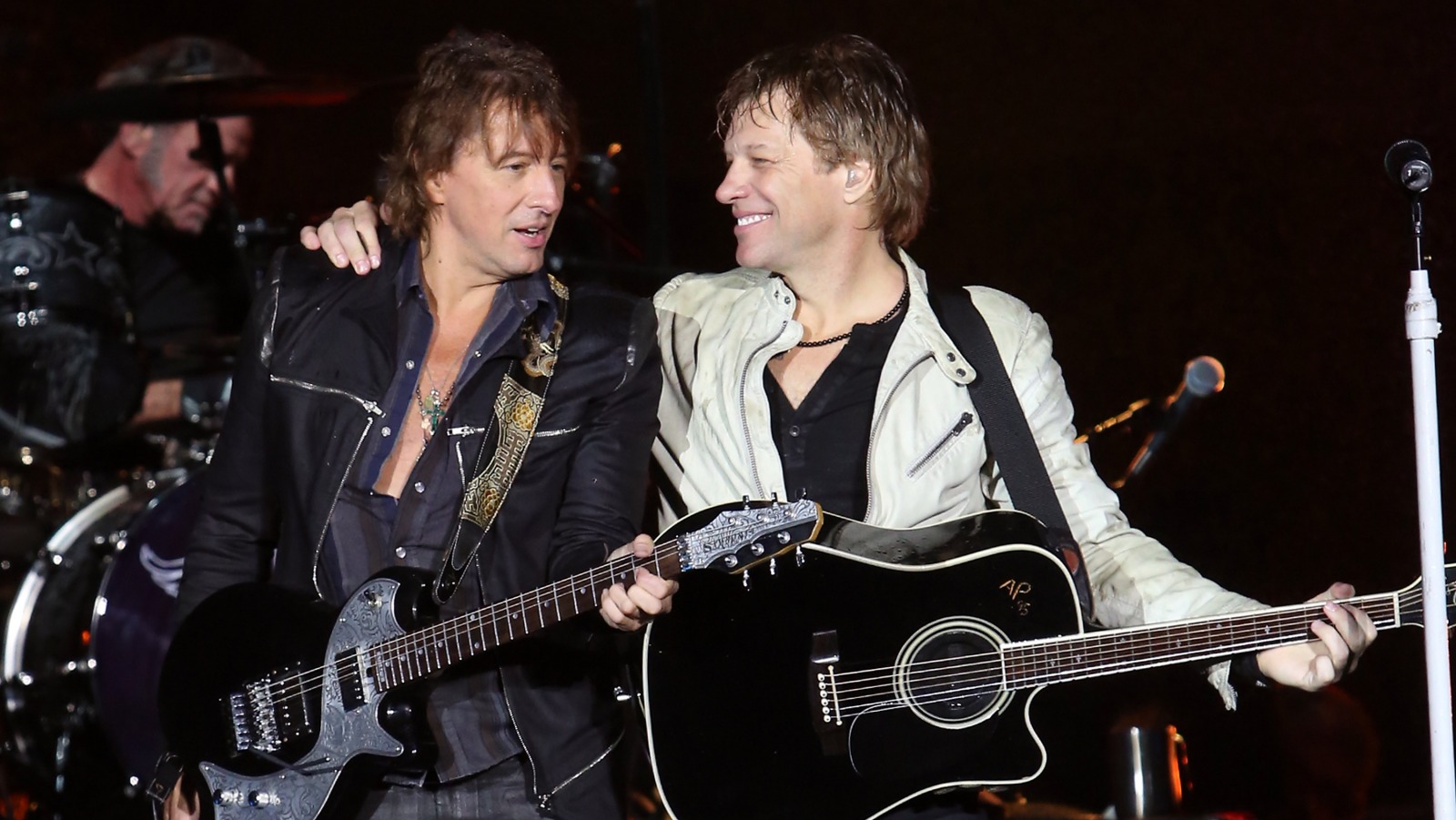
The vast majority of Richie Sambora's net worth originates from his tenure with Bon Jovi, a band he joined in 1983 alongside frontman Jon Bon Jovi, keyboardist David Bryan, bassist Alec John Such, and drummer Tico Torres. As the co-writer alongside Jon Bon Jovi of many of the band's most enduring anthems—including "Livin' on a Prayer," "You Give Love a Bad Name," "Bad Medicine," and "Wanted Dead or Alive"—Sambora secured a lucrative percentage of both songwriting credits and performance royalties.
During the peak of the band's commercial dominance with albums like Slippery When Wet (1986) and New Jersey (1988), Bon Jovi became a global phenomenon, selling over 130 million records worldwide. In the music industry, songwriting royalties (publishing) represent a long-term, compounding asset. Every time a Bon Jovi track plays on terrestrial radio, streams on digital platforms like Spotify or Apple Music, or syncs in television, film, or commercials, publishing and mechanical royalties flow directly to the songwriters. Because Sambora co-wrote a significant portion of the band's catalog, these royalties continue to generate substantial annual passive income, insulating his wealth long after his departure from the active touring lineup in 2013.
Touring Revenues and Stadium Economics
Live performance has historically been the most lucrative revenue driver for legacy rock acts, and Bon Jovi set industry benchmarks for concert grosses throughout the 2000s and early 2010s. During tours such as the Lost Highway Tour (2007–2008) and the Circle Tour (2010), Bon Jovi routinely ranked among the highest-grossing touring acts in the world, often pulling in tens of millions of dollars per leg.
As a core member, primary harmony vocalist, and lead guitarist, Sambora commanded a significant share of these gross receipts, alongside merchandise sales and VIP package revenue. Even though his departure in 2013—initially described as personal reasons and later cemented by his desire to spend time with his family—cut off his direct share of subsequent Bon Jovi stadium tours, the earnings accumulated during three decades of relentless global touring form the bedrock of his current liquidity and asset portfolio.
| Revenue Stream | Description / Primary Source | Financial Impact |
|---|---|---|
| Songwriting & Publishing | Co-writing credits on major hits (Slippery When Wet, New Jersey) | Ongoing, compounding passive income via global airplay, streaming, and sync licensing. |
| Touring & Live Performance | Global stadium and arena tours with Bon Jovi (1983–2013) | Historic multi-million-dollar grosses and nightly guarantees during peak concert eras. |
| Solo Career & Collaborations | Solo albums (Stranger in This Town, Undiscovered Soul, Aftermath of the Lowdown) and projects with Orianthi | Moderate revenue compared to band success, supplementing primary catalog earnings. |
| Real Estate Portfolio | High-value residential properties in New Jersey, California, and elsewhere | Capital appreciation and asset diversification safeguarding long-term net worth. |
Solo Projects, Collaborations, and Venture Investments
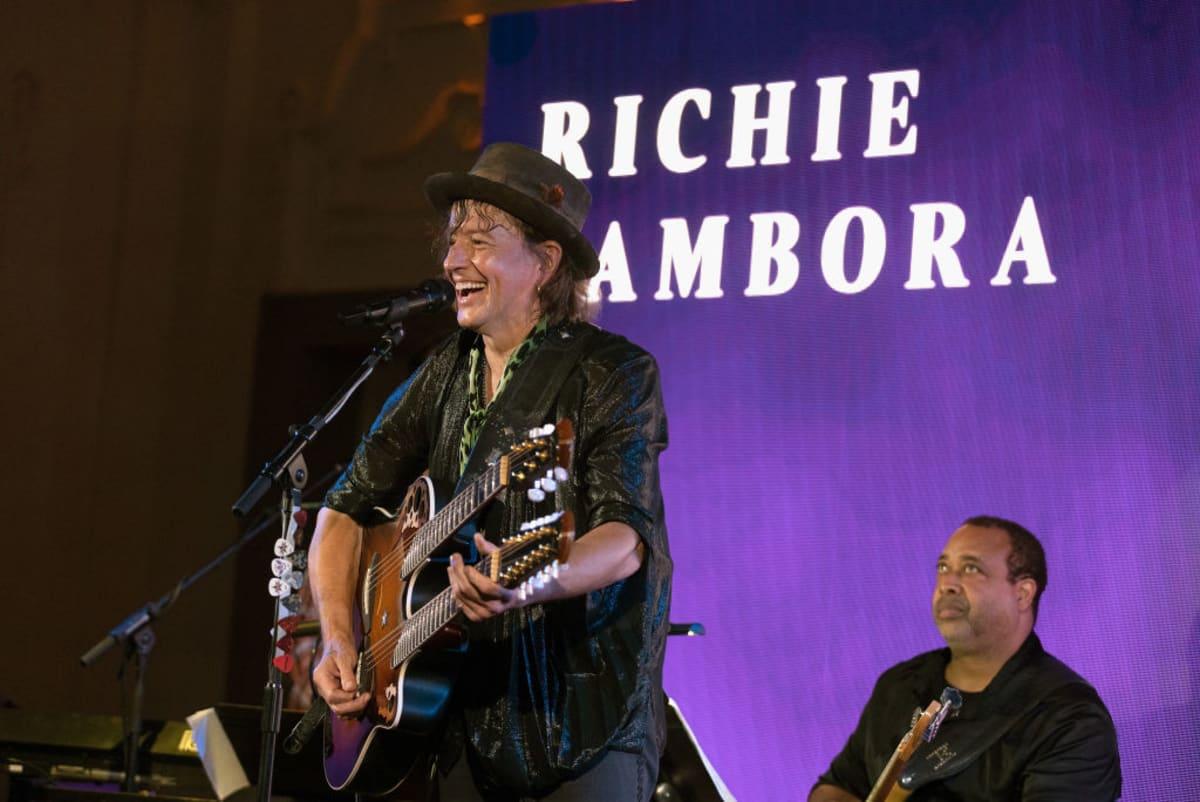
Beyond his work with Bon Jovi, Sambora has pursued a diverse array of solo recordings and side projects. He released his debut solo album, Stranger in This Town, in 1991, followed by Undiscovered Soul in 1998 and Aftermath of the Lowdown in 2012. While solo releases by hard rock guitarists rarely match the commercial heights of their parent bands, these records expanded his publishing footprint and maintained his profile as a touring solo artist.
In the years following his exit from Bon Jovi, Sambora collaborated extensively with Australian guitarist Orianthi under the moniker RSO. They released an EP and a full-length album, Rise, in 2018, blending blues, rock, and pop sensibilities. While these ventures contributed to his artistic output, they represent a smaller fraction of his overall net worth when compared to the massive commercial engine of his former band.
Additionally, Sambora has engaged in various entrepreneurial and philanthropic endeavors. Like many high-net-worth musicians, he has allocated portions of his capital into real estate holdings. Over the years, his portfolio has included luxury estates in exclusive enclaves of Southern California and his native New Jersey, which have generally appreciated in value, providing a strong tangible asset base alongside his liquid cash and royalty streams.
Financial Management, Taxes, and Wealth Preservation
Maintaining a net worth estimated between $100 million and $150 million requires sophisticated financial infrastructure. High-net-worth musicians typically employ teams of business managers, certified public accountants (CPAs), and entertainment attorneys to navigate complex tax jurisdictions, international royalty collections, and estate planning.
- Tax Optimization: Touring musicians earn income across multiple states and foreign countries, each with distinct tax withholding laws and reciprocal agreements. Efficient structuring ensures compliance while minimizing unnecessary tax exposure.
- Catalog and Asset Protection: While some legacy artists have chosen to sell their entire publishing catalogs to private equity firms or major music publishers for massive upfront lump sums, Sambora has historically retained significant interests in his core catalog earnings, allowing him to benefit directly from long-term asset appreciation and streaming growth.
- Diversification: Financial advisors for rock icons routinely diversify liquid capital out of volatile entertainment assets into equities, fixed-income instruments, and prime real estate to safeguard against industry downturns or shifts in consumer behavior.
Frequently Asked Questions
What is Richie Sambora's exact net worth?
Financial estimates place Richie Sambora's net worth between $100 million and $150 million. Because private wealth figures are not publicly audited, this range reflects calculations based on estimated historical tour earnings, published album sales figures, estimated royalty streams, and known real estate holdings.
Does Richie Sambora still receive royalties from Bon Jovi songs?
Yes. As a co-writer on many of Bon Jovi's biggest hits, Sambora retains his writer's share of publishing royalties. Whenever these tracks are streamed, broadcasted, or licensed for commercial use, royalties are generated and paid out to him regardless of his active membership status in the band.
Why did Richie Sambora leave Bon Jovi?
Sambora officially left Bon Jovi during their 2013 Because We Can tour, citing personal reasons and a desire to spend more time raising his daughter, Ava Sambora. In subsequent interviews, he also expressed a need for a break from the grueling touring cycle and creative friction within the organization, though relations between him and Jon Bon Jovi have occasionally warmed regarding potential future reunions.
Has Richie Sambora ever released solo music?
Yes. Sambora has released three solo studio albums: Stranger in This Town (1991), Undiscovered Soul (1998), and Aftermath of the Lowdown (2012). He also recorded and toured with guitarist Orianthi as part of the duo RSO, releasing material together in 2017 and 2018.
Is Richie Sambora a Rock and Roll Hall of Fame inductee?
Yes. Richie Sambora was inducted into the Rock and Roll Hall of Fame as a member of Bon Jovi in 2018. He reunited with the band for the induction ceremony, performing a selection of their classic hits together for the first time in several years.
Conclusion and Next Actions
Richie Sambora's financial standing as a multi-millionaire rock icon is the direct result of decades of disciplined songwriting, massive global touring, and strategic asset management. For fans, aspiring musicians, and financial analysts tracking the economics of classic rock, Sambora's career illustrates how enduring intellectual property can generate generational wealth long after the stadium lights go down. Those interested in further research can examine music industry copyright law, royalty collection societies like ASCAP or BMI, or financial profiles of contemporary legacy artists to understand the mechanics behind modern celebrity wealth.
Image Gallery