Mastering Postal Service Address Validation: A Comprehensive Guide for 2026 Operations
Postal service address validation is the technical process of cross-referencing user-provided address data against official government databases, such as the USPS Coding Accuracy Support System (CASS), to ensure every record is deliver...
Postal service address validation is the technical process of cross-referencing user-provided address data against official government databases, such as the USPS Coding Accuracy Support System (CASS), to ensure every record is deliverable, standardized, and accurate. In 2026, this infrastructure is essential for minimizing failed deliveries, reducing shipping surcharges, and maintaining high-integrity customer databases for e-commerce and logistics. This guide focuses on the specific protocols and tools used to verify domestic and international postal records against official authoritative datasets.
Contents
The Technical Framework of Modern Address Validation
Address validation is more than a simple spell-check for street names. It is a multi-layered verification process that ensures a physical location exists and can receive mail. By 2026, the standard for address accuracy has moved beyond simple pattern matching to real-time verification against the most current government datasets.
At its core, the process involves two distinct stages: standardization and validation. Standardization (or normalization) involves converting an address into the specific format required by the national postal authority. This includes correcting abbreviations (e.g., changing Street to ST), fixing casing, and ensuring the ZIP+4 code is accurate. Validation, the second stage, is the actual query against the official database to confirm that the standardized address is a recognized delivery point.
The United States Postal Service (USPS) sets the benchmark for these standards through the Coding Accuracy Support System (CASS). For a service to be CASS-certified in 2026, it must demonstrate a high degree of accuracy in assigning the correct ZIP+4 codes, carrier route codes, and delivery point codes.
Delivery Point Validation (DPV)
Delivery Point Validation is the most granular level of address checking. While a basic check might confirm that a ZIP code and street name exist, DPV confirms whether the specific house or apartment number is a valid location where a mail carrier actually stops.
The Role of DPV in 2026 Logistics
Modern DPV technology identifies specific nuances of an address record that were previously difficult to flag. For instance, DPV can distinguish between a valid street address and a vacant lot that does not yet have a mailbox. It also identifies CMRA (Commercial Mail Receiving Agency) locations, such as a UPS Store, which is critical for businesses that have restrictions on shipping to private mailboxes.
Core Components of Official Postal Validation Standards
To maintain a clean database, organizations must understand the various sub-technologies that operate within the postal service validation ecosystem. These tools work in tandem to resolve ambiguities in geographic data.
- LACSLink (Locatable Address Conversion System): This system is vital for rural areas or regions undergoing modernization. It automatically converts rural-style addresses (e.g., RR 1 Box 42) into standard city-style street addresses required for emergency 911 services and modern postal delivery.
- SuiteLink: This technology specifically addresses business addresses. It allows validation tools to append or correct suite numbers for business records based on the company name, significantly reducing the "undeliverable as addressed" (UAA) rate for B2B shipments.
- RDI (Residential Delivery Indicator): RDI identifies whether an address is a residential or commercial location. In 2026, shipping carriers like UPS and FedEx continue to apply different pricing tiers based on this distinction; knowing the RDI status during the checkout process allows for accurate real-time shipping quotes.
- EWS (Early Warning System): This provides information on new addresses that have been created but are not yet included in the monthly CASS master file. Using EWS prevents valid new construction addresses from being erroneously flagged as "invalid."
The Economic Impact of Address Accuracy in 2026
The financial consequences of poor address data are more severe in 2026 than in previous years. With the rising costs of fuel, labor, and the environmental mandates for carbon-neutral shipping, every "Return to Sender" (RTS) incident represents a significant loss.
The direct costs include the initial shipping fee, the return shipping fee (often charged by carriers for undeliverable items), and the labor involved in reprocessing the order. However, the indirect costs are often higher. These include customer churn due to delayed packages, the administrative burden of customer support tickets, and the potential for shipping carrier penalties if a high percentage of a merchant's labels are formatted incorrectly.
2026 Comparison of Address Validation Methods
| Validation Feature | Official USPS API | Third-Party CASS API | Manual Batch Processing |
|---|---|---|---|
| Real-time Speed | Moderate to High | Ultra-High (Global CDN) | Low (Periodic) |
| Data Scope | USPS Domestic Only | Global (240+ Countries) | Domestic Only |
| Technical Support | Minimal | 24/7 Enterprise Support | Internal Only |
| DPV/LACSLink Access | Limited | Fully Integrated | Varies by Provider |
| Cost Structure | Free (Limited Use) | Subscription/Usage-Based | Per-File Fee |
| Implementation | RESTful API | REST/GraphQL/SDKs | SFTP/Upload |
Implementing Real-Time Validation in E-Commerce Workflows
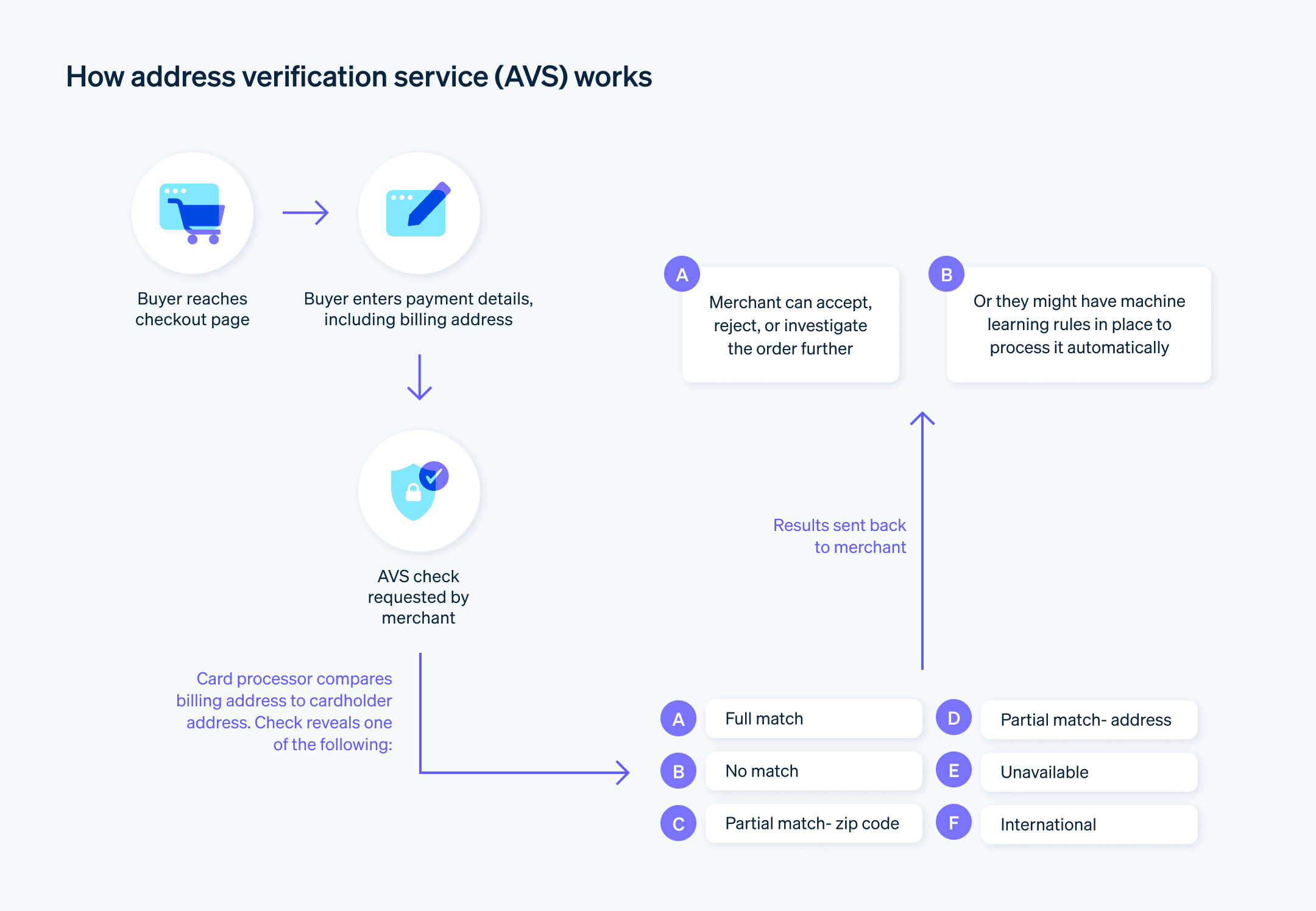
In 2026, the most effective way to validate addresses is at the point of entry. By integrating an address validation API into the checkout page or CRM, businesses can catch errors before they enter the system.
Step 1: Integrated Autocomplete
Users frequently make typos on mobile devices. An autocomplete feature, powered by official postal data, suggests valid addresses as the user types. This not only ensures accuracy but also improves the user experience by reducing keystrokes.
Step 2: Immediate Error Flagging
If a user enters an address that is standardized but not DPV-confirmed, the system should prompt a clarification. For example: "We found your street, but the apartment number appears to be missing or invalid. Would you like to edit?"
Step 3: Normalization and Enrichment
Once the address is confirmed, the system should store it in the standardized postal format. This includes the full ZIP+4 code. This standardization is critical for bulk mail discounts and ensures that the shipping label is perfectly readable by automated postal sorting machines.
Advanced Strategies for International Address Validation
While USPS standards govern the United States, global businesses must navigate the requirements of over 200 different national postal authorities. International address validation requires a more complex approach due to varying scripts (Cyrillic, Kanji, Arabic) and different cultural norms for address sequencing.
In 2026, high-end validation services utilize the Universal Postal Union (UPU) S42 standard. This international framework defines the components of a valid address for each country. When validating international addresses, it is essential to use a service that supports transliteration, which converts addresses from local scripts into Latin characters for shipping labels while preserving the original data for local delivery agents.
Global Delivery Nuances
In many regions, such as parts of the Middle East or Southeast Asia, "street and number" addresses are less common. Validation systems in 2026 must support descriptive addressing and plus-codes (geocoding) to ensure that logistics providers can find locations in areas without formal postal infrastructure.
Troubleshooting Common Address Validation Failures
Even with advanced systems, some addresses will fail validation. Understanding why these failures occur is key to resolving them without losing a sale.
- New Construction: As mentioned, new developments may not be in the CASS database yet. If an address fails but the user insists it is correct, the EWS (Early Warning System) should be checked.
- Missing Secondary Information: This is the most common cause of DPV failure. The street address is valid, but the suite, apartment, or unit number is missing.
- PO Box Only Deliveries: Some addresses are physically valid but do not receive mail delivery from the national postal service. In these cases, the "Deliverable" flag might be false for a street address, requiring the user to provide a PO Box.
- Formatting Constraints: Some legacy ERP systems have character limits on address lines. If the standardized address is too long, it may be truncated, leading to validation errors when the label is printed. Modern systems use "Address Line 1" and "Address Line 2" intelligently to avoid this.
Regulatory and Security Considerations
In 2026, address data is strictly governed by privacy laws such as GDPR in Europe and various state-level privacy acts in the US. Address validation services must be SOC2 Type II compliant to ensure that the PII (Personally Identifiable Information) being sent for validation is encrypted and handled securely.
Furthermore, businesses should ensure that their validation provider does not store or "scrape" the data sent for verification. The process should be a stateless transaction where the address is checked against the database and the result is returned without the provider retaining the customer's specific location details.
Frequently Asked Questions
What is the difference between address validation and address verification?
Address validation checks if an address exists and is deliverable according to postal records. Address verification (often used in the financial sector) confirms that a specific individual actually lives at that address, usually by checking utility records or credit headers. Validation ensures the mail gets there; verification ensures the person is who they say they are.
Why does my address show as invalid if I can see it on Google Maps?
Mapping services like Google Maps use "Interpolated Geocoding," which estimates where an address should be based on surrounding data. Postal validation, however, relies on official delivery records. An address can exist on a map (as a physical location) but not be a registered delivery point with the postal service (e.g., if it is a new build or a non-delivery zone).
Is the USPS API free for commercial use in 2026?
The USPS provides a free API, but it comes with strict terms of use. It is intended primarily for shipping and mailing purposes associated with USPS services. It lacks the uptime, global reach, and advanced features (like fuzzy matching or RDI) that commercial enterprises typically require for high-volume e-commerce.
How often are postal databases updated?
In 2026, most authoritative postal databases are updated monthly or even weekly. CASS-certified software providers are required to update their local datasets at least every 60 days to remain compliant, though most cloud-based APIs provide real-time updates as soon as the postal authority releases them.
Can address validation identify if an address is a vacant property?
Yes, high-level DPV data includes a "Vacancy" flag. This indicator tells the sender if an address is valid but has been unoccupied for 90 days or more. This is particularly useful for direct mail campaigns to avoid wasting resources on locations where the mail will likely sit uncollected.
Optimizing Your Data Strategy for the Future
To stay competitive in 2026, businesses must transition from reactive to proactive address management. This means moving beyond "fixing" addresses before they ship and toward a model of "perfect data at entry." By implementing CASS-certified validation, utilizing DPV for granular accuracy, and accounting for international complexities, organizations can significantly reduce operational overhead.
The goal of postal service address validation is to create a seamless link between a digital record and a physical doorstep. As logistics continue to evolve with autonomous delivery and drone technology, the precision of this data becomes the foundation upon which the entire supply chain rests.
Image Gallery