Selecting the Ideal Major for a Software Developer Career
Choosing the right major for a software developer career involves balancing foundational computer science theory with the practical application of programming languages, systems design, and problem-solving methodologies. While Computer...
Choosing the right major for a software developer career involves balancing foundational computer science theory with the practical application of programming languages, systems design, and problem-solving methodologies. While Computer Science remains the gold standard, modern educational pathways now include specialized degrees in Software Engineering, Data Science, and Information Technology, each providing a distinct edge depending on your professional goals and preferred technical focus.
Contents
Understanding the Academic Landscape for Aspiring Developers
The path to becoming a software developer is not restricted to a single degree. However, most employers look for credentials that demonstrate a deep understanding of algorithmic complexity, data structures, and the software development lifecycle (SDLC). The primary debate often lies between choosing a broad, theoretical degree versus a specialized, applied degree.
Computer Science (CS) programs typically emphasize the mathematical foundations of computing. You will encounter discrete mathematics, theory of computation, and complex algorithm analysis. This rigorous approach is ideal if you aspire to work in high-performance computing, artificial intelligence, or core systems development.
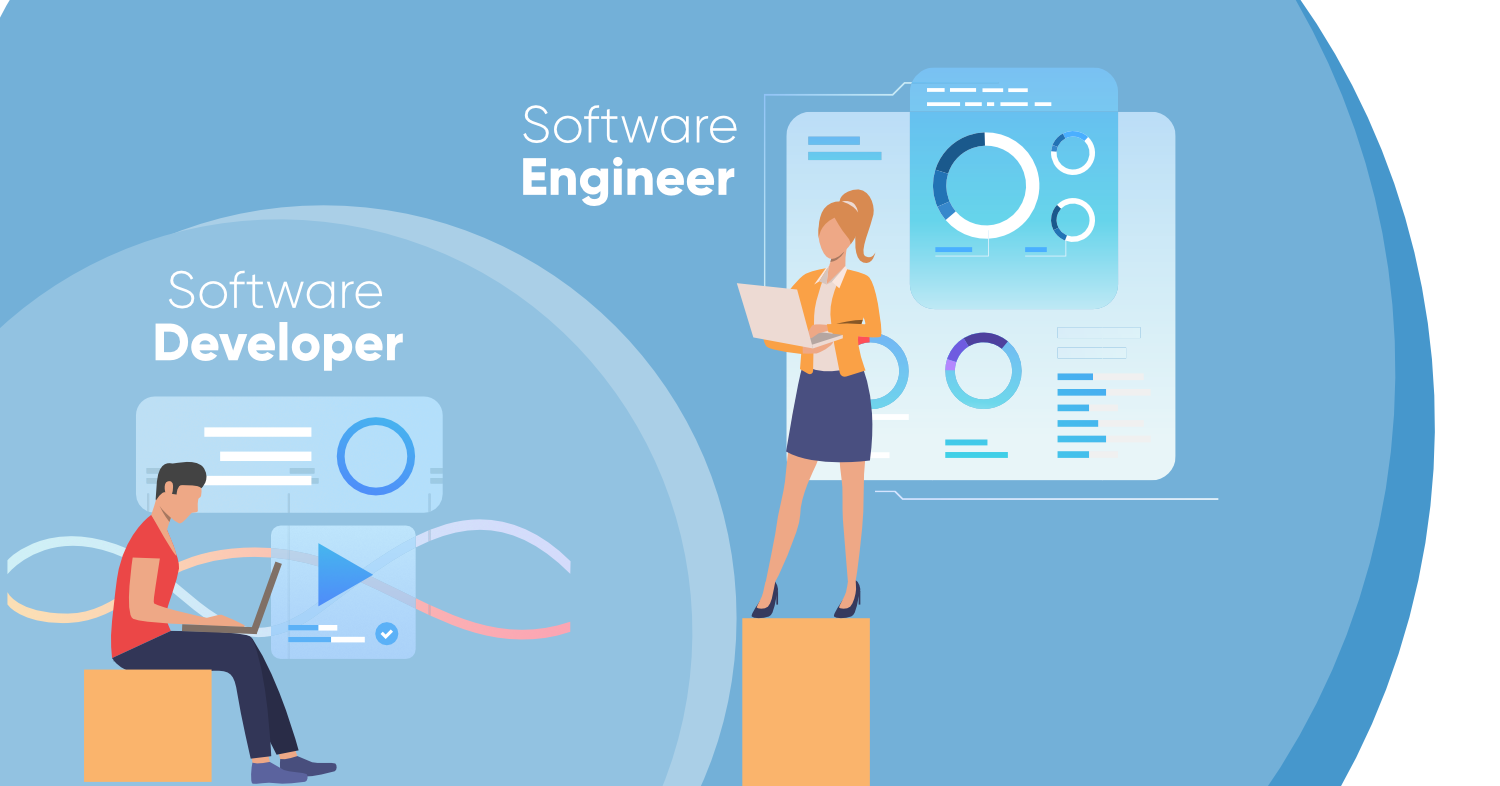
Conversely, Software Engineering (SE) programs prioritize the process of building software. These degrees often include coursework on requirements engineering, software testing, quality assurance, and project management. If your goal is to lead teams or manage complex enterprise architectures, an SE degree provides the organizational mindset necessary to deliver reliable, scalable products.
Comparing Common Academic Paths
When deciding on a major, it is essential to evaluate the core curriculum of each track. Below is a comparison of how different majors align with various developer roles.
| Major | Primary Focus | Ideal For |
|---|---|---|
| Computer Science | Theory, Algorithms, Math | Core engine dev, AI, cryptography |
| Software Engineering | Lifecycle, Design, Architecture | Enterprise apps, project management |
| Data Science/Analytics | Statistics, Machine Learning | Predictive modeling, Big Data |
| Information Technology | Systems, Networking, Security | IT infrastructure, DevSecOps |
| Computer Engineering | Hardware-Software Integration | Embedded systems, firmware, IoT |
The Core Technical Requirements for Success
Regardless of your major, a competitive developer must possess a baseline of technical competency. In 2026, the demand for developers who understand the intersection of hardware and software—often gained through Computer Engineering or Physics-heavy CS tracks—is high, particularly in the fields of robotics and edge computing.
Algorithms and Data Structures
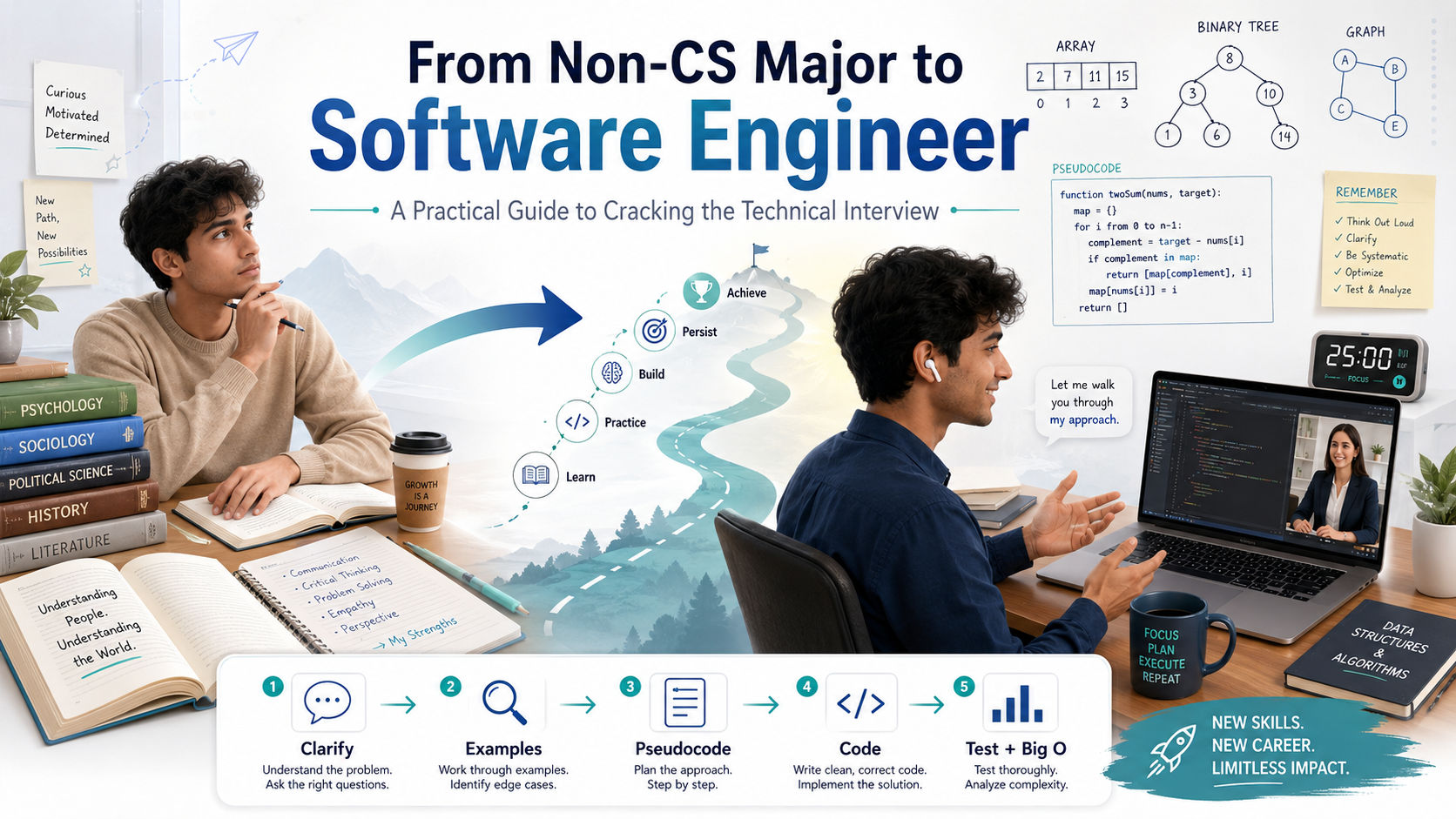
This remains the bedrock of any technical interview. Understanding how to manage memory, optimize Big O notation, and implement efficient search trees is not just about passing interviews; it is about writing code that performs well under load. Students should seek out programs that require multiple semesters of hands-on implementation rather than purely theoretical instruction.
Software Architecture and Design Patterns
Modern development moves fast. Learning how to structure code so that it is maintainable, testable, and scalable is a skill that distinguishes a junior developer from a senior engineer. Look for courses that cover Microservices, Model-View-Controller (MVC) patterns, and cloud-native architecture.
Database Systems and Data Integrity
Almost every software product interacts with a database. Your degree should include courses on Relational Database Management Systems (RDBMS) like PostgreSQL, as well as NoSQL alternatives. Understanding normalization, indexing, and query optimization is vital for ensuring your applications do not bottleneck at the data layer.
Bridging the Gap: Academic Theory vs. Industry Reality
A common critique of academic programs is that they lag behind the rapid evolution of industry-standard tools. While universities teach foundational concepts that stand the test of time, students must supplement their education with self-directed learning to remain current.
The Value of Practical Experience
Your major provides the framework, but projects provide the evidence. By the time you graduate, you should have a portfolio of work that demonstrates proficiency in:
- Version Control: Mastery of Git is non-negotiable.
- Continuous Integration/Continuous Deployment (CI/CD): Understanding how code moves from a local environment to a production server.
- Testing Frameworks: Writing unit and integration tests is standard practice in professional settings.
If your academic program does not offer capstone courses involving real-world client work, consider contributing to open-source projects or seeking internships. The goal is to demonstrate that you can translate abstract concepts into functional, shipping code.
When to Consider a Specialized Degree
If your interests lie in specific niches, generalist degrees might not provide enough depth.
- Artificial Intelligence and Machine Learning: If you want to build neural networks or generative models, look for CS programs with heavy concentrations in Linear Algebra, Calculus, and Statistics.
- Cybersecurity: If you are interested in secure coding, penetration testing, or threat modeling, a degree in Information Technology with a focus on Security or a dedicated Cybersecurity degree is highly appropriate.
- Systems and Embedded Programming: For those interested in the Internet of Things (IoT), medical devices, or automotive software, Computer Engineering provides the essential understanding of how software interacts directly with silicon.
Common Mistakes in Major Selection
Many students fall into the trap of choosing a major based on perceived "ease" or the prospect of a high starting salary without considering their own aptitude for the subject.
- Ignoring Mathematical Foundations: Trying to bypass math requirements often leads to a weaker understanding of machine learning or graphics programming.
- Focusing Solely on Syntax: Learning a specific language like Python or Java is helpful, but learning how to think about programming paradigms is better. Do not pick a major based on whether it teaches your favorite language.
- Underestimating Soft Skills: Software development is a team sport. Even the most technically brilliant developer will fail if they cannot communicate requirements, conduct code reviews, or collaborate effectively. Ensure your program includes opportunities for collaborative projects.
Practical Next Steps for Prospective Students
- Audit Course Catalogs: Look beyond the degree name. Examine the specific courses required. Are they teaching modern frameworks, or is the curriculum decades out of date?
- Review Faculty Research: Check if the professors are publishing in journals or contributing to industry standards. Active faculty usually bridge the gap between theory and practice more effectively.
- Seek Internship Connections: Prioritize institutions that have strong ties to the software industry. Schools with robust career placement offices often have established pipelines into top-tier tech companies.
- Build a Proof of Competency: Regardless of your chosen major, start building a GitHub repository now. The ability to demonstrate a complex project you have architected, tested, and deployed is often as important as the degree itself.
Ultimately, while the name of the degree on your diploma matters for initial screening, your long-term success as a software developer depends on your ability to continuously learn. The best major is the one that gives you a solid foundation in computational thinking while encouraging you to apply those principles in practical, complex, and collaborative settings.
Image Gallery