Bernz Net Worth Explained in Context
Public fascination with the financial standing of internet personalities, niche content creators, and underground digital figures often leads to significant speculation. When evaluating the net worth of figures like Bernz—often associa...
Public fascination with the financial standing of internet personalities, niche content creators, and underground digital figures often leads to significant speculation. When evaluating the net worth of figures like Bernz—often associated with underground music scenes, collective movements, or independent digital enterprises—discrepancies frequently arise between public rumor and verifiable financial reality. This examination explores how creator wealth is estimated, the underlying revenue streams that support independent figures, and the contextual factors that prevent a simple public valuation.
Contents
Estimating the net worth of independent digital creators and niche public figures requires looking beyond speculative online wealth aggregators, as these platforms typically rely on unverified assumptions regarding ad revenue, merchandise sales, and asset ownership. True financial standing depends on active revenue diversification, overhead costs, and intellectual property control.
Understanding the Challenges of Estimating Digital Creator Net Worth
Public curiosity regarding the financial value of independent creators often collides with a lack of transparent financial reporting. Unlike publicly traded corporations or executives bound by strict regulatory disclosures, independent personalities operate within private financial ecosystems.
The Fallacy of Online Wealth Estimators
Numerous websites publish estimated figures for public personalities, often attaching millions of dollars or modest sums with little to no empirical backing. These sites typically use basic algorithmic models based on estimated website traffic, social media follower counts, and generalized ad-revenue CPM (cost per thousand impressions) metrics.
However, these models suffer from fundamental flaws:
- Gross Income vs. Net Wealth: Estimators frequently confuse gross revenue with net worth, failing to account for production costs, management fees, taxes, and personal expenses.
- Platform Monetization Variance: Ad revenue rates fluctuate wildly depending on audience geography, niche categorization, and platform policy shifts.
- Inconsistent Direct Sponsorships: Private brand deals and equity partnerships are rarely disclosed publicly, rendering automated tracking impossible.
Private Business Ventures and Asset Holdings
For figures operating within specialized industries—such as independent music production, apparel design, or private digital communities—wealth is rarely stored in liquid cash or publicly traded stocks. Instead, it is tied up in tangible assets and intellectual property (IP).
Evaluating net worth accurately requires distinguishing between liquid assets, real estate holdings, equipment investments, and the long-term royalty value of creative works. Without access to tax returns, corporate filings, or bank statements, any public figure's net worth remains an educated estimate rather than an established fact.
Primary Revenue Streams for Independent Digital Figures
To understand the financial context of a creator like Bernz, one must examine the actual mechanisms through which independent artists and digital entrepreneurs generate income. Modern creator economies rely on multi-channel monetization rather than depending solely on a single platform.
Direct-to-Consumer Sales and Merchandise
Independent operators frequently bypass traditional distribution middlemen by selling directly to their audience. This includes physical goods such as apparel, limited-edition vinyl records, physical media, and proprietary accessories.
Direct-to-consumer models yield higher profit margins than third-party retail placements, but they also carry significant upfront capital expenditure risks for inventory manufacturing, warehousing, and fulfillment logistics.
Touring, Live Events, and Direct Patronage
For figures rooted in performance, music, or community leadership, live events represent a vital financial pillar. Ticket sales, VIP experiences, and touring merchandise contribute heavily to operational revenue.
Additionally, platforms allowing direct fan patronage—such as membership sites, private subscription channels, and direct crowdfunding campaigns—provide a predictable recurring revenue stream that buffers against the volatility of ad-supported platforms.
Factors Influencing Net Worth Stability
Net worth is not a static number; it fluctuates based on overhead, market conditions, and career longevity. When contextualizing the wealth of independent creators, several structural variables dictate long-term financial health.
| Financial Factor | Impact on Independent Creators | Description |
|---|---|---|
| Overhead & Production Costs | High Negative Impact | Studio time, equipment maintenance, employee salaries, and fulfillment logistics directly reduce net take-home earnings. |
| Intellectual Property Ownership | High Positive Impact | Owning master recordings, trademarks, and proprietary software yields passive licensing income over decades. |
| Platform Diversification | Moderate Protection | Relying on multiple independent revenue streams prevents catastrophic income loss if a single social platform changes its algorithm or bans an account. |
| Tax Liabilities | Variable Impact | Independent creators face self-employment taxes, corporate structuring obligations, and variable quarterly tax burdens. |
Financial Comparison: Mainstream Celebrities vs. Independent Niche Creators
To contextualize digital creator wealth, it is helpful to compare the financial architecture of mainstream entertainment figures against independent underground personalities.
Mainstream Celebrities: [Corporate Contracts] ---> [Global Agency Management] ---> [Public Financial Disclosures] Independent Niche Creators: [Direct Patronage] ------> [Self-Managed Operations] ------> [Private Intellectual Property]
While mainstream celebrities leverage institutional backing, legal representation, and corporate endorsements to accumulate massive, verifiable net worths, independent creators operate with leaner margins. Their financial security relies heavily on direct audience retention and asset ownership rather than massive corporate guarantees.
Frequently Asked Questions
What is net worth, and how is it calculated for public figures?
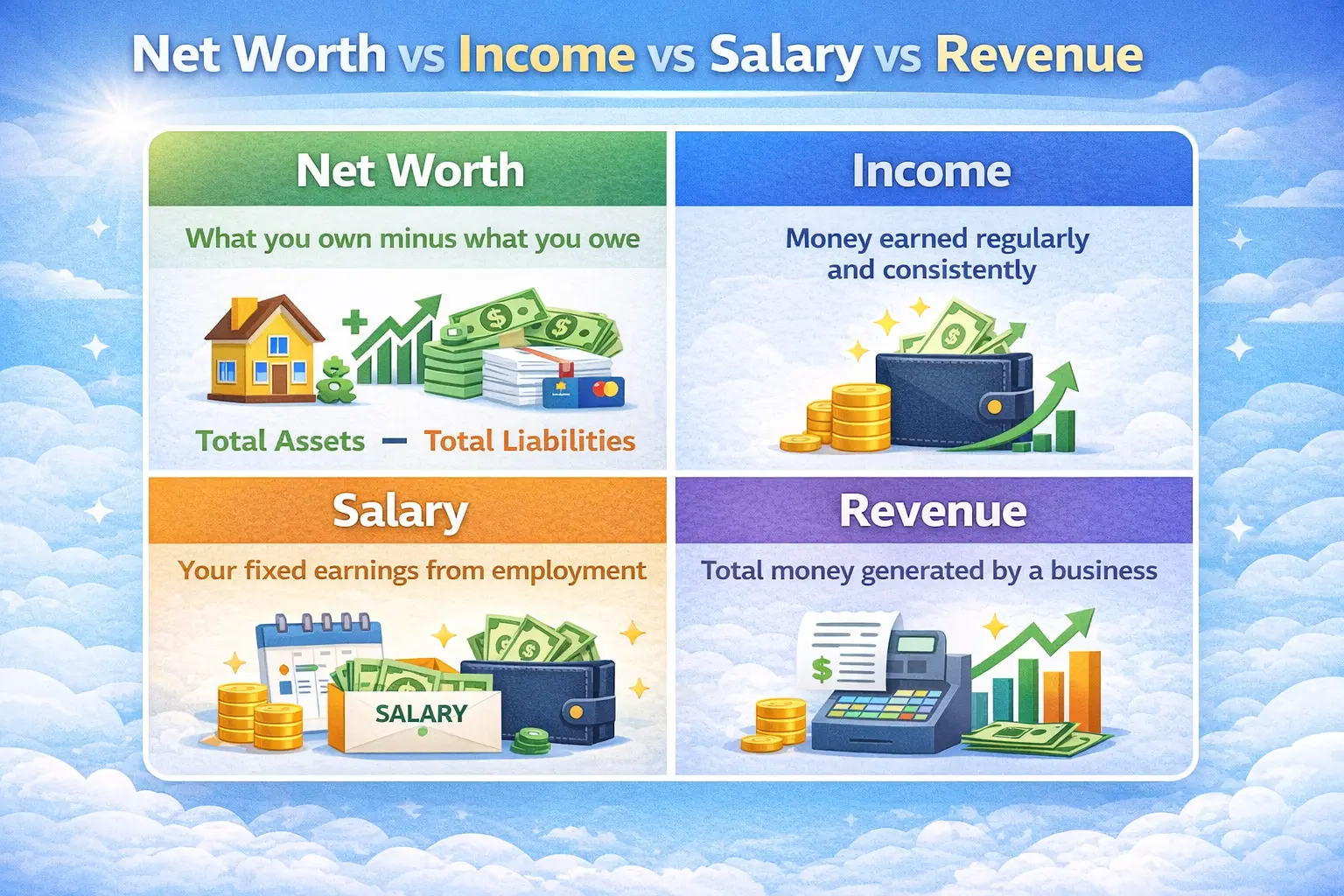
Net worth represents the total value of an individual's assets—including cash, real estate, investments, and intellectual property—minus their liabilities, such as debts and loans. For public figures, exact calculations are nearly impossible without private financial disclosures, meaning public estimates are largely speculative.
Why do online net worth calculators often get creator finances wrong?
Automated estimators rely on generic formulas that look at follower counts and public view metrics. They typically ignore essential financial deductions such as business overhead, production costs, managerial commissions, and taxes, resulting in wildly inflated figures.
Do independent artists earn a steady income from streaming platforms?
Streaming platforms generally pay very low per-stream royalties to independent creators. Consequently, sustainable income for underground or independent artists typically stems from direct-to-consumer merchandise, physical media sales, live performances, and direct fan patronage rather than digital streaming payouts alone.
How does intellectual property ownership affect a creator's long-term wealth?
Owning the rights to music, trademarks, or digital products allows creators to earn continuous licensing royalties and retain control over how their work is monetized. Creators who lease or sign away their IP rights often earn less long-term wealth compared to those who retain independent ownership.
Are independent digital creators required to publish financial reports?
No. Unless an independent creator operates a publicly traded corporation or is mandated by specific national tax authorities to disclose public filings, their personal financial records remain strictly private.
Practical Next Actions and Financial Literacy
For individuals analyzing the creator economy or aspiring to build independent digital enterprises, moving past speculative wealth figures is essential. Focus instead on understanding the mechanics of sustainable business models, prioritizing asset ownership, diversifying revenue channels, and maintaining disciplined control over operational overhead. True financial stability in the digital space is built on resilient infrastructure rather than viral visibility.
Image Gallery