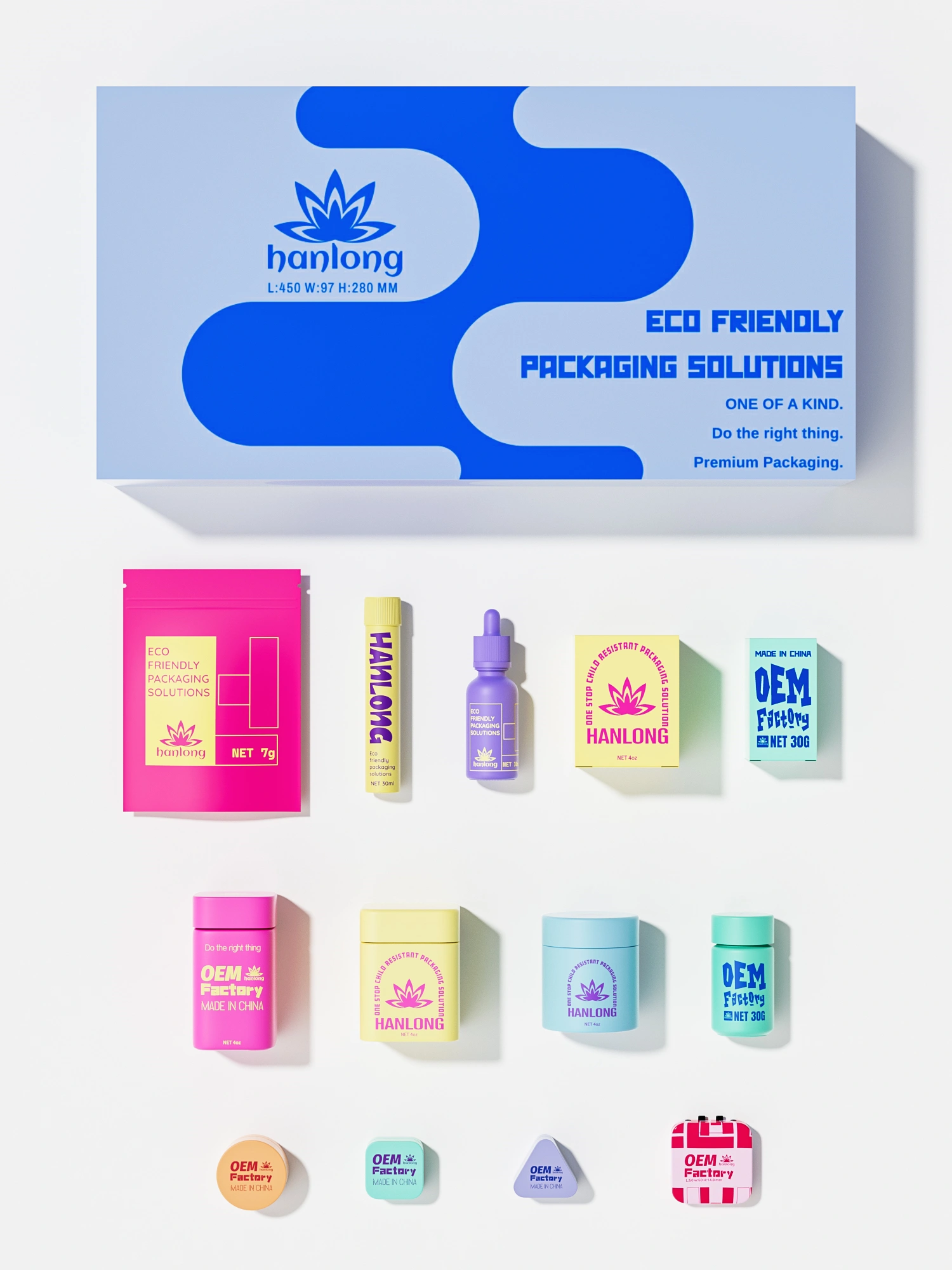
Why the Right Packaging Redesign Matters for Brand Trust
A packaging redesign is a critical lever for brand trust because it serves as the most immediate physical manifestation of a company’s values, quality standards, and relevance. In 2026, a redesign signals modernization, ethical transpa...
A packaging redesign is a critical lever for brand trust because it serves as the most immediate physical manifestation of a company’s values, quality standards, and relevance. In 2026, a redesign signals modernization, ethical transparency, and a commitment to consumer needs, bridging the gap between digital marketing promises and the reality of the physical product experience.
Contents
The Psychological Link Between Packaging and Consumer Confidence
Packaging is rarely just a container; it is a silent ambassador. When a consumer interacts with a product, their brain processes visual and tactile cues faster than conscious thought. This "first moment of truth" is where brand trust is either solidified or eroded. If a brand’s packaging feels flimsy, outdated, or intentionally deceptive, the consumer subconsciously transfers those attributes to the product itself.
The right packaging redesign addresses the concept of cognitive dissonance. This occurs when there is a mismatch between what a brand claims to be and how it presents itself. For example, a premium organic skincare brand using non-recyclable, cheap plastic creates a trust gap. By redesigning for high-quality, sustainable materials, the brand aligns its physical presence with its ethical claims, thereby reducing friction and building long-term loyalty.
In 2026, the threshold for "quality" has shifted. Trust is no longer built solely through polished aesthetics; it is built through functional reliability. A redesign that improves the unboxing experience, ensures structural integrity during shipping, or makes the product easier to use directly correlates to a perception of the brand as competent and caring.
Transparency and the Evolution of Labeling Standards
One of the primary drivers for a packaging redesign in the current market is the demand for radical transparency. Consumers are increasingly skeptical of "greenwashing" and vague health claims. A successful redesign moves away from cluttered, buzzword-heavy graphics toward a clear information hierarchy.
The Shift to Honest Claims
Historically, brands used redesigns to hide ingredient changes or reduce product volume (shrinkflation). In 2026, these tactics are major liabilities. Trustworthy redesigns prioritize:
- Verifiable Certifications: Displaying recognized third-party seals (e.g., Fair Trade, Carbon Neutral, B-Corp) prominently.
- Legibility and Accessibility: Using typography that is easy to read for aging populations and those with visual impairments, which signals inclusivity.
- Ingredient Provenance: Using the packaging real estate to tell the story of where materials and ingredients are sourced.
When a brand simplifies its packaging to highlight what is not in the product as much as what is, it demonstrates a "nothing to hide" philosophy. This transparency is a foundational pillar of brand trust that can be effectively communicated through a thoughtful design overhaul.
Sustainability as a Non-Negotiable Trust Factor
As we operate in 2026, sustainability has moved from a marketing "plus" to a regulatory and social "must." A packaging redesign is often the only way for legacy brands to meet modern environmental standards and consumer expectations. If a brand fails to evolve its packaging to be circular or biodegradable, it risks being perceived as out of touch or socially irresponsible.
Material Selection and Ethical Sourcing
Trust is built when a brand takes the difficult path rather than the cheapest one. Switching from multi-layer laminates (which are difficult to recycle) to mono-materials shows a commitment to the environment that consumers recognize. Furthermore, the use of post-consumer recycled (PCR) content must be communicated clearly. A redesign that utilizes the natural texture and color of recycled materials—rather than trying to mimic virgin plastic—communicates authenticity.
Reducing "Over-Packaging"
Excessive packaging is one of the fastest ways to lose consumer trust. It suggests a lack of efficiency and a disregard for the waste stream. A redesign that optimizes the "box-to-product ratio" demonstrates that the brand is mindful of its carbon footprint during logistics. This operational transparency suggests to the consumer that the brand is managed by responsible stewards.
Navigating the Risks of Alienating the Core Audience
While a redesign is often necessary, it carries the significant risk of breaking the "visual contract" a brand has with its loyal customers. Brand trust is built on consistency; when a product suddenly looks unrecognizable on the shelf, the consumer may feel a sense of betrayal or confusion.
To maintain trust during a transition, the redesign must balance evolution with heritage. This involves identifying the "distinctive brand assets"—such as a specific color palette, a unique silhouette, or a signature logo placement—that must remain intact.
The Danger of Generic Minimalism
A common mistake in the mid-2020s was the move toward "blandscaping"—where every brand adopted the same minimalist, sans-serif aesthetic. For many heritage brands, this led to a loss of personality and a perceived "cheapening" of the brand. To foster trust, a redesign should lean into the brand’s unique story rather than following a fleeting design trend. Authenticity is the bedrock of trust, and a design that feels "manufactured" rather than "born" will struggle to connect emotionally.
Integrating Technology to Enhance Brand Integrity
In 2026, the physical package is increasingly a gateway to a digital ecosystem. Integrating Smart Packaging is a high-tech method for building brand trust through verification.
| Technology | Trust Benefit | Practical Application |
|---|---|---|
| QR Codes / NFC | Direct access to batch-specific lab results or sourcing maps. | Consumers scan a bottle of olive oil to see the exact grove where the olives were harvested. |
| Tamper-Evident Design | Physical assurance that the product has not been compromised. | Redesigned seals that change color if the vacuum is broken, common in pharmaceuticals and food. |
| Blockchain Integration | Immutable proof of authenticity and supply chain ethics. | High-end luxury goods use embedded chips to prove the item isn't a counterfeit. |
| AR Instructions | Reduction in user error and frustration. | Scanning a package provides a 3D overlay of how to assemble or use the product correctly. |
By using a redesign to incorporate these technologies, a brand moves beyond "telling" the consumer to trust them and starts "showing" them the data to support that trust.
Tactical Steps for a Trust-Centric Redesign
Executing a redesign that strengthens trust requires a disciplined, data-driven approach. It is not merely an artistic exercise; it is a strategic business pivot.
- Consumer Sentiment Audit: Before sketching, brands must understand what consumers currently trust (and distrust) about their packaging. This involves heat-mapping, focus groups, and analyzing "unboxing" feedback from social media.
- Structural Prototyping: Trust is lost if a "beautiful" new design fails in the real world. Rigorous testing for "Amazon-ready" durability or leak-proof caps is essential.
- Tiered Rollout: For large brands, a "silent" or soft launch of a redesign can help gather feedback and allow for minor adjustments before a global campaign, preventing a public relations backlash.
- Value-Based Communication: The launch of the new packaging should be accompanied by a clear explanation of why it changed. If the change was made to reduce plastic use, the brand should lead with that narrative.
Troubleshooting Common Redesign Failures
Even with the best intentions, redesigns can backfire if they prioritize ego over the end-user experience.
- The "New Formula" Fear: Often, when packaging changes, consumers assume the product inside has changed for the worse. To maintain trust, the packaging should explicitly state "New Look, Same Great Formula" (if true) to provide immediate reassurance.
- The Shelf-Blindness Issue: If a redesign makes it harder for a consumer to find their favorite variant (e.g., changing the color coding of "Full Fat" vs. "Skim" milk), the resulting frustration erodes trust in the brand’s utility.
- Inconsistent Quality Control: If the new packaging design looks great in a digital render but the actual physical print quality is poor—with misaligned labels or color shifts—the brand appears amateurish. Trust is in the details.
FAQs
Why should I redesign my packaging if sales are currently stable?
Stable sales can mask an underlying erosion of brand relevance. A proactive redesign allows you to lead the market rather than reacting to a competitor's innovation. In 2026, being "too late" to sustainability or tech integration can cause a sudden, sharp decline in trust that is difficult to recover from.
How much should I change in a redesign to maintain trust?
The "Rule of 20/80" is a helpful guide: retain 80% of your core brand identity (colors, logo, general shape) and innovate on the 20% that feels dated or inefficient. This ensures that the redesign feels like a "refresh" rather than a "replacement," which preserves the existing trust equity.
Is sustainable packaging always more expensive?
While some raw materials may have a higher upfront cost, a redesign often provides the opportunity to optimize packaging dimensions. By reducing the amount of material used and improving shipping efficiency, many brands find that the total cost of ownership remains neutral or even decreases over time.
How do I handle negative feedback immediately after a redesign?
Acknowledge the feedback publicly and explain the rationale behind the changes. If the redesign was driven by a commitment to the environment or safety, consumers are generally more forgiving. Use the feedback to inform the "v2.0" of the packaging rather than immediately reverting to the old design.
Does minimalist packaging always imply trust?
Not necessarily. While minimalism can signal transparency and confidence, it can also appear "cheap" or "lazy" if it lacks tactile quality. Trust is built through the intentionality of the design. A minimalist design must be executed with premium materials and perfect typography to be effective.
Practical Recommendation
For brands looking to rebuild or strengthen trust through a packaging redesign in 2026, the first step is to conduct a Packaging Integrity Audit. Evaluate your current packaging across three dimensions: Environmental Impact, Information Clarity, and Physical Durability. Identify the single biggest "trust leak"—whether it is excessive plastic, confusing labels, or a high breakage rate—and make that the centerpiece of your redesign brief. Prioritize honesty over aesthetics, and ensure that every visual change is backed by a functional improvement for the consumer.
Image Gallery