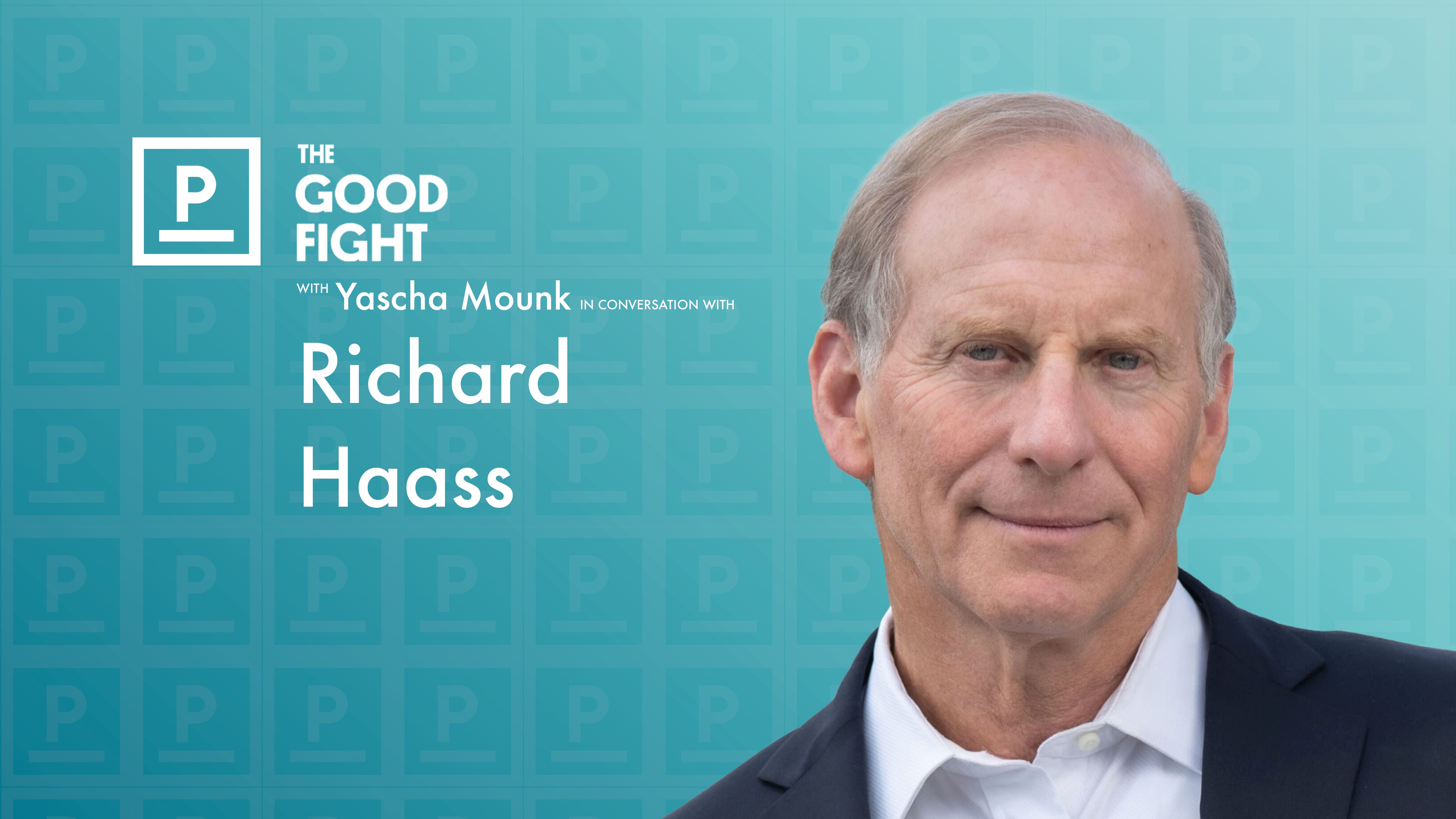
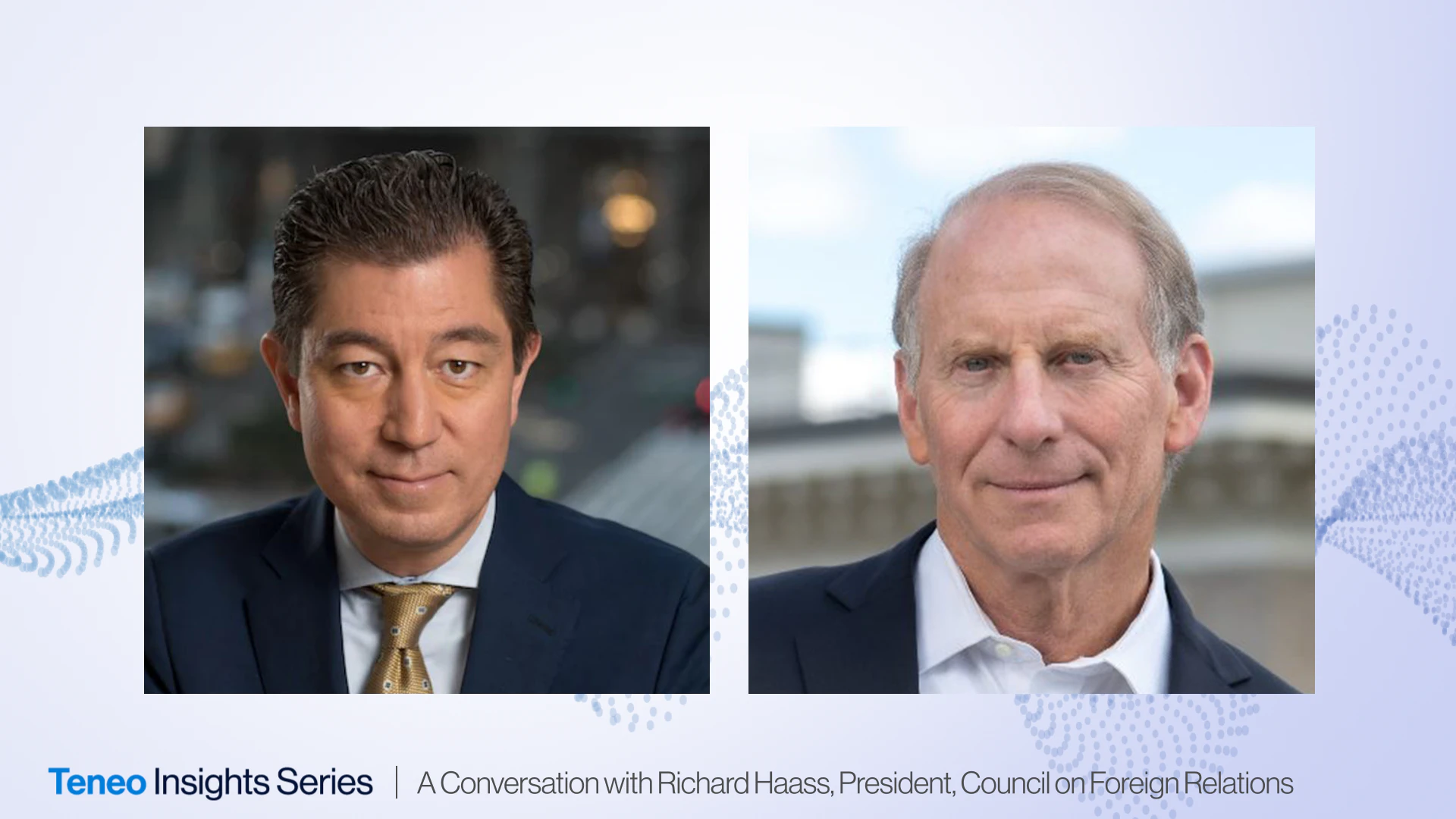
Examining the Professional Assets and Career Earnings Behind Richard Haass Net Worth
Public financial estimates regarding foreign policy experts like Richard Haass typically rely on cumulative career earnings, academic appointments, advisory roles, bestselling book royalties, and think tank leadership salaries rather t...
Public financial estimates regarding foreign policy experts like Richard Haass typically rely on cumulative career earnings, academic appointments, advisory roles, bestselling book royalties, and think tank leadership salaries rather than publicly traded corporate portfolios. While an exact, verified net worth figure for Richard Haass is not publicly disclosed in official financial filings, examining his long-standing tenure as the president of the Council on Foreign Relations, his government service, and his commercial advisory work offers a clear picture of his professional financial standing.
Contents
Understanding the Financial Profile of Public Policy Leaders
Analyzing the financial standing of career diplomats, authors, and think tank executives requires a shift in perspective compared to evaluating corporate chief executive officers or tech entrepreneurs. Individuals in the foreign policy arena accumulate wealth through a diversified portfolio of professional compensation rather than equity stakes in high-growth startups or massive venture capital holdings.
Richard Haass has spent decades operating at the intersection of government service, academia, and international relations. His career spans senior advisory roles in presidential administrations, decades of writing and publishing, leadership at one of the world's most influential think tanks, and regular appearances as a media commentator and corporate consultant. Understanding how these distinct revenue streams intersect provides a realistic framework for evaluating his overall financial profile.
The Think Tank Executive Compensation Model
The cornerstone of Richard Haass's long-term professional earnings comes from his tenure as the president of the Council on Foreign Relations (CFR). He led the organization from July 2003 until June 2023, stepping down after two decades at the helm. Non-profit governance structures require transparency regarding executive compensation, which provides reliable data points for estimating baseline earnings.
According to public tax filings (IRS Form 990) submitted by the Council on Foreign Relations during his tenure, top executive compensation at major independent foreign policy institutions typically ranges between $500,000 and over $1,000,000 annually, depending on organizational endowment size and fundraising success. Over a 20-year leadership period, this primary institutional role alone provided a substantial, steady accumulation of high-bracket professional income, augmented by standard executive benefits and retirement packages.
Career Milestones and Primary Income Streams
To understand the scope of Richard Haass's professional earnings, it is necessary to examine the primary sectors where he has generated income over a multi-decade career. Unlike private sector executives whose wealth fluctuates with market volatility, policy experts derive their financial stability from stable institutional salaries, contracted advisory fees, and intellectual property.
- Government and Diplomatic Service: Positions within the United States Department of State and the National Security Council provide steady civil service or political appointee salaries, though these are modest compared to private sector compensation.
- Think Tank Leadership: Serving as the president of the Council on Foreign Relations for twenty years established his highest-earning institutional salary baseline.
- Literary Royalties and Publishing: Authored and co-authored numerous influential books on foreign policy, international relations, and American governance, generating consistent royalty streams.
- Corporate Advisory and Board Memberships: Provision of geopolitical risk analysis to corporate boards, financial institutions, and consulting firms on a retainer or per-project basis.
- Media Appearances and Public Speaking: Paid keynote speeches, university lectures, and contracted advisory roles with broadcast networks as a foreign policy analyst.
| Professional Sector | Primary Activity | Income Mechanism | Estimated Financial Impact |
|---|---|---|---|
| Think Tank Leadership | Directing CFR operations (2003–2023) | Executive salary, bonuses, benefits | Highest cumulative institutional earnings |
| Government Service | State Department and NSC roles | Federal salary scales (Senior Executive Service) | Moderate baseline earnings, public pension eligibility |
| Publishing | Writing foreign policy books and articles | Advance payments and ongoing royalties | Steady supplementary intellectual property revenue |
| Speaking and Consulting | Keynote addresses and geopolitical analysis | Per-engagement fees and corporate retainers | High-margin short-term professional income |
Government Service and Early Career Compensation
Before his long tenure at the Council on Foreign Relations, Richard Haass built a distinguished career within government and academic institutions. He served as Special Assistant to President George H.W. Bush and Senior Director for Near East and South Asian Affairs on the National Security Council from 1989 to 1993. Earlier in his career, he worked as a special adviser to the Secretary of State and held research positions at prominent academic and policy centers, including Harvard University's Kennedy School of Government and the International Institute for Strategic Studies.
Government salaries during the late 20th century, while respectable, did not yield the multi-million-dollar compensation packages common in modern corporate environments. However, these foundational roles established his reputation as a trusted authority on international affairs. This reputation laid the groundwork for lucrative post-government opportunities in the private consulting and non-profit executive sectors. Furthermore, long-term public service often qualifies individuals for federal retirement benefits, adding a layer of long-term financial security.
Literary Ventures and Publishing Success
An important component of intellectual property monetization for public intellectuals is book publishing. Richard Haass is a prolific author, having written or edited more than a dozen books focusing on American foreign policy, diplomacy, and civic education. Notable titles include The Reluctant Power: The United States and the Middle East, A World in Disarray: American Foreign Policy and the Crisis of the Old Order, Foreign Policy Begins at Home, and The Bill of Obligations: The Ten Habits of Good Citizens.
In the publishing industry, established authors with high public recognition frequently secure upfront advances from major publishing houses, followed by ongoing percentage royalties on hardcover, paperback, digital, and audiobook sales. While academic and policy books rarely match the blockbuster sales figures of commercial fiction, works by prominent public figures frequently achieve bestseller status, particularly when adopted as university curriculum or corporate reading selections. This intellectual property portfolio provides a resilient, passive income stream that continues to generate revenue long after initial publication.
Public Speaking and Corporate Consulting Retainers
For high-profile former diplomats and think tank presidents, public speaking bureaus and private consulting engagements represent a significant source of high-margin income. Corporations, financial institutions, and global trade associations regularly retain geopolitical experts to assess macroeconomic risks, supply chain vulnerabilities, and international regulatory shifts.
Keynote speaking fees for established national security experts and former senior government officials typically range from $10,000 to over $30,000 per engagement, depending on the venue, preparation required, and organizational budget. While Richard Haass maintains a primary focus on academic writing and policy analysis rather than full-time commercial consulting, occasional advisory work and high-level conference participation contribute meaningfully to his overall professional earnings profile.
Frequently Asked Questions
What is Richard Haass's net worth?
There is no publicly verified or officially audited net worth figure for Richard Haass. Financial estimates circulating online are speculative and usually fail to account for personal investments, private real estate holdings, or tax liabilities. His wealth is best understood as the accumulation of a decades-long career as an executive, author, and government advisor.
How long was Richard Haass the president of the Council on Foreign Relations?
Richard Haass served as the president of the Council on Foreign Relations for exactly two decades, from July 2003 until his retirement in June 2023. During this tenure, he oversaw significant institutional growth and maintained one of the highest-profile leadership roles in American foreign policy.
What are Richard Haass's most famous books?
Some of his most widely recognized publications include A World in Disarray (2017), which examines the collapse of the post-Cold War international order, and The Bill of Obligations (2023), which focuses on civic responsibilities required to maintain a functioning democracy.
Did Richard Haass work in the United States government?
Yes. He held multiple government positions, most notably serving as Special Assistant to President George H.W. Bush and Senior Director for Near East and South Asian Affairs on the National Security Council from 1989 to 1993, for which he received the Presidential Citizens Medal.
What is the Council on Foreign Relations?
The Council on Foreign Relations is an independent, nonpartisan membership organization, think tank, and publisher specializing in United States foreign policy and international affairs. Founded in 1921, it is widely considered one of the most influential policy institutions in the world.
Conclusion and Financial Summary
Evaluating the professional standing and financial profile of Richard Haass demonstrates that his assets stem from a lifetime of high-level intellectual labor, institutional leadership, and public service. Rather than accumulating wealth through high-risk speculative investments or private equity ventures, his financial security is rooted in decades of stable executive compensation at the Council on Foreign Relations, federal service pensions, recurring publishing royalties, and professional advisory fees. For readers tracking the economics of think tank leadership and foreign policy scholarship, his career illustrates how sustained expertise in international relations translates into long-term professional stability and distinction.
Image Gallery