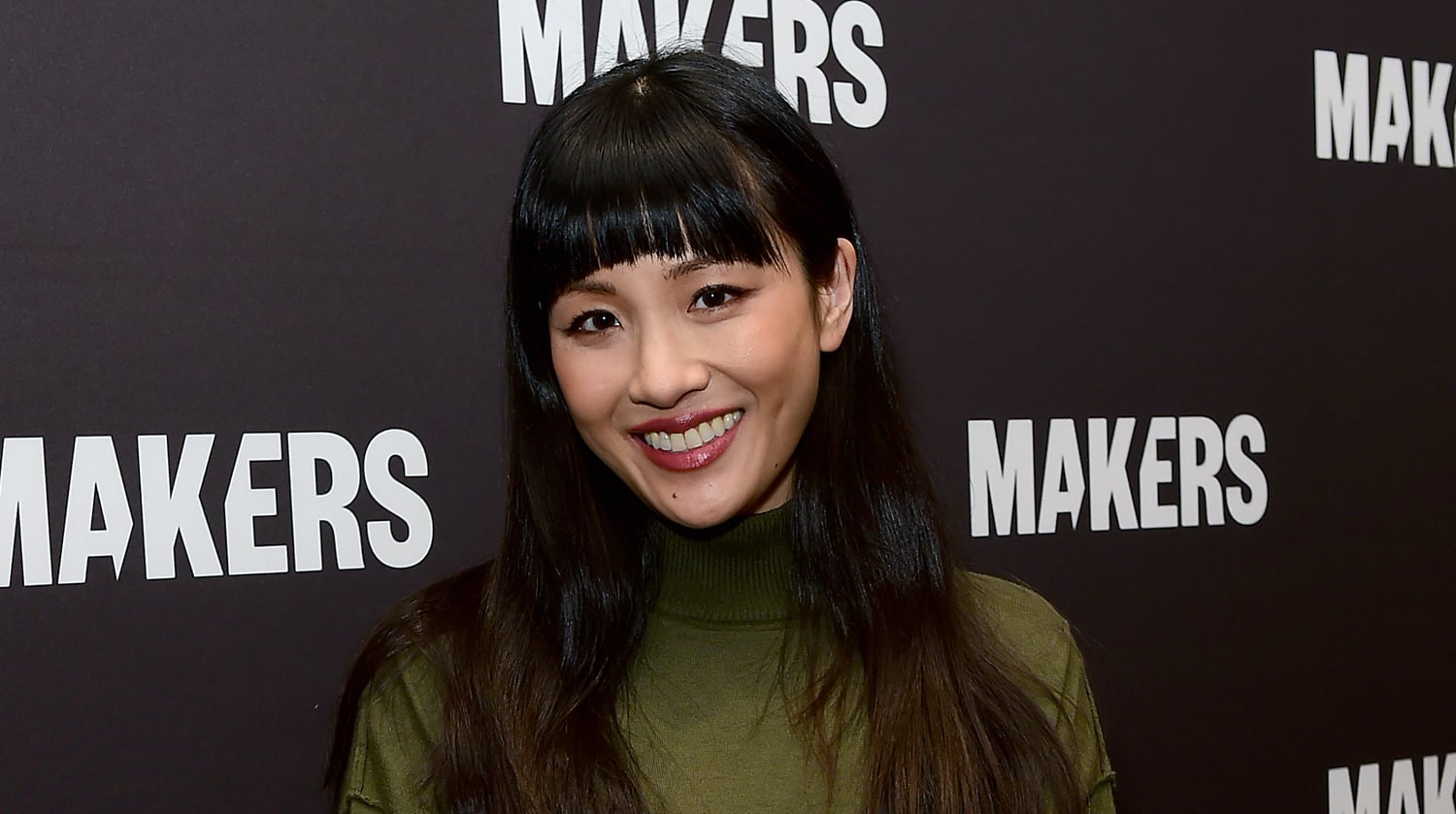
Why Constance Wu Matters in Modern Film: Redefining Representation and Range
Constance Wu is a transformative figure in 21st-century cinema, serving as a catalyst for shifting the industry’s approach to Asian American narratives. By balancing commercial success with a commitment to complex, often defiant charac...
Constance Wu is a transformative figure in 21st-century cinema, serving as a catalyst for shifting the industry’s approach to Asian American narratives. By balancing commercial success with a commitment to complex, often defiant characterizations, she has dismantled long-standing archetypes, forcing Hollywood to reconcile its history of limited casting with the reality of diverse, global audiences.
Contents
The Impact of Breaking Traditional Molds
For decades, the roles afforded to Asian American actresses in mainstream film were frequently relegated to the periphery—defined by submissiveness, exoticism, or narrow comedic tropes. Constance Wu’s trajectory represents a seismic shift away from these systemic limitations. Her prominence, anchored by her breakthrough role as Jessica Huang in Fresh Off the Boat and cemented by her lead performance in the 2018 cultural phenomenon Crazy Rich Asians, demonstrated that audiences across all demographics were eager for stories centered on the lived experiences of the Asian diaspora.
Her significance lies not just in the visibility she achieved, but in the specific nature of that visibility. By consistently portraying characters who possess agency, distinct flaws, and emotional complexity, she helped move the goalposts for what a "leading lady" could look like in a major studio production. She challenged the industry’s "model minority" framing, opting for roles that allowed for vulnerability and internal conflict rather than mere tokenism.
Professional Range and Artistic Integrity
While her mainstream breakout was rooted in romantic comedy, Wu’s career is marked by a deliberate expansion into varied genres, signaling her desire to avoid being typecast. Her performance in the 2019 crime drama Hustlers served as a critical turning point. By portraying a character driven by desperation, ambition, and moral ambiguity, she proved her versatility beyond the lighthearted registers of television comedy.
This professional trajectory illustrates a vital aspect of her influence: the insistence on artistic growth. By choosing scripts that demand high emotional stakes, Wu has demonstrated that equity in representation requires more than just screen time—it requires the same breadth of character development traditionally reserved for a small subset of Hollywood actors.
Cultural Influence and Industry Accountability
Beyond her performances, Wu has influenced modern film through her public advocacy and her willingness to use her platform to challenge industry norms. Her transparency regarding her experiences—ranging from the pressures of fame to the nuances of agency in Hollywood—has contributed to a broader, ongoing dialogue about workplace equity, pay parity, and the mental toll of public life.
In 2026, the industry continues to reflect on the shifts spurred by the mid-2010s. Wu’s presence in major projects forced studios to recognize that authentic representation is not merely a box to be checked for diversity initiatives, but a foundational element of contemporary filmmaking that impacts long-term profitability and cultural relevance.
Analytical Comparison: Evolution of Asian Representation
The following table contextualizes how Wu’s work fits into the broader shift within the entertainment industry over the last two decades.
| Era | Primary Casting Tendency | Narrative Scope | Industry Metric |
|---|---|---|---|
| Early 2000s | Sidekicks or stereotypes | External/Secondary | Minor box office impact |
| 2010–2018 | Transition toward lead roles | Internal/Family-centric | High social media volume |
| 2019–2026 | Diverse, genre-fluid roles | Multidimensional/Complex | Critical and award recognition |
Navigating the Future of Diverse Casting
The "Wu effect" is evident in the current casting landscape, where studios are increasingly greenlighting projects that highlight AAPI (Asian American and Pacific Islander) leads in high-budget productions. However, this progress is not static. The challenge for the industry as of 2026 is maintaining the momentum created by these pioneers.
For aspiring actors and filmmakers, the lessons derived from Wu’s career involve:
- Strategic Role Selection: Choosing projects that offer narrative depth rather than just high visibility.
- Advocacy for Authorship: Supporting the inclusion of diverse creative voices behind the camera to ensure narratives remain authentic.
- Resilience in Public Spaces: Understanding that high-profile representation involves navigating public scrutiny, requiring a balance between public presence and personal boundaries.
Frequently Asked Questions Regarding Her Impact
How did Crazy Rich Asians change the trajectory of Constance Wu’s career? The film acted as a proof-of-concept for the viability of Asian-led romantic comedies in major markets. It transformed her from a television star into a global household name, providing her the leverage to negotiate for more complex, non-stereotypical roles in subsequent film projects.
Why is her work in Hustlers considered a pivotal moment? Hustlers allowed audiences to see her in a role that was morally grey and gritty, far removed from the constraints of the "idealized" character. It established her as a serious dramatic actor capable of carrying a film that focuses on female camaraderie and economic struggle rather than romance.
Does her advocacy work affect her casting opportunities? Yes, but in a nuanced way. While public advocacy can sometimes be met with resistance from risk-averse studio executives, it has also solidified her reputation as a principled actor. In the current 2026 landscape, there is a higher premium on "authentic voices," which has paradoxically made artists who are willing to speak up more valuable to production houses looking to connect with modern audiences.
What is the "Wu effect" in the context of studio investment? The "Wu effect" refers to the shift in executive decision-making where data from films like Crazy Rich Asians showed that movies with diverse, non-white casts could achieve significant global box office numbers. This pushed studios to revise their risk-assessment models regarding casting choices.
How does her career influence current casting standards? It has contributed to an environment where casting directors are under increased pressure to audition a broader range of talent for lead roles. The standard is no longer just about meeting diversity quotas, but about securing talent that can carry a film’s narrative arc across multiple emotional stages.
Practical Next Steps for Industry Observers
To truly understand why Constance Wu remains a focal point in film discourse, observers should look beyond the headlines and examine the specific choices she makes in her upcoming filmography. By analyzing the production companies she partners with and the directors she chooses to work with, one can trace how an established star continues to push for systemic change. For those interested in the industry, tracking her career offers a masterclass in how to leverage stardom to broaden the scope of what is considered "mainstream" in contemporary cinema.
Image Gallery