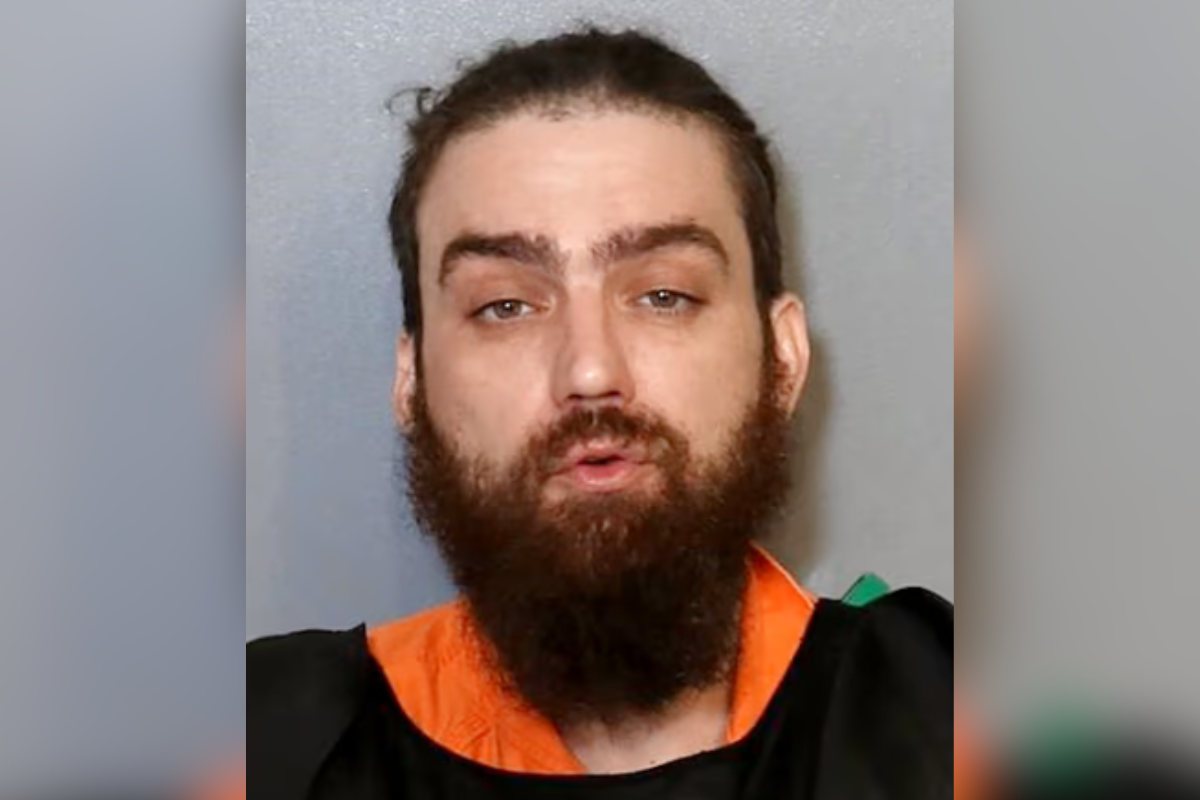
Osceola County Mugshots: Arrest Records, Inmate Lookup, and Florida Privacy Laws
To find mugshots and recent arrest bookings in Osceola County, search the official Osceola County Corrections Department Inmate Database online or access criminal dockets through the Osceola County Clerk of the Circuit Court. Arrest re...
To find mugshots and recent arrest bookings in Osceola County, search the official Osceola County Corrections Department Inmate Database online or access criminal dockets through the Osceola County Clerk of the Circuit Court. Arrest records and booking photographs are public records under Florida law, though specific statutory exemptions protect unconvicted individuals from commercial exploitation.
Contents
Public Record Clarification An arrest record or booking photograph does not establish guilt. Under United States and Florida criminal law, every arrested individual retains the presumption of innocence until proven guilty in a court of law.
Osceola County Arrest Records and the Florida Sunshine Law
In Osceola County, Florida, booking photographs and arrest logs are governed primarily by Chapter 119 of the Florida Statutes, commonly referred to as the Florida Public Records Act or Sunshine Law. This legislation establishes that government records—including arrest sheets, law enforcement dispatch logs, and county jail intake photos—are open to public inspection unless specifically exempted by statute.
When an individual is taken into custody by the Osceola County Sheriff's Office, the Kissimmee Police Department, the St. Cloud Police Department, or state agencies such as the Florida Highway Patrol, they are transported to the Osceola County Jail for intake and booking. During this intake sequence, processing staff collect fingerprint biometrics, record biographical details, catalog personal property, and take digital identification photographs (mugshots).
While transparency remains the default legal standard across the state, Florida has enacted targeted measures to restrict abusive commercial republication. Under Florida Statute Section 901.43, operators of commercial websites that publish booking photos and charge fees for removal are prohibited from demanding payment. Commercial entities that refuse to remove a photo within thirty days of receiving a written request can face civil lawsuits and monetary fines.
Where to Find Official Osceola County Mugshots and Inmate Information
Bypassing third-party "data-broker" directories protects you from inaccurate, out-of-date records and aggressive tracking software. Official government resources maintain the most reliable, legally recognized records for individuals held in Osceola County custody.
1. Osceola County Department of Corrections Inmate Search
The Osceola County Department of Corrections maintains an online inmate search portal for public monitoring. Located at 402 Simpson Road in Kissimmee, Florida, the facility processes all regional arrestees. The online roster typically provides:
- Inmate full legal name and assigned booking number
- Official digital booking photograph
- Date and timestamp of arrest and facility intake
- Full statutory breakdown of all pending charges
- Prescribed bond amount, release conditions, or no-bond hold statuses
- Assigned housing pod or primary custody status
2. Osceola County Clerk of the Circuit Court & County Comptroller
While the corrections portal provides real-time incarceration status, criminal court filings are maintained by the Osceola County Clerk of Court. The Clerk's Court Records search engine lets researchers inspect official charging documents, arrest affidavits (which detail the arresting deputy’s probable cause narrative), court hearing calendars, attorney filings, and final case dispositions.
3. Florida Department of Corrections (FDC) Offender Network
If a defendant has already been sentenced to state prison time or felony probation, their records transition out of Osceola County jurisdiction into state databases. The Florida Department of Corrections Offender Information Network maintains statewide records for active state prisoners, supervised probationers, and historical absconders.
County Jail vs. State Prison vs. Private Aggregators
Locating arrest files requires identifying which administrative tier holds the record. The following table contrasts primary official sources with commercial third-party portals:
| Record Source | Agency Type | Photo Availability | Update Frequency | Cost to Search | Legal Authority / Status |
|---|---|---|---|---|---|
| Osceola County Corrections | County Government Jail | Yes (Active bookings & recent releases) | Near Real-Time (Hourly sync) | Free | Official Primary Custodian |
| Osceola County Clerk of Court | Judicial Branch | Sometimes (In arrest affidavits/evidence) | Continuous (Daily docketing) | Free | Official Legal Custodian |
| FDLE Criminal History | State Law Enforcement | No (Focuses on certified dockets) | Continuous statewide repository | $24 per search | Official State Repository |
| FL Dept. of Corrections | State Prison System | Yes (State-sentenced inmates) | Daily updates | Free | Official State Corrections Custodian |
| Third-Party Aggregators | Private Commercial | Unreliable / Frequently outdated | Irregular crawling cycles | Often charges hidden fees | Commercial / Unofficial |
Step-by-Step Guide: Looking Up an Arrested Individual in Osceola County
Following a structured search process helps you locate an arrestee quickly and determine their bail status or release timeline.
Step 1: Gather Accurate Identifying Data
To run an effective query through the Osceola County booking search system, collect as much verified information as possible:
- Legal first and last name (verify potential hyphenated or legal compound names common in Central Florida)
- Known aliases
- Exact date of birth
- Approximate arrest date or incident timeline
Step 2: Access the Jail Intake System
Navigate to the official portal for the Osceola County Corrections Department. Submit the individual's last name into the inmate directory. If the query returns a broad list, apply filters using the subject's first name or birth year.
Step 3: Review Charges, Bail Amounts, and Booking Number
Once you locate the subject’s file, record the permanent Booking Number. Check the bond schedule listed beside each active charge. If the status indicates "No Bond," the individual must remain in custody until they appear before an Osceola County judge for a formal First Appearance hearing.
Step 4: Verify Upcoming Court Appearances
Cross-reference the subject's name or case number inside the Osceola County Clerk of Court judicial search tool. This step confirms the arraignment date, reveals whether the State Attorney’s Office has filed an official Information (formal charge), and identifies any assigned public defender or private defense counsel.
Understanding First Appearance and the Bond Process
Arrests within Osceola County trigger a mandatory judicial timetable governed by the Florida Rules of Criminal Procedure.
Every newly detained individual must receive a First Appearance hearing within 24 hours of arrest. Held at the Osceola County Courthouse or conducted via video link from the county jail on Simpson Road, this hearing serves three distinct functions:
- Probable Cause Review: The presiding judge reviews the arresting deputy’s sworn affidavit to confirm that adequate probable cause justified the warrantless arrest.
- Legal Representation: The court determines whether the defendant can afford private legal representation or qualifies for court-appointed counsel through the Ninth Judicial Circuit Public Defender's Office.
- Pretrial Release Conditions: The judge decides whether to release the defendant on their own recognizance (ROR), assign supervisory pretrial check-ins, or establish monetary bail based on the county's standard uniform bail schedule and the defendant's criminal history.
If cash bail or a surety bond is granted, collateral or premium payments can be posted directly at the Osceola County Jail bond window or through a licensed Florida bail bondsman.
Florida Law and Removing Mugshots from the Internet
Having a booking photograph displayed online can create severe reputational and professional hurdles, even when charges are dropped, dismissed, or resolved without a conviction. Florida law provides clear mechanisms to control and contest the dissemination of these images.
Commercial Mugshot Removal Mandate (Florida Statute 901.43)
Florida law explicitly prohibits operators of private websites from charging money to remove, correct, or modify booking photographs. Under Florida Statute 901.43, if an individual submits a formal written request via certified mail or designated electronic delivery demanding that a commercial publisher remove their photograph, the site owner must take down the image within 30 calendar days at zero cost.
Failure to comply with this statute carries severe penalties:
- The site operator commits a civil infraction carrying statutory damages.
- Non-compliance allows the affected individual to seek an injunction in civil court.
- The court may award reasonable attorney fees and impose civil penalties of $1,000 per day for ongoing non-compliance.
The Record Sealing and Expungement Process
Removing an image from an online platform does not erase the underlying criminal court record. To completely restrict public access to official arrest data held by law enforcement and the Clerk of Court, individuals must complete the formal sealing or expungement process through the Florida Department of Law Enforcement (FDLE).
Eligibility for expungement or sealing generally requires:
- The target case resulted in a dismissal, an acquittal, a decision not to file charges (nolle prosequi), or a withhold of adjudication for qualifying offenses.
- The applicant has never been adjudicated guilty of any criminal offense in Florida or another jurisdiction.
- The applicant has never previously sealed or expunged a criminal history record in the state of Florida.
Once the FDLE issues a Certificate of Eligibility and an Osceola County judge signs an Order to Expunge or Seal, all official state and local repositories are legally mandated to destroy or restrict the public record.
Frequently Asked Questions
How fast are Osceola County mugshots posted after an arrest?
Booking photos are typically processed and posted to the Osceola County Department of Corrections portal within two to six hours of intake. Delays can occur during high-volume periods, system maintenance, or if an arrestee requires immediate off-site medical evaluation before booking is completed.
Is it legal for third-party websites to publish my Osceola County mugshot?
Yes, publishing arrest records is generally legal because they are public records under Florida's Sunshine Law. However, publishers cannot charge you a fee to remove the photo. Under Florida Statute Section 901.43, commercial publishers must remove your image within 30 days of receiving a written request, without requiring any payment.
Can an employer view my Osceola County arrest record if charges were dropped?
Yes, dropped charges remain visible on standard background checks through court records until the record is officially sealed or expunged. Dismissals show that the case was dropped, but the arrest history and initial booking entry remain accessible through official court dockets unless expunged under Florida Department of Law Enforcement guidelines.
How can I locate an arrestee who was transferred out of Osceola County?
If an inmate is no longer listed on the Osceola County Corrections portal, search the Florida Department of Corrections statewide offender system or the Federal Bureau of Prisons inmate locator. Transfers often occur when an inmate has active detainers, outstanding warrants in neighboring jurisdictions like Orange or Polk County, or has received a state prison sentence.
Does Osceola County charge a fee to search for mugshots online?
No, searching for public booking records on official government websites is completely free. The Osceola County Corrections Department and the Osceola County Clerk of Court do not charge fees for online searches. Avoid commercial websites that demand payment or subscription fees for basic arrest details.
Navigating Osceola County Public Records Responsibly
Understanding how public records work in Central Florida helps you access legitimate government databases while avoiding exploitative private sites. When searching for arrest details, tracking bail status, or reviewing court dockets, rely on primary custodians: the Osceola County Department of Corrections and the Osceola County Clerk of the Circuit Court. If your own records are displayed on commercial websites, use your rights under Florida Statute Section 901.43 to request immediate, fee-free removal, or consult a licensed Florida criminal defense attorney to pursue official record sealing and expungement.
Image Gallery