What Is the Best Brush for Labrador Shedding? Top Solutions for 2026
The best brush for Labrador shedding is a combination of an undercoat rake (such as the FURminator) for deep hair removal and a rubber curry brush (like the Kong ZoomGroom) for daily maintenance. This dual-tool approach effectively man...
The best brush for Labrador shedding is a combination of an undercoat rake (such as the FURminator) for deep hair removal and a rubber curry brush (like the Kong ZoomGroom) for daily maintenance. This dual-tool approach effectively manages the dense Labrador undercoat while stimulating skin oils for a healthy, shiny topcoat.
Contents
Labrador Retrievers are world-renowned for their loyalty, intelligence, and unfortunately for many owners, their prolific shedding. As a double-coated breed, Labradors do not just shed a little bit throughout the year; they "blow" their coats twice annually, resulting in a deluge of hair that can overwhelm standard vacuum cleaners and upholstery. By 2026, grooming technology has refined the way we handle these cycles, focusing on skin health as much as hair removal.
Understanding the Labrador Double Coat Anatomy
To choose the right tool, one must understand what they are trying to remove. Labradors possess a unique "double coat" designed for their historical role as water-retrieval dogs.
- The Topcoat (Guard Hairs): This layer consists of longer, coarser, and slightly oily hairs. Its primary function is to repel water and protect the dog from brambles and environmental debris.
- The Undercoat: This is a dense, soft, downy layer that provides insulation against both cold and heat.
Shedding occurs when the hairs in these layers reach the end of their growth cycle (the telogen phase). While the topcoat sheds moderately year-round, the undercoat is what truly creates the "shedding storms." During seasonal transitions, typically in spring and autumn, the dog sheds the entire undercoat to make way for a new layer suited to the upcoming temperature. Failure to remove this dead hair results in matting, skin irritation, and an accumulation of dander throughout the home.
Top-Rated Brushes for Labradors in 2026
Effective grooming for a Labrador requires a multi-stage approach. No single tool can efficiently handle both the coarse topcoat and the fine, dense undercoat without either missing hair or potentially irritating the skin.
1. Undercoat Deshedding Tools (The Heavy Lifters)
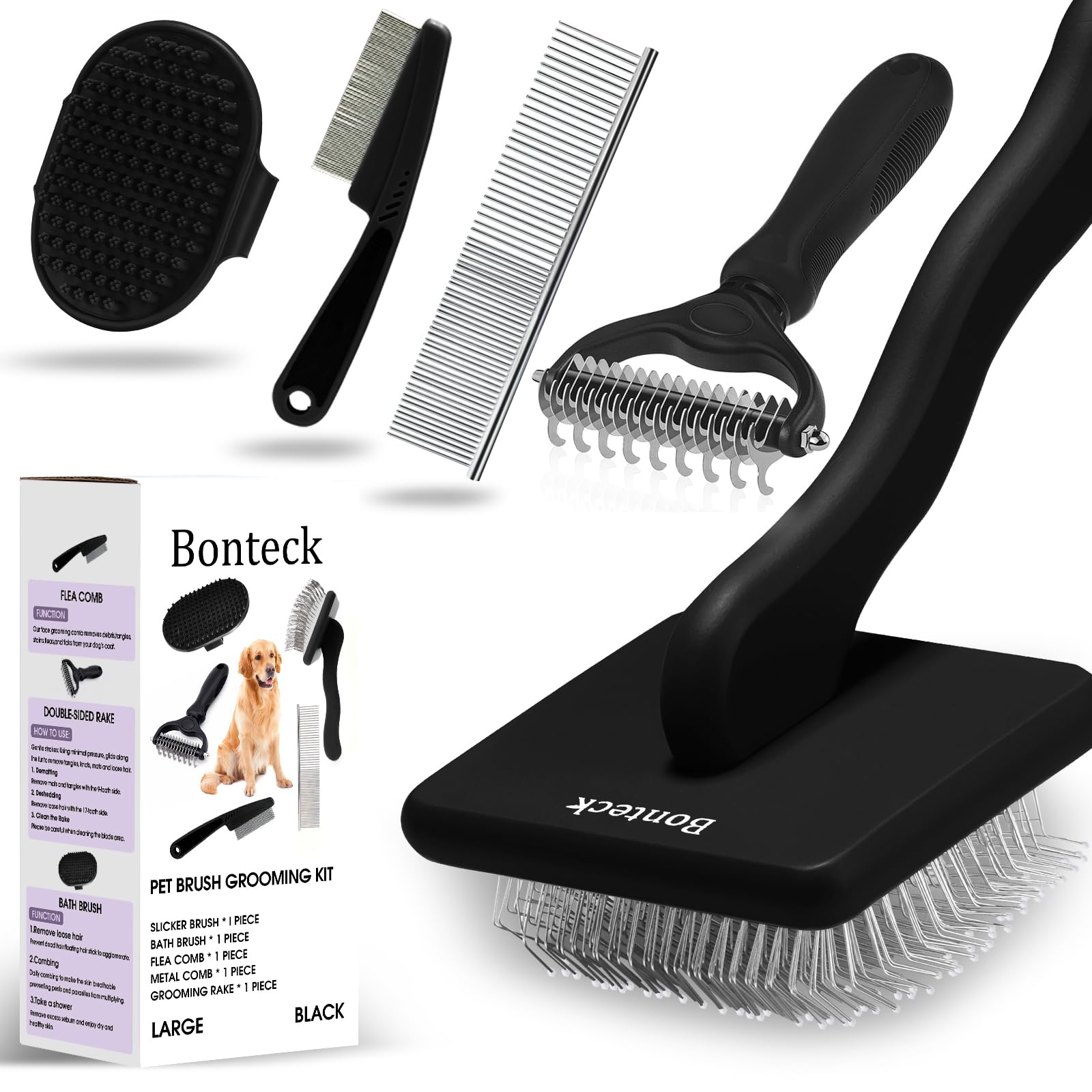
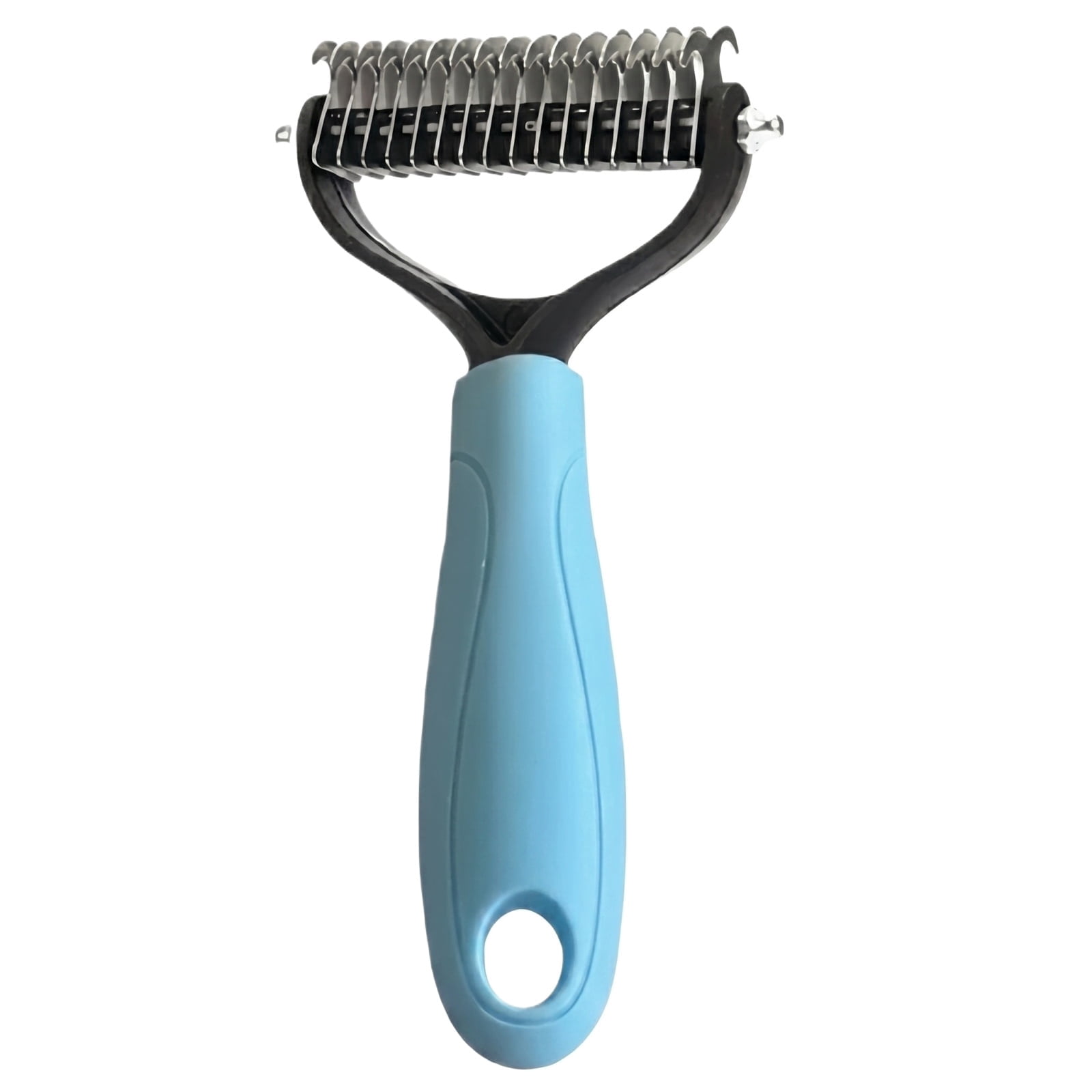
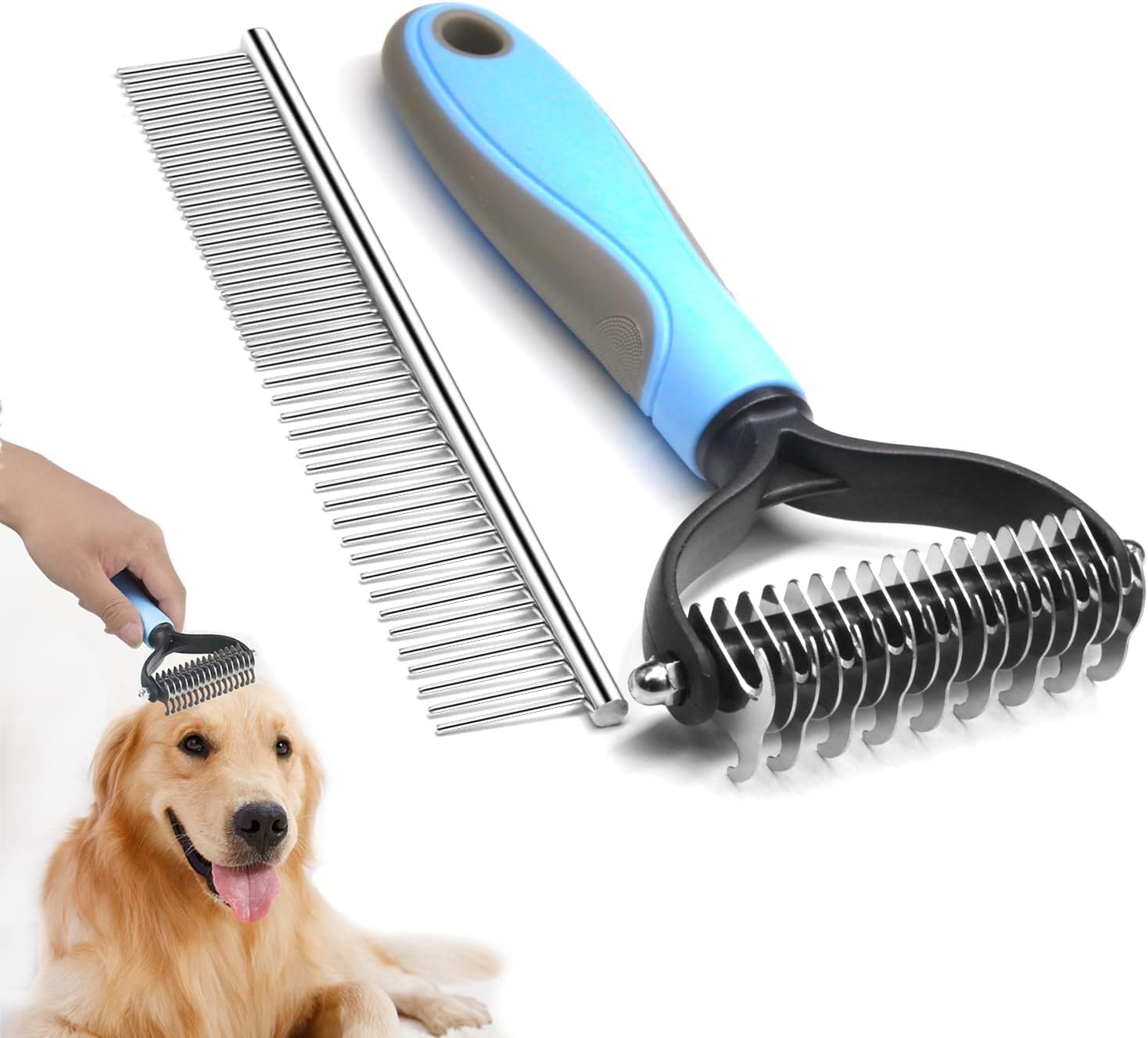
The FURminator Undercoat Deshedding Tool remains the gold standard in 2026 for managing the bulk of Labrador shedding. This tool features a stainless steel edge that reaches through the topcoat to safely and easily remove loose undercoat hair without cutting the skin or damaging the guard hairs.
- Best For: Weekly deep grooming and peak shedding seasons.
- Why It Works: The specialized teeth are spaced precisely to grab the fine undercoat fibers while sliding past the thicker guard hairs.
- Pro Tip: Only use this on a completely dry coat. Wet hair is more elastic and prone to breakage, and using a bladed tool on wet skin increases the risk of "brush burn."
2. Rubber Curry Brushes (The Daily Essential)
Tools like the Kong ZoomGroom are indispensable for Labrador owners. Unlike metal-toothed brushes, these are made of soft, flexible rubber.
- Best For: Daily maintenance, sensitive areas (belly and legs), and bath time.
- Why It Works: The rubber "fingers" act like a magnet for loose hair and dander. As you move the brush in a circular motion, it massages the skin, stimulating the sebaceous glands. These glands produce the natural oils that give a Labrador its signature waterproof sheen.
- Bath Use: Using a curry brush while shampooing helps the soap reach the skin and facilitates the removal of massive amounts of hair that would otherwise clog your drain.
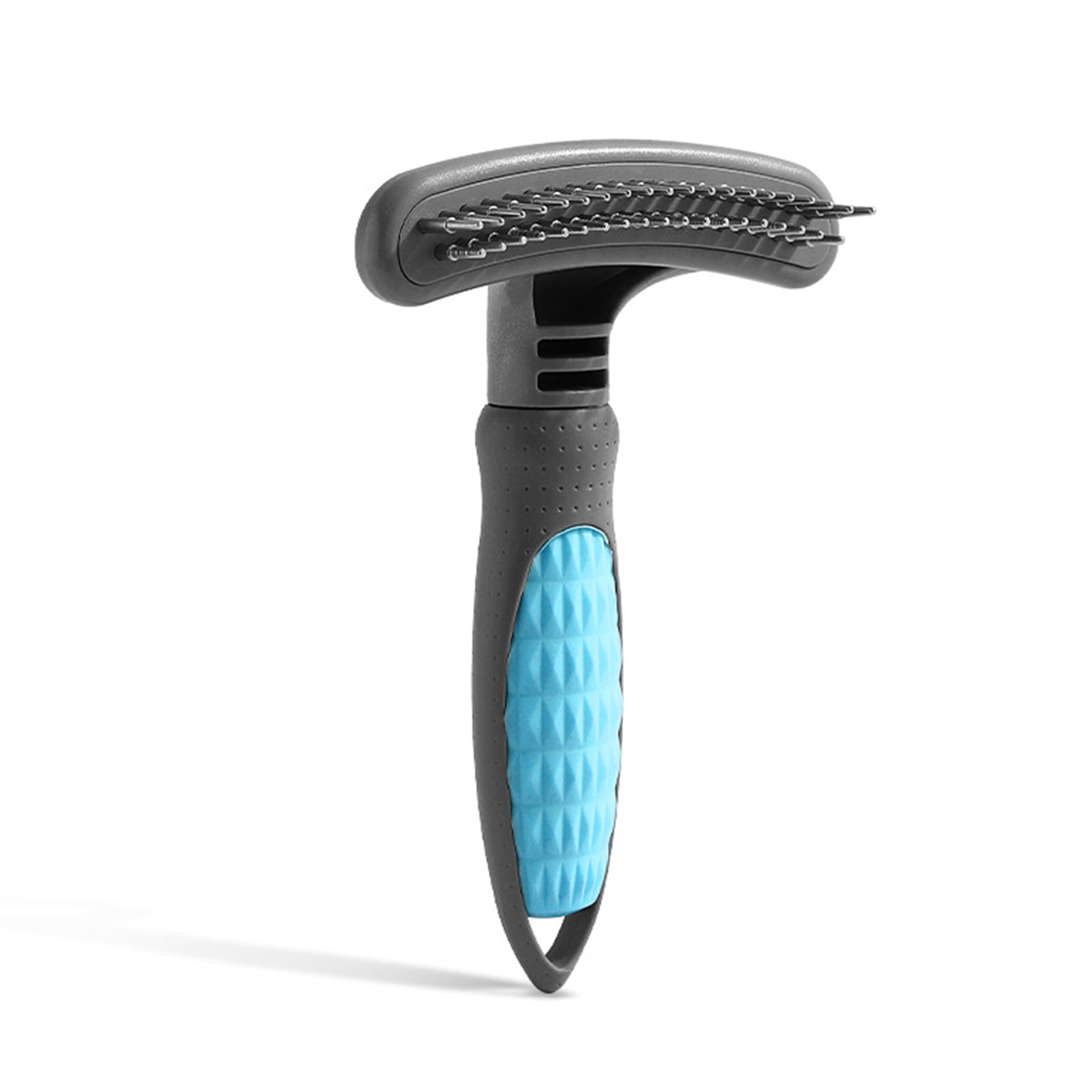
3. Professional Slicker Brushes
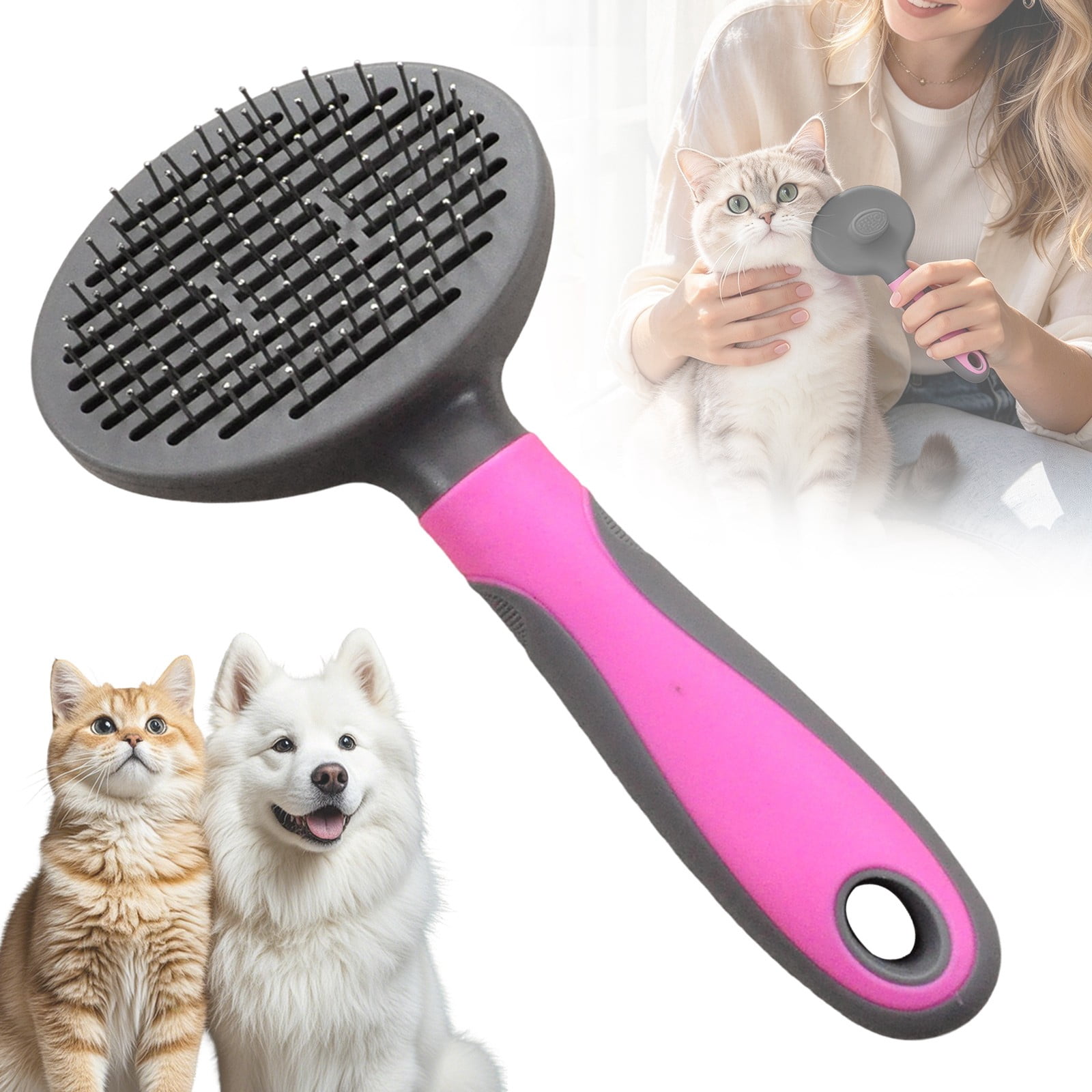
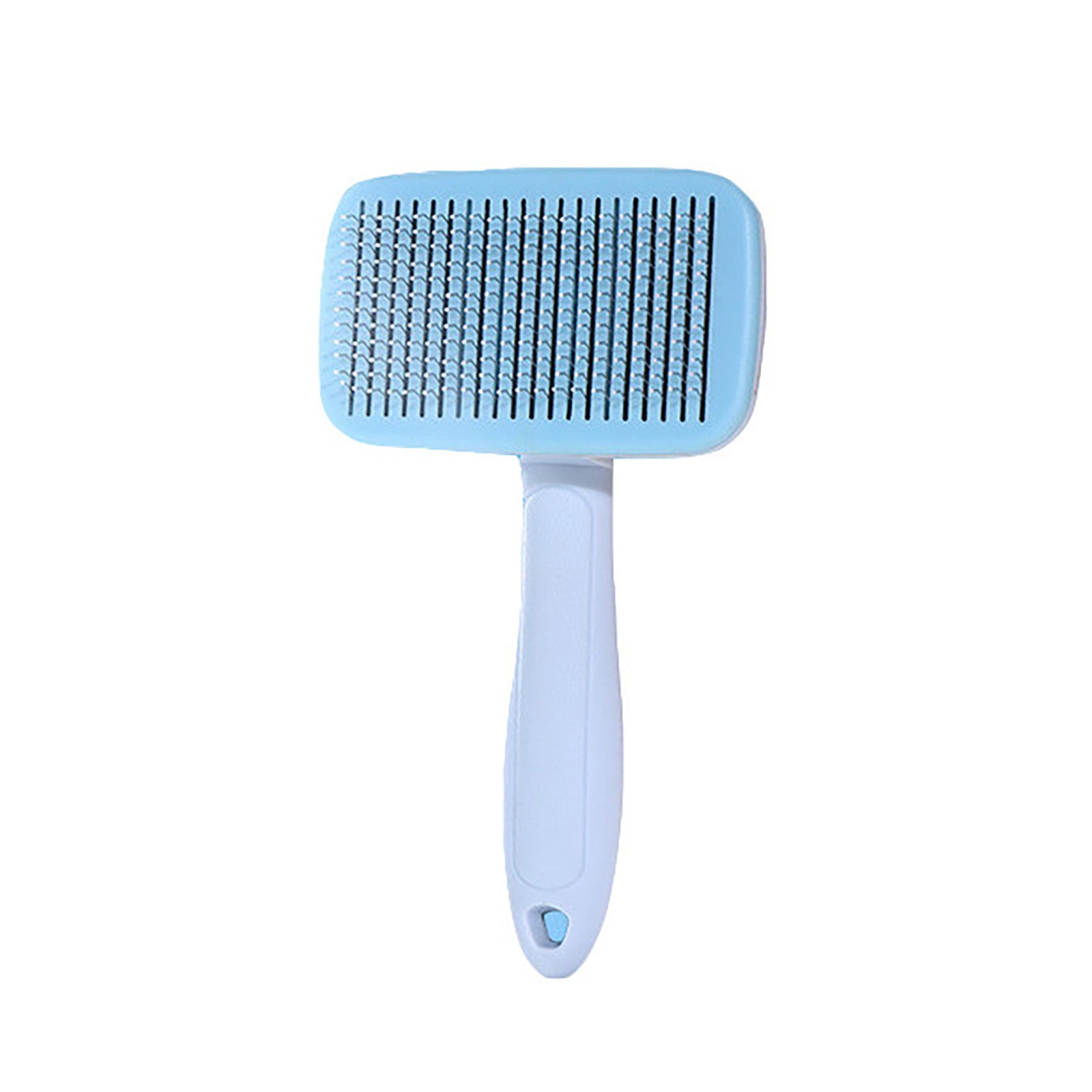
For the finishing touch, a high-quality slicker brush—such as the Hertzko Self-Cleaning Slicker—is highly effective. It uses fine, bent wire bristles to grab loose hair from the surface of the coat.
- Best For: Smoothing the coat and removing surface debris after a long walk.
- Why It Works: The density of the wire pins allows the brush to catch the very fine "fuzz" that undercoat rakes might miss. The self-cleaning mechanism (where the pins retract at the press of a button) is a vital feature for 2026, as it prevents the buildup of dander and allergens in the brush itself.
Comparison of Labrador Grooming Tools
| Tool Type | Primary Function | Ideal Frequency | Skin Safety Rating |
|---|---|---|---|
| Undercoat Rake | Deep deshedding of the downy undercoat | 1–2 times per week | Moderate (use light pressure) |
| Rubber Curry Brush | Skin massage and surface hair removal | Daily | High (very gentle) |
| Slicker Brush | Removing surface debris and finishing | 2–3 times per week | High (if pins are tipped) |
| Bristle Brush | Distributing oils for shine | Daily | High |
| SleekEZ / Blade | Stripping dead hair from the surface | Weekly | Moderate |
The Correct Technique for Deshedding a Labrador
Simply having the best brush is not enough; the technique determines how much hair stays off your furniture. Labradors have sensitive skin despite their rugged appearance, and improper brushing can lead to "brush burn" or folliculitis.
The "Sifting" Method
Instead of long, sweeping strokes from head to tail, use short, controlled strokes. This is especially important when using an undercoat rake. Focus on one 6-inch section at a time. If the brush meets resistance, do not pull. Instead, gently work the tool through the area to tease out the dead hair.
Directional Brushing
Always brush in the direction of hair growth. For a Labrador, this generally means moving from the neck toward the tail and down the legs. However, when using a rubber curry brush, circular motions are more effective at loosening the undercoat before you "sweep" it away with a slicker brush.
Key Areas to Focus On
Labradors tend to shed most heavily in the following areas:
- The "Ruff" (Neck): The hair is thickest here to protect the throat.
- The "Britches" (Rear Thighs): This area holds a massive amount of undercoat.
- The Tail: Often overlooked, the "otter tail" of a Labrador requires gentle grooming to prevent build-up.
Environmental and Nutritional Factors in Shedding
While brushing is the primary defense, shedding is a biological process influenced by internal health. According to research from VCA Animal Hospitals, nutrition plays a critical role in hair follicle strength.
Omega-3 and Omega-6 Fatty Acids
If a Labrador's skin is dry, the hair follicles become brittle, leading to excessive breakage and "false" shedding. Supplements containing fish oil or flaxseed oil can strengthen the hair shaft. By 2026, many high-quality Labrador-specific diets already include optimized levels of these fatty acids to minimize non-seasonal shedding.
Hydration
A dehydrated dog will have tighter, less elastic skin, which can cause hair to drop prematurely. Ensure your Labrador has constant access to fresh water, particularly during the hot summer months when they are most likely to blow their coat.
The Role of Stress
Stress-induced shedding is a real phenomenon in Labradors. Changes in the household, boarding, or anxiety can lead to a sudden increase in hair loss. If you notice "clump" shedding outside of the normal spring/fall windows, consider if there have been any environmental stressors.
Common Grooming Mistakes to Avoid
- Shaving the Coat: This is the most significant mistake an owner can make. Shaving a double-coated dog destroys their natural thermoregulation system. The undercoat often grows back faster than the topcoat, leading to a "fuzzy" appearance that traps heat and moisture, making the dog more prone to heatstroke and skin infections.
- Over-Brushing with Metal Tools: It is easy to get "addicted" to the amount of hair a FURminator removes. However, using it for too long in one spot can scrape the skin and cause painful sores. Limit deep deshedding sessions to 10-15 minutes.
- Ignoring the Ears and Paws: While most shedding happens on the torso, the soft hair behind the ears and the tufts between the toes can mat if ignored. Use a small slicker brush for these delicate areas.
Supplemental Tools for 2026
In addition to brushes, several other technologies assist in the war against Labrador hair:
- High-Velocity Dryers: Often used by professional groomers, these dryers use a powerful stream of air to "blast" loose undercoat hair out before you even pick up a brush. Using one after a bath can reduce home shedding by up to 50%.
- Deshedding Shampoos: These products contain surfactants that help loosen the undercoat during the wash cycle. Look for formulas containing aloe vera or vitamin E to soothe the skin.
- Grooming Gloves: For dogs that are fearful of traditional brushes, grooming gloves provide a way to remove hair through petting. While less effective than a rake, they are excellent for building trust with puppies.
When to Consult a Veterinarian
While shedding is normal, certain patterns indicate underlying health issues. If you observe any of the following, schedule a visit with your veterinarian:
- Symmetrical bald patches.
- Red, inflamed, or oozing skin.
- Excessive licking or biting at specific areas.
- A foul odor coming from the skin (not just "dog smell").
- Thinning coat accompanied by weight gain or lethargy, which could indicate hypothyroidism.
Frequently Asked Questions
How often should I brush my Labrador to stop shedding?
You cannot stop a Labrador from shedding, but you can control where the hair goes. During peak shedding seasons (Spring and Fall), daily brushing is recommended. During the rest of the year, a thorough session twice a week is usually sufficient to keep the undercoat under control and your home relatively hair-free.
Can I use a human brush on my Labrador?
Human brushes are designed for single-layered hair and are largely ineffective for a Labrador's double coat. They generally lack the bristle strength to penetrate the undercoat and may actually cause static electricity, which makes the hair cling even more tightly to the dog's skin.
Does a Labrador shed more as they get older?
Senior Labradors may appear to shed more due to changes in metabolism and skin elasticity. Older dogs also tend to groom themselves less frequently. In 2026, many senior-specific grooming tools focus on softer bristles to accommodate thinning skin while still addressing the dense undercoat.
Is there a "shed-free" Labrador?
No. While some breeders claim to produce "low-shedding" Labs, the double coat is a fundamental trait of the breed. Crossbreeds like Labradoodles may shed less, but their coats require significantly more professional maintenance to prevent severe matting.
Should I brush my Labrador before or after a bath?
You should do both. Brushing before a bath removes the "bulk" of loose hair, allowing the water and shampoo to penetrate the coat. Brushing after the coat is fully dry (or using a high-velocity dryer) removes the hair that was loosened by the water and scrubbing action.
Final Recommendation
To manage Labrador shedding effectively in 2026, invest in a high-quality undercoat rake for weekly sessions and a rubber curry brush for daily use. Start grooming your Labrador as a puppy to acclimate them to the sensation, and always pair grooming with positive reinforcement. Consistent maintenance not only keeps your home cleaner but also provides an essential opportunity to check your dog for lumps, bumps, or parasites, ensuring their long-term health and comfort.
Image Gallery