Comprehensive Guide to Miami Executive Airport (TMB): Operations, Facilities, and Pilot Information for 2026
Miami Executive Airport (TMB) serves as one of the busiest general aviation facilities in Florida, providing a high-capacity alternative to Miami International Airport (MIA) for corporate travelers, private pilots, and flight training...
Miami Executive Airport (TMB) serves as one of the busiest general aviation facilities in Florida, providing a high-capacity alternative to Miami International Airport (MIA) for corporate travelers, private pilots, and flight training operations. Located 13 miles southwest of Miami's central business district, TMB offers a strategic gateway to South Florida, the Caribbean, and Latin America with 24-hour availability and comprehensive support services.
Contents
The Strategic Importance of Miami Executive Airport
As of 2026, Miami Executive Airport continues to solidify its role as a vital economic engine for Miami-Dade County. Formerly known as Kendall-Tamiami Executive Airport, the facility underwent a rebranding to better reflect its status as a premier destination for business aviation. Unlike the congested runways of Miami International (MIA), TMB is designed specifically for general aviation (GA). This specialization allows for faster taxi times, lower landing fees, and a more streamlined experience for executive passengers who value time and privacy.
The airport is designated as a "reliever airport" by the Federal Aviation Administration (FAA). This means it is equipped to handle the overflow of smaller aircraft traffic that would otherwise complicate the arrival and departure flows of commercial airliners at MIA. For the regional economy, TMB supports thousands of jobs and houses numerous aerospace companies, flight schools, and government agencies, including the Miami-Dade Police and Fire-Rescue aviation units, as well as the U.S. Customs and Border Protection (CBP) Air and Marine Operations.
For corporate flight departments, TMB’s location in the Kendall area provides rapid access to the South Dade business corridor, the Florida Keys, and the upscale residential neighborhoods of Coral Gables and Pinecrest. The ease of access via the Florida Turnpike and the Don Shula Expressway makes it a logistical favorite for domestic and international visitors alike.
Technical Infrastructure and Runway Specifications
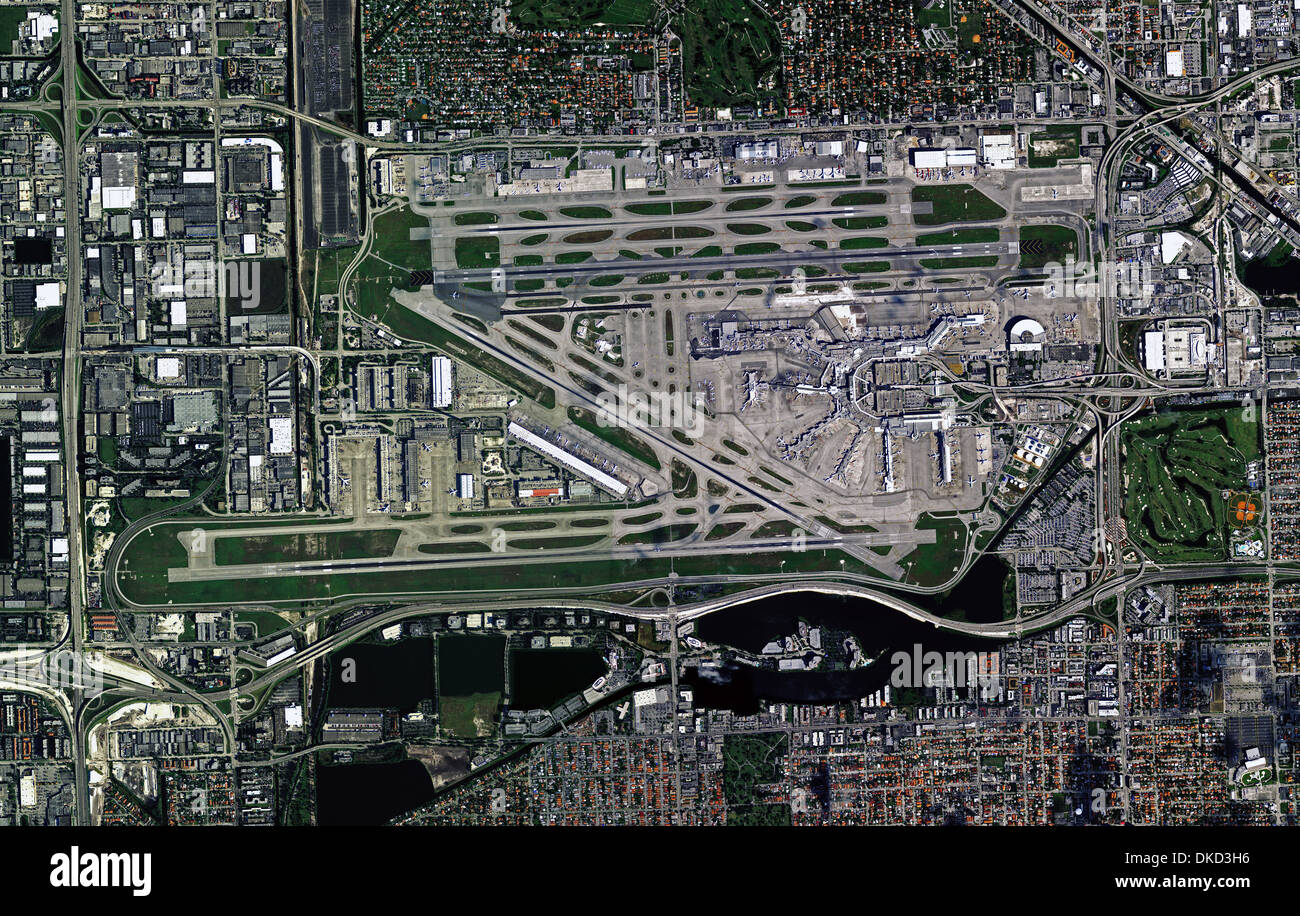
The operational capability of Miami Executive Airport is defined by its three-runway configuration, which allows for versatile operations regardless of wind direction. The infrastructure is maintained to high standards to accommodate everything from light sport aircraft to heavy long-range business jets such as the Gulfstream G650 or Global 7500.
Runway Layout and Dimensions
The primary runways are oriented east-west, providing optimal alignment with the prevailing Caribbean trade winds.
- Runway 9R/27L: This is the primary instrument runway, measuring 5,999 feet in length and 150 feet in width. It is equipped with advanced lighting systems to support operations in low-visibility conditions.
- Runway 9L/27R: Measuring 5,002 feet by 150 feet, this runway serves as a vital secondary strip, frequently used for smaller jets and high-performance turboprops.
- Runway 13/31: At 4,001 feet by 150 feet, this crosswind runway is essential for maintaining safety during shifts in weather patterns or during the passage of cold fronts.
Navigation and Communication
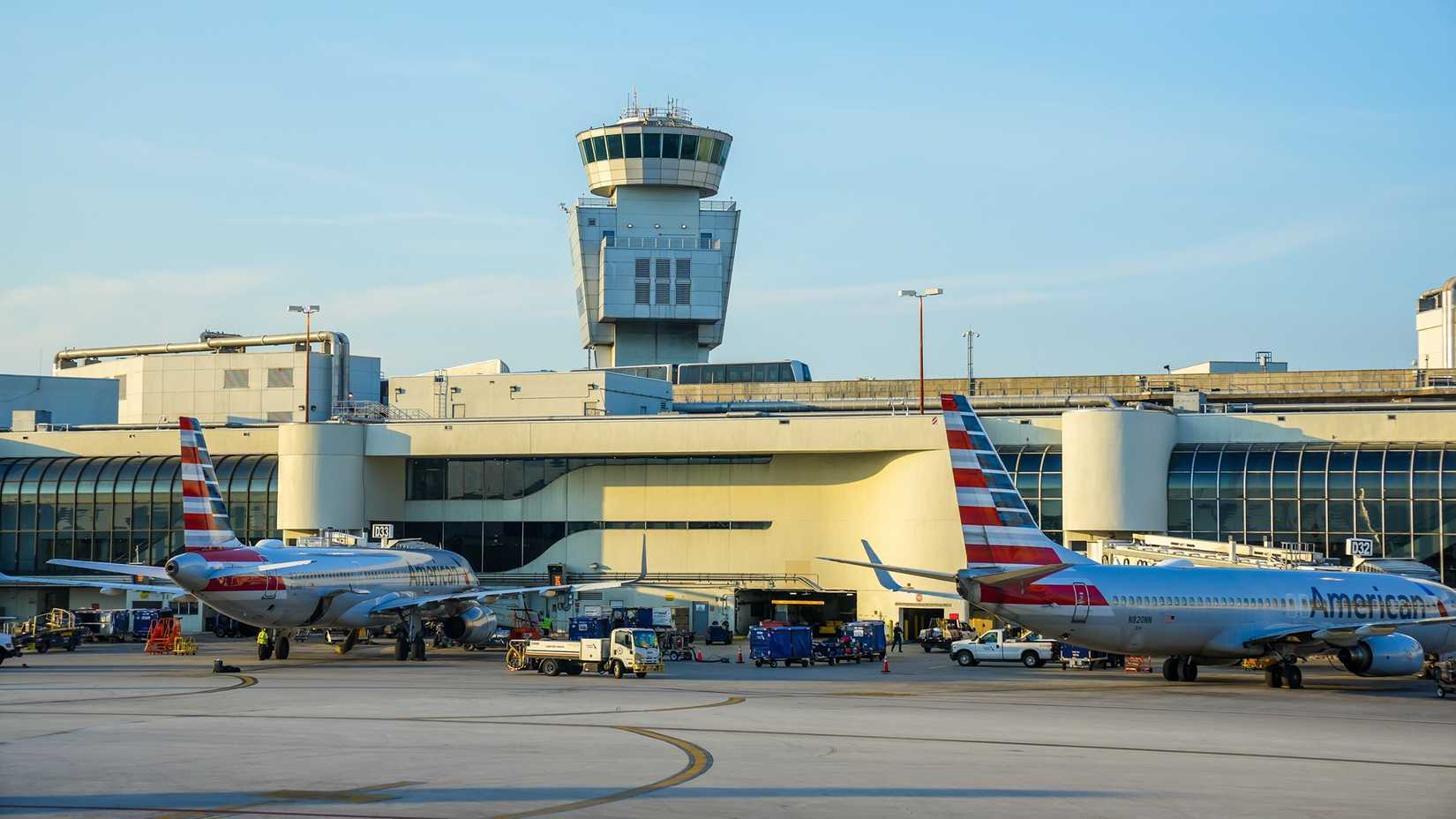
TMB is a controlled airport, operating under the jurisdiction of the FAA Air Traffic Control Tower (ATCT). The tower generally operates from 7:00 AM to 11:00 PM local time, though the airport remains open for arrivals and departures 24/7. When the tower is closed, pilots utilize a Common Traffic Advisory Frequency (CTAF) to coordinate movements.
Navigational aids are robust. The airport features an Instrument Landing System (ILS) for Runway 9R, along with RNAV (GPS) approaches for all primary runway ends. This ensures that even during South Florida's frequent summer afternoon thunderstorms or morning fog, the airport maintains a high level of operational reliability. The presence of an Automated Surface Observing System (ASOS) provides pilots with real-time weather data, which is critical for flight planning and safety.
Fixed Base Operators (FBOs) and Ground Services
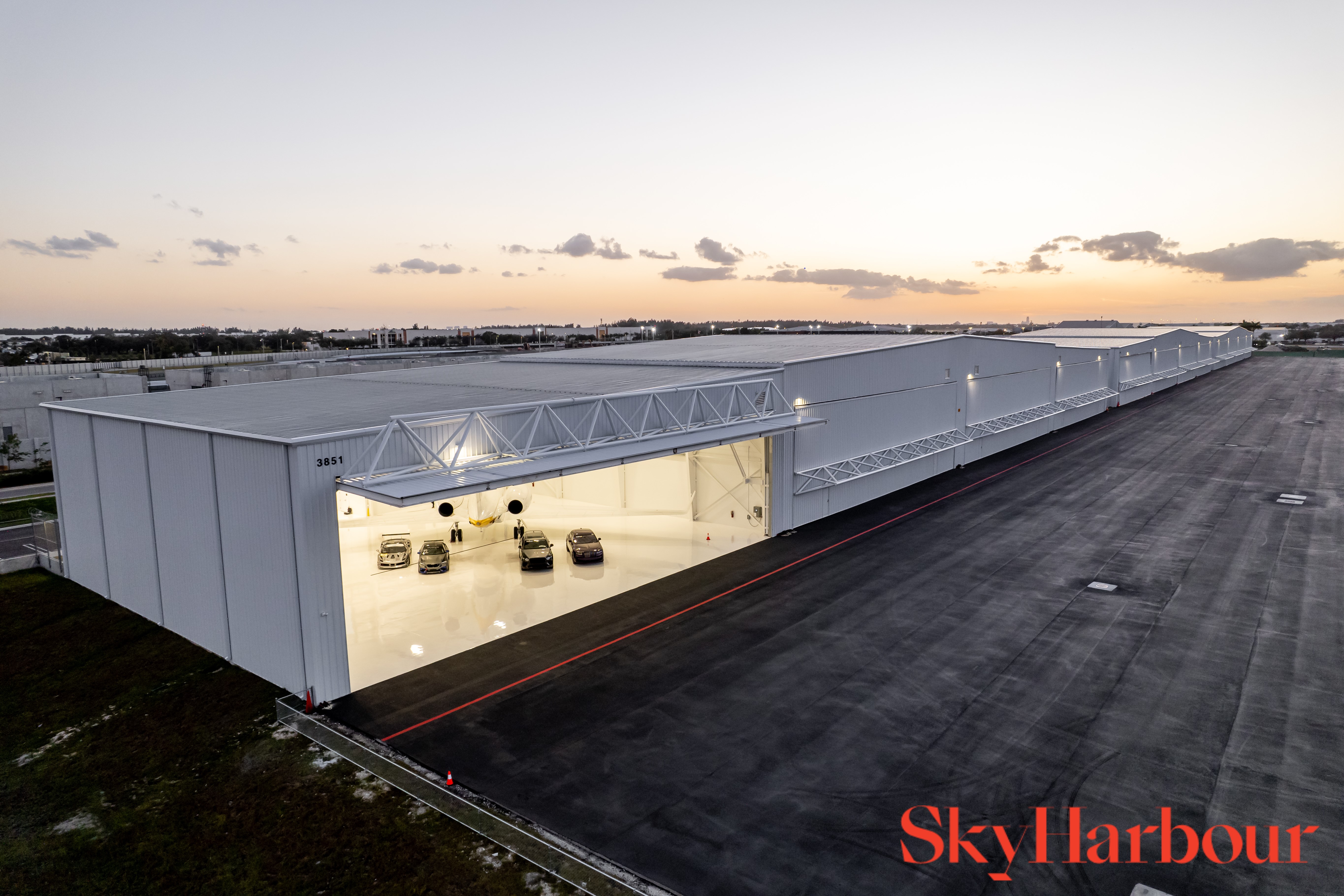
One of the defining features of Miami Executive Airport is the quality of its Fixed Base Operators. These private facilities provide the necessary interface between the aircraft and the ground, offering fuel, hangar space, and concierge services.
Signature Flight Support
Signature Flight Support operates a significant presence at TMB, offering high-end amenities tailored to corporate executives. Their facility includes a private passenger terminal, snooze rooms for pilots, a flight planning center, and executive conference rooms. Signature provides both Jet A and 100LL Avgas, and their ground handling team is trained to manage large-category business aircraft.
Atlantic Aviation
Atlantic Aviation is another major player at TMB, known for its focus on customer service and operational efficiency. They offer extensive ramp space and large hangars for long-term and transient storage. Like Signature, Atlantic provides full-service fueling and specialized ground power units (GPUs) for aircraft pre-flight preparation. Their facility often serves as a primary hub for international arrivals due to its proximity to the CBP processing center.
Maintenance and Specialized Support
Beyond the FBOs, TMB is home to numerous Part 145 repair stations. These facilities provide critical maintenance, repair, and overhaul (MRO) services. Whether an aircraft requires an emergency AOG (Aircraft on Ground) repair or a scheduled annual inspection, the technical expertise available on-field is comprehensive. Specialized services include avionics upgrades, interior refurbishments, and engine specialized maintenance for major manufacturers like Pratt & Whitney and Honeywell.
International Arrivals and U.S. Customs
Miami Executive Airport is an international Port of Entry. This is a crucial feature for business travelers coming from the Bahamas, the Caribbean, or Central and South America. The U.S. Customs and Border Protection facility at TMB is equipped to process passengers and crew with efficiency.
As of 2026, customs services are generally available daily from 11:00 AM to 7:00 PM. However, it is important for operators to verify current hours and requirements through the Official Miami-Dade Aviation Department website. For arrivals outside of standard hours, pilots may be able to arrange for after-hours clearance through the Reimbursable Services Program, which requires advance notice and additional fees.
The clearance process at TMB is significantly faster than at larger commercial hubs. Passengers typically clear customs and are in their ground transportation within minutes of landing. This efficiency is a primary driver for international business flight volume at the airport.
Comparative Overview of Airport Specifications
The following table provides a technical snapshot of the airport's primary features as of 2026.
| Feature | Specification | Notes |
|---|---|---|
| FAA Identifier | TMB | Also known as KTMB |
| Elevation | 10 Feet MSL | Typical for South Florida coastal plains |
| Longest Runway | 5,999 ft (9R/27L) | Suitable for mid-to-large business jets |
| Control Tower | Yes (07:00 - 23:00) | Times subject to FAA staffing |
| Fuel Types | 100LL, Jet-A | Available from multiple FBOs |
| Customs | Yes (User Fee/Port of Entry) | Advance notification required for international |
| FBOs | Signature, Atlantic, etc. | Multiple private providers available |
| Maintenance | Full Part 145 MRO | Extensive airframe and powerplant support |
Flight Training and Educational Impact
Miami Executive Airport is one of the most prominent hubs for flight training in the United States. The consistent weather and sophisticated airspace make it an ideal environment for student pilots to gain experience. Several world-renowned flight academies are based here, training the next generation of airline pilots for carriers across the globe.
These schools range from small, specialized boutiques focused on private pilot certificates to large, institutional programs that operate fleets of dozens of aircraft. The presence of these schools contributes to a high volume of traffic, particularly in the "touch-and-go" patterns of Runway 9L/27R. While this makes the airspace busy, the professional air traffic control team at TMB is highly experienced in managing the mix of student pilots and high-speed corporate jets.
For those interested in pursuing an aviation career, the FAA's pilot certification portal provides the regulatory framework that all TMB-based schools follow. The integration of training and business aviation creates a unique ecosystem where students are exposed to professional flight operations from their first day of lessons.
Environmental Stewardship and Noise Abatement
Operating an airport in a densely populated area like Kendall requires a commitment to community relations. The Miami-Dade Aviation Department (MDAD) has implemented strict noise abatement procedures to minimize the impact of aircraft operations on surrounding neighborhoods.
Pilots are encouraged to follow specific departure and arrival corridors that avoid noise-sensitive areas whenever safety permits. Nighttime operations are particularly scrutinized, and the airport administration works closely with local community boards to ensure transparency. In 2026, TMB continues to utilize noise-monitoring technology to track compliance and adjust procedures as necessary. These efforts are part of a broader sustainability initiative by MDAD to balance the economic benefits of the airport with the quality of life for Miami-Dade residents.
Frequently Asked Questions
What are the landing fees for private aircraft at TMB?
Landing fees at Miami Executive Airport are generally based on the maximum takeoff weight (MTOW) of the aircraft. For light GA aircraft, these fees are often waived or significantly reduced if fuel is purchased from one of the FBOs. Corporate jets will encounter higher fees, which are used to maintain airport infrastructure. It is recommended to check with your chosen FBO for the most current fee schedule.
Can I clear U.S. Customs at TMB if I am arriving from the Bahamas?
Yes, Miami Executive is a designated Port of Entry. Pilots must file an e-APIS manifest and provide at least one hour's notice (though more is recommended) to the CBP office. Ensure you check the latest CBP arrival requirements to ensure all documentation, including decals and passenger manifests, is in order before departure.
Is hangar space readily available for transient aircraft?
Hangar space at TMB is in high demand. While the major FBOs like Atlantic and Signature have large facilities, it is highly recommended to make a reservation well in advance, especially during the peak winter season or major events like Art Basel or the Miami Grand Prix. Outdoor ramp tie-downs are more readily available if hangar space is fully booked.
Are there transportation options into downtown Miami?
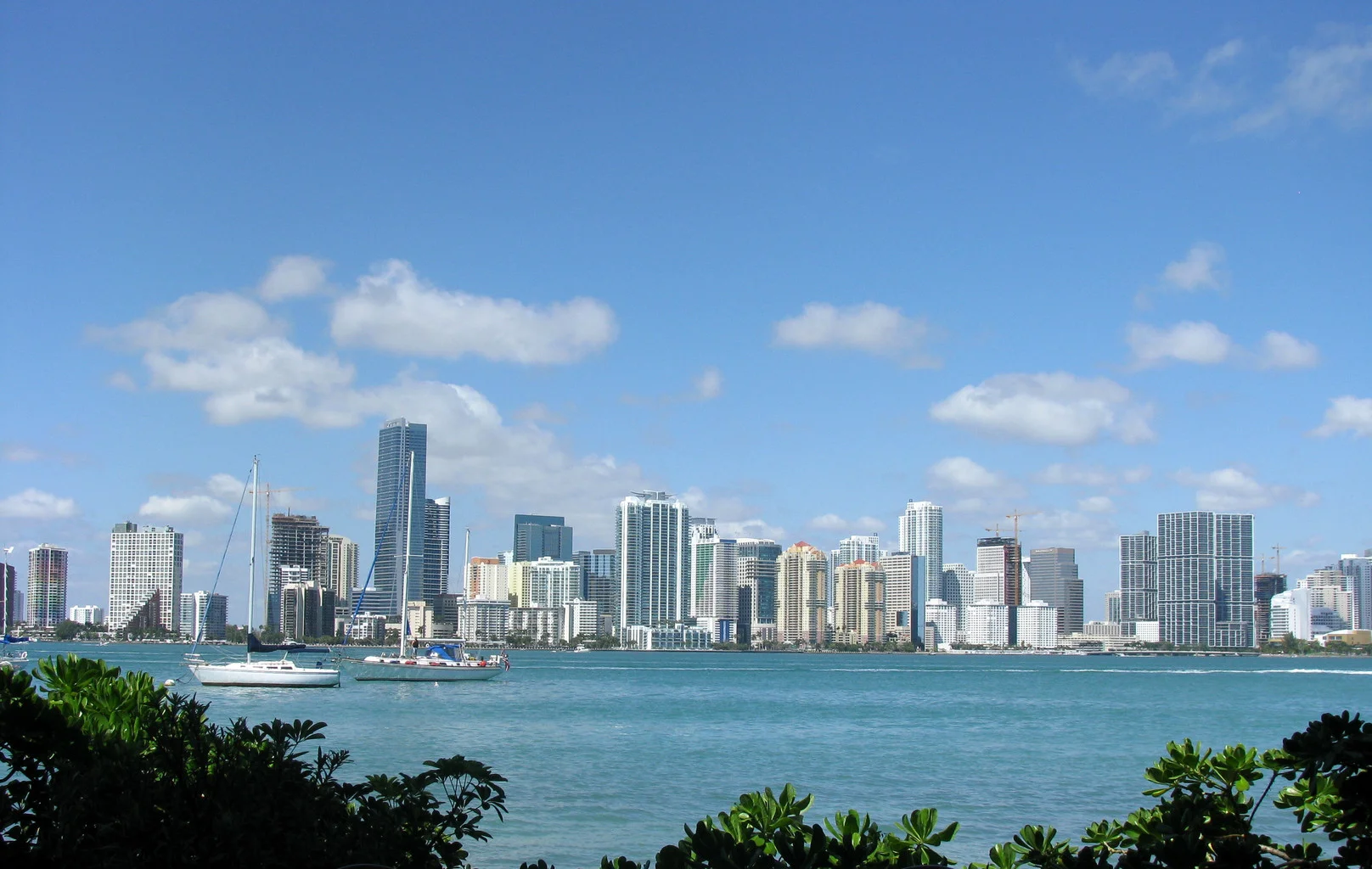
Yes, while there is no direct rail link, TMB is well-served by ground transportation. Major rental car agencies have desks within the FBO terminals. Additionally, ride-sharing services and private car services are readily available. Under normal traffic conditions, the drive to downtown Miami or Brickell takes approximately 35 to 50 minutes via the Florida Turnpike and SR-836.
Does the airport support helicopter operations?
TMB is fully equipped for helicopter operations, including fueling and maintenance. There are designated helipads on the field, and helicopters frequently use the airport as a base for sightseeing tours, news reporting, and medical transport.
Professional Recommendation for Operators
For flight crews and corporate travel departments planning a visit to the Miami area in 2026, Miami Executive Airport (TMB) represents the most efficient and user-friendly choice for general aviation. To ensure a seamless experience, operators should contact their preferred FBO at least 48 hours before arrival to coordinate fuel, hangarage, and ground transportation. Furthermore, given the complexity of the South Florida Class B airspace, pilots should conduct a thorough pre-flight briefing regarding the various VFR corridors and IFR arrival routes to avoid airspace incursions and ensure safety in this high-traffic environment.
Image Gallery