Exploring Rare Jimmy Page Young Photos: A Visual History of the Led Zeppelin Legend
Photographs of a young Jimmy Page capture more than just the evolution of a rock star; they document the transformation of British blues into the heavy metal and hard rock movements that would dominate the 20th century. From his early...
Photographs of a young Jimmy Page capture more than just the evolution of a rock star; they document the transformation of British blues into the heavy metal and hard rock movements that would dominate the 20th century. From his early days as a "choirboy" session musician to the iconic "Dragon Suit" performances of the 1970s, these images serve as a primary historical record for musicologists and fans alike. In 2026, high-resolution digital archives and AI-assisted restorations have made these rare visual moments more accessible than ever before, allowing for a deeper analysis of Page’s gear, fashion, and stage presence.
Contents
The Early Years: The Skiffle and Session Era (1957–1965)
The earliest public photos of Jimmy Page date back to 1957, when a 13-year-old Page appeared on the BBC programme All Your Own with his skiffle group. In these images, he appears remarkably young—a "choirboy" with a large acoustic guitar, exhibiting a shy but focused demeanor. These photos are critical because they highlight the skiffle craze that inspired an entire generation of British guitarists, including Eric Clapton and Jeff Beck.
By the early 1960s, the visual narrative shifts to the recording studio. Jimmy Page became one of London’s most sought-after session musicians. Photos from this era, often captured in black and white at Abbey Road or Decca Studios, show a sharp-dressed young man in narrow-lapel suits and short, tidy hair. He is frequently seen with a Gibson ES-335 or a Gretsch, instruments that defined the clean, precise sound required for pop and rock sessions of the time.
During this period (roughly 1963 to 1966), Page contributed to hits by The Who, The Kinks, and Petula Clark. The photography from these sessions is often candid, showing Page hunched over his guitar, intensely reading sheet music. These images debunk the myth of the "wild rock star" and instead present a disciplined technician mastering his craft before the fame of Led Zeppelin arrived.
The Yardbirds and the Psychedelic Transition (1966–1968)
In 1966, Jimmy Page joined The Yardbirds, initially on bass before moving to lead guitar alongside Jeff Beck. This era marks a significant visual transition. The suits were replaced by more bohemian attire: velvet jackets, patterned scarves, and the beginning of his signature long hair.
Photography from the Yardbirds era is particularly vibrant because it coincides with the rise of color photography in music journalism. Key images from this period often feature Page’s famous "Dragon" Telecaster—a 1959 Fender Telecaster given to him by Jeff Beck, which Page later painted with a psychedelic dragon design.
Photos of the "dual-lead" lineup with Beck and Page are among the most prized by collectors. They capture a brief, explosive moment in rock history where two of the greatest guitarists shared a single stage. The imagery shows a high-energy performance style, with Page beginning to experiment with the violin bow, a technique that would become a visual staple of his later career.
The Birth of Led Zeppelin: 1968 and 1969 Archives
The most sought-after "young Jimmy Page" photos are those from the first two years of Led Zeppelin. In 1968, when the band was still billed as the "New Yardbirds," photographer Jorgen Angel captured their first-ever live performance in Gladsaxe, Denmark. These photos are historically significant because they show the band in their infancy, before the "rock god" personas were fully formed.
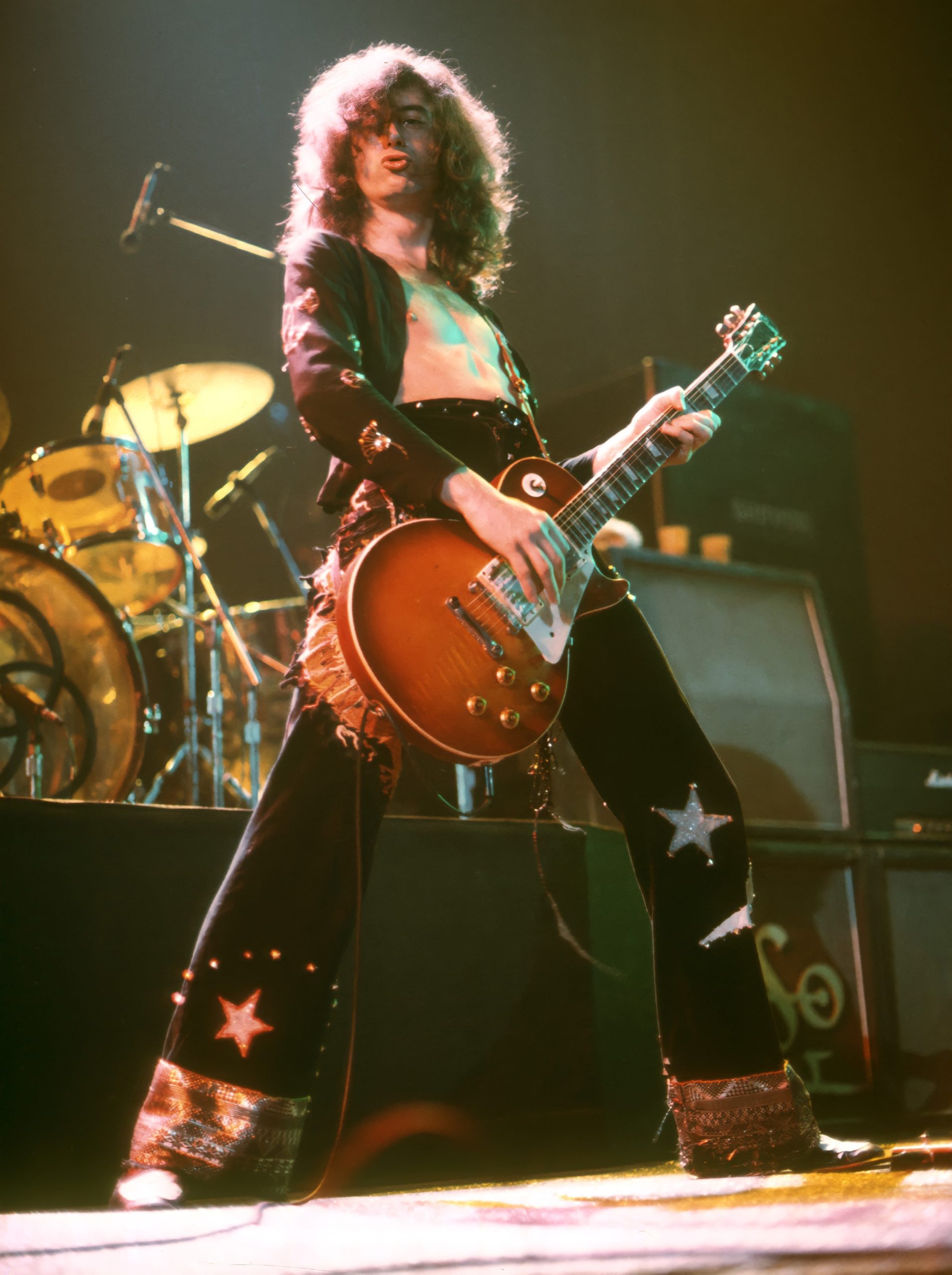
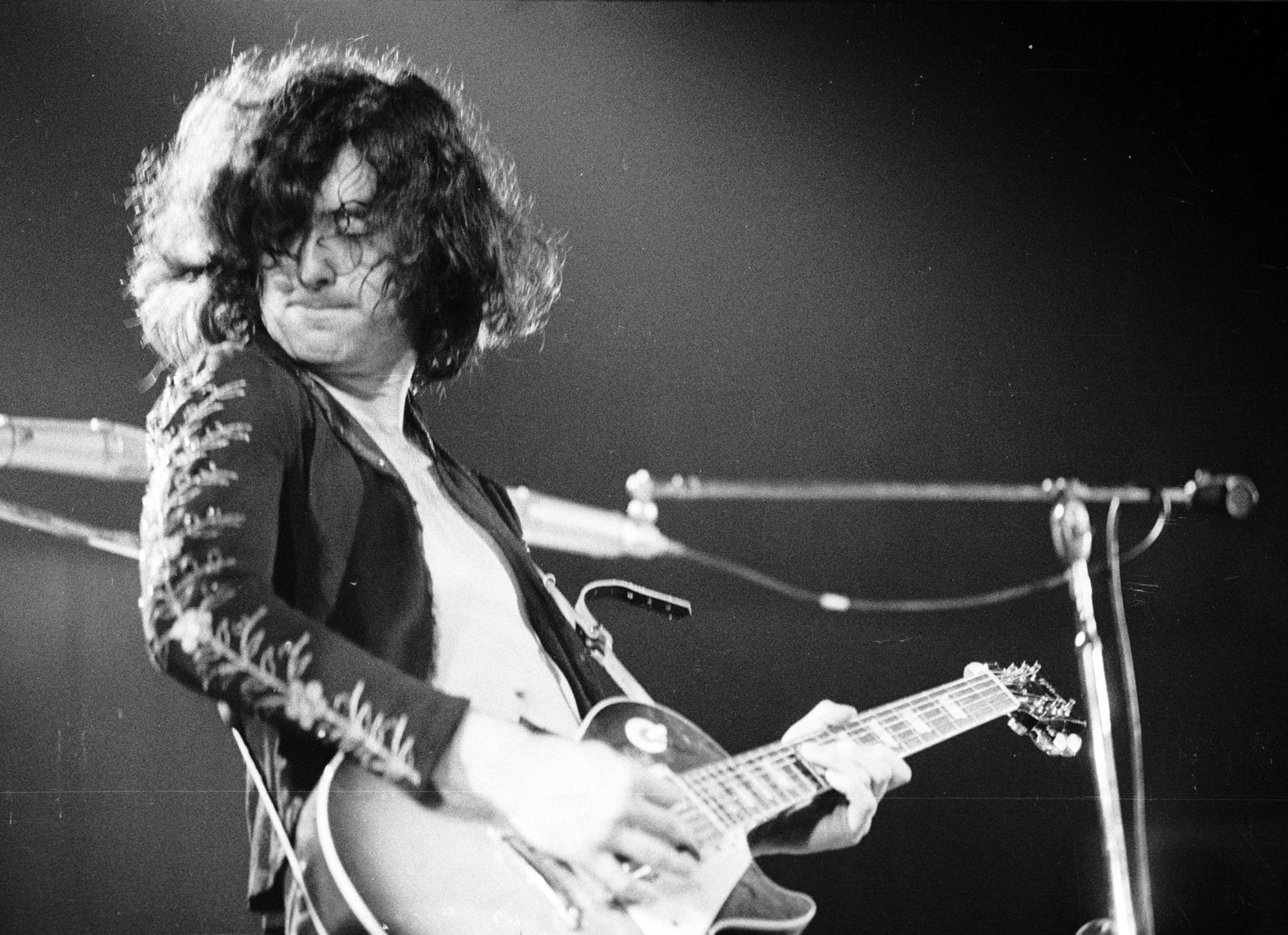
In 1969, as Led Zeppelin I and II were released, the visual identity of the band solidified. Photos from this year show Page transitioning to his iconic 1959 Gibson Les Paul Standard. The imagery from the 1969 US tours, often captured by photographers like Chuck Boyd or Robert Knight, shows a lean, energetic Page. His fashion during this time—tight jeans, waistcoats, and flowing shirts—became the blueprint for the 1970s rock aesthetic.
Identifying Key Eras Through Visual Cues
To help researchers and fans categorize these images, it is useful to look at specific "markers" within the photos.
| Era | Primary Instrument | Hair/Fashion Style | Notable Photographers |
|---|---|---|---|
| 1957–1962 | Hofner President / Grazioso | Short "schoolboy" cut, knits | BBC Archives, Private family |
| 1963–1966 | Gibson ES-335, Gretsch | Neat "Mod" suits, tidy hair | Studio staff, Decca Archives |
| 1966–1968 | "Dragon" Telecaster | Velvet, scarves, medium length | Gered Mankowitz, Chris Walter |
| 1969–1971 | '59 Gibson Les Paul, Danelctro | Long hair, denim, waistcoats | Jorgen Angel, Baron Wolman |
| 1972–1975 | Gibson Les Paul, Double-neck | "Dragon Suit," poppy suits | Bob Gruen, Neal Preston |
Technical Evolution of Rock Photography in the 1960s
The quality and "feel" of young Jimmy Page photos are heavily influenced by the equipment used at the time. In the early 1960s, most music photographers used medium format cameras or 35mm Rangefinders, often relying on available light in dim clubs or bright studio flashes.
By the late 60s, the use of Kodak Tri-X black and white film and Ektachrome color slide film became standard. This is why photos of Page from 1969 have that specific high-contrast, grainy texture and saturated "warm" colors. Understanding these technical aspects helps in verifying the authenticity of rare prints. Modern "filters" often fail to replicate the genuine light leaks and depth of field found in original 1960s negatives.
As we move into 2026, many of these original negatives have been professionally scanned at 8K resolution. This has revealed details previously invisible in grainy magazine reprints, such as the specific settings on Page's Vox or Marshall amplifiers and the intricate hand-painted details on his "Dragon" guitar.
Where to Find and Verify Authentic Photos
For fans looking to view or license high-quality images of a young Jimmy Page, several professional archives serve as the primary sources. It is important to distinguish between "fan-taken" snapshots and professional editorial photography.
- Getty Images & Rex Features: These agencies hold the rights to many mainstream editorial photos from the UK and US tours.
- The Ross Halfin Archive: While Halfin is known for his later work with the band, his collections often include curated sets of early images from his peers.
- National Portrait Gallery (UK): This institution holds several significant portraits of Page from his early career, emphasizing his cultural importance to British history.
- Official Led Zeppelin Website: The band’s official portal often releases "From the Archive" galleries featuring high-quality, verified images.
When verifying a photo's date, look at the guitar straps and pedalboards. For example, Page used a specific thin leather strap in 1969 that differs significantly from the wider, ornate straps he used in 1973. Similarly, the presence of a Sola Sound Tone Bender pedal usually indicates a pre-1971 photograph.
Frequently Asked Questions
Why is Jimmy Page often called a "choirboy" in early photos?
This nickname stems from his appearance in the late 50s and early 60s. With his slight build, polite demeanor, and relatively short, dark hair, he stood in stark contrast to the more rugged or "greaser" looks of other early rock pioneers. The 1957 BBC footage is the most cited example of this "innocent" look.
What is the rarest photo of Jimmy Page?
Arguably, the rarest photos are those from his session musician days where he isn't the primary subject. For instance, images of Page standing in the background of a recording session for a pop star like Lulu or Marianne Faithfull are highly prized by completionist collectors. Additionally, photos of his short-lived 1965 solo single "She Just Satisfies" promotional tour are extremely scarce.
Did Jimmy Page always use a Gibson Les Paul in his youth?
No. In his youth, Page was associated with several other guitars. He used a Resonet Grazioso (often called a Futurama) in his earliest days, followed by various Gretsch and Gibson semi-hollow bodies during his session era. His primary guitar in the Yardbirds was the "Dragon" Telecaster. He didn't transition to the "Number One" 1959 Les Paul until April 1969, when he purchased it from Joe Walsh.
How has AI changed how we see young photos of Jimmy Page?
By 2026, AI has been used extensively to colorize black and white session photos and to "upscale" grainy 8mm film stills. While this makes the images more "modern" and relatable to younger audiences, purists often prefer the original film grain. AI has also helped in identifying the exact locations of "lost" photos by analyzing background architecture and equipment.
Are there any photos of Jimmy Page before he started playing guitar?
Very few. Most public archives begin with his 1957 appearance. Any photos prior to this remain in private family collections. Page has been protective of his early childhood privacy, though a few images of him as a young boy in Heston, Middlesex, have appeared in authorized biographies.
Practical Recommendation for Collectors
If you are looking to start a collection or research project involving Jimmy Page’s early years, focus on the photographer's attribution. In the world of rock memorabilia, a print made from the original negative and signed by the photographer (such as the late Baron Wolman or Jorgen Angel) holds significantly more historical and financial value than a digital reprint.
For digital researchers, utilize the "Sort by Date" features on archival sites and cross-reference the images with known concert setlists. This ensures you are viewing a chronologically accurate representation of Page’s evolution. Whether you are a musician studying his hand positions or a fashion enthusiast analyzing 1960s London style, these photographs remain the most vivid portal into the youth of a guitar icon.
Image Gallery