How Tall Is Doctor Mike? Dr. Mikhail Varshavski’s Height and Profile
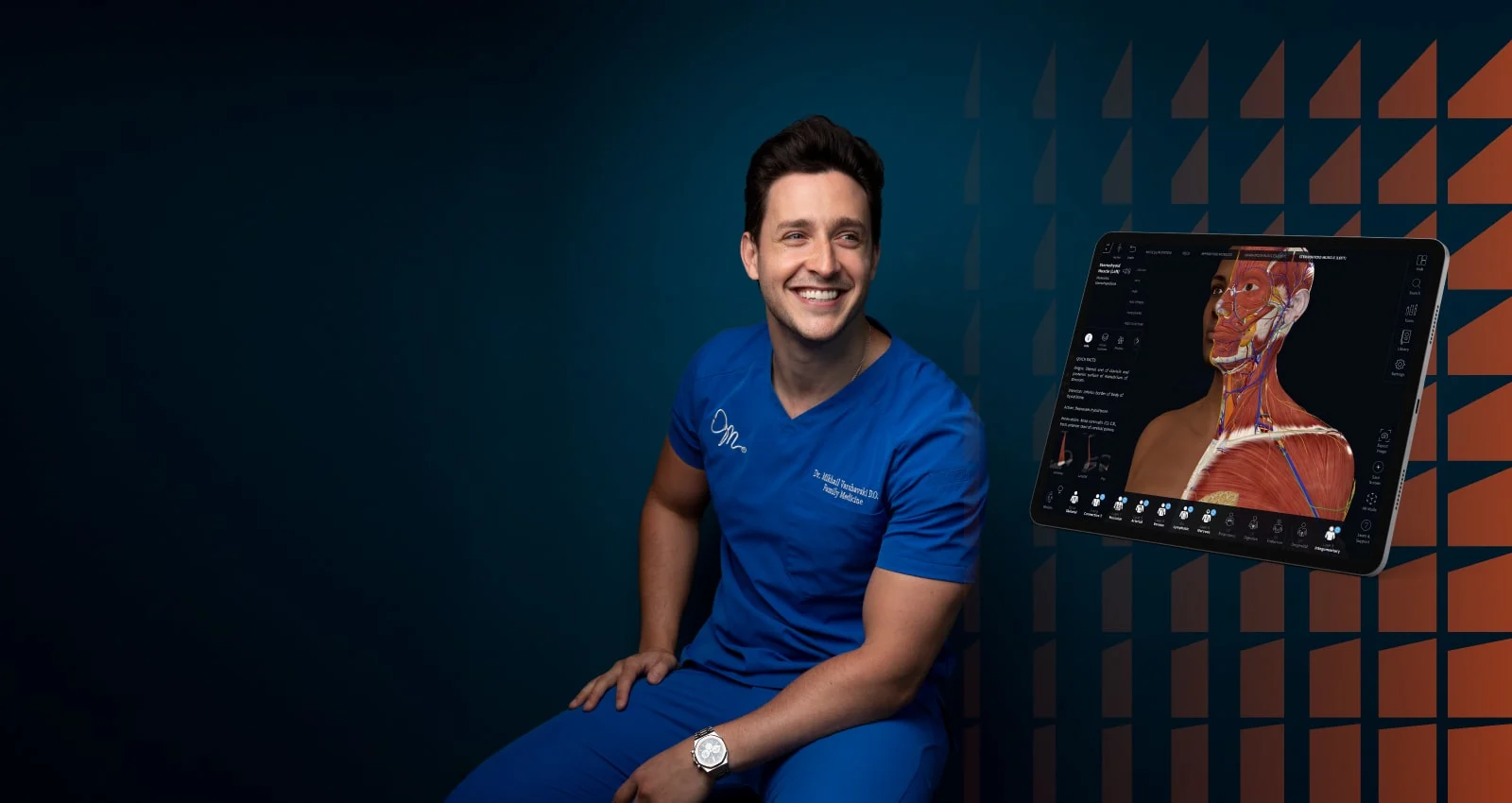
Dr. Mikhail Varshavski, professionally and globally known as Doctor Mike, stands at 6 feet 3 inches tall (approximately 190.5 cm). His height is documented through broadcast media profiles, talent agency listings, and official athletic...
Dr. Mikhail Varshavski, professionally and globally known as Doctor Mike, stands at 6 feet 3 inches tall (approximately 190.5 cm). His height is documented through broadcast media profiles, talent agency listings, and official athletic weigh-in metrics recorded during his high-profile exhibition and amateur charity boxing matches.
Contents
Detailed Physical and Professional Overview of Doctor Mike
Dr. Mikhail "Mike" Varshavski is a board-certified family medicine physician, media personality, and digital content creator. Beyond his public persona as a health communicator, his height and athletic build have frequently made headlines in pop culture and sports media context.
Understanding his physical metrics involves looking at both his medical career background and his athletic endeavors. Born in Russia and raised in New York, Dr. Mike completed his undergraduate studies at the New York Institute of Technology before earning his Doctor of Osteopathic Medicine (DO) degree from the NYIT College of Osteopathic Medicine.
His taller-than-average stature combined with his active routine in strength training and combat sports gives him a distinct presence on television and digital media platforms.
| Physical Attribute / Detail | Official Specification |
|---|---|
| Full Legal Name | Mikhail Varshavski |
| Professional Title | Board-Certified Family Medicine Physician (DO) |
| Height in Feet/Inches | 6 ft 3 in |
| Height in Centimeters | ~190.5 cm |
| Weight (Varies by Fight Camp) | Approx. 185 – 195 lbs (84 – 88 kg) |
| Reach (Boxing Measurement) | Approx. 75 inches (190 cm) |
| Eye Color | Hazel |
| Hair Color | Dark Brown |
Verifying Doctor Mike’s Height: Athletic and Public Records
In celebrity culture, online height estimations are frequently inflated or understated. However, Dr. Mike’s height of 6 feet 3 inches is reinforced by empirical records from athletic governing bodies and public appearances.
1. Amateur Boxing Weigh-ins and Tale of the Tape
When Dr. Mike entered the world of influencer and charity combat sports, official sanctioning commissions recorded his physical metrics. During his fight against opponent Chris Avila on the Jake Paul vs. Anderson Silva card, as well as his match against Creator Clash founder Ian Carter (iDubbbz), official bout measurements confirmed his 6-foot-3-inch height and a corresponding reach of roughly 75 inches.
2. Comparative Screen Appearances
When appearing on mainstream broadcasts alongside host figures of known height—such as television talk show hosts, fellow medical experts, and media personalities—Dr. Mike consistently demonstrates a distinct height advantage. Standing next to average-height individuals, his frame aligns precisely with standard 6-foot-3 references.
3. Media and Agency Talent Profiles
Talent agencies and broadcast networks maintain verified baseline physical profiles for on-screen wardrobe and framing purposes. These profiles consistently list his height as 6'3" (190 cm).
A Note on Media Height Verification Official fight cards and sanctioning body weight-ins represent some of the most reliable public metrics available for public figures. Unlike casual social media statements, athletic commissions require standardized physical screenings to ensure safety and accurate weight class placement.
Athletic Impact: How Stature Affects Combat Sports Performance
In sports science, a tall stature accompanied by a long wingspan provides distinct mechanical advantages, particularly in striking disciplines like boxing. Standing at 6 feet 3 inches in the cruiserweight division, Dr. Mike utilizes specific biomechanical advantages:
- Leverage and Reach Advantage: A 75-inch reach allows a fighter to maintain distance using the jab, keeping shorter opponents at the outer range where they cannot strike effectively without exposing themselves to counterpunches.
- Center of Gravity and Balance: Taller fighters must maintain a lower center of gravity through disciplined footwork to avoid balance disruptions when throwing power shots.
- Cardiovascular Demands: Larger frames require greater metabolic expenditure to supply oxygenated blood to larger skeletal muscle groups during high-intensity intervals.
During his boxing training, Dr. Mike’s fitness regimen emphasized functional strength, core stability, and agility drills tailored to maximize his physical levers without sacrificing rotational power.
Clinical Perspective: How Human Height Is Accurately Measured
As a practicing family medicine physician, Dr. Mike frequently discusses health, posture, and physical wellness. From a clinical perspective, measuring adult height accurately requires adhering to standardized anthropometric protocol rather than relying on self-reported figures or home tape measures.
Standard Anthropometric Height Protocol (Stadiometer Method)
- Barefoot position on flat level surface
- Four-point contact: heels, buttocks, upper back, head touching
- Head positioned in the Frankfort Horizontal Plane
- Measurement recorded at maximum inhalation
The Frankfort Horizontal Plane Standard
In clinical environments, medical assistants and physicians measure height using a calibrated stadiometer. To obtain an exact reading:
- The patient stands barefoot with feet flat and heels together.
- The rear aspect of the heels, buttocks, upper back, and occiput touch the vertical board.
- The head is aligned in the Frankfort Horizontal Plane, where an imaginary line from the lower margin of the eye socket to the upper margin of the ear canal runs parallel to the floor.
- The movable headpiece is lowered gently onto the crown of the head while the patient takes a deep breath.
Diurnal Height Variation
Height is not entirely static throughout a 24-hour cycle. Human height changes slightly due to intervertebral disc hydration and gravity:
- Morning Measurements: Upon waking, individuals are at their tallest point because the cartilaginous intervertebral discs of the spine have reabsorbed fluid during sleep while unloaded.
- Evening Measurements: By the end of the day, prolonged vertical load causes spinal compression, resulting in a height loss of approximately 0.5 to 1.5 centimeters (up to half an inch).
Therefore, a person measuring 6 feet 3 inches in the morning might register closer to 6 feet 2.5 inches late in the evening.
Height Comparison: Doctor Mike vs. Public Figures and Averages
To contextualize Dr. Mikhail Varshavski's height, it is useful to compare his stature against national human growth averages and other prominent public figures, athletes, and digital personalities.
| Entity / Individual | Height (Feet/Inches) | Height (Centimeters) | Category / Context |
|---|---|---|---|
| Doctor Mike (Mikhail Varshavski) | 6 ft 3 in | 190.5 cm | Board-Certified Physician / Creator |
| Average US Adult Male | 5 ft 9 in | 175.3 cm | National Anthropometric Average |
| Average Russian Adult Male | 5 ft 10 in | 177.8 cm | Demographics Average |
| Chris Avila | 5 ft 10 in | 177.8 cm | Professional MMA Fighter / Boxing Opponent |
| iDubbbz (Ian Carter) | 6 ft 2 in | 188.0 cm | Creator Clash Boxing Opponent |
| Doctor Oz (Mehmet Oz) | 6 ft 1 in | 185.4 cm | Television Personality / Physician |
| Jake Paul | 6 ft 1 in | 185.4 cm | Professional Boxer / Media Figure |
| Tyson Fury | 6 ft 9 in | 205.7 cm | Heavyweight Boxing Champion |
As shown in the data, Dr. Mike is roughly six inches taller than the average adult male in the United States and significantly taller than most television media figures, giving him an unmistakable physical presence.
The Role of Genetics and Health in Human Growth
A person's adult height is primarily determined by genetic predisposition, but environmental factors during childhood and adolescence play a vital role in reaching one's full genetic potential.
Genetic Factors
Multigenic inheritance accounts for roughly 80% of an individual's final standing height. Hundreds of genetic variants influence bone growth plates (epiphyseal plates), hormone production, and skeletal architecture.
Nutritional and Endocrinological Drivers
- Growth Hormone (GH): Secreted by the anterior pituitary gland, GH stimulates the liver to produce Insulin-like Growth Factor 1 (IGF-1), driving bone elongation.
- Dietary Intake: Adequate protein, vitamin D, calcium, and overall caloric availability during peak growth spurts prevent stunting and allow maximum epiphyseal elongation.
- Sleep Quality: Deep slow-wave sleep is essential for optimal growth hormone secretion during adolescence.
Dr. Mike frequently highlights the importance of childhood nutrition, proper sleep hygiene, and active living as baseline pillars for optimal human development and physical well-being.
Frequently Asked Questions About Doctor Mike's Height and Profile
Is Doctor Mike really 6 feet 3 inches tall?
Yes, Doctor Mike is 6 feet 3 inches (190.5 cm) tall. His height has been officially documented through media listings and sanctioning body athletic measurements for his charity boxing appearances.
How much does Doctor Mike weigh?
Dr. Mike typically weighs between 185 and 195 pounds (84 to 88 kg). His weight fluctuates depending on his current training focus, whether maintaining general fitness or preparing for competitive athletic events in cruiserweight divisions.
How tall is Doctor Mike compared to the average man?
Doctor Mike is roughly six inches taller than the average American male, who stands at 5 feet 9 inches (175.3 cm). His stature places him in approximately the 97th percentile for height among adult men in North America.
Did Doctor Mike play college sports?
While Doctor Mike did not compete in Division I NCAA college sports, he was an active athlete throughout high school and college, participating in swimming, tennis, and recreational martial arts before formally training in amateur boxing.
Does height affect a physician's clinical practice?
Physical height has no impact on medical competence or clinical outcomes. However, proper body mechanics and ergonomic adjustments (such as adjusting examination tables and laptop carts) are important for taller physicians to prevent chronic lower back and neck strain.
Maintaining Health, Posture, and Wellness at Any Height
Whether standing 5 feet 3 inches or 6 feet 3 inches, spinal health and musculoskeletal longevity depend on daily movement patterns, posture hygiene, and functional resistance training. Taller individuals often experience a higher incidence of thoracic kyphosis or lumbar stress due to poor posture habits developed from sitting at unsupportive desks or bending over standard-height counters.
To protect long-term joint health and posture integrity:
- Optimize Ergonomics: Set computer monitors so the top third of the screen sits at eye level, ensuring the neck stays neutral.
- Strengthen Posterior Chain Muscles: Incorporate face pulls, row variations, and deadlifts to maintain strong rhomboids, rear deltoids, and gluteal muscles.
- Prioritize Core Stability: Perform static core exercises like planks and anti-rotational cable holds to stabilize the lumbar spine during movement.
- Practice Spinal Decompression: Engage in regular overhead stretching or dead hangs from a pull-up bar to relieve gravitational compression on intervertebral discs.
By combining consistent resistance exercise with proper nutrition and sleep, individuals can maximize their functional physical health regardless of their genetic height potential.
Image Gallery