The History and Founding of the Cleveland Browns: From 1944 to the Modern Era
The Cleveland Browns were officially founded on June 4, 1944, when taxi-cab tycoon Arthur B. "Mickey" McBride secured the rights to a franchise in the newly formed All-America Football Conference (AAFC). While the organization was esta...
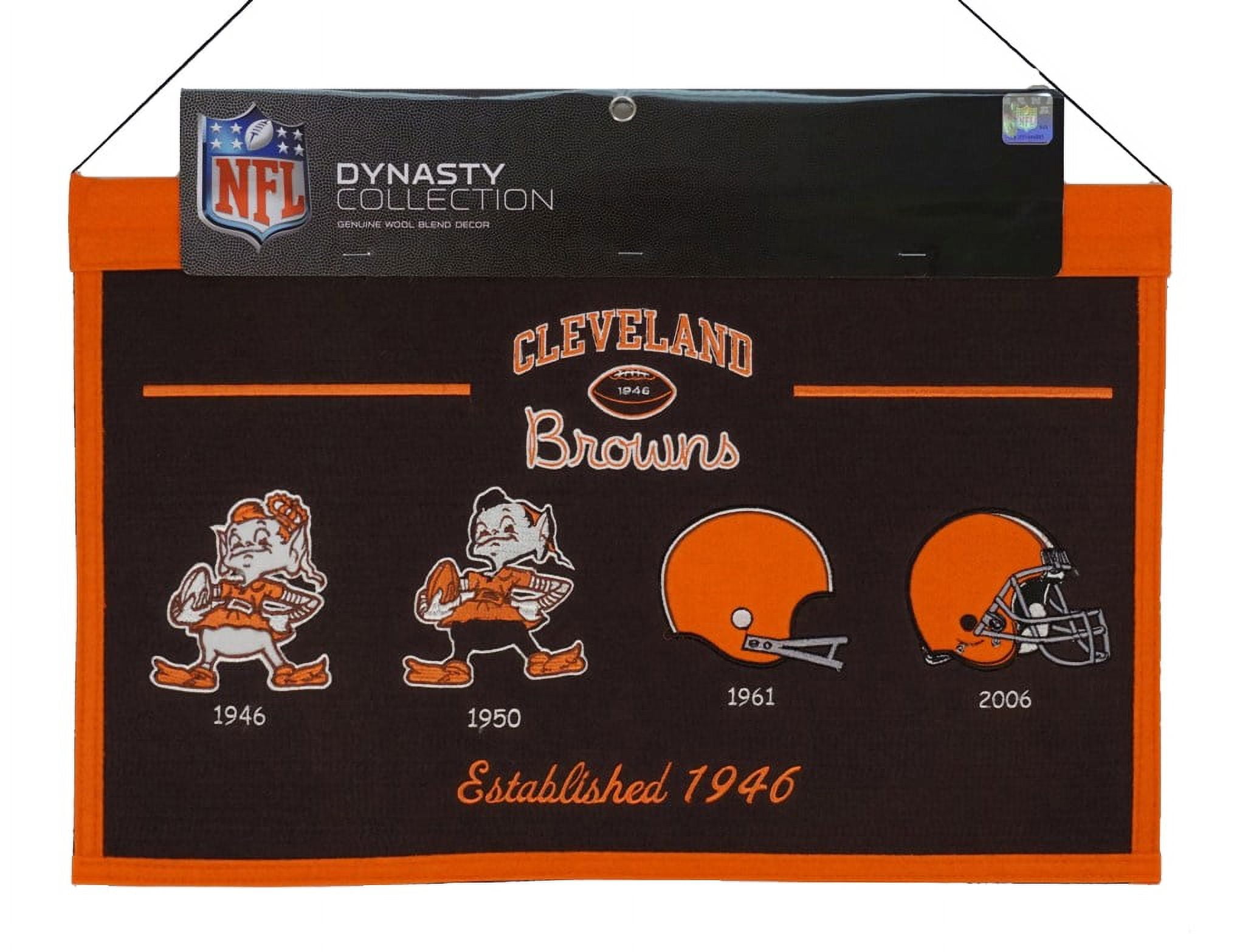
The Cleveland Browns were officially founded on June 4, 1944, when taxi-cab tycoon Arthur B. "Mickey" McBride secured the rights to a franchise in the newly formed All-America Football Conference (AAFC). While the organization was established in 1944, the team did not begin on-field competition until 1946, quickly becoming the most dominant force in professional football.
Contents
The Birth of a Dynasty: The 1944 Foundation
The origin of the Cleveland Browns is inextricably linked to the post-World War II expansion of professional sports in the United States. In 1944, the sporting landscape was shifting. While the National Football League (NFL) was the established power, Arch Ward, the influential sports editor of the Chicago Tribune, envisioned a rival league that would tap into growing markets. This vision became the All-America Football Conference.
Mickey McBride, a wealthy Cleveland businessman with interests in real estate and transportation, saw an opportunity to bring a high-caliber football team to a city already hungry for sports success. On June 4, 1944, McBride became the first owner to sign a contract with the AAFC. Unlike many owners who were content to wait for the league to organize, McBride immediately sought the best leadership available to ensure his investment would thrive.
McBride’s most significant move following the 1944 founding was the hiring of Paul Brown. At the time, Brown was a legendary coach at Ohio State and was serving in the Navy at Great Lakes Naval Training Station. McBride offered Brown an unprecedented deal: a $17,500 annual salary, a share of the profits, and total control over football operations. This partnership, solidified shortly after the team’s legal founding, set the stage for a level of professionalization that the sport had never seen before.
Paul Brown: The Architect and the Namesake
The question of when the Browns were founded often leads to a discussion about how they received their name. Paul Brown was not just the first coach; he was the primary architect of the team’s culture, strategy, and identity.
Why the Name "Browns"?
After the team was founded in 1944, a fan contest was held in 1945 to determine the name. The most popular entry was the "Cleveland Panthers." However, Paul Brown rejected this name because a previous, unsuccessful professional team in Cleveland had used it. There is also historical debate regarding trademark issues with the "Panthers" name at the time.
According to various historical accounts from the Pro Football Hall of Fame, the name "Browns" was the second-most popular choice. Paul Brown initially resisted naming the team after himself, but he eventually relented. For years, Brown would often claim the team was named after the boxer Joe Louis, known as the "Brown Bomber," but later in life, he acknowledged that the fans' desire to name the team after their head coach was the true catalyst. By the time the team took the field for their inaugural season in 1946, the "Browns" identity was firmly established.
The AAFC Years and Early Dominance (1946–1949)
While the legal founding occurred in 1944, the team's functional "founding" as a competitor began in 1946. The delay was largely due to the ongoing demands of World War II, which limited the availability of players and resources.
Once play began, the Cleveland Browns did not merely compete; they dominated. Under Paul Brown’s meticulous leadership, the team utilized revolutionary techniques. They were among the first to use playbooks, film study to grade player performance, and full-time scouting staffs. These innovations allowed the Browns to win every single championship in the AAFC's four-year history (1946, 1947, 1948, and 1949).
During this period, the team achieved an astounding 47-4-3 record. The 1948 season remains a landmark in football history, as the Browns went 14-0, completing a perfect season decades before the 1972 Miami Dolphins achieved the feat in the NFL. This era established Cleveland as a premier football city and proved that McBride’s 1944 investment was a masterstroke of sports business.
Transition to the NFL: The 1950 Milestone
By 1949, the AAFC was struggling financially, despite the Browns' success. The NFL agreed to absorb three teams: the Cleveland Browns, the San Francisco 49ers, and the original Baltimore Colts. Many NFL loyalists believed the Browns’ success was a product of "inferior" competition in the AAFC.
The Browns silenced these critics immediately upon joining the NFL in 1950. In their very first NFL game, they defeated the defending champion Philadelphia Eagles. They went on to win the NFL Championship in their first year in the league. This transition is a critical secondary "founding" moment, as it validated the organization's methods against the highest level of competition in the world. Between 1946 and 1955, the Browns reached the championship game in ten consecutive seasons, winning seven of them across two leagues.
The 1995 Relocation and the 1999 Re-Founding
To understand when the Browns were founded, one must navigate the complex history of the mid-1990s. In 1995, then-owner Art Modell announced his intention to move the team to Baltimore. This decision sparked a legal and emotional firestorm in Cleveland.
The resulting legal settlement between the city of Cleveland and the NFL was historic. Unlike other franchises that moved and took their history with them (such as the Houston Oilers becoming the Tennessee Titans), the Cleveland Browns' intellectual property remained in Cleveland.
Key Aspects of the 1996–1999 Hiatus:
- The Name and Heritage: The name "Browns," the team colors (orange, brown, and white), and all records and heritage were stayed in Cleveland.
- Deactivation: The franchise was "deactivated" for three seasons (1996, 1997, and 1998).
- The New Era: The team was "reactivated" or re-founded as an expansion team in 1999.
Legally and officially, the NFL views the current Cleveland Browns as a continuous entity that began in 1944/1946, despite the three-year gap in play. The team that moved to Baltimore was technically a "new" franchise, the Baltimore Colts' successor in the city but legally a separate entity known as the Ravens, which began its own history in 1996.
Historical Timeline of the Cleveland Browns
The following table outlines the pivotal moments in the team's history, spanning from the original 1944 founding through the modern era as viewed from 2026.
| Year | Event | Significance |
|---|---|---|
| 1944 | Official Founding | Arthur McBride secures the AAFC franchise on June 4. |
| 1945 | Hiring of Paul Brown | The team's first coach and namesake begins building the roster. |
| 1946 | Inaugural Season | The Browns play their first game, defeating the Miami Seahawks 44-0. |
| 1948 | The Perfect Season | The team goes 14-0 and wins the AAFC Championship. |
| 1950 | NFL Entry | The Browns join the NFL and win the championship in their first season. |
| 1964 | Last NFL Title | Jim Brown leads the team to a 27-0 victory over Baltimore. |
| 1995 | The Move Announcement | Art Modell announces the relocation to Baltimore. |
| 1996–1998 | Franchise Deactivation | The Browns do not play while a new stadium is built. |
| 1999 | Reactivation | The "New" Browns return to the field as an expansion-style entity. |
| 2024–2026 | Modern Era | The team focuses on stability under Kevin Stefanski's leadership. |
Organizational Impact on Professional Football
The founding of the Browns was more than just the addition of a team; it was the introduction of a new philosophy of management. Paul Brown’s innovations, funded by McBride’s capital, changed the sport forever.
- The Facemask: Paul Brown is credited with the development of the single-bar facemask after star quarterback Otto Graham suffered a mouth injury.
- Intelligence Testing: The Browns were the first team to use the Wonderlic-style intelligence tests to evaluate the mental acuity of their players.
- Breaking the Color Barrier: In 1946, the Browns signed Marion Motley and Bill Willis, reintegrating professional football months before Jackie Robinson broke the color barrier in Major League Baseball. This move was a direct result of the progressive leadership established at the team's founding.
- The "Taxi Squad": McBride used his taxi-cab company to provide "jobs" to reserve players so they could stay in Cleveland and practice with the team, leading to the modern NFL practice squad.
Frequently Asked Questions
Did the Browns exist before 1946?
The organization was legally founded on June 4, 1944. However, they did not play any games or have a full roster until 1946. The two-year gap was used for scouting, securing a stadium lease at Cleveland Municipal Stadium, and waiting for the conclusion of World War II to ensure a high quality of play.
Are the current Browns the same team founded in 1944?
Yes. Under the 1996 agreement between the City of Cleveland and the NFL, the Cleveland Browns' name, colors, and 50-year history remained in Cleveland. While the personnel moved to Baltimore, the "franchise" itself was legally preserved in Cleveland and resumed play in 1999.
Who was the primary founder of the Cleveland Browns?
Arthur B. "Mickey" McBride is the primary founder and original owner. However, Paul Brown is often considered a "co-founder" in spirit because he was given total authority to build the football side of the organization from scratch.
Was the team named after Paul Brown?
Yes, although Paul Brown spent many years trying to credit the name to Joe Louis. Fan voting and the team's initial branding overwhelmingly pointed toward the coach as the inspiration.
Why did the Browns stop playing between 1996 and 1998?
The team was deactivated as part of a legal settlement. Art Modell was permitted to move his players and staff to Baltimore to form the Ravens, but he had to leave the "Browns" identity behind. The NFL committed to returning a team to Cleveland by 1999, which required a three-year period to organize ownership and build a new stadium.
Final Recommendation for Researchers
For those looking to verify the specific details of the Browns' founding, the most authoritative sources remain the Pro Football Hall of Fame archives and the official Cleveland Browns team history publications. When researching the 1944–1946 period, it is important to distinguish between the AAFC and the NFL, as the Browns' early records are often listed separately from NFL statistics in older encyclopedias. For a modern perspective in 2026, the preservation of the 1944 founding date remains a point of pride for the franchise, serving as a reminder of their historical status as one of football's first true "modern" organizations.
Image Gallery