The Best Sports Cars With a Manual Transmission
Finding the best sports car with a manual transmission requires balancing mechanical engagement, modern performance capabilities, and the rapidly shrinking availability of three-pedal gearboxes in new vehicle production. While the auto...
Finding the best sports car with a manual transmission requires balancing mechanical engagement, modern performance capabilities, and the rapidly shrinking availability of three-pedal gearboxes in new vehicle production. While the automotive industry shifts toward dual-clutch automatics and electric powertrains, a dedicated group of manufacturers continues to build exceptional driver’s cars equipped with traditional stick shifts.
Contents
Understanding the Appeal of the Modern Manual Sports Car
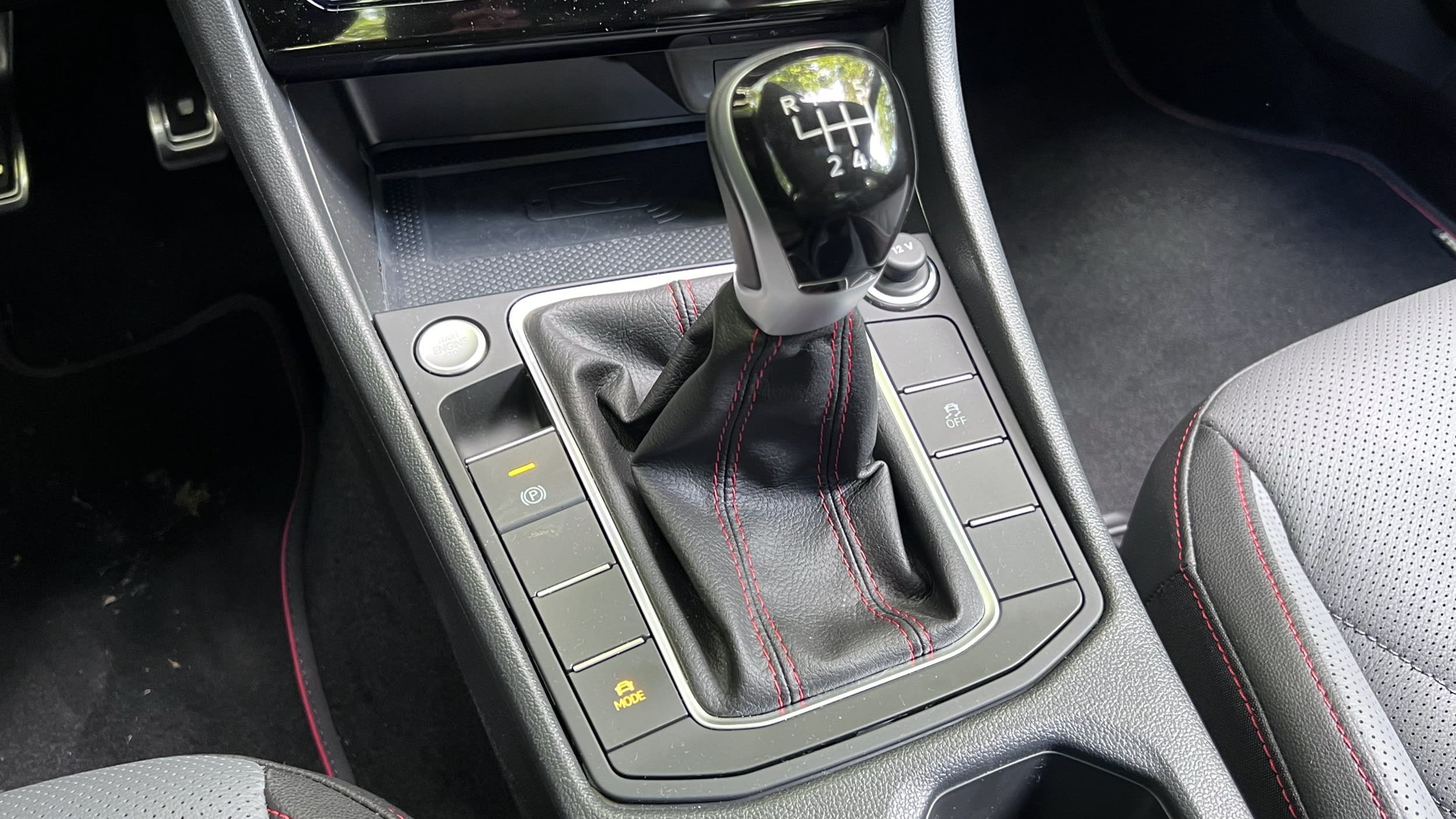
Driving an enthusiast vehicle equipped with a manual transmission offers a level of mechanical connection that automated gearboxes struggle to replicate. Operating a third pedal and physically moving a gear lever allows the driver to time rev-matches, modulate the clutch engagement point, and dictate precisely when power transfers to the rear wheels.
However, shopping for a manual sports car today requires navigating a landscape where automatic variants often boast faster acceleration times and higher production volumes. Manufacturers frequently tune their manual gearboxes to satisfy emissions regulations or package them with specific trim levels. Consequently, choosing the right car means weighing raw lap-time efficiency against tactile feedback, pedal placement, shifter throw, and clutch weighting.
Top Contenders in the Manual Sports Car Market
The current automotive market features several standout models that keep the manual transmission alive across various price points and engine configurations. From lightweight, high-revving naturally aspirated four-cylinders to forced-induction powerhouses, these vehicles represent the peak of modern driver engagement.
Mazda MX-5 Miata: The Benchmark for Pure Handling Balance
The Mazda MX-5 Miata remains the quintessential entry point for drivers seeking an analog experience. Weighing just over 2,300 pounds in its soft-top configuration, the Miata utilizes a 2.0-liter naturally aspirated four-cylinder engine producing 181 horsepower.
- Shifter Quality: Widely considered to have one of the crispest, most direct short-throw shifters in the industry.
- Chassis Dynamics: Balanced rear-wheel-drive layout with near 50/50 weight distribution, making it exceptionally communicative at lower, legal speeds.
- Limitations: Modest straight-line power and limited cabin storage space restrict its utility as a daily driver for taller occupants.
Porsche 718 Cayman and Boxster (GTS 4.0 / GT4): Precision Engineering
For drivers with a higher budget, Porsche’s mid-engine 718 lineup—specifically the naturally aspirated 4.0-liter flat-six variants—offers an intoxicating blend of acoustic drama and razor-sharp handling.
- Powertrain: The 4.0-liter flat-six revs past 7,000 RPM, delivering linear power coupled with a mechanical exhaust note.
- Transmission Integration: Paired with a precise six-speed manual gearbox featuring auto-blip functionality that can be toggled on or off via the steering wheel.
- Limitations: High acquisition costs, long waiting lists for allocation-based models, and restrictive gearing in lower ratios designed to meet European homologation standards.
BMW M2: High-Performance Forced Induction
The BMW M2 bridges the gap between compact executive coupes and hardcore track cars. It stands out in the luxury performance segment by offering a six-speed manual transmission alongside its turbocharged inline-six engine.
- Performance: Generates 453 horsepower sent exclusively to the rear wheels, providing effortless highway passing power and substantial mid-range torque.
- Daily Usability: Offers legitimate rear seating, a spacious trunk, and modern infotainment features alongside aggressive track capabilities.
- Limitations: Heavy curb weight compared to dedicated sports cars like the Miata or Cayman, which alters its agility during rapid directional changes.
Ford Mustang Dark Horse and GT: American V8 Muscle
For enthusiasts prioritizing displacement and an unmistakable exhaust note, the Ford Mustang continues to offer a robust V8 engine paired with a manual gearbox.
- Drivetrain: The 5.0-liter Coyote V8 produces up to 500 horsepower in the Dark Horse variant, paired with a Tremec six-speed manual transmission known for durability under heavy loads.
- Character: Delivers traditional rear-wheel-drive dynamics, heavy steering weighting, and immense power delivery.
- Limitations: Large physical footprint and heavy weight make tight technical corners more challenging to navigate.
Comparative Overview of Leading Manual Sports Cars
| Make & Model | Engine Type | Horsepower | Transmission | Primary Strength |
|---|---|---|---|---|
| Mazda MX-5 Miata | 2.0L Naturally Aspirated I4 | 181 | 6-Speed Manual | Exceptional agility and shifter feel |
| Porsche 718 Cayman GTS 4.0 | 4.0L Naturally Aspirated Flat-6 | 394 | 6-Speed Manual | Mid-engine balance and high-rpm soundtrack |
| BMW M2 | 3.0L Twin-Turbocharged I6 | 453 | 6-Speed Manual | Blend of everyday usability and immense power |
| Ford Mustang Dark Horse | 5.0L Naturally Aspirated V8 | 500 | 6-Speed Manual | High-displacement V8 power and robust gearbox |
Key Technical Factors to Evaluate Before Purchasing
Selecting the ideal manual sports car requires examining several mechanical and ergonomic variables that directly influence ownership satisfaction.
Pedal Box Ergonomics and Heel-Toe Capability
Proper layout of the clutch, brake, and throttle pedals is essential for executing smooth downshifts. Many modern sports cars feature tightly spaced pedals or electronic throttle maps that complicate traditional heel-toe braking. Buyers should verify whether a vehicle features adjustable pedal positions, factory auto-rev-matching software, or sufficient physical clearance for comfortable footwork.
Clutch Weight and Engagement Windows
Clutch calibration varies dramatically between vehicle classes. High-horsepower cars like the BMW M2 or Ford Mustang utilize heavier pressure plates to handle elevated torque levels, which can lead to fatigue in heavy urban traffic. Conversely, lightweight sports cars often feature progressive, communicative clutch bites that make stop-and-go commuting significantly more manageable.
Final Drive Gearing and Highway Cruising
Manufacturers occasionally configure manual gearboxes with short final drive ratios to maximize acceleration feel on paper. However, this can result in high engine RPMs during sustained highway cruising, increasing cabin drone and reducing fuel efficiency. Reviewing gear ratios at highway speeds is an important step for buyers who plan to use their sports car for long-distance driving.
Frequently Asked Questions
Are manual transmissions slower than automatic transmissions in modern sports cars?
Yes, in terms of raw acceleration and official track times, modern dual-clutch automatics and torque-converter gearboxes shift faster than a human ever could. However, enthusiasts choose manual transmissions for tactile engagement and driving involvement rather than shaving fractions of a second off a quarter-mile run.
Do manual sports cars require more expensive maintenance?
Maintenance costs depend heavily on driving style and clutch usage. While a manual transmission avoids the complex hydraulic and electronic failure points associated with modern automatics, aggressive driving, premature clutch wear, and mis-shifts (such as accidental money shifts) can result in costly mechanical repairs.
Which manual sports car is best for daily commuting?
The Mazda MX-5 Miata and vehicles like the Honda Civic Type R (hatchback layout) offer light clutch pedals, excellent visibility, and comfortable ergonomics that suit daily driving. High-horsepower front-engine coupes can also function daily, though their stiff suspension tuning and heavy clutches require more physical compromise in heavy traffic.
Can beginners easily learn to drive a manual sports car?
Yes, modern manual sports cars with hill-start assist and forgiving clutch engagement windows make learning significantly easier than older vehicles. Starting on a lightweight, naturally aspirated car with a linear power band provides the most forgiving environment for building foundational stick-shift skills.
Why are manufacturers discontinuing manual transmissions?
Strict global emissions regulations, declining consumer demand, and the superior fuel economy and performance metrics of automated gearboxes have led most manufacturers to phase out manual options. Furthermore, advanced driver-assistance systems often require automated gearboxes to function seamlessly.
Final Recommendation
When choosing the best sports car with a manual transmission, align your purchase with your primary driving environment. If your priority is weekend canyon carving and maximum mechanical feedback, lightweight options like the Mazda MX-5 Miata or a Porsche 718 provide unmatched tactile rewards. If you require a vehicle that balances daily practicality with high-output rear-wheel-drive performance, forced-induction coupes like the BMW M2 offer a compelling compromise without sacrificing the third pedal.
Image Gallery