Sherri Papini Caught in the Lie: Review of the Hoax, Investigation, and Media Coverage
The 2016 disappearance of Sherri Papini in Shasta County, California, initially captivated national attention as a harrowing tale of abduction and survival. However, a multi-year federal and local investigation revealed that her story...
The 2016 disappearance of Sherri Papini in Shasta County, California, initially captivated national attention as a harrowing tale of abduction and survival. However, a multi-year federal and local investigation revealed that her story was an elaborate hoax. Papini staged her own kidnapping, lived with an ex-boyfriend for three weeks, self-inflicted injuries, and defrauded public victim compensation funds before law enforcement used forensic DNA, digital records, and interrogation footage to expose the lie.
Contents
The 2016 Disappearance: Anatomy of a Fabricated Kidnapping
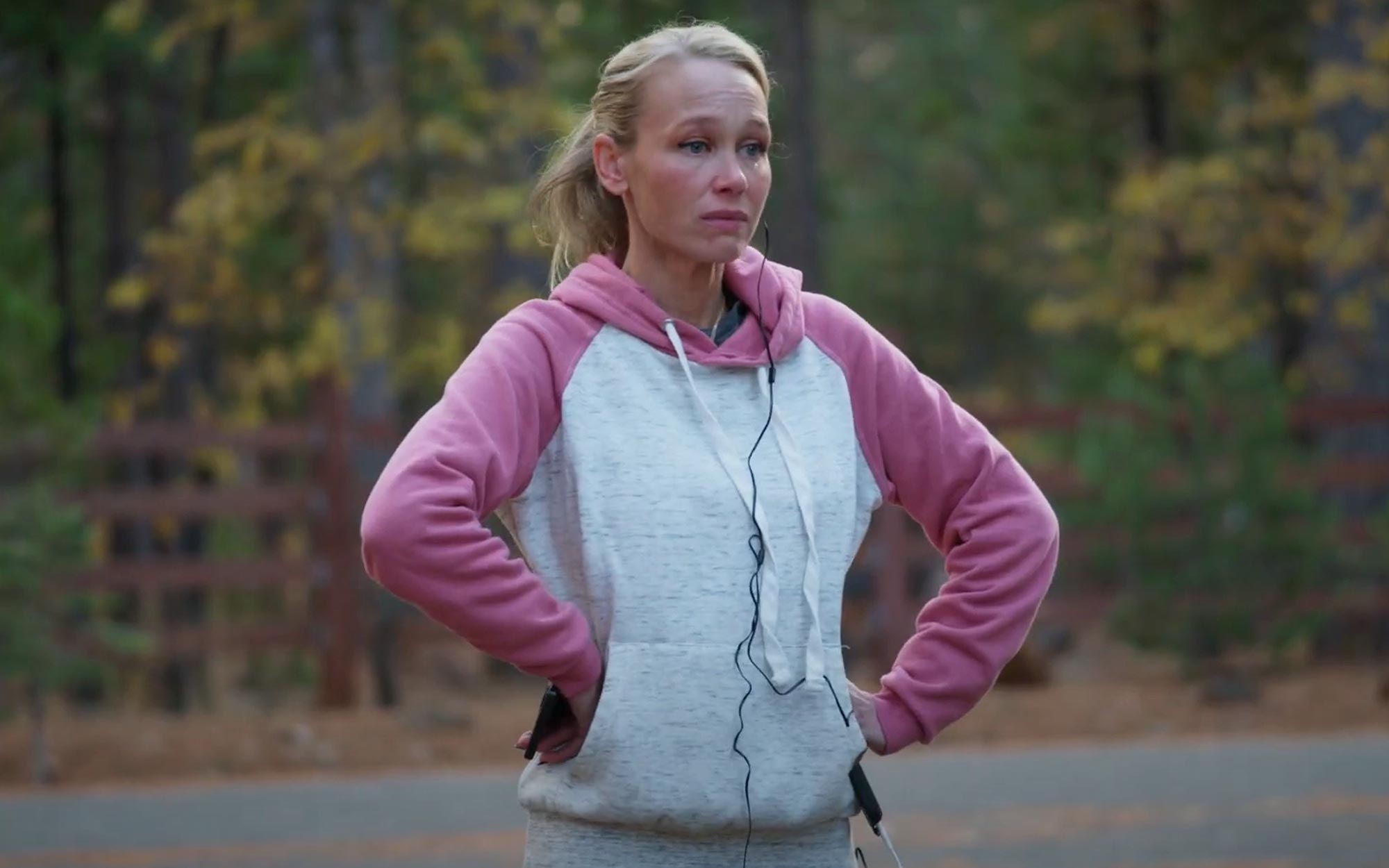
On November 2, 2016, Sherri Papini went missing after going for a neighborhood jog near her home in Redding, California. Her husband, Keith Papini, alerted authorities after returning home to find that she had not picked up their children from daycare. He used the "Find My iPhone" application to locate her mobile phone and earbuds left alongside Sunrise Drive, establishing what appeared to be the scene of an abduction.
For 22 days, local law enforcement agencies, community volunteers, and national media outlets mounted extensive search operations. On Thanksgiving Day, November 24, 2016, Papini was discovered wandering along Interstate 5 in Yolo County, nearly 150 miles south of where she disappeared. She was physically bound with heavy chains, hose clamps around her wrists, had a broken nose, chopped hair, severe bruising, and a wood-burn mark branded into her right shoulder.
The Initial Claims and Community Reaction
Upon her rescue, Papini provided detailed statements to detectives from the Shasta County Sheriff’s Office and federal investigators. She claimed that two armed, Spanish-speaking women driving a dark SUV had abducted her at gunpoint. She described her alleged captors as keeping their faces concealed, keeping her locked in a dark room, and physically abusing her.
The story sparked widespread public alarm and community anxiety regarding violent crime in northern California. Local law enforcement poured hundreds of administrative and investigative hours into verifying her claims, attempting to sketch suspects, and searching for the alleged vehicle across state lines.
Suspicious Elements from the Outset
Despite the public sympathy, veteran investigators quietly noted discrepancies in the narrative. Law enforcement observed that the physical physical evidence at the scene on Sunrise Drive—such as neatly coiled earbud wires—did not align with a violent struggle. Furthermore, regional surveillance feeds along reported escape routes yielded no footage of the described SUV. FBI behavioral analysts also flagged unusual inconsistencies in her account of the captors' motivations and actions while holding her captive.
How Law Enforcement Broke the Case: The Key Evidence
The eventual unraveling of Sherri Papini’s deception was not the result of a single confession, but rather a methodical convergence of forensic science, digital forensics, and investigative interviewing techniques.
- 2016: Staged Abduction
- Unknown Male DNA Found on Clothes
- 2020: Genetic Genealogy Identification
- Interrogating the Ex-Boyfriend
- August 2020: Police Confrontation Video
- 2022: Federal Arrest, Plea & Sentencing
Advanced DNA Analysis and Genetic Genealogy
The pivotal turning point occurred through physical evidence collected on Thanksgiving Day 2016. Crime lab technicians extracted foreign DNA samples from Papini’s clothing—specifically her sweatpants and underwear. Initial searches through the FBI's Combined DNA Index System (CODIS) yielded no matches, leaving the profile unresolved for several years.
In 2020, the California Department of Justice Southern Regional Crime Lab applied forensic genetic genealogy to the unknown male DNA profile. By searching commercial genealogical databases, criminal investigators identified familial matches that led directly to a relative of James Reyes, an ex-boyfriend of Papini living in Costa Mesa, California.
The Ex-Boyfriend's Testimony and Cell Phone Records
In August 2020, federal agents interviewed Reyes at his home. Presented with DNA evidence, Reyes cooperated fully with law enforcement, detailing the entire arrangement:
- Premeditated Planning: Papini had contacted Reyes weeks before her disappearance using prepaid burner phones, claiming she was fleeing an abusive home environment.
- Transportation: Reyes drove a rented vehicle from Southern California to Redding on November 2, 2016, to pick Papini up at a designated roadside location.
- The Hideout: Papini stayed voluntarily inside Reyes’s apartment in Costa Mesa for the entire three-week period, keeping windows covered and remaining indoors.
- Self-Inflicted Trauma: Reyes confirmed that Papini asked him to inflict specific injuries on her, including hitting her with a hockey stick, burning her shoulder with a branding tool, and cutting her hair, to make her abduction story plausible.
- Return Home: On November 23, 2016, Reyes bought hose clamps and chains, drove Papini north, and dropped her off near I-5 in Yolo County at her direction.
Subpoenaed cell phone records, rental car receipts, and toll booth loggings corroborated Reyes’s account, completely disproving Papini's claims of being held by two female abductors.
The Interrogation Room Breakthrough
In August 2020, federal investigators and Shasta County detectives conducted a recorded interview with Papini and her husband. When agents directly presented her with the genetic evidence, cell site data, and Reyes’s complete statement, Papini initially doubled down on her original claims.
As documented in official police transcripts and video footage later released to the public, investigators clearly warned her that lying to federal agents was a federal crime. Despite the overwhelming physical and digital evidence presented to her, she continued to deny visiting Costa Mesa, before eventually claiming partial memory loss.
Review of Media Dissections and Interrogation Tapes
The release of official law enforcement documents and police interrogation footage catalyzed widespread media reviews, including major investigative specials on ABC’s 20/20, NBC’s Dateline, and the 2024 Hulu docuseries Perfect Wife: The Mysterious Disappearance of Sherri Papini.
Dissecting Hulu’s 'Perfect Wife' and Special News Coverage
Media analyses of the Papini case focus heavily on the psychological contrast between her public image and the forensic realities revealed by law enforcement. Documentaries examining the case highlight several key aspects:
- Unfiltered Police Footage: The inclusion of actual police interrogation videos allows viewers to observe the precise moment federal agents revealed the DNA match, showing how evidence-based interviewing methods dismantle fabricated narratives.
- Impact on Victims of Real Crimes: Commentators and legal experts emphasize the immense harm staged kidnappings inflict on legitimate victims of violent crime, as well as the misallocation of law enforcement resources.
- The Role of the Family: Media reviews highlight the trauma experienced by her family members, particularly her ex-husband Keith Papini, who spent years defending her innocence before the federal indictment made the truth undeniable.
Key Fact Comparison: Staged Narrative vs. Verified Investigation
The table below outlines the contrast between Sherri Papini’s initial claims to law enforcement and the actual facts established by the federal investigation.
| Component | Initial Claim by Sherri Papini | Verified Investigative Finding |
|---|---|---|
| Abductors | Two armed, Spanish-speaking women driving a dark SUV | No abductors existed; acted voluntarily with ex-boyfriend James Reyes |
| Location During 22 Days | Held captive in a dark, unidentified room | Resided voluntarily inside an apartment in Costa Mesa, California |
| Physical Injuries | Inflicted by captors through severe torture and branding | Self-inflicted with assistance from Reyes at Papini's explicit request |
| Forensic DNA Evidence | Claimed unknown assailant contact | Matched directly to James Reyes via forensic genetic genealogy |
| Financial Fraud | Claimed legitimate victim status for trauma assistance | Fraudulently obtained over $30,000 from victim compensation funds |
| Legal Outcome | Presented as victim of unsolved violent crime | Convicted of federal mail fraud and lying to federal agents |
Legal Consequences: Charges, Sentencing, and Financial Restitution
In March 2022, federal prosecutors officially arrested Sherri Papini. The legal actions taken against her involved both criminal penalties for lying to federal investigators and financial recovery for public money misused during and after the investigation.
Federal Mail Fraud and False Statement Charges
According to the official court records from the U.S. Attorney’s Office for the Eastern District of California, Papini was charged with making false statements to federal law enforcement officers (18 U.S.C. § 1001) and mail fraud (18 U.S.C. § 1341). The mail fraud charge stemmed from her submission of fraudulent claims to the California Victim Compensation Board, from which she received over 35 payments totaling more than $30,000 between 2017 and 2021.
In April 2022, Papini entered into a formal plea agreement, pleading guilty to one count of mail fraud and one count of making false statements.
Prison Sentence and Monetary Restitution
On September 19, 2022, Senior U.S. District Judge William B. Shubb sentenced Papini to 18 months in federal prison, significantly exceeding the eight-month sentence recommended by defense attorneys. The judge cited the deliberate, extended nature of her hoax and the widespread public fear it caused.
The court also ordered her to pay $309,902 in restitution, broken down as follows:
- $148,867 to the Shasta County Sheriff’s Office for investigative costs.
- $128,852 to the Social Security Administration for fraudulent disability payments received.
- $30,694 to the California Victim Compensation Board.
- $2,558 to the Federal Bureau of Investigation.
Papini served her sentence at the Federal Medical Center (FMC) Carswell in Fort Worth, Texas, and was released to a residential re-entry facility in late August 2023 to complete her supervised release terms.
Psychological, Societal, and Victim Impact of Fake Abductions
Reviews of the Papini case extend beyond legal penalties to address the severe broader consequences of fabricated crimes.
- Staged Hoax Executed
- Misallocation of Police
- 100s of Law Enforcement Hours
- Thousands of Public Dollars
- Public Panic & Fear
- Stigmatization of Minorities
- Skepticism Toward Real Victims
- Misallocation of Police
- Resource Diversion: Hundreds of hours of local, state, and federal law enforcement labor were diverted away from active, real-world criminal investigations to pursue false leads.
- Ethnic Stigmatization: Papini's false description of her alleged captors as Hispanic women fueled racial tensions and misdirected local police profiling efforts.
- Erosion of Public Trust: High-profile hoaxes create public skepticism that can negatively affect real victims of abduction and domestic violence when they report crimes to law enforcement.
Frequently Asked Questions
What was the main piece of evidence that proved Sherri Papini was lying?
The definitive breakthrough was male DNA recovered from Papini's clothing on the day she reappeared. In 2020, investigators used forensic genetic genealogy to match the DNA to a relative of her ex-boyfriend, James Reyes. When interviewed, Reyes admitted he had helped her stage the disappearance and showed investigators the Costa Mesa apartment where she stayed.
How much prison time did Sherri Papini serve?
Sherri Papini was sentenced to 18 months in federal prison in September 2022. She served roughly 10 months at FMC Carswell in Texas before being transferred in August 2023 to a community re-entry management facility (halfway house) in California to serve out the remainder of her sentence.
How much money did Sherri Papini have to pay back?
The federal court ordered Papini to pay $309,902 in total restitution. This included repayments to the Shasta County Sheriff's Office, the FBI, the California Victim Compensation Board, and the Social Security Administration for fraudulent disability and assistance claims.
What documentary covers the Sherri Papini case?
The primary docuseries detailing her case is Hulu's three-part series titled Perfect Wife: The Mysterious Disappearance of Sherri Papini, released in June 2024. The case was also extensively covered in dedicated episodes of ABC’s 20/20 and NBC’s Dateline.
Did Sherri Papini’s husband know about the hoax?
No. Federal investigators and court records confirmed that her ex-husband, Keith Papini, had no knowledge of or involvement in the staged kidnapping. He cooperated fully with law enforcement throughout the search and subsequent investigation, and filed for divorce shortly after her 2022 arrest and plea.
Practical Takeaway and Critical Summary
The review of the Sherri Papini case demonstrates the power of modern forensic technology—specifically forensic genetic genealogy combined with digital data—in resolving complex criminal cases. For public audiences and true crime reviewers, the case serves as a definitive case study in how physical evidence, cross-agency collaboration, and methodical interrogation inevitably dismantle even highly staged hoaxes.
Readers researching true crime investigations or legal fraud cases should consult official court documents from the U.S. Department of Justice or verified public records from the Shasta County Sheriff's Office for accurate, evidence-backed case histories.
Image Gallery