How to Link Aadhaar to Life Insurance: A Complete Step-by-Step Guide
Linking your Aadhaar number to your life insurance policy is an essential process that ensures seamless regulatory compliance, secure financial transactions, and uninterrupted communication with your insurer. By connecting this unique...
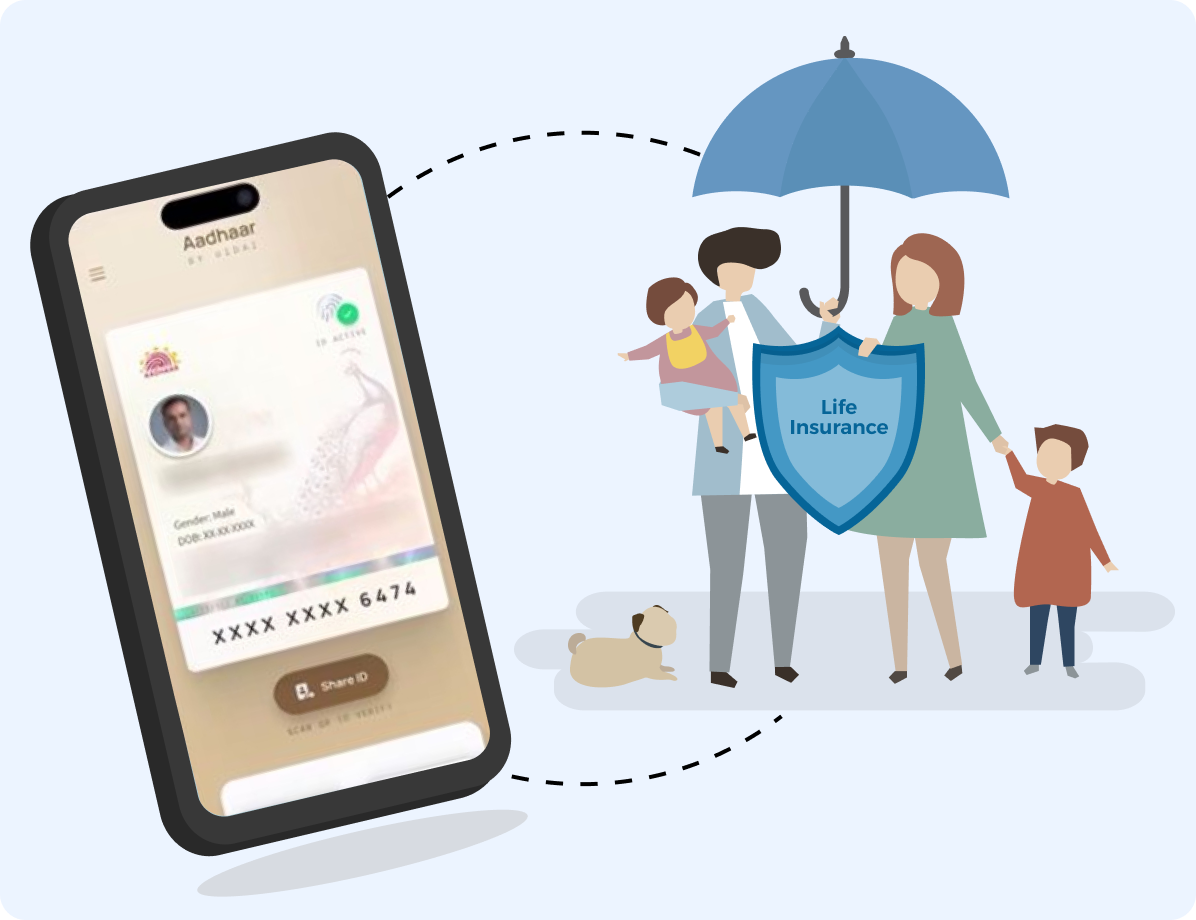
Linking your Aadhaar number to your life insurance policy is an essential process that ensures seamless regulatory compliance, secure financial transactions, and uninterrupted communication with your insurer. By connecting this unique 12-digit identification number issued by the Unique Identification Authority of India (UIDAI) to your insurance portfolio, you streamline claim settlements, prevent identity fraud, and update your demographic details across multiple financial institutions effortlessly.
Contents
Understanding the Importance of Linking Aadhaar to Insurance
The integration of the Aadhaar card with financial products has become a cornerstone of regulatory compliance in India. Driven by directives from the Insurance Regulatory and Development Authority of India (IRDAI) and prevention of money laundering guidelines, linking your biometric identity to your life insurance policies bridges the gap between your physical identity and your digital financial assets.
Life insurance is a long-term contract designed to financially protect your dependents in the event of an untimely demise or to provide a corpus upon maturity. When policy details are synchronized with Aadhaar, insurers can execute Know Your Customer (KYC) verifications instantly. This transparency drastically reduces administrative delays during critical times, such as maturity payouts or death claim settlements. Furthermore, insurers can transfer funds directly to the verified bank accounts linked with your Aadhaar via the Aadhaar Payment Bridge System (APBS), minimizing the risk of misrouted payments or fraudulent claims.
Prerequisites and Requirements Before You Begin
Before initiating the linking process, gathering the necessary documentation and verifying your contact details ensures a smooth experience. Preparation prevents common validation errors that can halt your application mid-way.
- Aadhaar Card Details: Keep your physical Aadhaar card, e-Aadhaar PDF, or the mAadhaar application handy to correctly input your 12-digit unique identification number.
- Registered Mobile Number: Your Aadhaar must be linked to an active mobile number. The system sends a One-Time Password (OTP) to this number to authenticate the transaction. If your mobile number is outdated, you must visit a nearby Aadhaar Seva Kendra to update it before proceeding with the insurance linkage.
- Policy Details: Collect your life insurance policy number, your registered client ID, and your exact date of birth as recorded with the insurance provider.
- Valid Identification and PAN: Keep your Permanent Account Number (PAN) and other standard KYC documents ready, as some insurers require secondary verification.
Methods to Link Aadhaar to Life Insurance Policies
Insurance providers generally offer multiple channels for policyholders to link their Aadhaar numbers. Depending on your technical proficiency and preference, you can choose the online portal, visit a local branch, or use offline communication methods.
| Method | Accessibility | Convenience Level | Processing Time |
|---|---|---|---|
| Online Insurer Portal | High (24/7 via internet) | High | Instant to 24 hours |
| Offline Branch Visit | Moderate (During working hours) | Low | 2 to 3 working days |
| Email or Physical Post | Moderate | Low | 3 to 5 working days |
| SMS/IVR (If supported) | High | Moderate | 24 to 48 hours |
1. Online Portal Method
Most major life insurance companies—such as the Life Insurance Corporation of India (LIC), HDFC Life, ICICI Prudential, and SBI Life—feature dedicated Aadhaar seeding portals on their official websites.
To use this method, navigate to the official website of your specific life insurance provider. Look for a section labeled "Update Aadhaar," "Aadhaar Seving," or "Online KYC." Enter your policy number and your registered mobile number. Once the system validates your input, an OTP will be dispatched to your Aadhaar-registered mobile number. Input the OTP into the designated field, provide your Aadhaar number, and submit the form. A reference or acknowledgment number will be generated for your records.
2. Offline Branch Visit
If you prefer personal assistance or encounter technical hurdles online, visiting the nearest branch office of your life insurance provider is a reliable alternative.
Fill out the mandatory Aadhaar linking or KYC update form available at the branch. Attach a self-attested photocopy of your Aadhaar card and your PAN card to the form. Submit these documents to the customer service representative. The representative will verify your original documents against the photocopies and process the request. Ensure you collect an acknowledgment slip stamped and signed by the bank or insurance official.
3. Email and Postal Submission
Certain insurers accept scanned documents via email or physical documents sent through registered post.
Download the Aadhaar updation form from the insurer's website, fill in all required policy and personal fields accurately, and attach clear, self-attested copies of your Aadhaar card. Email these documents to the official customer support address designated for KYC updates, or mail them directly to the insurer’s central processing unit. While convenient, this method typically takes longer due to manual verification processes.
Verifying Your Aadhaar Seeding Status
After completing the linking process, it is prudent to confirm whether your Aadhaar has been successfully seeded with your life insurance policy.
You can check the status by logging into your customer account on the insurer's portal, where the profile page usually displays a verified Aadhaar status tag. Alternatively, you can verify your overall bank and financial seeding status by visiting the official UIDAI portal or using the UMANG mobile application. By entering your Aadhaar number and authenticating via OTP, you can view which financial institutions and insurance databases have successfully mapped your identification details.
Common Mistakes to Avoid During the Linking Process
Avoiding common pitfalls saves time and prevents rejection of your Aadhaar-linking request.
- Mismatched Demographic Details: Ensure that your name, date of birth, and gender match exactly between your life insurance bond and your Aadhaar card. Even minor spelling variations can trigger an automated rejection by the insurer's validation gateway.
- Using Unverified Portals: Only input your sensitive identity data on the official, secure web pages (
https://) of your authorized insurance provider or government portals. Avoid third-party applications that claim to fast-track insurance KYC. - Ignoring Mobile Number Updates: If your old mobile number is inactive or no longer in your possession, attempting to link Aadhaar will fail because you will not receive the mandatory authentication OTP. Always update your contact details with UIDAI first.
Frequently Asked Questions
Is it mandatory to link Aadhaar to life insurance policies?
While historical mandates have evolved through regulatory frameworks, linking Aadhaar ensures compliance with Prevention of Money Laundering (PML) rules and facilitates smoother, faster claim settlements and maturity payouts. Insurers strongly encourage all policyholders to complete this process.
What should I do if my name on the insurance policy differs from my Aadhaar card?
You must get your demographic details corrected on either your insurance policy or your Aadhaar card so that both records match identically. Insurers cannot successfully link accounts if there are discrepancies in spelling, initials, or dates of birth.
Can I link multiple life insurance policies with the same Aadhaar number?
Yes. Your unique 12-digit Aadhaar number can be linked across multiple policies and with different insurance providers. You must complete the seeding process individually for each policy you hold with different companies.
Are there any fees charged for linking Aadhaar to life insurance?
Insurance companies do not charge any fees for linking your Aadhaar card to your policy online or through their branch networks. Be cautious of any fraudulent entities or agents requesting payment to complete this service.
How long does it take for the Aadhaar-linking status to reflect?
If completed online via the insurer’s portal using OTP authentication, the update usually reflects instantly or within 24 hours. Offline submissions via branch visits or postal mail may take anywhere from 3 to 7 working days for internal verification and system updating.
Next Actions
Review your current life insurance portfolio today and identify any unverified policies. Visit the official website of your respective insurance provider, navigate to their secure Aadhaar seeding section, and complete the authentication process to safeguard your financial benefits and ensure uninterrupted service.
Image Gallery