Understanding How Workers Compensation Fraud in Texas Impacts Employers
Workers' compensation fraud in Texas significantly impacts employers by inflating insurance premiums, diverting essential financial resources, and fostering a culture of mistrust within the workplace. Beyond the immediate fiscal damage...
Workers' compensation fraud in Texas significantly impacts employers by inflating insurance premiums, diverting essential financial resources, and fostering a culture of mistrust within the workplace. Beyond the immediate fiscal damage caused by fraudulent claims, businesses often face increased administrative scrutiny, higher experience modifiers, and the potential for long-term operational instability as insurance carriers tighten coverage policies in response to systemic abuse.
Contents
The Mechanism of Workers' Compensation Fraud
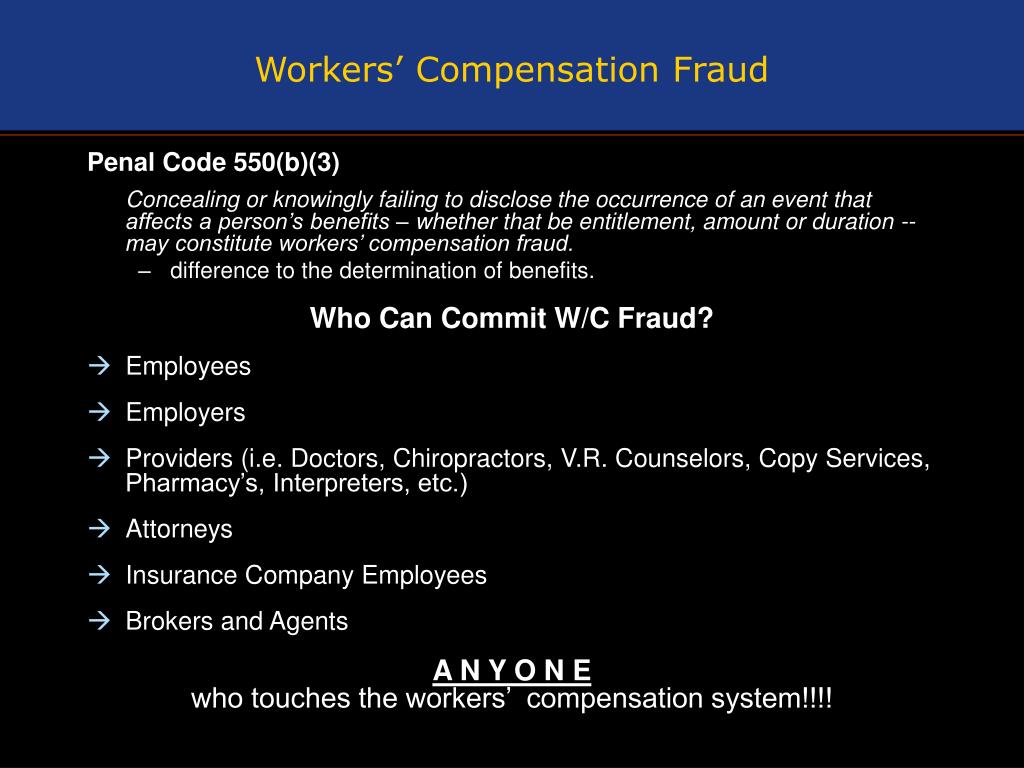
Workers' compensation fraud is generally categorized into two types: claimant fraud and employer fraud. Claimant fraud occurs when an employee exaggerates the extent of an injury, claims a non-work-related injury as work-related, or continues to collect benefits while gainfully employed elsewhere. Employer fraud typically involves premium fraud, where a business underreports payroll, misclassifies employees into lower-risk job categories, or hides workers "off the books" to reduce insurance costs.
In Texas, the unique structure of the workers' compensation system—where participation is elective for private employers—creates a complex landscape. When an employer opts into the system, they benefit from the "exclusive remedy" provision, which limits their liability for workplace injuries. However, fraud erodes the economic viability of this bargain, forcing insurance carriers to account for losses by increasing premiums for all policyholders within a specific industry class.
Financial Impacts on Texas Employers
The most immediate and quantifiable impact of fraud is the escalation of costs. Insurance premiums are calculated based on payroll, job classifications, and an employer’s loss history. When fraudulent claims are paid, they directly influence the employer’s Experience Modifier (ExMod). An increased ExMod persists for years, driving up insurance expenses long after the specific fraudulent claim has been resolved.
For small-to-mid-sized businesses, these financial shocks can be debilitating. Unlike larger corporations with significant cash reserves, smaller entities may lack the internal audit capabilities to detect patterns of fraud early. Consequently, they bear the full brunt of increased premiums, which can necessitate cuts in other areas such as equipment upgrades, employee benefits, or staff expansion.
Operational and Cultural Consequences
The impact of fraud extends well beyond the balance sheet. A single fraudulent claim can poison the workplace environment. When employees observe that a colleague has successfully exploited the system, it often leads to a decline in morale and increased skepticism from management toward legitimate injury reports. This "culture of doubt" can result in:
- Delayed Treatment for Legitimate Injuries: Managers may become hesitant to facilitate the claims process, inadvertently creating legal risk for the employer if a genuine injury is not addressed promptly.
- Reduced Employee Engagement: High-performing employees may feel resentful if the company’s financial health is compromised by the unethical actions of a peer.
- Administrative Burden: Employers are forced to invest time and capital into intensive investigative processes, including surveillance, medical record reviews, and legal consultations, distracting from core business objectives.
Regulatory Oversight and Reporting in Texas
In Texas, the Department of Insurance (TDI) oversees the investigation of insurance fraud through its Division of Workers' Compensation (DWC) and the Fraud Unit. Employers are not merely passive victims; they are vital participants in the integrity of the system. Failing to identify and report potential fraud is a missed opportunity to protect company assets and the broader insurance pool.
Employers have a legal obligation to report suspected fraud. Under Texas law, when an employer suspects a fraudulent claim, they should document the discrepancy thoroughly. This documentation serves as the evidentiary basis for the insurance carrier or the DWC to initiate a formal investigation.
Comparison of Fraud Impact Factors
| Impact Category | Effect on Employer | Long-Term Consequence |
|---|---|---|
| Direct Costs | Immediate rise in premium rates | Sustained higher insurance overhead |
| ExMod Rating | Higher experience modifier score | Difficulty bidding on government contracts |
| Productivity | Loss of man-hours to investigations | Operational delays and staff burnout |
| Legal Risk | Increased exposure to litigation | Stricter compliance and auditing mandates |
Best Practices for Mitigation
To mitigate the risk of fraud, Texas employers should adopt a proactive stance that emphasizes prevention and verification.
- Maintain Accurate Payroll Records: Regularly audit payroll data to ensure that all workers are properly classified. Misclassification, even if unintentional, can be flagged as fraud during a state audit.
- Robust Onboarding and Training: Educate employees on the workers' compensation process, emphasizing that the system exists for legitimate recovery. When employees understand that fraud harms the entire company, they are less likely to participate in it.
- Strict Return-to-Work Programs: Implementing a structured light-duty or return-to-work program is one of the most effective ways to deter fraud. If an employee knows that the company will accommodate a genuine injury with appropriate light duties, the incentive to claim total disability is significantly reduced.
- Prompt Incident Reporting: Investigate every workplace incident immediately. Collecting witness statements, photos of the scene, and supervisor notes within hours of an event minimizes the likelihood that a story will change over time.
Navigating Legal and Medical Ambiguity
One of the primary challenges for Texas employers is distinguishing between a legitimate injury that requires time to heal and a claim that is being manipulated. Medical documentation is the linchpin of the workers' compensation system. If an employer doubts the validity of a claim, they should work closely with their insurance carrier’s claims adjuster to request an Independent Medical Examination (IME).
It is important to note that employers should never attempt to intimidate an employee into withdrawing a claim. Such actions can lead to retaliation claims, which carry significant legal penalties under Texas employment law. Always rely on the established channels provided by the DWC and the insurance carrier to dispute questionable claims.
Frequently Asked Questions
How does a workers' compensation claim affect my insurance premium? Claims impact your experience modifier. Each claim is weighted based on the costs incurred. A single large, fraudulent, or poorly managed claim can significantly raise your premium rates for three years or more, as the insurance carrier adjusts for the perceived risk associated with your business.
Can an employer be held liable for fraud if they unknowingly underreport payroll? Yes. While intent is a factor in criminal fraud cases, employers are held responsible for the accuracy of their insurance filings. An audit can result in retroactive premium adjustments, interest payments, and potential administrative penalties, regardless of whether the underreporting was intentional.
What should I do if I suspect an employee is working elsewhere while on benefits? Document your findings—such as social media posts, witness reports, or photographs—and provide this information to your insurance carrier’s Special Investigations Unit (SIU). Do not confront the employee directly, as this could compromise a potential legal investigation or lead to personal liability for the business.
Do all Texas employers have to carry workers' compensation insurance? No. Texas is unique in that private employers can choose whether or not to provide workers' compensation coverage. However, those who do not carry coverage remain exposed to common-law negligence lawsuits from injured employees, which can be far more expensive than insurance premiums.
How does an IME help an employer? An Independent Medical Examination provides a neutral, second-opinion assessment of an injury. It is a critical tool for verifying the necessity and duration of medical treatment, helping to ensure that the employer is only paying for legitimate, work-related recovery needs.
Moving Forward: A Strategy for Protection
The most effective defense against the negative impacts of workers' compensation fraud is a combination of vigilant record-keeping and a supportive, transparent workplace culture. Employers should view their insurance carrier as a partner in risk management rather than just a vendor. By maintaining clear lines of communication with claims adjusters and fostering an environment where employees feel valued and supported, businesses can minimize the occurrence of fraud and ensure that their resources remain focused on growth and development. If you suspect ongoing abuse within your organization, contact your legal counsel or insurance representative to initiate a formal review of your current procedures.
Image Gallery