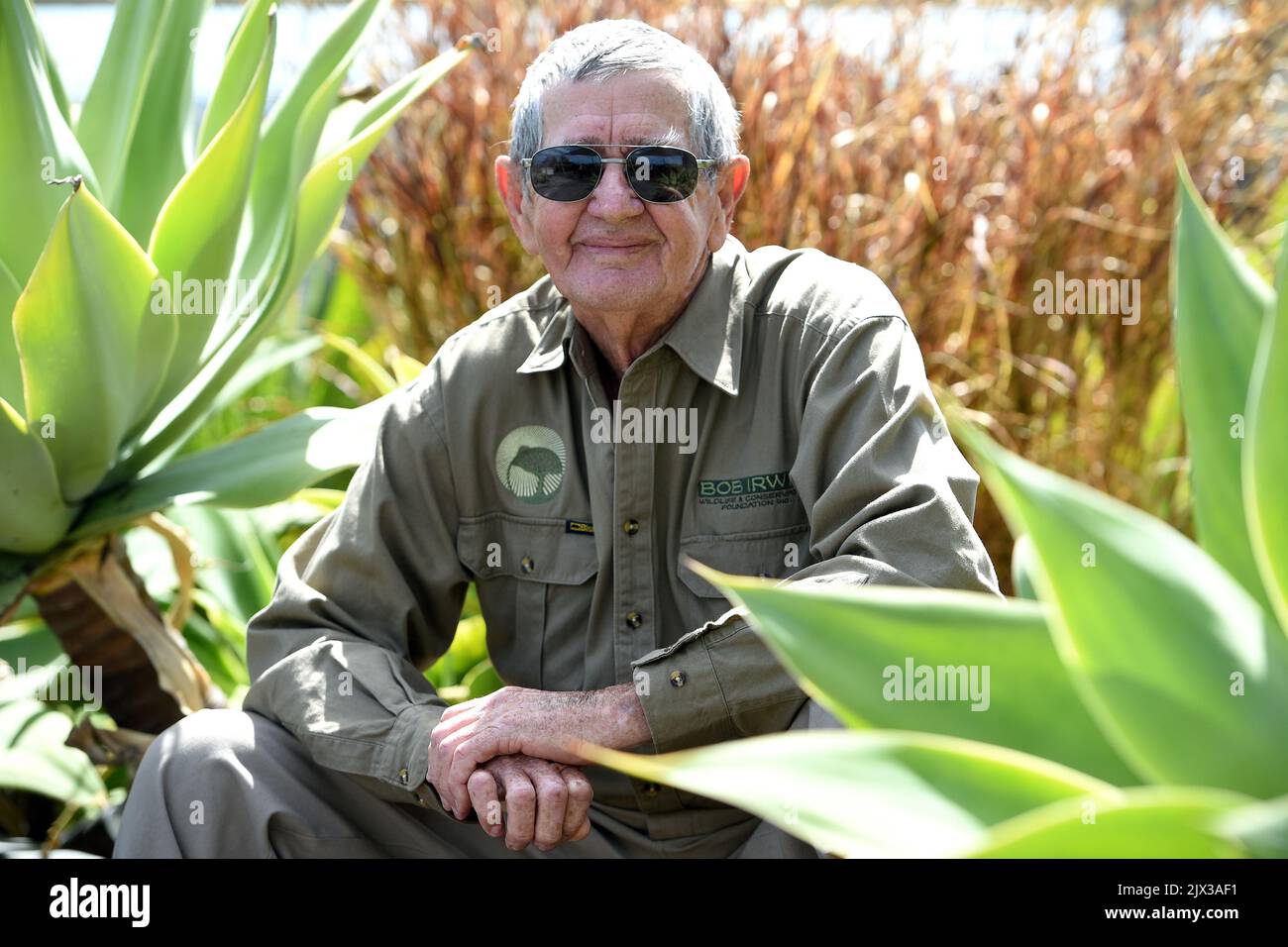
Bob Irwin Sr. and the Legacy of Conservation Leadership
Bob Irwin Sr. stands as a foundational figure in modern Australian wildlife conservation, best known for his pivotal role in establishing the Australia Zoo and his lifelong commitment to reptile biology and habitat protection. His work...
Bob Irwin Sr. stands as a foundational figure in modern Australian wildlife conservation, best known for his pivotal role in establishing the Australia Zoo and his lifelong commitment to reptile biology and habitat protection. His work transitioned wildlife management from traditional zoo models to an educational, conservation-led philosophy, creating a blueprint for environmental stewardship that remains influential in 2026.
Contents
The Foundation of a Conservation Ethos
The trajectory of Bob Irwin Sr.’s influence began well before the global recognition of the Irwin name. Operating through a lens of pragmatic field biology, Irwin prioritized the direct observation and ethical husbandry of native species. His primary contribution was not merely the collection of animals, but the creation of an environment where the public could interact with wildlife in a manner that fostered empathy and respect.
In the mid-20th century, the prevailing model for animal display was largely clinical and detached. Irwin, alongside his late wife Lyn, pioneered a "hands-on" approach. This was not for the sake of spectacle, but to demystify misunderstood creatures—particularly crocodiles and venomous snakes. By humanizing these animals, he shifted the public narrative from fear to fascination, a fundamental prerequisite for any successful conservation advocacy program.
Operational Philosophy: Wildlife as Partners
Bob Irwin Sr.’s leadership style was rooted in direct experience. Unlike administrators who managed conservation from offices, Irwin spent his days in the field, navigating the wetlands of Queensland and studying the behaviors of apex predators. His methodology relied on three core pillars:
- Field-First Knowledge: All conservation policy must be informed by primary field data rather than theoretical modeling.
- Community Education: Effective preservation requires the local community to perceive wildlife as a valuable, integral part of their ecosystem rather than a nuisance or a commodity.
- Sustainable Habitat Management: Protecting an animal is ineffective if its environment is not concurrently secured through land stewardship.
These pillars became the operational guidelines for the Australia Zoo, which, under his influence, evolved from a small wildlife park into a massive, multi-faceted conservation institution. This transition established a financial and cultural model for how private organizations can contribute to state and national biodiversity goals.
The Shift from Curator to Conservator
As the organization expanded, Bob Irwin Sr. underwent a transition from a curator of animals to a mentor of conservation leaders. He recognized early on that the sustainability of his efforts depended on the next generation of biologists and conservationists. This led to a pedagogical approach where he treated his staff, and eventually his family, as apprentices in the art of wildlife rescue and habitat management.
This legacy of leadership is evident in how the Irwin name has become synonymous with international conservation outreach. By institutionalizing his techniques, he ensured that the death of a specific leader would not equate to the death of the mission. The transition of the Australia Zoo into the 21st century was a direct result of the durable, resilient organizational culture he instilled, prioritizing the survival of species over the convenience of human development.
Comparing Wildlife Management Models
The contribution of Bob Irwin Sr. can be evaluated by comparing traditional zoological approaches with the conservation-centric model he refined.
| Feature | Traditional 20th-Century Zoo | The Irwin Conservation Model |
|---|---|---|
| Primary Goal | Entertainment and public viewing | Conservation and public education |
| Species Focus | Exotic or rare for novelty | Native species and critical habitat |
| Interaction Style | Barriers/Glass separation | Immersive education and direct contact |
| Funding Allocation | Infrastructure and marketing | Field research and land purchase |
| End Result | Passive observation | Active stewardship and advocacy |
The Critical Role of Habitat Protection
Perhaps the most enduring element of Bob Irwin Sr.’s legacy is his emphasis on land acquisition for conservation. He recognized early on that zoos, no matter how well-run, are only a "safety net." The real war for biodiversity is fought in the wild. His advocacy for land purchases in Queensland created "wildlife corridors," which allowed species to migrate and hunt without crossing human-dominated landscapes.
In 2026, these protected areas serve as living laboratories. They demonstrate that land can be managed productively—supporting biodiversity while sequestering carbon—without requiring intensive development. This balanced approach to land use continues to inform legal frameworks regarding environmental land covenants in Australia.
Addressing Common Challenges in Wildlife Leadership
Individuals looking to follow in the footsteps of traditional conservation leaders like Bob Irwin Sr. often face specific, systemic obstacles. Understanding these challenges is essential for effective environmental work today.
- Regulatory Complexity: In modern Australia, the permit process for wildlife handling is rigorous. Leaders must possess not only passion but a deep understanding of environmental law.
- Funding Fluctuations: Conservation projects are often vulnerable to economic cycles. The Irwin model suggests diversifying revenue streams through eco-tourism to fund long-term research.
- The "Public Perception" Gap: Species such as crocodiles or venomous snakes suffer from "charismatic megafauna bias," where the public is less willing to fund their protection compared to cuddlier animals. The solution is rigorous, evidence-based public education campaigns.
Frequently Asked Questions
What was Bob Irwin Sr.’s primary contribution to conservation? His primary contribution was the integration of hands-on, field-based wildlife education with habitat preservation, effectively shifting the role of the modern zoo from an exhibition space to a conservation hub.
How did he change the way the public views dangerous reptiles? He championed a philosophy of demystification. By interacting with crocodiles and snakes safely and respectfully, he challenged the public’s fear, replacing it with an intellectual curiosity that proved essential for wildlife protection initiatives.
Is the legacy of Bob Irwin Sr. still relevant in 2026? Yes. His focus on land stewardship and the creation of wildlife corridors remains a benchmark for environmental management, providing a proven roadmap for current organizations facing habitat fragmentation.
What advice did he provide for aspiring conservationists? He consistently emphasized that true conservation requires time in the field. He taught that one cannot protect a species effectively without understanding its natural behavior, environment, and the threats posed to its specific ecosystem.
How is the Australia Zoo currently continuing his work? The organization continues to operate on the principles of direct action, using the revenue generated from educational tourism to fund massive land acquisitions and research programs that protect threatened species in their natural habitats.
Next Steps for Wildlife Enthusiasts
If you are interested in continuing the legacy of conservation leadership, begin by identifying a local ecosystem that is under threat. Engaging with regional land-trust programs is the most practical way to participate in the "habitat first" philosophy championed by Bob Irwin Sr. By supporting local land covenants or volunteering for species-monitoring programs, you contribute directly to the kind of ground-level conservation that defines a lasting legacy.
Image Gallery