Understanding the CD Type Annuity: Features, Benefits, and Risks
A "CD type annuity" typically refers to a multi-year guaranteed annuity (MYGA), a fixed financial product that offers a guaranteed interest rate for a specified period, functioning similarly to a traditional bank Certificate of Deposit...
A "CD type annuity" typically refers to a multi-year guaranteed annuity (MYGA), a fixed financial product that offers a guaranteed interest rate for a specified period, functioning similarly to a traditional bank Certificate of Deposit while providing tax-deferred growth and insurance contract protections.
Contents
Navigating the landscape of fixed-income and retirement products requires a careful balance between safety, yield, and liquidity. When individuals look for alternatives to traditional banking instruments that might offer higher yields or tax advantages, they often encounter hybrid concepts. Among these, the "CD type annuity"—more formally known in the financial industry as a Multi-Year Guaranteed Annuity (MYGA)—stands out. Understanding how these products operate helps investors determine whether they fit into a broader wealth-preservation or retirement income strategy.
Because financial products carry distinct structural rules, fees, and regulatory environments, examining the mechanics of a MYGA clarifies its similarities to and differences from a standard bank Certificate of Deposit (CD). This guide explores the foundational definitions, structural mechanics, pros and cons, tax implications, and practical decision-making criteria associated with these instruments.
Defining the Multi-Year Guaranteed Annuity (MYGA)
To understand a CD type annuity, one must first recognize its official designation. Financial institutions and insurance companies issue Multi-Year Guaranteed Annuities (MYGAs) as a subclass of fixed deferred annuities.
MYGA CORE STRUCTURE:
- Issuer: Insurance Company
- Primary Objective: Capital Preservation & Growth
- Rate Guarantee Period: 3 to 10 Years
- Tax Treatment: Tax-Deferred Growth
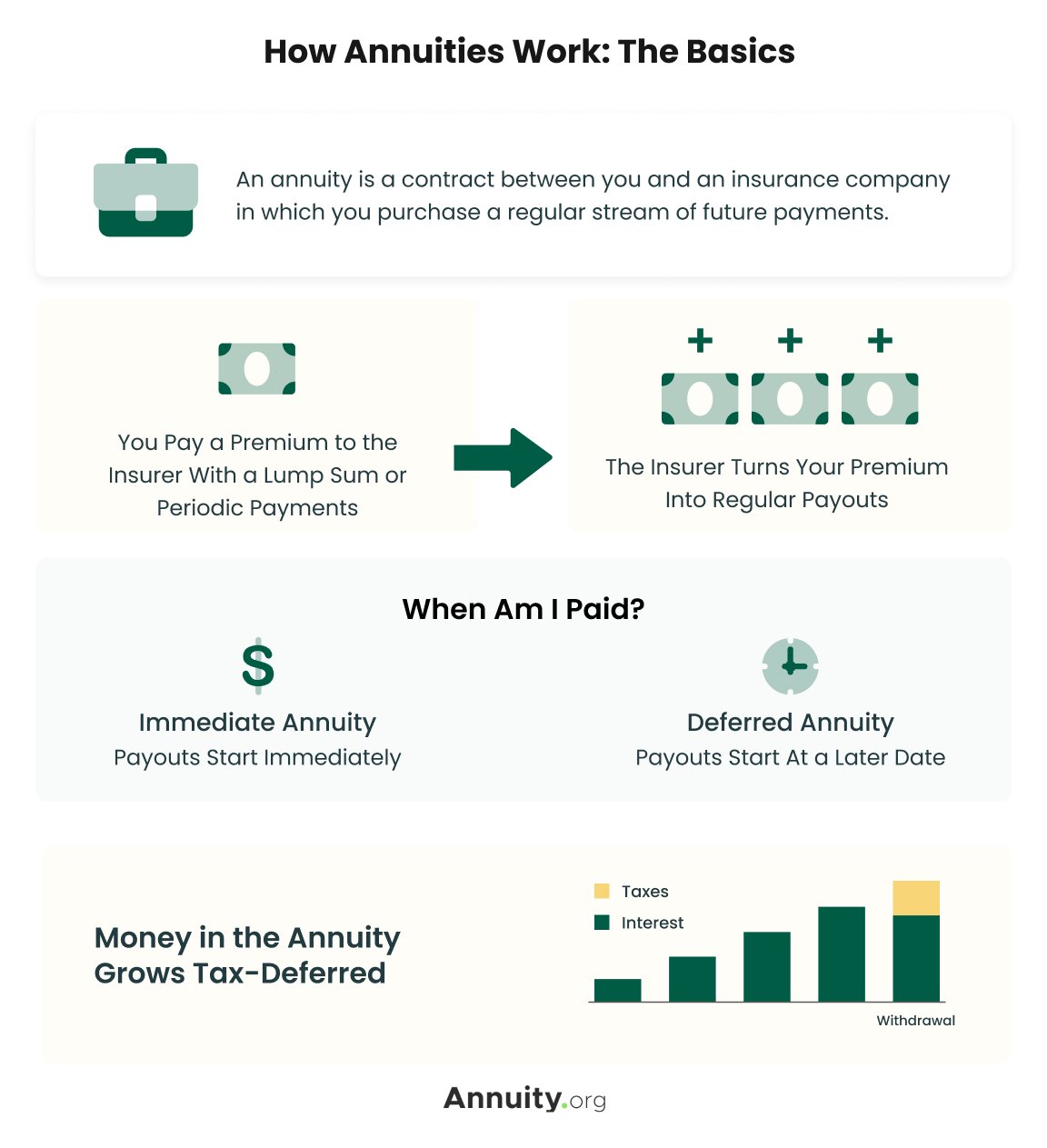
When an investor purchases a MYGA, they enter into a contract with an insurance carrier. The investor pays a lump-sum premium, and in exchange, the insurer promises to pay a fixed rate of interest for a predetermined term, typically ranging from three to ten years. At the end of this term, the contract holder can withdraw the principal plus accumulated interest, roll the funds into a new MYGA term, or annuitize the balance.
The nickname "CD type annuity" arises because the fundamental return mechanism mirrors a bank CD: money is locked away for a set duration in exchange for a guaranteed, unchanging interest rate. However, while a bank CD is a debt instrument issued by a depository institution, a MYGA is an insurance contract backed by the claims-paying ability of the issuing insurance company.
Key Mechanics: How a MYGA Operates
Operating a MYGA involves specific phases and operational rules that govern contributions, interest crediting, and withdrawals.
Premium Payments and Accumulation
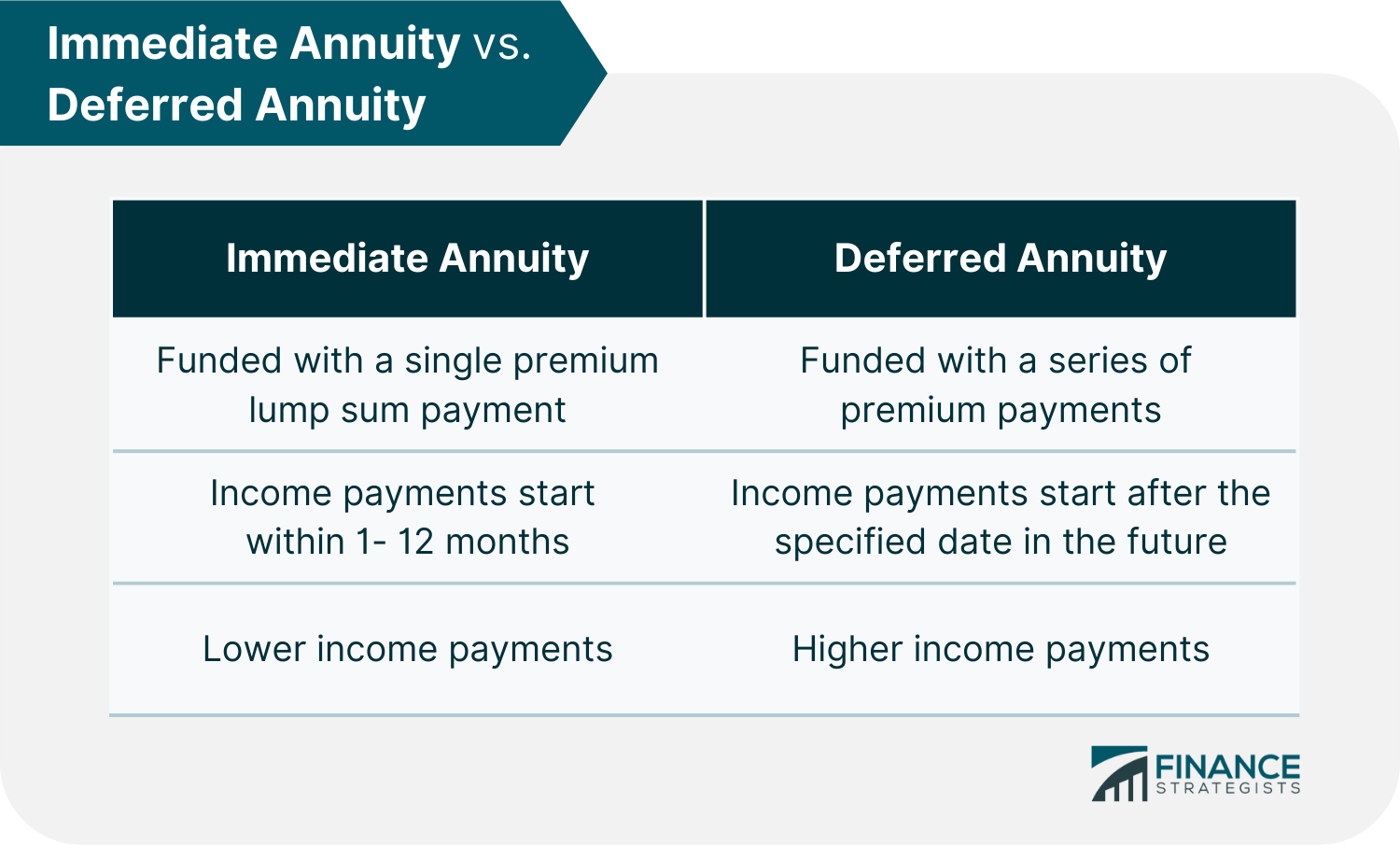
Unlike flexible-premium annuities, which allow ongoing contributions over time, most MYGAs are single-premium products. The investor makes a one-time deposit upon opening the contract. This lump sum immediately begins accumulating interest on a compound basis. Because the rate is locked for the entire duration of the term, market fluctuations do not affect the credited interest rate.
Surrender Charges and Liquidity Limitations
A major point of comparison between bank CDs and MYGAs involves liquidity. While both products feature penalties for early withdrawal, the structure and duration of these penalties differ significantly:
- Bank CDs: Typically impose an early withdrawal penalty equal to a few months' to a year's worth of interest, after which the principal remains fully accessible.
- MYGAs: Feature structured surrender charge schedules that often span the entire length of the guarantee period (e.g., 7% in year one, declining by 1% each year until reaching 0%). Exceeding the penalty-free withdrawal allowance—usually limited to 10% of the accumulated value per year—triggers these steep charges, which can eat into the initial principal.
Market Value Adjustments (MVA)
Many MYGA contracts include a Market Value Adjustment clause. An MVA can increase or decrease the surrender value of the annuity if the contract holder withdraws funds prematurely. If general market interest rates have risen significantly since the contract was purchased, the MVA will reduce the payout. Conversely, if market rates have dropped, the MVA may increase the payout.
Comparing MYGAs and Traditional Bank CDs
Evaluating a CD type annuity against a traditional bank CD highlights distinct trade-offs regarding safety, yield, taxation, and accessibility.
| Feature | Bank Certificate of Deposit (CD) | Multi-Year Guaranteed Annuity (MYGA) |
|---|---|---|
| Issuing Entity | Banks and Credit Unions | Insurance Companies |
| Regulatory Body | FDIC or NCUA | State Insurance Commissioners |
| Safety Net | Federal deposit insurance up to $250,000 per depositor | State guaranty associations (variable limits by state) |
| Tax Treatment | Interest taxed annually as ordinary income | Interest grows tax-deferred until withdrawal |
| Liquidity / Penalties | Interest forfeiture for early withdrawal | Surrender charges and potential Market Value Adjustment |
| Probate Avoidance | Requires a designated beneficiary or POD structure | Passes directly to named beneficiaries, bypassing probate |
Tax Advantages and Implications
One of the primary drivers for selecting a MYGA over a bank CD is tax treatment.
With a traditional bank CD, the interest earned each year is reported on a Form 1099-INT and taxed as ordinary income in the year it is credited, even if the investor leaves the funds inside the CD to compound. This annual tax drag reduces the net growth rate for individuals in high tax brackets.
Conversely, a MYGA benefits from tax-deferred growth. Interest accumulates within the contract without triggering annual taxable events. Taxes are only assessed when withdrawals are made.
The Last-In, First-Out (LIFO) Rule
When withdrawals occur from a non-qualified MYGA (purchased with after-tax dollars), the IRS applies LIFO accounting. This means any withdrawals are treated first as taxable earnings rather than a return of the original principal. Furthermore, withdrawals taken prior to age 59½ may incur an additional 10% IRS early withdrawal penalty on the earnings portion.
Safety, Solvency, and Regulatory Backing
Security is paramount for conservative investors considering fixed-income instruments. While bank CDs rely on the Federal Deposit Insurance Corporation (FDIC) or the National Credit Union Administration (NCUA), annuities rely on a different safety architecture.
Insurance companies back MYGAs using their general accounts, investing primarily in high-grade corporate bonds and government securities to match their liabilities. To evaluate an insurer's financial stability, buyers look to independent rating agencies such as A.M. Best, Standard & Poor's, Moody's, and Fitch.
Additionally, state life and health insurance guaranty associations provide a safety net if an insurance carrier becomes insolvent. Coverage limits vary by state—frequently capping protection at $250,000 of present value per life, per insurer—making it vital to check local state regulations before purchasing.
Pros and Cons of a CD Type Annuity
Like any financial vehicle, MYGAs present specific advantages and disadvantages depending on an individual's financial timeline and goals.
Advantages
- Guaranteed Returns: Provides predictable, locked-in interest rates unaffected by stock market downturns.
- Tax Deferral: Allows assets to compound without annual tax liabilities, optimizing long-term growth.
- Estate Planning Efficiency: Bypasses probate when a valid beneficiary is designated, allowing for faster transfer of assets upon death.
- Competitive Yields: Often offer higher interest rates than comparable bank CDs, particularly during shifting interest rate environments.
Disadvantages
- Liquidity Constraints: Severe surrender charges and Market Value Adjustments restrict access to capital before the term ends.
- Tax Penalties on Early Access: Withdrawals before age 59½ can trigger IRS penalties alongside standard income taxes.
- No FDIC Protection: Safety depends on the financial strength of the issuing insurance company and state guaranty association limits rather than federal backing.
- Opportunity Risk: Locking money into a fixed rate for multiple years prevents the investor from capitalizing if broader market interest rates rise significantly.
Who Should Consider a MYGA?
A CD type annuity suits specific investor profiles. It is generally designed for conservative savers, retirees, or pre-retirees who prioritize capital preservation over high-risk growth. Individuals seeking a predictable income stream for a specific future date—such as funding a grandchild's education or securing a portion of retirement income without equity market exposure—frequently utilize MYGAs.
Conversely, younger investors needing high liquidity, individuals uncomfortable with insurance company credit risk, or those seeking aggressive capital appreciation through equities should look toward alternative investment vehicles.
Financial planning often involves consulting a fiduciary advisor to evaluate how tax-deferred fixed annuities integrate with existing retirement portfolios, social security strategies, and emergency funds.
Frequently Asked Questions
What happens to a MYGA at the end of the term?
When the guarantee period expires, the contract enters a window period—typically 30 days. During this time, the investor can withdraw the full accumulation value penalty-free, transfer the funds into a new MYGA term with the same or a different insurer, or annuitize the balance into a stream of income. If no action is taken, the insurer typically rolls the funds into a new default term automatically.
Are MYGAs completely risk-free?
While MYGAs eliminate market risk by guaranteeing principal and interest, they carry default risk and liquidity risk. Default risk depends on the financial stability of the insurance company. Liquidity risk stems from strict surrender charges that make accessing the funds expensive before the contract term concludes.
Can I lose money in a Multi-Year Guaranteed Annuity?
Under normal circumstances, you cannot lose your principal or accumulated interest as long as you hold the contract through the entire term and the insurance company remains solvent. However, if you withdraw funds early and trigger surrender charges or a negative Market Value Adjustment, your total payout could be less than your initial deposit.
How are MYGA earnings taxed upon withdrawal?
Earnings withdrawn from a non-qualified MYGA are taxed as ordinary income rather than capital gains. Because the IRS uses LIFO (Last-In, First-Out) accounting for annuities, any money withdrawn is considered interest first until all accumulated earnings have been distributed and taxed.
Can I move money from a bank CD into a MYGA?
Yes, investors frequently transfer funds from maturing bank CDs into MYGAs to secure higher interest rates and benefit from tax-deferred growth. This can be done via a direct transfer or by cashing out the CD and writing a personal check for the single-premium payment, though timing the transition carefully avoids missed interest.
Conclusion and Next Actions
Understanding the CD type annuity reveals it to be a specialized insurance product designed for conservative wealth preservation rather than a direct clone of a bank deposit. By offering fixed yields, tax-deferred growth, and estate planning benefits, MYGAs serve as a viable bridge between traditional banking products and risk-bearing market investments.
To take the next step, review your current liquidity needs, verify the financial ratings of prospective insurance carriers, and consult a qualified financial professional to assess how tax-deferred fixed products fit into your comprehensive retirement strategy.
Image Gallery