Typical Beneficiary for Life Insurance Explained
A typical beneficiary for life insurance is the individual, entity, or trust designated to receive the death benefit payout upon the policyholder's passing. While spouses are the most frequent primary beneficiaries, individuals often c...
A typical beneficiary for life insurance is the individual, entity, or trust designated to receive the death benefit payout upon the policyholder's passing. While spouses are the most frequent primary beneficiaries, individuals often choose children, business partners, or legal trusts to ensure financial stability and alignment with their long-term estate planning goals.
Contents
Defining the Role of a Beneficiary
A beneficiary is the person or entity legally entitled to receive the proceeds of a life insurance policy. When you purchase a policy, the insurer requires you to name at least one beneficiary to ensure the death benefit is disbursed according to your explicit wishes. If no beneficiary is named or if the named beneficiary has predeceased the policyholder, the benefit typically defaults to the policyholder's estate, which can lead to legal delays and probate court involvement.
Choosing a beneficiary is one of the most critical steps in the life insurance application process. This decision dictates how your financial legacy is distributed and whether your loved ones will have immediate access to funds to cover funeral expenses, debts, or daily living costs. Because life insurance benefits generally bypass the probate process—the court-supervised procedure for distributing an estate—naming a clear, living beneficiary allows for a faster and more private transfer of assets.
Primary vs. Contingent Beneficiaries
To protect against unforeseen circumstances, most insurers allow for the designation of both primary and contingent beneficiaries.
- Primary Beneficiary: This is the first person or entity in line to receive the death benefit. If the primary beneficiary is alive and able to accept the funds at the time of your death, they receive the full payout.
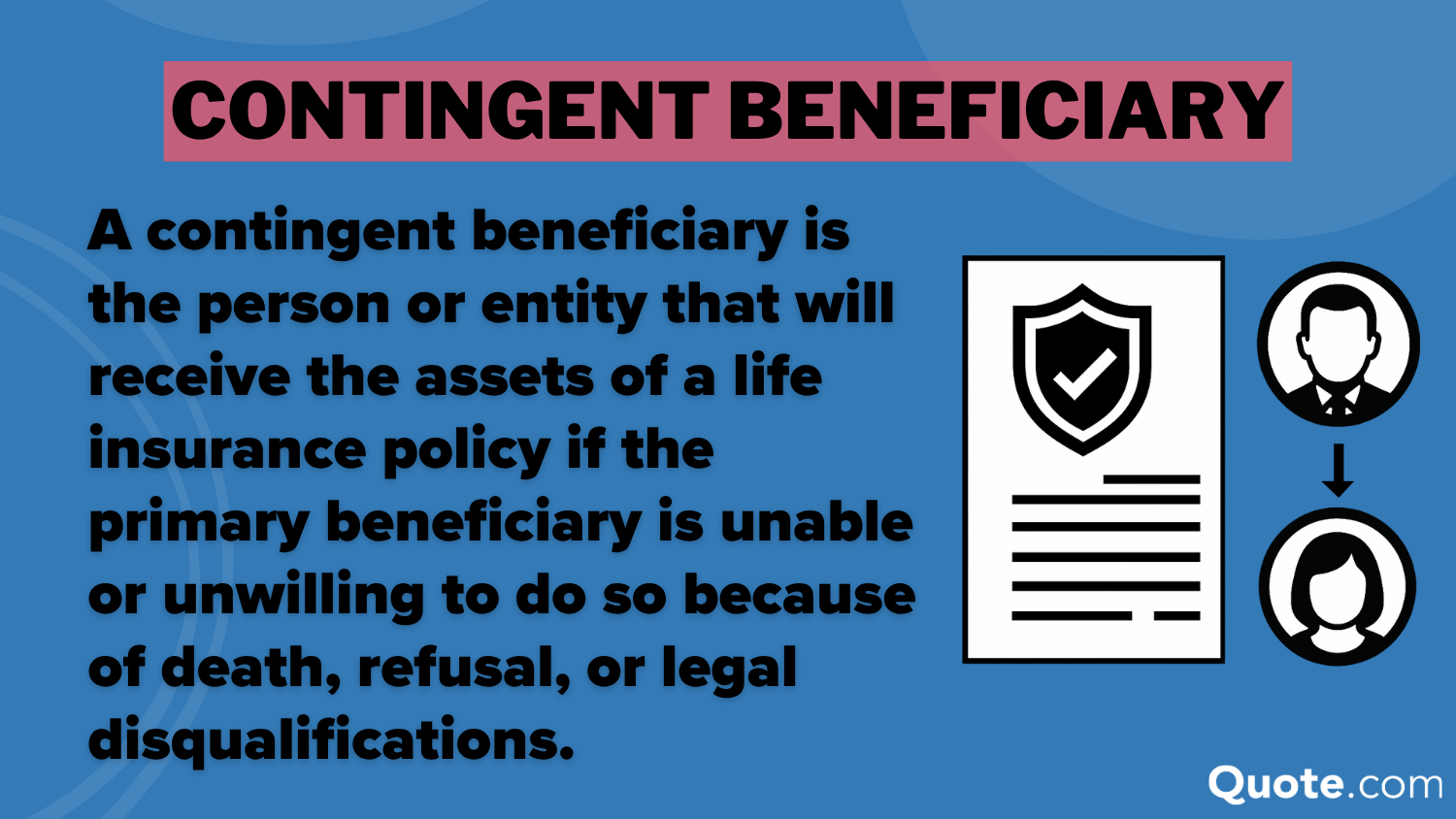
- Contingent (Secondary) Beneficiary: This is the person or entity who receives the benefit if all primary beneficiaries have passed away before the policyholder. This acts as a safety net, ensuring that the insurance proceeds are still directed to your preferred parties rather than becoming part of your general estate.
It is possible to name multiple beneficiaries in either category. If you name multiple primary beneficiaries, you must define the percentage of the benefit each should receive. For instance, you might allocate 50% of the proceeds to a spouse and 25% each to two children.
Who Can Be a Beneficiary?
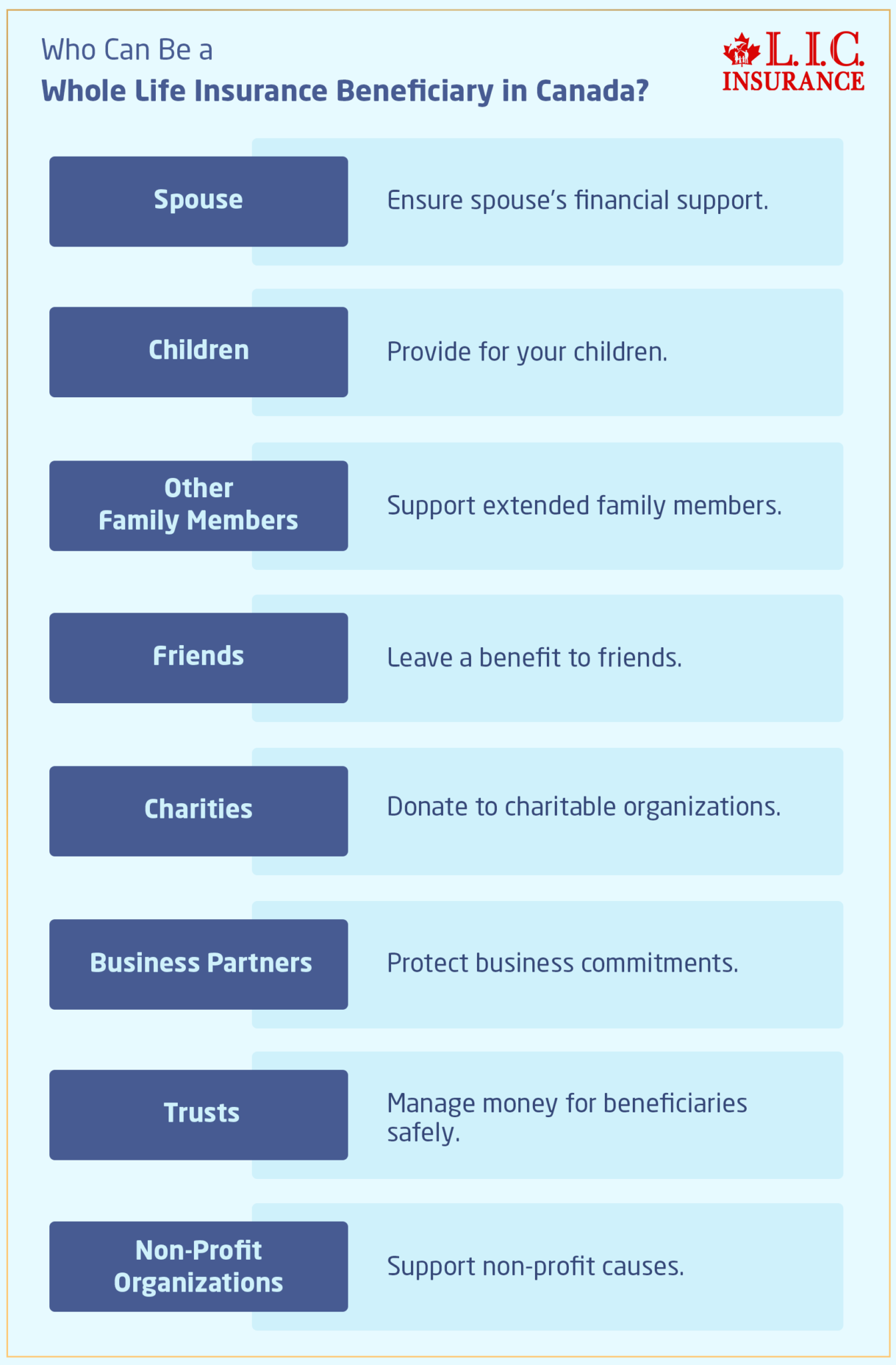
The legal flexibility of life insurance allows for a diverse range of beneficiaries. While most people choose immediate family, the following designations are common:
- Spouses: The most common beneficiary, providing the surviving partner with immediate liquidity.
- Children: Often chosen to provide for future education or living expenses. However, minor children cannot legally own or manage large sums of money, which often necessitates the use of a trust or a guardian.
- Trusts: A common choice for high-net-worth individuals or those with complex family situations. A trust allows you to dictate how and when the funds are distributed to your heirs.
- Charities or Non-Profits: Some policyholders choose to leave a portion or all of their death benefit to a philanthropic organization.
- Business Partners: In "Key Person" insurance or buy-sell agreements, a business partner may be named as a beneficiary to provide the cash needed to buy out the deceased owner’s interest in the company.
- The Estate: Naming your estate as the beneficiary is generally discouraged by financial advisors because it subjects the life insurance proceeds to probate, where they may be claimed by creditors before reaching your heirs.
Considerations for Minors
Naming a minor child as a direct beneficiary presents significant logistical hurdles. Insurance companies typically will not pay a death benefit directly to a child under the age of majority (usually 18 or 21, depending on the jurisdiction). If you do not have a trust in place, the court will likely appoint a property guardian to manage the funds, which involves ongoing oversight and administrative fees. To avoid this, many experts recommend setting up a testamentary trust or a life insurance trust (ILIT) and naming that trust as the beneficiary for the minor child.
Comparison of Common Beneficiary Designations
| Beneficiary Type | Key Advantage | Key Consideration |
|---|---|---|
| Spouse | Simplifies financial transition | Requires update in case of divorce |
| Trust | Provides control over distribution | Requires legal setup and maintenance |
| Children (Adult) | Direct transfer of assets | Must be mature enough to manage funds |
| Business Partner | Funds business continuity | Requires formal buy-sell agreement |
| Charity | Supports legacy and tax efficiency | Usually irreversible once payout occurs |
Legal and Practical Requirements for Designation
When naming a beneficiary, precision is vital. Insurers require specific identifying information, such as the full legal name, date of birth, and Social Security number of the individual. Using vague labels, such as "my children" or "my spouse," can create significant conflict and delay. If your children grow up or your spouse remarries, these descriptors may become ambiguous. Always use full legal names and update these designations after major life events, such as marriage, divorce, the birth of a child, or the death of a previous beneficiary.
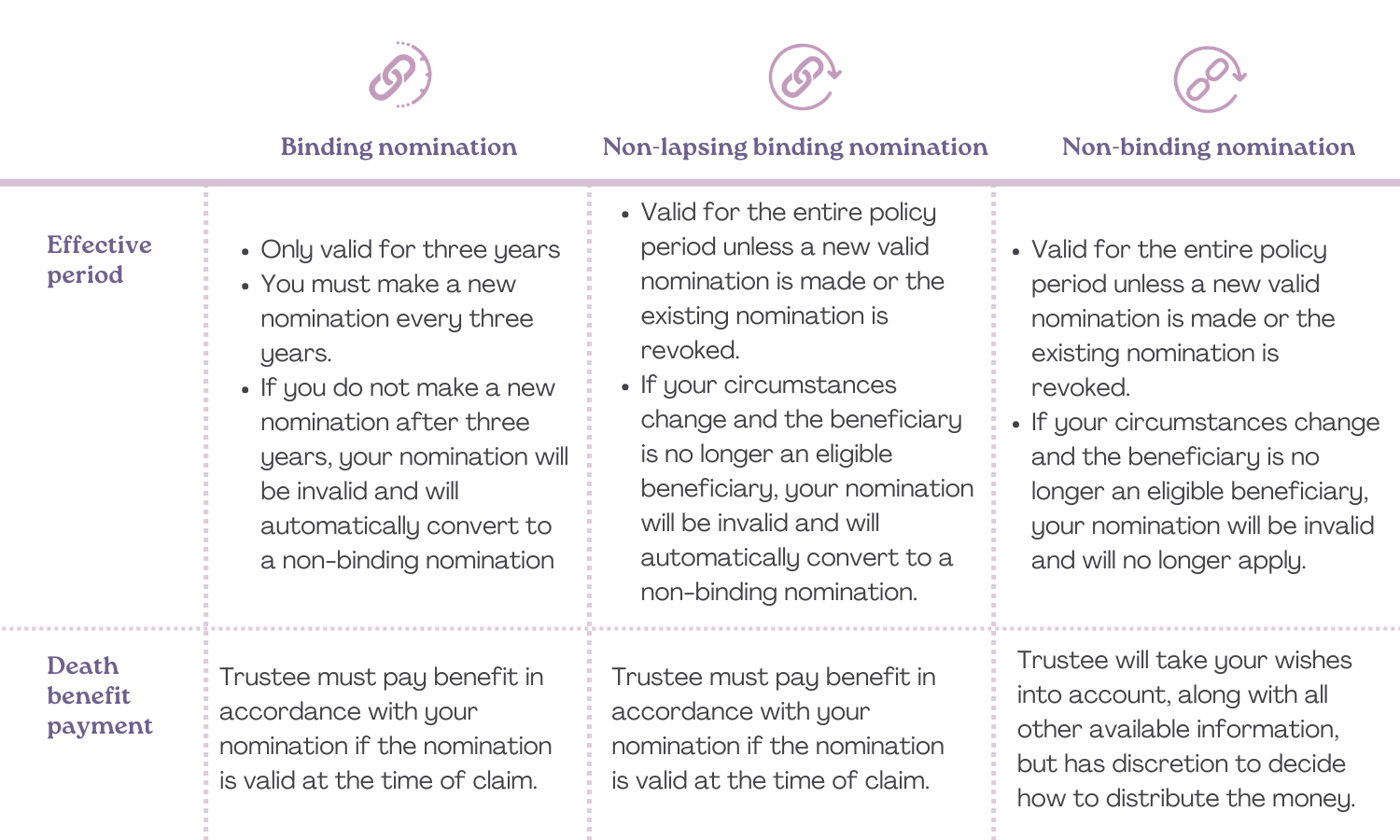
The designation of a beneficiary is generally revocable, meaning the policyholder can change it at any time during the life of the policy by submitting a change-of-beneficiary form to the insurer. However, some policies or legal arrangements (such as court-ordered divorce decrees) may include an "irrevocable beneficiary" status. An irrevocable beneficiary must consent to any changes or policy loans, which effectively gives them a protected interest in the policy.
Common Mistakes to Avoid
Many policyholders treat the beneficiary designation as a "set it and forget it" task. This leads to several common pitfalls:
- Failing to Update After Divorce: In some states, laws may automatically invalidate a former spouse as a beneficiary upon divorce, but in other jurisdictions, the policyholder must manually remove the ex-spouse. Failure to do so can lead to costly legal battles.
- Neglecting Contingent Beneficiaries: If the primary beneficiary dies and no contingent is named, the death benefit may be delayed or tied up in the probate process.
- Assuming Wills Override Insurance: A common misconception is that a will determines who gets the life insurance money. In reality, the beneficiary designation form on file with the insurance company is the legal document that governs the distribution. Your will does not override the beneficiary form.
Reviewing and Maintaining Your Policy
Life insurance should be reviewed annually or whenever a major life event occurs. In 2026, as in previous years, insurance providers emphasize that keeping your contact and beneficiary information current is the single most important action to ensure your death benefit reaches the right person without unnecessary friction.
If you are unsure who is currently listed as your beneficiary, contact your insurance provider or the agent who sold you the policy. Most insurers provide an online portal where you can view your current beneficiary designations. If you find they are outdated, complete a beneficiary change form immediately. If you have complex estate planning needs, consider consulting with a qualified estate attorney or a certified financial planner (CFP) to ensure your life insurance strategy aligns with your broader financial plan.
Frequently Asked Questions
Can I name my estate as the beneficiary? Yes, you can, but it is rarely recommended. When the estate is the beneficiary, the life insurance proceeds become part of your probate estate. This means the money could be used to pay off debts or taxes, and it may be delayed by the legal process of settling an estate.
What happens if all my named beneficiaries pass away before I do? If no surviving beneficiary is listed and no contingent beneficiary is named, the insurance company will typically pay the proceeds to your estate. This is why it is essential to name a contingent beneficiary and review your policy periodically.
Does a divorce decree automatically remove an ex-spouse from a policy? It depends on state law and the specific language of the divorce decree. While some states have "revocation-on-divorce" statutes, relying on these is risky. It is far safer and more effective to explicitly update your beneficiary designation form with the insurance company immediately following a divorce.
Can I name a charity as a beneficiary? Yes, many people name a 501(c)(3) nonprofit as either a primary or partial beneficiary. Ensure you have the organization's full legal name and their tax identification number (EIN) to avoid any confusion during the claims process.
Why does the insurance company need the Social Security number of my beneficiary? Providing a Social Security number helps the insurer positively identify the beneficiary. In the event of a death claim, this prevents confusion if there are multiple individuals with the same name, ensuring the funds are distributed correctly and promptly.
How do I make an irrevocable beneficiary designation? This is typically done by electing an irrevocable designation status on the beneficiary form provided by the insurer. Once this is done, you cannot change the beneficiary or borrow against the policy without that person’s signed consent. This is a serious legal step that should only be taken with the advice of an attorney.
Next Steps for Policyholders
To ensure your wishes are carried out, audit your life insurance policies today. Verify that your primary and contingent beneficiaries are current, their legal names are correct, and your contact information is up to date. If you have undergone significant life changes in the last few years, contact your insurance carrier to obtain the necessary forms to update your beneficiaries. This simple administrative check ensures that your financial protection strategy remains effective for those you intend to support.
Image Gallery