Does Allstate Require a Membership to Get Auto Insurance?
No, Allstate does not require a membership for you to obtain, purchase, or maintain an auto insurance policy. Unlike certain wholesale retail clubs or specialized insurance cooperatives that mandate an active membership status to acces...
No, Allstate does not require a membership for you to obtain, purchase, or maintain an auto insurance policy. Unlike certain wholesale retail clubs or specialized insurance cooperatives that mandate an active membership status to access coverage, Allstate operates as a traditional private insurance carrier. You can solicit a quote, undergo the underwriting process, and secure a policy regardless of whether you belong to any professional organization, retail loyalty program, or private club.
Contents
Understanding the Allstate Insurance Model
Allstate is a publicly traded, shareholder-owned insurance provider that offers coverage directly to the general public. Because it is a commercial carrier rather than a mutual aid society or a member-restricted affinity group, the primary qualification for coverage is meeting the company’s internal underwriting guidelines. These guidelines focus on risk assessment—such as your driving history, the type of vehicle you intend to insure, your geographical location, and your claims history—rather than your status as a member of a specific group.
When you contact an Allstate agent or visit their digital portal to request a quote, the system evaluates your risk profile based on actuarial data. If you meet their criteria, you are eligible to purchase a policy. There are no dues, entrance fees, or subscription tiers required to become an Allstate policyholder.
Why the Confusion About Membership Requirements
The confusion regarding "membership" in the context of insurance often stems from a few specific industry practices that do not apply to Allstate but frequently dominate the consumer landscape:
- Mutual Insurance Companies: Some insurance providers are structured as mutual companies, where policyholders are technically considered "members" because they own a portion of the company through their policy. While this creates a membership-like relationship, it does not require you to pay a subscription fee to join; the policy itself is the mechanism of membership.
- Affinity Groups and Warehouse Clubs: Organizations like AAA or wholesale clubs (e.g., Costco) often partner with insurance carriers to offer exclusive discounts to their members. If you were searching for insurance through these channels, you would indeed need a membership to access those specific carrier rates. Some consumers conflate these partnership programs with the insurance carriers themselves.
- Professional or Educational Affiliations: Some insurers offer discounts based on memberships in specific professional associations, alumni groups, or labor unions. These are optional, discount-related memberships, not mandatory requirements for coverage.
Eligibility and Prerequisites for Allstate Auto Coverage
While you do not need a membership to buy insurance from Allstate, you must satisfy legal and regulatory prerequisites to obtain a standard auto insurance policy. These requirements are governed by state law and the insurer’s risk assessment protocols, not by membership status.
1. Valid Driver’s License
You must hold a valid driver’s license issued by a state or territory within the United States. If your license is suspended, revoked, or expired, you generally cannot be the primary policyholder or a listed driver on an auto insurance policy until that status is rectified.
2. Insurable Interest
To insure a vehicle, you must have an "insurable interest" in it. This typically means you hold the title or a legal financial stake in the vehicle. If you do not own the vehicle, you may have difficulty securing a policy for it, though exceptions exist for family members living in the same household.
3. State-Mandated Minimums
Every state has specific financial responsibility laws. Even if Allstate approves you for coverage, the policy must meet the state-mandated minimum liability limits. If you reside in a state with "no-fault" insurance laws, your policy will be structured to comply with those specific local requirements.
Comparing Insurance Access Models
Understanding how different insurance providers structure their access helps clarify why Allstate does not require membership.
| Insurance Type | Membership Required? | Primary Access Requirement |
|---|---|---|
| Direct/Public Carriers (e.g., Allstate) | No | Underwriting approval and premium payment. |
| Warehouse/Club Carriers | Yes | Active membership in the affiliated club. |
| Mutual/Co-op Carriers | No (Policyholder is member) | None; policy purchase grants membership. |
| Professional Affinity Plans | Optional | Membership in specific trade or alumni group. |
Does Allstate Offer Discounts Based on Memberships?
While you do not need a membership to get the insurance, you might be able to leverage existing memberships to lower your premium. Allstate, like many major carriers, maintains a portfolio of discounts that can be applied to your policy if you qualify.
For example, if you are a member of a specific organization that has an existing partnership with Allstate, you might qualify for an "affinity discount." These are not requirements for coverage but are instead incentives designed to attract specific demographics or professional groups. When applying for a quote, always inform your agent or the digital questionnaire system about your affiliations with professional organizations, alumni groups, or employers, as these may trigger available discounts.
Steps to Secure an Allstate Policy
If you have decided that you are interested in an Allstate policy, the process is straightforward and does not involve any membership verification hurdles:
- Gather Documentation: Have your vehicle identification number (VIN), current driver’s license information, and details regarding your current insurance policy (if applicable) ready.
- Request a Quote: You can engage with an Allstate agent via their website, by phone, or in person at a local office. Provide accurate data regarding your driving history and the vehicle usage profile.
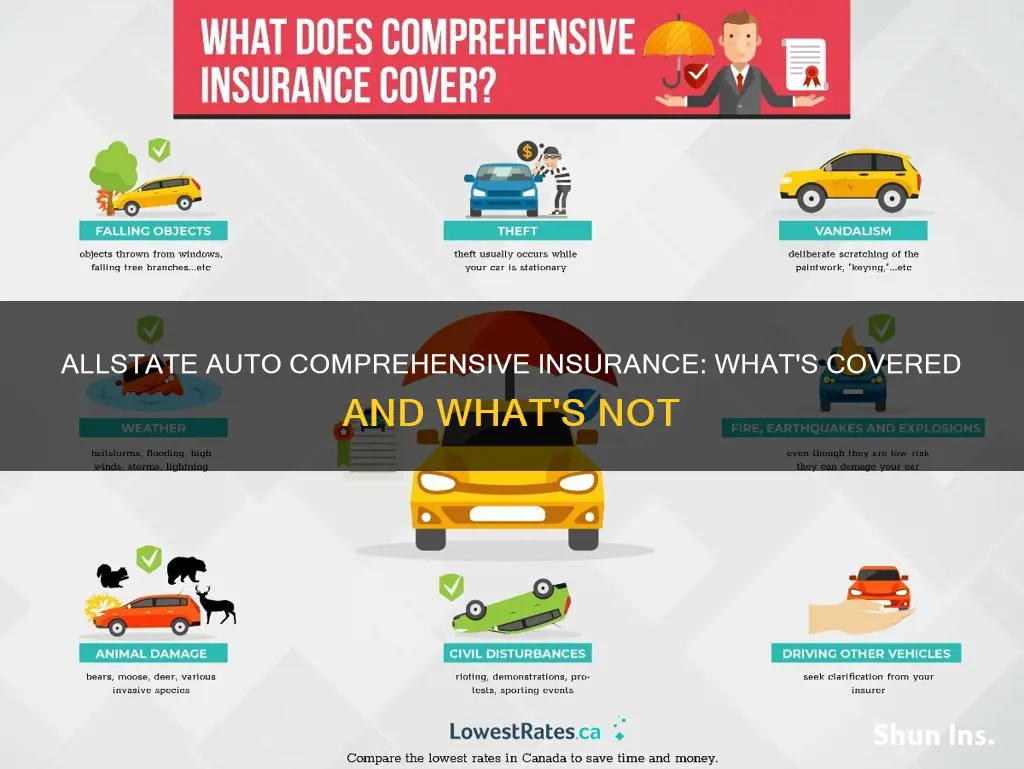
- Review Coverage Options: Discuss your coverage needs—such as liability limits, comprehensive coverage, and collision deductibles. Since there is no "membership fee," the total cost will be purely reflective of your risk profile and selected coverage limits.
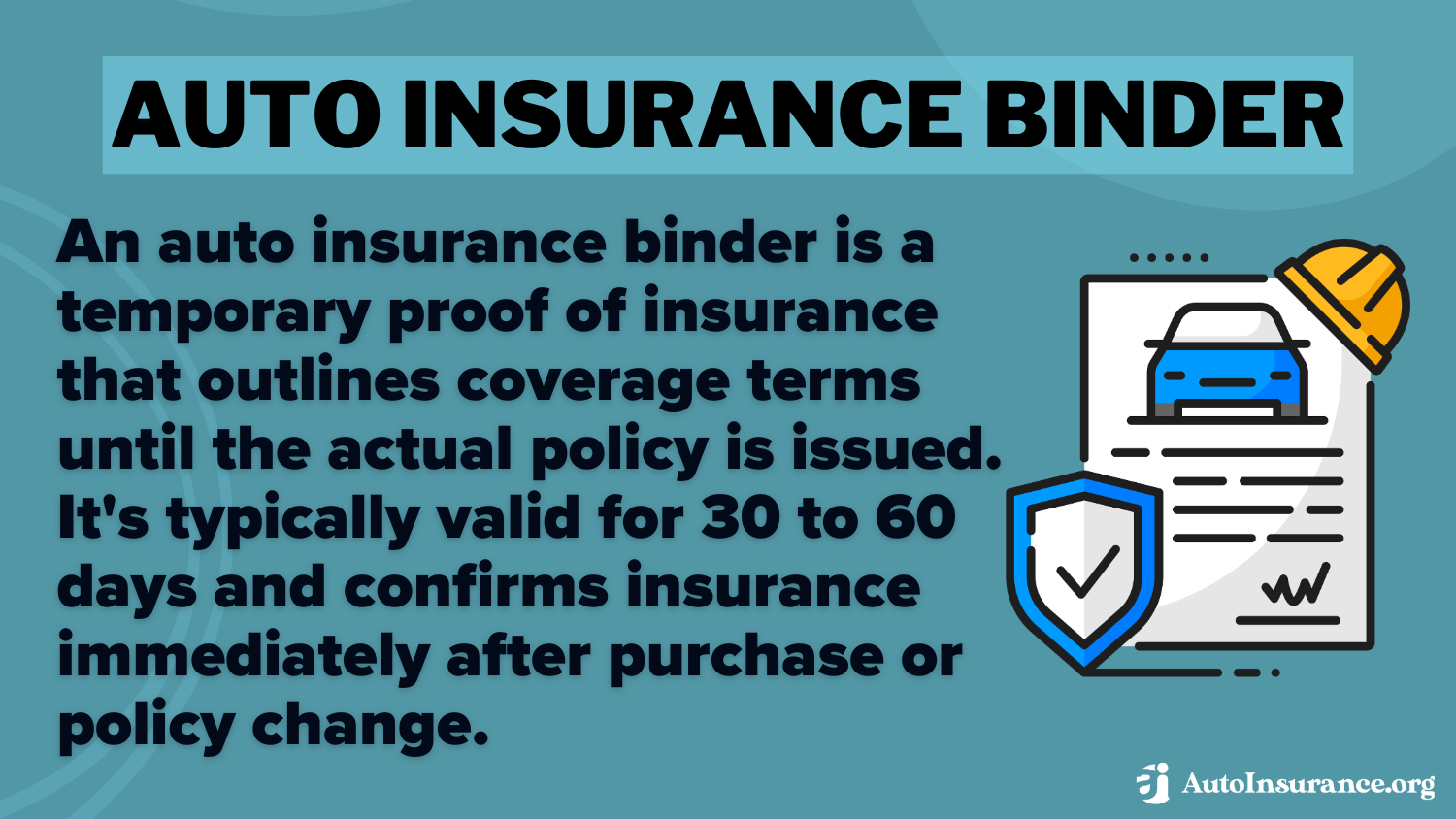
- Finalize and Bind: Once you select your policy and pay the initial premium, your coverage is bound. You will receive an insurance ID card as proof of coverage, which is the only documentation required to satisfy state law.
Common Misconceptions and Troubleshooting
If you encounter a prompt asking for a "membership ID" or a similar credential during a quote process, you have likely navigated to a page meant for an employer-sponsored discount program or a partnership portal. If this happens:
- Navigate to the Main Website: Ensure you are starting from the primary Allstate landing page rather than a third-party referral link or an affinity-specific landing page.
- Speak to an Agent: If the digital system is confusing, speaking to a licensed Allstate agent is the most effective way to ensure you are viewing standard market rates rather than restricted, group-based pricing.
- Verify the Offer: If a source suggests you must have a membership to get Allstate, confirm if that source is referring to a specific discount program that provides a benefit for members, rather than the insurance itself.
Final Next Action
You do not need to sign up for any external club, professional association, or organization to access Allstate’s auto insurance products. If you are ready to explore coverage, your next best step is to use the online quote tool on the official Allstate website or locate an agent in your local area. By providing your standard driving and vehicle information, you can receive an accurate, no-obligation quote that reflects your personal risk factors without any additional membership-related prerequisites.
Image Gallery