Plus Size Bed Frames: A Complete Guide to High-Capacity Sleep Systems in 2026
Plus size bed frames are heavy-duty sleep foundations specifically engineered to support weights ranging from 1,000 to over 4,000 pounds. Unlike standard frames, they utilize reinforced steel, high-density wood slats, and additional ce...
Plus size bed frames are heavy-duty sleep foundations specifically engineered to support weights ranging from 1,000 to over 4,000 pounds. Unlike standard frames, they utilize reinforced steel, high-density wood slats, and additional center support legs to prevent sagging, structural failure, and noise, ensuring long-term durability and safety for larger individuals and couples.
Contents
Selecting a bed frame is often treated as an aesthetic decision, but for plus-size individuals, it is a critical matter of structural engineering. A standard bed frame is typically designed to support a total weight of 500 to 600 pounds, which includes the weight of the mattress, the sleepers, and any bedding. For many, this threshold is insufficient. In 2026, the furniture industry has evolved to offer sophisticated "heavy-duty" or "bariatric-class" frames that provide the necessary stability without sacrificing the visual appeal of modern bedroom decor.
Understanding Weight Capacity: Static vs. Dynamic Loads
When researching plus size bed frames, you will encounter two primary types of weight ratings: static and dynamic. Understanding the distinction between these two is essential for ensuring the longevity of your purchase.
Static weight capacity refers to the amount of weight a frame can hold while the load is completely stationary. This is the maximum weight the frame can bear if you were to gently place lead weights across its surface. While a high static weight rating (such as 4,000 lbs) sounds impressive, it does not tell the whole story of nightly use.
Dynamic weight capacity accounts for movement. This includes the force exerted when you sit down on the edge of the bed, toss and turn during the night, or when two people move together. Dynamic force is significantly higher than static force. A person weighing 300 pounds does not exert exactly 300 pounds of pressure when they drop onto a mattress; the impact force can briefly double or triple that number.
In 2026, top-tier manufacturers of plus-size furniture prioritize dynamic testing. When evaluating a frame, look for a "total weight capacity" that provides a significant buffer—at least 25% higher than the combined weight of the mattress and the sleepers—to account for these dynamic shifts.
Essential Structural Features of Heavy-Duty Bed Frames
A frame's ability to support weight is determined by its materials and its geometry. There are four specific technical areas where plus-size frames differ from standard retail models.
1. Steel Gauge and Grade
In metal frames, the "gauge" refers to the thickness of the steel. Counterintuitively, a lower gauge number indicates thicker, stronger steel. While a standard budget frame might use 18-gauge steel, a high-capacity plus size bed frame typically utilizes 12-gauge or 14-gauge steel. Furthermore, the type of steel matters. Re-rolled rail steel, often used by brands like Knickerbocker, offers superior rigidity compared to hollow tubular steel because it is forged to withstand the high-stress environments of railroad tracks.
2. Center Support Systems
The most common point of failure for a Queen, King, or California King bed is the center. Standard frames often feature a single thin rail with one or two plastic-tipped legs. Heavy-duty frames utilize a "cross-center" or "grid" support system. These systems often include a wide center beam and between five to nine reinforced legs. Each leg should ideally have a wide "foot" to distribute weight across the floor, preventing damage to carpets or hardwood.
3. Slat Density and Material
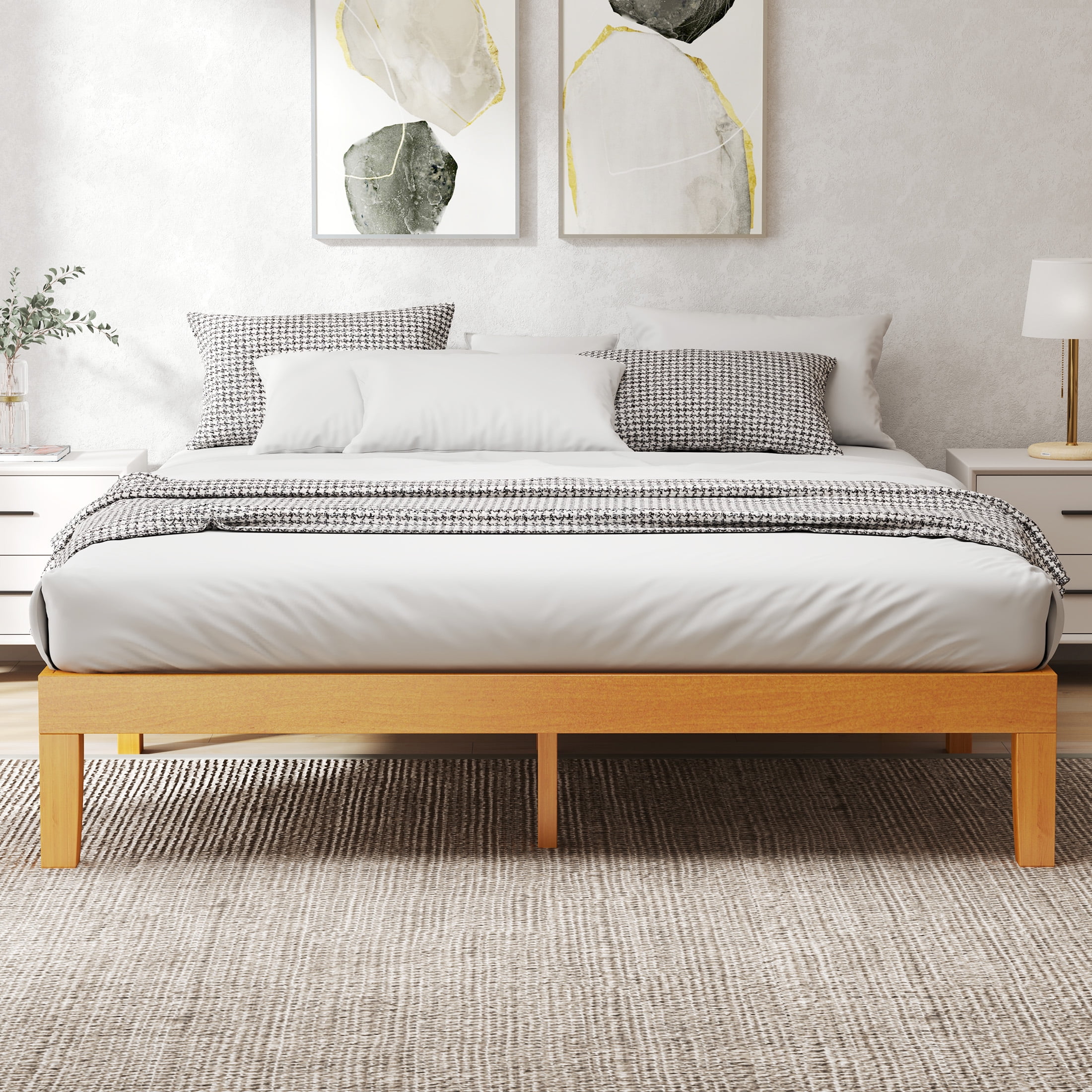
For platform-style frames that do not require a box spring, the slats are the primary support for the mattress. In plus-size applications, wood slats must be made of kiln-dried hardwoods (like birch or maple) rather than softwoods (like pine), which can crack under pressure.
- Spacing: Slats should be no more than 2 to 2.75 inches apart. Wider gaps allow the mattress to bulge downward, which causes the mattress to degrade prematurely and reduces the support provided to the sleeper.
- Steel Slats: Many 2026 models have moved toward permanent steel slats welded directly to the frame, eliminating the risk of slats shifting or popping out of place.
4. Recessed Leg Design and Specialized Hardware
To prevent the frame from swaying or "walking" across the room, plus-size frames often feature recessed legs and heavy-duty hardware. Rather than simple wing nuts and bolts, these frames use locking bolts or permanent rivets. Recessed legs are also a safety feature, moving the support points inward to prevent toe-stubbing while maintaining a wide enough base to prevent the frame from tipping when someone sits on the very edge.
Comparative Analysis of High-Capacity Bed Frames (2026 Standards)
The following table compares the specifications of the most reliable frame categories available in 2026. These values represent the baseline for quality in the heavy-duty market.
| Feature | Standard Frame | Heavy-Duty Steel Frame | Reinforced Wood Platform |
|---|---|---|---|
| Typical Weight Limit | 500 – 600 lbs | 2,000 – 4,000 lbs | 1,200 – 1,500 lbs |
| Material Thickness | 18-20 gauge steel | 12-14 gauge steel | 1" - 1.5" Solid Hardwood |
| Center Support | 1 leg (average) | 3–5 reinforced legs | Full-length center spine |
| Assembly Style | Bolt & Nut | Wedge-fit or Locking Bolt | Furniture-grade Joinery |
| Noise Profile | High (squeaking) | Very Low (welded joints) | Low (felt-lined slats) |
| Warranty Range | 1–5 Years | Lifetime Structural | 5–10 Years |
How to Choose the Right Frame for Your Mattress Type
Not all bed frames are compatible with all mattresses, and this is especially true when dealing with the high-density materials found in plus-size sleep systems.
Hybrid and Innerspring Mattresses
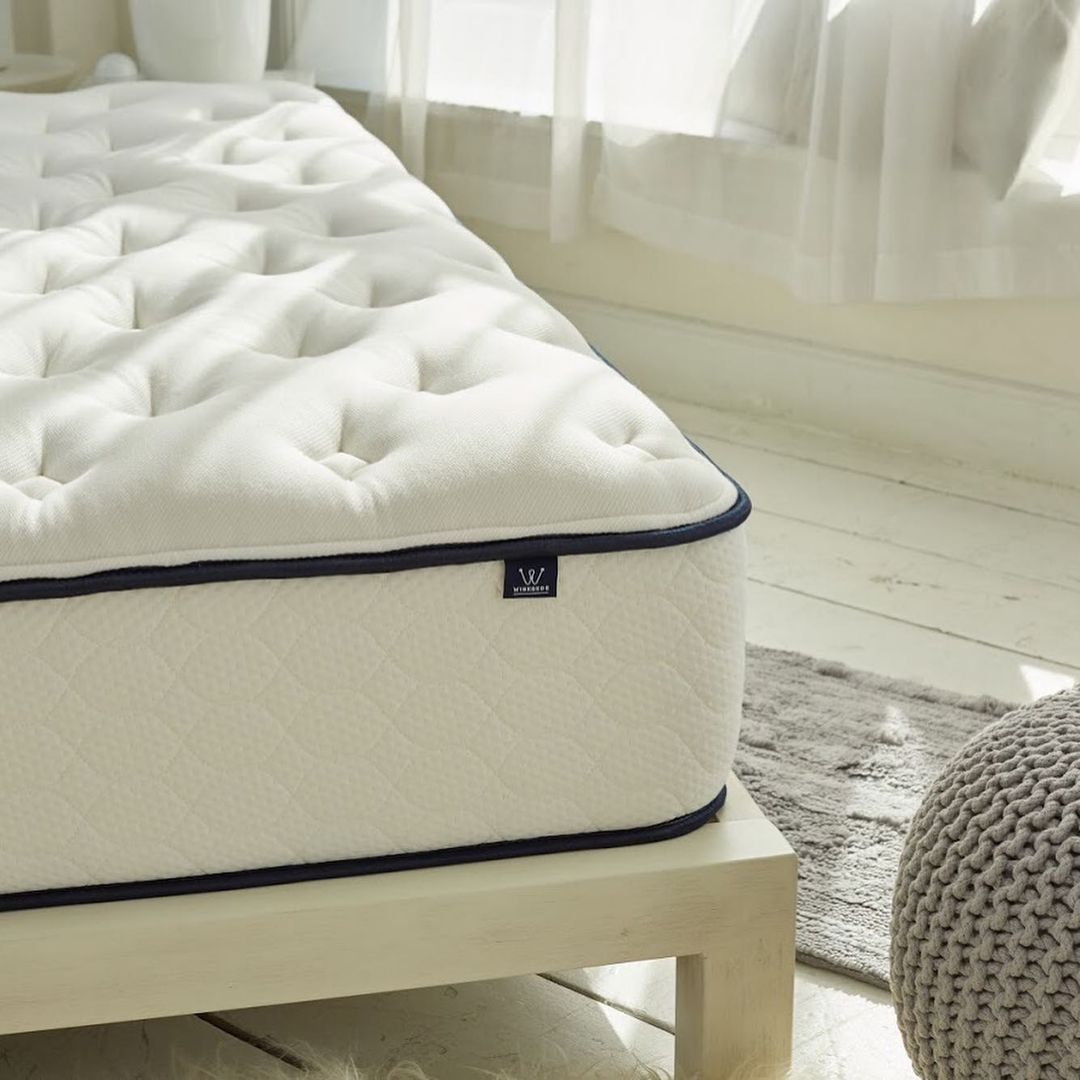
These mattresses are often quite heavy themselves, sometimes weighing over 150 pounds for a King size. Because they contain steel coils, they require a rigid, non-flexing base. A heavy-duty steel frame with a solid foundation or high-density slats is ideal. Avoid using an old-fashioned box spring with a plus-size mattress, as the internal springs of the box spring will likely collapse under the combined weight of the sleepers and the mattress.
Memory Foam and Latex
Foam mattresses are prone to "creeping" through gaps. If you choose a plus size bed frame with slats for a foam mattress, ensure the slats are flat and very close together. Many manufacturers now recommend a solid bunkie board—a thin, fabric-covered piece of plywood—placed on top of a heavy-duty metal frame to provide a perfectly uniform surface for foam mattresses.
Common Mistakes When Buying Plus Size Bed Frames
The most frequent error consumers make is purchasing based on the "look" rather than the technical specifications. Many "industrial style" frames sold on mass-market websites look sturdy because they have thick black pipes, but the metal is often thin-walled and the joints are poorly welded.
Another mistake is ignoring the Height of the Frame. For individuals with mobility issues or joint pain, the total height of the bed (frame + mattress) is crucial. A "high-profile" frame might provide excellent under-bed storage, but if the final sleeping surface is 30 inches off the ground, it may be difficult to get in and out of bed safely. Conversely, a "low-profile" frame (6 to 10 inches) is often sturdier because it has a lower center of gravity and shorter legs, which are less prone to bending.
Lastly, do not overlook the importance of Floor Protection. A frame supporting 1,000+ pounds puts immense pressure on small points. Ensure the frame you choose has wide, flat feet or uses specialized glides that won't crack under the load. If the frame has wheels, they must be heavy-duty locking casters; otherwise, the bed will shift every time you move.
Maintenance and Longevity: Keeping the Frame Quiet
One of the most common complaints among plus-size sleepers is a squeaky bed. Squeaking is caused by metal-on-metal friction or wood-on-wood rubbing. Even the best heavy-duty frames can develop noise over time if not maintained.
To ensure a silent sleep environment:
- Check Bolts Bi-Annually: The vibrations from nightly movement can slowly loosen even locking bolts. Tighten all connections every six months.
- Use Lubrication: For metal frames, a small amount of silicone lubricant on the connection points during assembly can prevent friction noise.
- Add Padding: If you have a wooden frame with slats, applying adhesive-backed felt tape to the top of the side rails before laying the slats down can eliminate the "clacking" sound of wood shifting.
Frequently Asked Questions
Do I need a special mattress for a plus size bed frame?
While not strictly required, standard mattresses may sag prematurely if used by sleepers over 250 pounds. It is often recommended to pair a heavy-duty frame with a "plus-size mattress," which features higher-density foams and lower-gauge coils to complement the frame's stability.
Can I use a regular headboard with a heavy-duty frame?
Most heavy-duty steel frames, such as the Knickerbocker Monster or the Big Fig Foundation, come with universal brackets or have them available as add-ons. These allow you to bolt a standard decorative headboard to the reinforced frame, giving you the aesthetic you want with the support you need.
Is assembly more difficult for plus size frames?
Actually, many high-end heavy-duty frames are designed for "tool-less" assembly. They often use wedge-locking systems where the weight of the sleepers actually pulls the frame tighter together. However, because the components are made of thicker steel, the individual pieces will be heavier than those of a standard frame.
What is the best material for a plus-size frame?
Reinforced, high-gauge steel is generally considered the gold standard for weight capacity and longevity. While solid hardwood (like oak or maple) is also excellent, it is significantly more expensive and susceptible to environmental factors like humidity, which can cause the wood to expand or contract.
Does a higher weight capacity mean the bed will be harder?
No. The weight capacity of the frame determines its structural integrity, not its feel. The "hardness" or "softness" of your bed is determined by your mattress. A sturdy frame simply provides a consistent, flat surface that allows your mattress to perform as intended.
Recommendations for 2026
When purchasing a plus size bed frame in 2026, prioritize brands that offer a lifetime warranty on the structure. This is the strongest indicator that the manufacturer has used high-grade materials. For those seeking maximum storage, the Zinus SmartBase Heavy Duty series remains a reliable entry-level option with a 4,000-pound capacity. For those seeking a permanent, furniture-grade solution, the Big Fig Foundation or the Knickerbocker Monster Frame represent the pinnacle of engineering for heavy sleepers.
Before finalizing your purchase, measure your mattress exactly and check the slat spacing of the frame. If you are opting for a metal frame, ensure the legs are reinforced and that the center support touches the floor at multiple points. Investing in a high-quality, high-capacity frame is not just a purchase of furniture; it is an investment in the quality of your sleep and the safety of your home environment.
Image Gallery