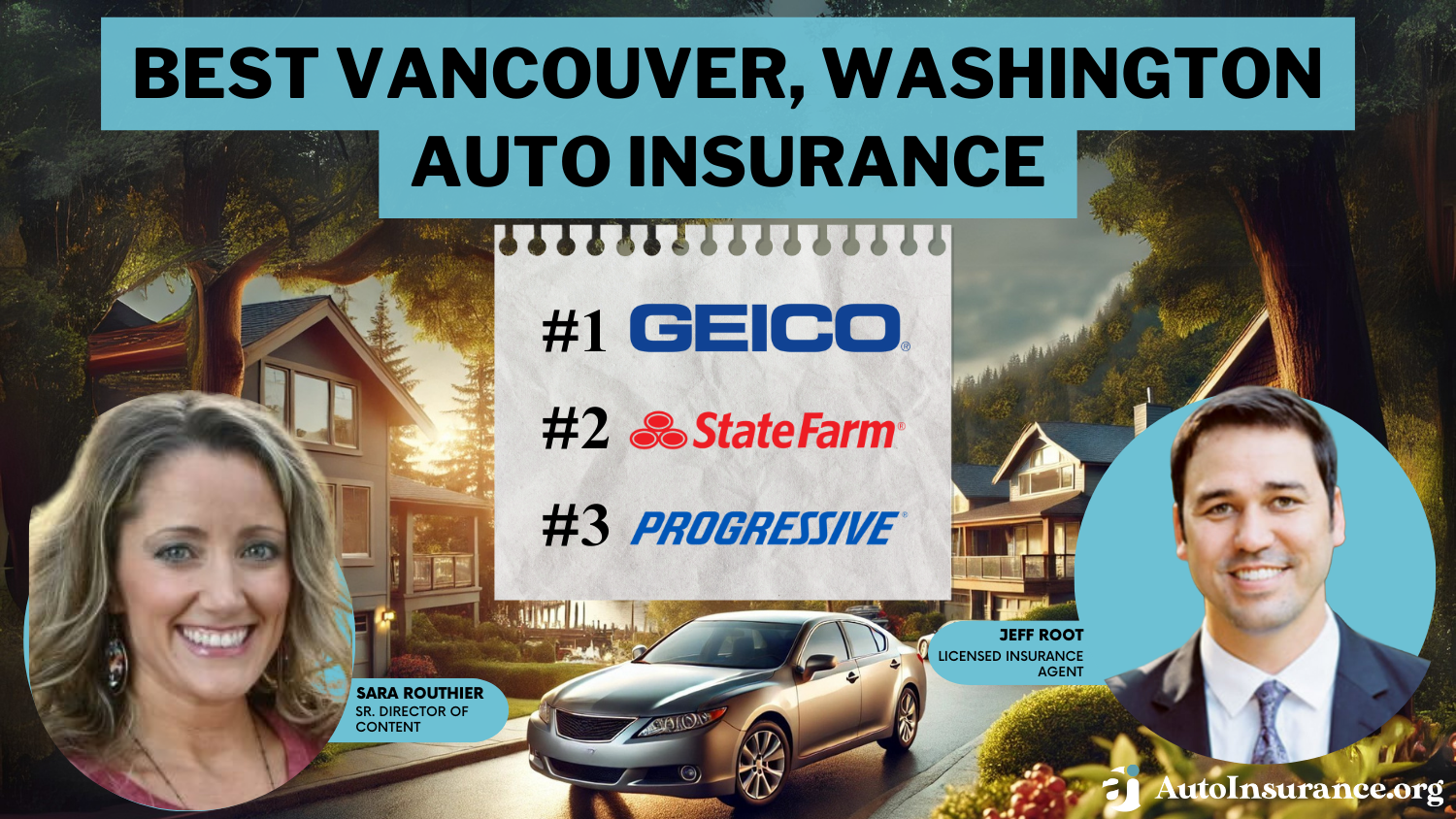
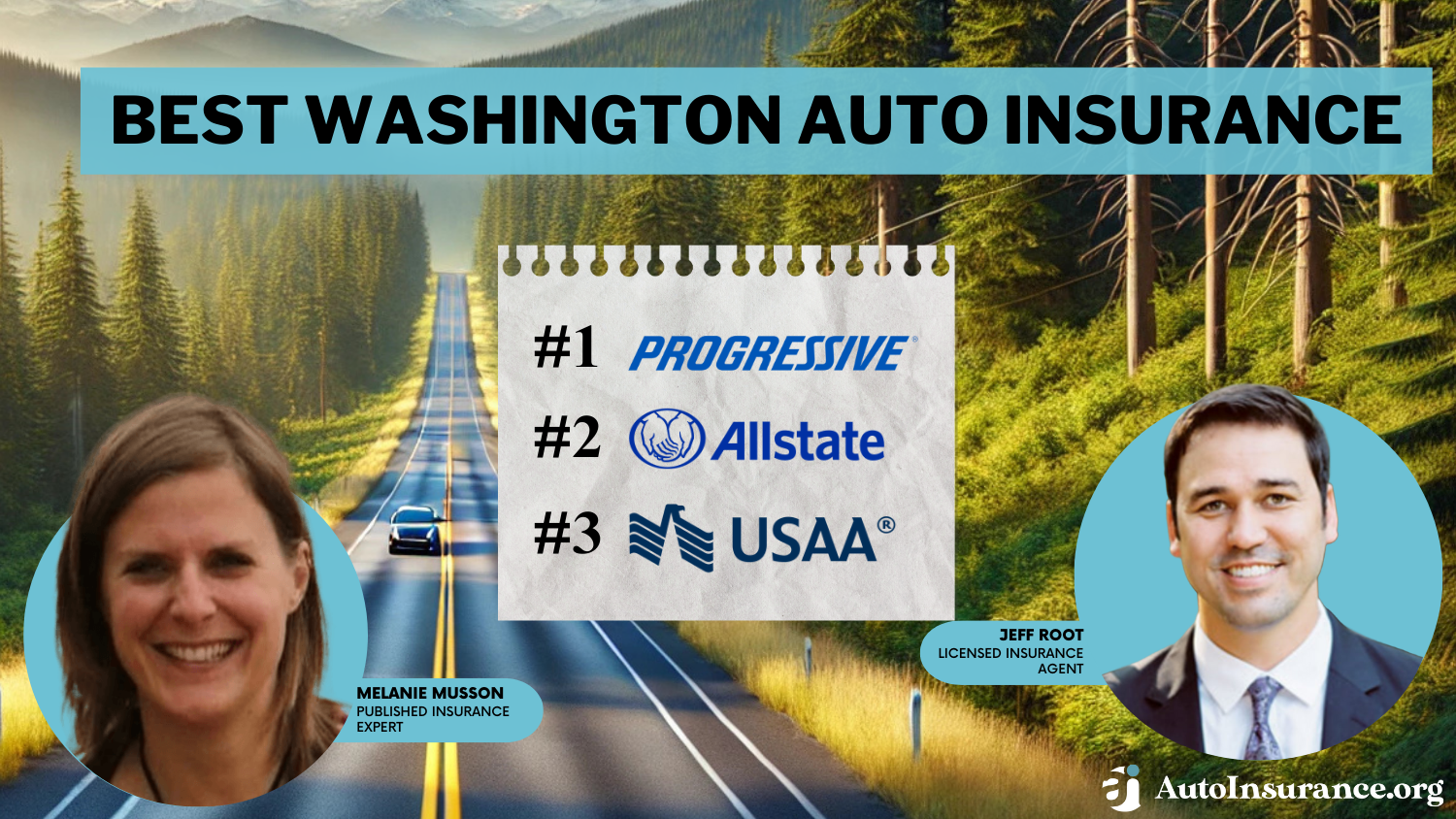
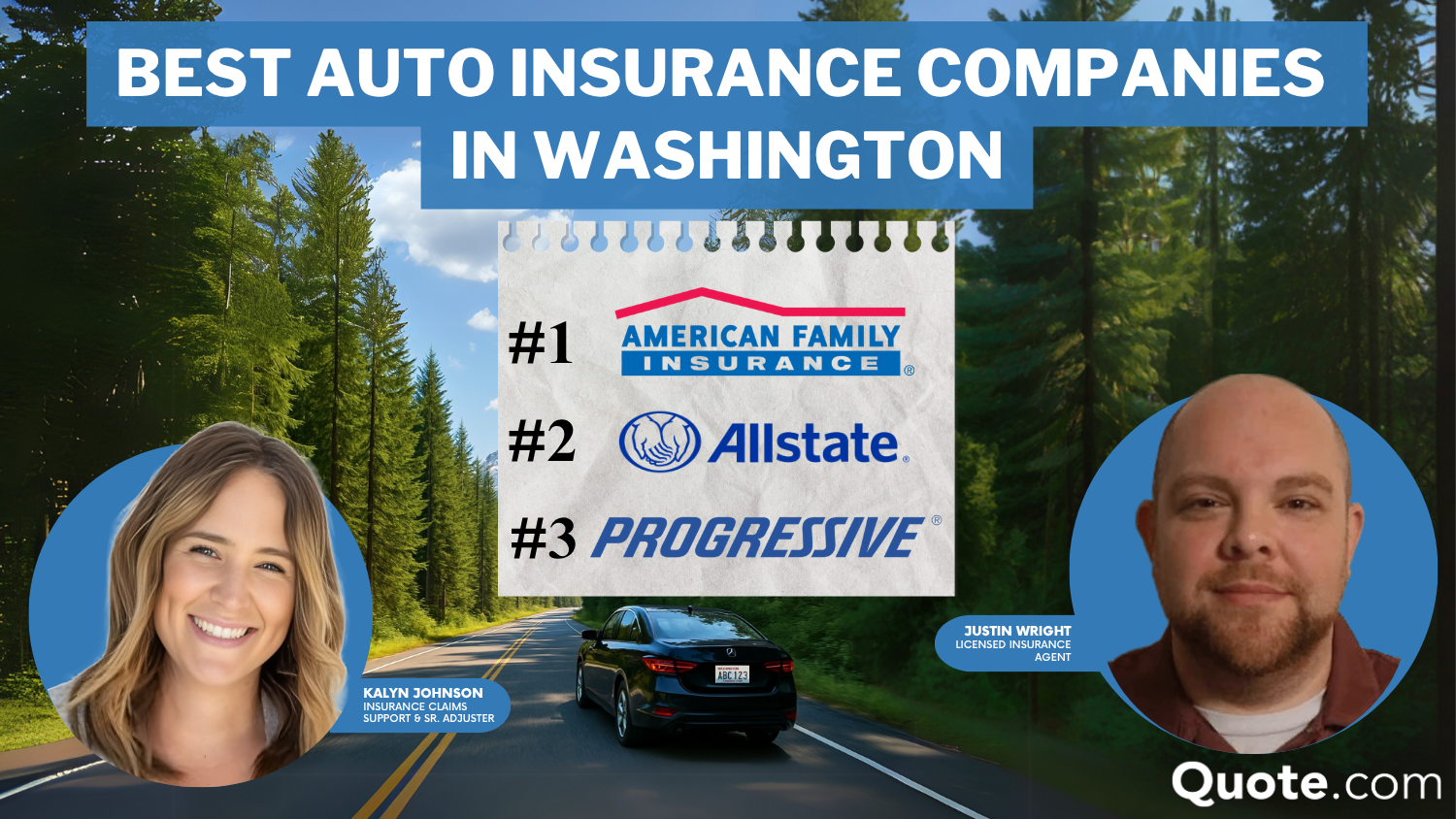
Choosing the Best Auto Insurance in Vancouver Washington
Selecting the most suitable auto insurance in Vancouver, Washington, requires balancing Washington State’s mandatory minimum liability requirements with personal financial risk tolerance. Residents must navigate the specific regulatory...
Selecting the most suitable auto insurance in Vancouver, Washington, requires balancing Washington State’s mandatory minimum liability requirements with personal financial risk tolerance. Residents must navigate the specific regulatory environment of Washington, evaluate the financial stability of regional and national carriers, and align coverage limits with individual driving habits and vehicle values to ensure adequate protection.
Contents
Understanding Washington State Insurance Requirements
Before evaluating specific providers, it is essential to understand the legal landscape. Washington is a "tort" state, meaning that the person found at fault for an accident is responsible for the damages. To operate a motor vehicle legally in Vancouver, you must maintain at least the minimum liability coverage mandated by the Washington State Office of the Insurance Commissioner.
As of 2026, the mandatory minimums are:
- $25,000 for bodily injury or death of one person in any one accident.
- $50,000 for bodily injury or death of two or more persons in any one accident.
- $25,000 for injury to or destruction of property of others in any one accident.
While these are the legal floors, industry experts frequently caution that these limits are often insufficient to cover the costs of modern vehicle repairs or significant medical bills resulting from a serious collision. Drivers who carry only the state minimum risk being held personally liable for any costs exceeding those thresholds, which could put personal assets at risk.
Assessing Your Coverage Needs
Determining what constitutes the "best" insurance policy depends on your unique circumstances rather than a one-size-fits-all metric. Your selection process should involve a realistic assessment of several factors, starting with your vehicle’s value.
1. Liability vs. Full Coverage
If you own an older vehicle with a low resale value, you may choose to carry only the state-mandated liability coverage to keep premiums low. However, if you have a newer vehicle, or one that is financed or leased, your lender will almost certainly require you to maintain comprehensive and collision coverage.
- Comprehensive: Covers damage caused by non-collision events, such as theft, vandalism, fire, or hitting an animal.
- Collision: Covers repairs to your vehicle after a crash, regardless of who was at fault.
2. Uninsured/Underinsured Motorist Coverage (UM/UIM)
Washington is a state where a significant number of drivers may be underinsured. Adding UM/UIM coverage to your policy is a vital safeguard. This coverage helps pay for your medical expenses and property damage if you are struck by a driver who lacks insurance or carries insufficient limits. Given the traffic density in the Portland-Vancouver metropolitan area, this is often considered a high-value addition to a standard policy.
3. Personal Injury Protection (PIP)
PIP provides coverage for medical expenses, lost wages, and other related costs for you and your passengers after an accident, regardless of who caused it. Washington law requires insurance companies to offer PIP, but you have the right to reject it in writing. Before declining this, consider your current health insurance deductibles and out-of-pocket maximums.
Comparing Insurance Providers
When comparing quotes for Vancouver, consider both national brands and regional entities. The "best" company for one driver—based on a localized claims-handling reputation or a specific discount—may not be the best for another.
| Feature to Evaluate | Importance | Reasoning |
|---|---|---|
| Financial Strength | High | Ensures the company can pay out large claims. |
| Claims Process | High | Determines how quickly and fairly you are treated after a loss. |
| Local Presence | Moderate | Agents in Vancouver can provide localized advice. |
| Digital Tools | Moderate | Mobile apps simplify payments and digital ID cards. |
| Discount Variety | Low-Moderate | Bundling home/auto or safe driving discounts can lower costs. |
To verify the financial strength of a carrier, check ratings from organizations like A.M. Best or Standard & Poor’s. For service quality, the Washington State Office of the Insurance Commissioner publishes annual complaint ratios. These reports show how many justified complaints a company receives relative to its market share, providing a reliable, unbiased look at how carriers treat their customers.
Factors Influencing Your Premium
Insurance premiums in Vancouver are determined by complex actuarial tables. While you cannot change some of these factors, understanding them helps manage expectations:
- Driving Record: A history of accidents or traffic violations significantly increases rates for a period of several years.
- Credit-Based Insurance Score: Washington law allows insurers to use credit history as a factor in setting premiums. Maintaining a high credit score is one of the most effective ways to lower your insurance costs.
- Vehicle Type: Expensive vehicles to repair or those with high theft rates will command higher premiums.
- Annual Mileage: The more you drive, the higher the statistical probability of an incident.
- Deductibles: Choosing a higher deductible (e.g., $1,000 instead of $500) will generally lower your monthly premium, but you must be prepared to pay that amount if you file a claim.
Steps to Secure Your Policy
- Gather Information: Have your vehicle identification number (VIN), current mileage, and a record of your driving history for the past five years ready.
- Request Multiple Quotes: Obtain quotes from at least three different insurers. Ensure the quotes are "apples-to-apples" by using identical coverage limits and deductibles for each comparison.
- Verify Licensing: Ensure the company or agent is licensed to do business in Washington. You can verify this through the Washington Office of the Insurance Commissioner’s online portal.
- Review the Policy: Before finalizing, read the "Declarations Page." This summarizes your coverage, limits, and the exact premiums.
- Seek Discounts: Ask specifically about discounts for professional memberships, defensive driving courses, or multi-policy bundles.
Frequently Asked Questions
Does Washington require no-fault insurance? No. Washington is a tort-based state. The insurance policy of the at-fault driver is primarily responsible for damages. If you are injured and the other party has no insurance, your own UIM and PIP coverages become essential.
Can I use my credit score to get a discount? Insurers use credit-based insurance scores to predict the likelihood of a future claim. While not a "discount" in the traditional sense, having a strong credit history typically results in a lower base premium compared to those with lower scores.
How often should I review my policy? You should review your coverage at least once a year or whenever you experience a life event, such as moving to a new ZIP code in Vancouver, changing your commute distance, or adding a new driver to your household.
Are there local insurance agents in Vancouver? Yes, Vancouver has numerous independent brokers and captive agents (those representing one specific brand). Independent agents can often quote multiple carriers simultaneously, which may save you time during the research phase.
What happens if I move from Oregon to Vancouver, Washington? You must update your policy to reflect your new garaging address. Insurance rates are highly location-dependent, and moving across the state line will impact your premium due to differences in local traffic patterns, crime rates, and Washington’s specific insurance regulations.
Next Actions
Start your search by identifying the minimum coverage limits you are comfortable with based on your asset protection needs. Visit the website of the Washington State Office of the Insurance Commissioner to review consumer complaint data for the top carriers you are considering. Once you have a list of three to five reputable companies, request online quotes or contact local agents to compare pricing and customer service responsiveness. Always ensure your existing policy remains active until you have received confirmation that your new coverage is bound.
Image Gallery