Accurate Prescription Identification: A Technical Guide for Healthcare Safety
Prescription identification is the clinical and pharmacological process of verifying the identity, strength, and dosage form of a pharmaceutical product to ensure patient safety and medication adherence. This process involves cross-ref...
Prescription identification is the clinical and pharmacological process of verifying the identity, strength, and dosage form of a pharmaceutical product to ensure patient safety and medication adherence. This process involves cross-referencing physical pill characteristics—such as imprints, colors, and shapes—with validated national databases to prevent medication errors, prevent adverse drug events, and facilitate proper waste management or emergency response.
Contents
Technical Foundations of Pharmaceutical Imprints
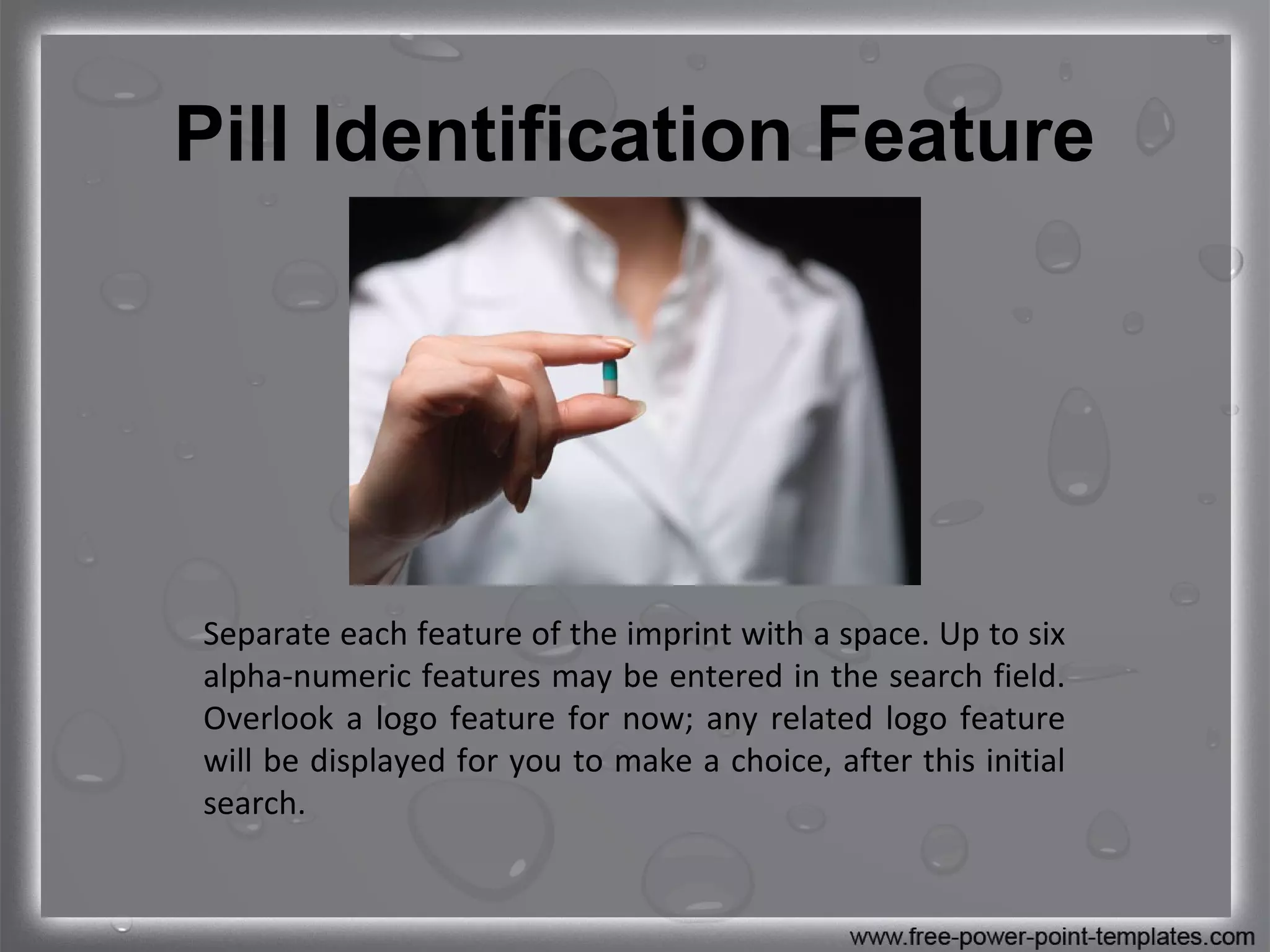
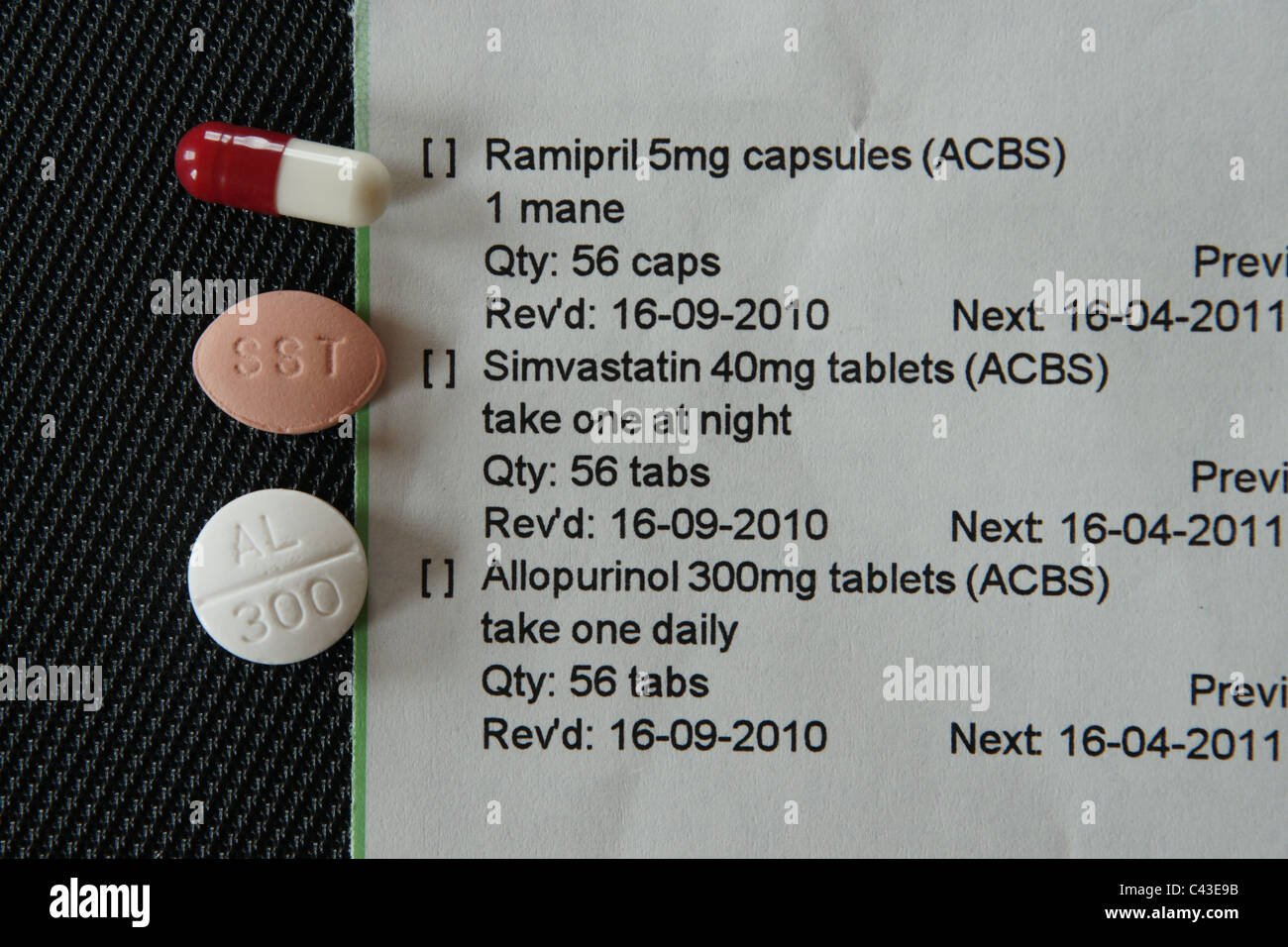
The primary method for identifying loose medication involves analyzing the imprint code found on the surface of solid oral dosage forms, such as tablets and capsules. These alphanumeric codes are regulated and assigned by manufacturers to maintain a unique identity for every specific drug product.
In the United States, the Food and Drug Administration (FDA) requires that solid oral dosage form drug products be clearly marked with an identification code. This code typically includes the manufacturer’s name or logo and a specific alphanumeric string that denotes the active ingredient, strength, and formulation.
- Alpha-Numeric Imprints: Most manufacturers use a combination of letters and numbers. For example, a code might represent the chemical name, manufacturer ID, and dosage.
- Physical Characteristics: Shape (round, oval, capsule, hexagonal), color (including variations like speckled or layered), and scoring (the presence of indentations for splitting) serve as secondary verification markers.
- Database Validation: Clinicians and pharmacists rely on centralized repositories such as the National Library of Medicine’s Pillbox database or proprietary clinical decision support systems to verify these codes against high-resolution imagery.
Critical Variables in Visual Verification
When attempting to identify a medication, practitioners must account for variations that can lead to misidentification. Relying solely on a single physical characteristic is considered a high-risk practice.
Verification Standards for Clinical Safety
Multi-Point Verification: Never rely on a single feature for identification. Always correlate the imprint code with the physical shape and exact color shade before drawing a conclusion.
Professional Consultation: If an imprint is worn, obscured, or missing due to manufacturing inconsistencies or degradation, do not attempt to identify the medication visually. Treat it as unknown and prioritize safety through proper disposal or lab-based analytical testing.
Factors Affecting Identification Accuracy
| Factor | Technical Impact | Risk Level |
|---|---|---|
| Worn Imprints | Loss of alphanumeric data prevents digital lookup. | High |
| Similar Coloration | Multiple manufacturers may use identical color palettes for different drugs. | Moderate |
| Coating Integrity | Erosion of film coatings can distort the visual appearance of the tablet. | Moderate |
| Packaging Origin | Secondary packaging or unlabeled bulk storage removes batch traceability. | Extreme |
Clinical Workflow for Medication Reconciliation
In a healthcare environment, prescription identification is a core component of the medication reconciliation process. During the 2026 clinical standards of practice, identifying unknown medications brought in by patients during an admission or transition of care requires a systematic, evidence-based approach to prevent duplicate therapy or drug-drug interactions.
- Isolation: Segregate the unknown medication from other identifiable supplies to prevent cross-contamination.
- Documentation: Note the exact count and the physical state of the tablets or capsules.
- Digital Query: Input the imprint data into an authorized clinical database. If the imprint is ambiguous, use search filters for shape and color to narrow the list of potential matches.
- Verification: Compare the database results with the physical sample. If the database image differs from the sample in any physical detail, flag the medication for further review by the pharmacy department.
- Disposition: Once identified, document the findings in the Electronic Health Record (EHR) and follow institutional policy for either incorporating the medication into the patient’s regimen or disposing of it through the facility's waste stream.
Safety and Regulatory Compliance
The pharmaceutical industry operates under strict guidelines to ensure that identification remains possible throughout the product's shelf life. The FDA’s "Guidance for Industry: Imprinting of Solid Oral Dosage Form Drug Products" establishes the baseline for these requirements. Manufacturers must document their imprint codes in their New Drug Application (NDA) or Abbreviated New Drug Application (ANDA).
For facilities operating in 2026, compliance with these guidelines is essential for accreditation by organizations such as The Joint Commission. Proper identification is not merely a convenience; it is a clinical safeguard against the "look-alike, sound-alike" (LASA) error phenomenon, which continues to be a leading cause of preventable medication errors in both hospital and ambulatory settings.
Common Medication Identification Challenges
Many practitioners face difficulty when dealing with generic versus brand-name medications. While the active ingredient remains identical, the "inert" ingredients (binders, fillers, colorants) vary significantly between manufacturers, leading to different physical appearances for the same dosage of the same medication.
- The Generics Dilemma: Patients often receive different generics from different pharmacies, leading to confusion when medications look different month-to-month.
- The Scoring Misconception: The presence of a score line does not always indicate that a tablet is intended to be split. Always verify official package inserts to confirm if a specific tablet is designed for splitting.
- Environmentally Induced Changes: Moisture, heat, and light exposure can alter the appearance of tablets, making them appear distinct from their original database imagery.
Frequently Asked Questions
Why is it unsafe to identify medication based on color alone? Color is subjective and varies significantly across different manufacturing processes. Many different pharmaceutical compounds share identical color profiles, making visual identification by color alone a major cause of medication errors.
Can I trust online pill identifier tools? Publicly available pill identifiers are useful for preliminary checks, but they should not be used as the sole source of truth in a clinical setting. Always cross-reference findings with internal pharmacy records or official FDA-approved labeling.
What should I do if the imprint code on a pill does not appear in any database? If a code returns no results in a verified database, the medication is considered "unidentifiable." You should not administer it. Follow your institutional protocols for secure disposal or, if necessary, contact the prescribing physician for clarification.
Are there legal implications for misidentifying a medication? Yes, misidentification can lead to improper drug administration, which constitutes a medical error. Healthcare facilities are legally required to maintain rigorous processes to ensure patient safety, including verified medication reconciliation procedures.
How often do manufacturers change pill imprints? While manufacturers generally maintain consistent imprints, they may update them during product reformulations, re-branding, or manufacturing transitions. Always check the most current product monograph provided by the manufacturer.
Strategic Recommendation for Clinical Teams
To maintain optimal safety, healthcare institutions should implement a standardized "No Guesswork" policy. This involves training staff to utilize multi-modal identification—checking the imprint, verifying the physical description, and confirming the patient's history against the EHR. In 2026, as pharmacological advancements continue, leveraging integrated clinical decision support software that updates in real-time is the most reliable strategy to mitigate the risks associated with manual prescription identification. By adhering to these standardized verification protocols, healthcare providers ensure the integrity of the patient’s medication regimen and uphold the highest standards of safety and care.
Image Gallery