Is an Extended Stay Worth It in Aurora, Illinois? A Cost and Practical Analysis
An extended stay in Aurora, Illinois, is generally worth the investment for travelers, contractors, healthcare workers, and relocating residents planning a stay of two weeks to several months. Extended stay accommodations combine bundl...
An extended stay in Aurora, Illinois, is generally worth the investment for travelers, contractors, healthcare workers, and relocating residents planning a stay of two weeks to several months. Extended stay accommodations combine bundled utility pricing, fully equipped kitchens, reduced weekly or monthly rates, and tax exemptions after 30 consecutive days, making them significantly cheaper than traditional hotels and far more flexible than standard apartment leases.
Contents
Understanding Extended Stay Accommodations in Aurora
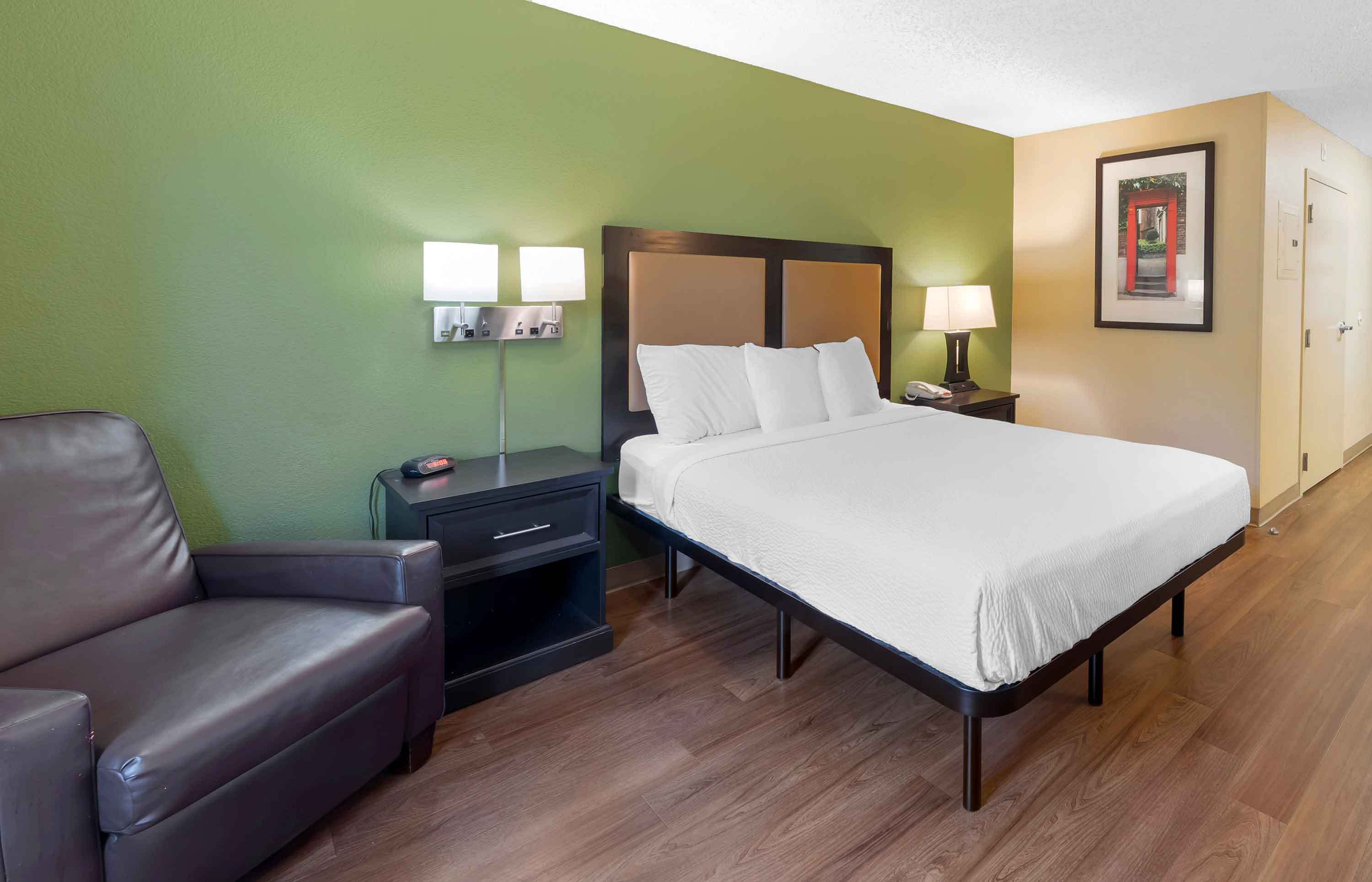
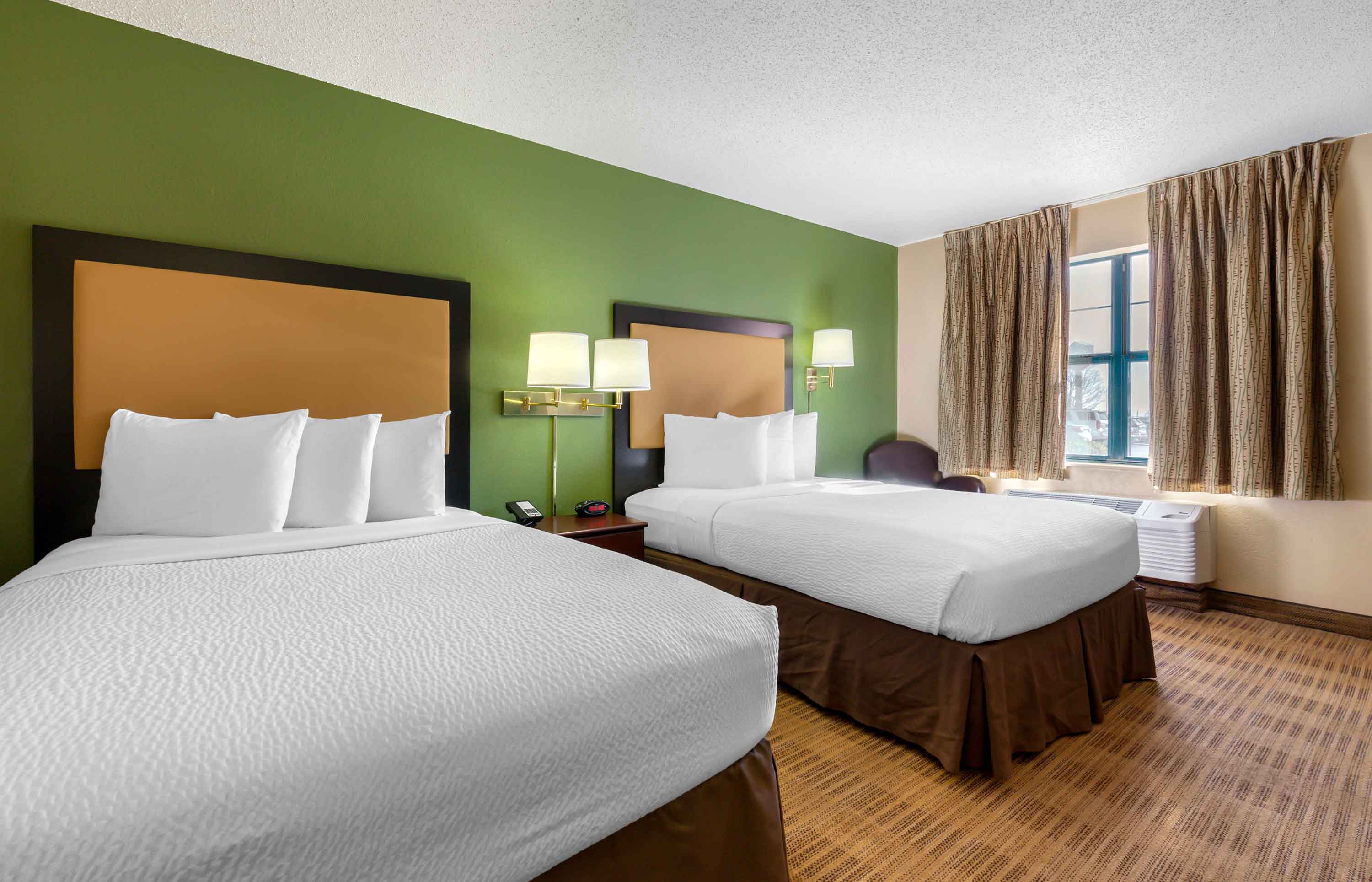
Extended stay properties occupy a distinct middle ground in the lodging and housing landscape. Unlike standard hotels designed for overnight visits, extended stay suites are configured for long-term residential living. They typically feature studio, one-bedroom, or two-bedroom floor plans equipped with dedicated workspaces, storage, on-site laundry facilities, and full kitchens or kitchenettes.
As the second-largest city in Illinois, located roughly 35 to 40 miles west of downtown Chicago along the Interstate 88 (I-88) Reagan Memorial Tollway corridor, Aurora is a major hub in the Fox Valley region. The city spans both Kane and DuPage counties, serving as a center for manufacturing, healthcare, technology, and commercial logistics. Because of this strategic location, demand for flexible, mid-term housing in Aurora is consistently strong.
Choosing an extended stay hotel over a standard hotel room or short-term residential lease comes down to balancing financial cost, legal flexibility, and daily convenience. Understanding how these factors operate within the local Aurora market helps clarify whether this housing model delivers strong value for your specific timeframe.
Financial Breakdown: Extended Stay vs. Alternatives in Aurora
Evaluating the financial value of an extended stay requires comparing direct lodging expenses alongside hidden costs like meals, utilities, deposit locks, and localized taxes.
Weekly and Monthly Rate Discounts
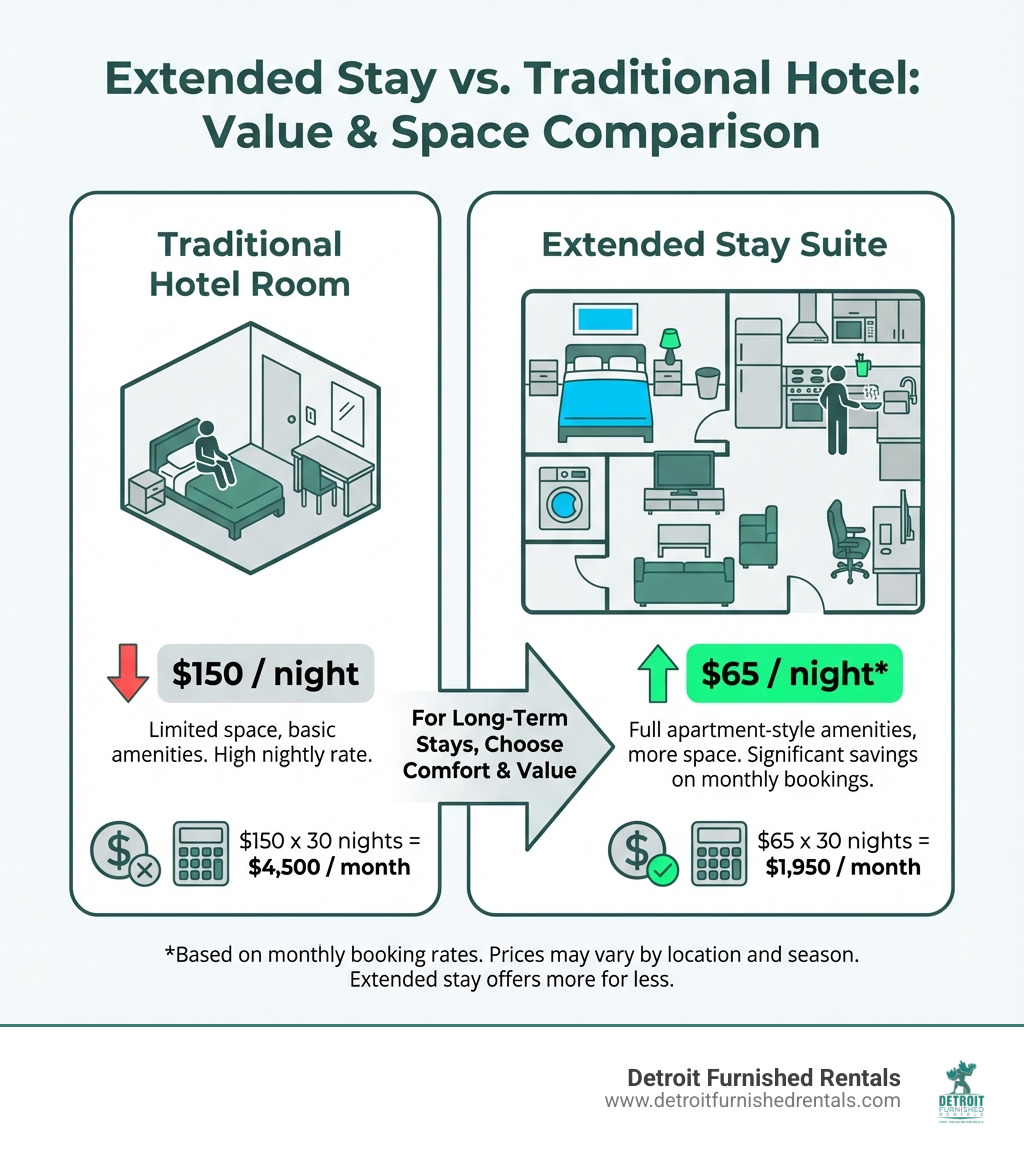
Standard hotels in the Aurora and adjacent Naperville area often charge anywhere from $90 to $180 per night depending on seasonal demand, local events, and location. Over a 30-day period, a standard hotel room easily accumulates a bill of $2,700 to $5,400 before taxes and service fees.
In contrast, extended stay chains (such as Extended Stay America, Staybridge Suites, or local corporate housing providers) offer tiered discounting structures:
- Nightly Rates (1–6 nights): Standard baseline pricing.
- Weekly Rates (7–29 nights): Tiered discounts ranging between 15% and 30% off standard daily rates.
- Monthly Rates (30+ nights): Substantial long-term discounts that bring the effective daily rate down significantly, often resulting in monthly totals between $1,800 and $3,200 depending on room class and property tier.
The 30-Day Illinois Hotel Tax Exemption
A critical financial advantage of booking a long-term stay in Aurora is the state tax threshold. Under the Illinois Hotel Operators' Occupation Tax Act (35 ILCS 145/), guests who occupy a hotel room for at least 30 consecutive days qualify as permanent residents for tax purposes.
Once your stay crosses the 30-consecutive-day mark, the 6% Illinois state hotel tax—along with applicable local municipal lodging taxes (which range from 3% to 5% in the Fox Valley region)—is removed from your bill. Many extended stay operators retroactively credit or exempt the tax on the first 30 days once that threshold is reached, instantly saving guests 9% to 11% or more on their total housing spend.
Meal Cost Reduction via In-Suite Kitchens
Eating out three times a day in suburban Chicago quickly strains a budget. Average dining out expenses for one person in Kane or DuPage County run between $35 and $60 daily for modest casual meals. Over a month, food expenses alone can reach $1,200 to $1,800 per person.
Extended stay suites come equipped with full refrigerators, stovetops, microwaves, and cookware. By purchasing groceries at low-cost regional supermarkets—such as Woodman’s Food Market in nearby North Aurora, Aldi, or Meijer—guests can reduce monthly food costs to approximately $300 to $450 per person. This yields a direct monthly savings of $800 to $1,300 per occupant.
Zero Lease Commitments and Avoided Security Deposits
Securing a traditional residential lease in Aurora typically requires:
- First month’s rent plus a security deposit (often equal to one month's rent).
- Credit history checks and income verification requirements.
- Utility connection fees and separate monthly bills for electricity, gas, water, garbage, and high-speed internet.
- Mandatory 6-month or 12-month lease contracts, carrying steep financial penalties for early termination.
Extended stays eliminate security deposits, credit checks, utility setup fees, and contractual lock-ins. Utilities, high-speed Wi-Fi, cable, and parking are bundled directly into the flat rate, providing predictability and zero upfront equity lockup.
Target Guest Profiles: Who Benefits Most in Aurora?
The financial and operational structure of extended stays makes them uniquely suitable for specific user profiles operating within the Aurora market.
1. Traveling Medical Professionals
Aurora is home to major healthcare complexes, including Rush Copley Medical Center, and lies near Northwestern Medicine Delnor Hospital in Geneva and Edward Hospital in Naperville. Travel nurses, locum tenens physicians, and medical technicians on 8- to 13-week clinical rotations find extended stays ideal. The proximity to hospitals combined with tax exemptions on 30+ day assignments aligns with travel healthcare stipends.
2. Corporate Contractors and IT Specialists
The I-88 Tech Corridor hosts numerous corporate campuses, research facilities, and industrial automation plants. Corporate travelers assigned to multi-week software rollouts, engineering overhauls, or research projects at nearby facilities like Fermi National Accelerator Laboratory (Fermilab) in Batavia rely on extended stays for flexible departure dates when project timelines shift.
3. Families Navigating Home Relocation
Families moving into local school systems—such as Indian Prairie School District 204 or West Aurora School District 129—frequently encounter gap periods between selling a previous home and closing on a new property. Extended stays provide a stable, home-like environment with kitchens and multi-bed configurations without forcing families into short-term residential leases with rigid exit terms.
4. Skilled Trades and Infrastructure Workers
Subcontractors, electricians, commercial builders, and solar installers working on long-term infrastructure developments in Kane County require affordable, parking-friendly accommodations. Extended stay facilities routinely accommodate work trucks and supply secure access without multi-month housing contracts.
Location Strategy and Suburban Connectivity in Aurora
Where your extended stay is located within Aurora significantly dictates your daily commute, dining access, and quality of life. Aurora covers a wide geographic area, making transportation planning essential.
- Interstate 88 / Corporate Corridor
- West Aurora
- Route 31 / Route 31 Corridor
- Historic Downtown & Riverfront
- Rush Copley Medical Center
- IMSA & Kane County Access
- East Aurora
- Route 59 Commercial Zone
- Fox Valley Mall Area
- Metra BNSF Route 59 Station
- Direct DuPage County Boundary
- West Aurora
Navigating Key Transportation Arterials
- Interstate 88 (Reagan Memorial Tollway): Runs east-west across the northern edge of Aurora. Staying near I-88 grants rapid access to Chicago, Oak Brook, Schaumburg, and O'Hare International Airport.
- Illinois Route 59: Located on Aurora’s eastern border adjacent to Naperville. This commercial highway features retail complexes, restaurants, and big-box shopping centers.
- US Route 34 (Ogden Avenue): Connects central Aurora to eastern commercial districts and provides simple surface-street commuting across the southern suburbs.
Commuter Rail Options (Metra BNSF Line)
For individuals who need to travel into downtown Chicago without driving, Aurora serves as the western terminus of the Metra BNSF Railway line. Main access points include:
- Aurora Transportation Center (Downtown Aurora): Ideal for guests staying near central or west Aurora.
- Route 59 Metra Station: Situated on the Aurora/Naperville border, featuring extensive commuter parking and fast express services into Chicago Union Station.
Comparing Housing Options in Aurora, Illinois
The matrix below highlights how extended stays compare directly against alternative long-term housing solutions available in the local market.
| Comparison Factor | Extended Stay Hotel | Traditional Hotel | Short-Term Apartment Lease | Furnished Residential Rental (e.g., Airbnb) |
|---|---|---|---|---|
| Typical Minimum Commitment | Nightly or Weekly | Nightly | 6 to 12 Months | Nightly or Monthly |
| 30-Day Illinois Tax Exemption Eligible? | Yes (Exempt after 30 days) | Yes (If consecutive) | N/A (Lease structures exempt from hotel tax) | Varies by municipality/platform setup |
| Kitchen Infrastructure | Full Kitchen or Stovetop Unit | None or Mini-Fridge only | Full Kitchen | Full Kitchen |
| Utilities & Wi-Fi Included? | Yes (Bundled into flat rate) | Yes | No (Paid separately) | Usually Yes (Included in cleaning/base fee) |
| Credit Checks & Security Deposit | None required | None (Card authorization only) | Strict background/credit check + 1 month deposit | None (Upfront booking charge) |
| Housekeeping & Maintenance | Weekly or bi-weekly included | Daily | Tenant responsible for internal upkeep | Cleaning fee per stay |
| Best Used For | 2 weeks to 4 months stay | 1 to 7 days stay | 12+ months permanent stay | 1 to 3 weeks custom leisure stay |
Operational Drawbacks and Common Pitfalls
While extended stays offer substantial advantages, they are not suited for every traveler or residential scenario. Potential drawbacks should be weighed carefully against your operational requirements.
1. Reduced Housekeeping Frequency
Unlike standard full-service hotels that clean rooms daily, extended stay properties generally operate on a weekly or bi-weekly housekeeping schedule. Daily trash removal, fresh towel exchanges, and bed linen changes are usually offered as add-on services for an extra fee. Guests who expect daily maid service may find this model inconvenient.
2. Living Space Limitations
Studio extended stay units provide around 300 to 450 square feet of space. For single travelers or couples, this space is manageable; however, larger families relocating with significant personal property or multi-room furniture may find studio suites cramped over extended periods compared to a full single-family rental house.
3. Traffic Noise near Major Corridors
Many value-focused extended stay hotels in Aurora are positioned close to high-traffic commercial arteries, specifically near I-88 ramps or along Illinois Route 59. While this provides excellent highway access, rooms facing primary roadways may experience highway noise. Requesting an interior-facing room on an upper floor mitigates this issue.
Decision Checklist: Is an Extended Stay Right for Your Trip?
Use this step-by-step evaluation process to decide whether booking an extended stay in Aurora makes financial and logistical sense:
- Determine Stay Duration: Is your projected stay longer than 14 days? If your stay exceeds 30 days, factor in the 9%–11% tax relief provided by the Illinois 30-day occupancy exemption.
- Calculate Total Food Savings: Will you realistically prepare meals in your suite? If you cook 50% to 80% of your meals, add an estimated $600 to $1,000 per month in food savings to your budget calculation.
- Check Employer / Stipend Limits: Are you receiving a fixed daily per diem or corporate housing allowance? Extended stays often allow corporate travelers to retain a larger portion of their stipend compared to high-end daily hotels.
- Evaluate Vehicle & Transit Needs: Determine whether you require vehicle parking (usually free or cheap at Aurora extended stays) or proximity to the Metra BNSF commuter rail line.
- Verify Suite Facilities directly with the Front Desk: Confirm whether your assigned room features a full cooktop and two-burner stove rather than just a microwave and small refrigerator, as layouts vary across property tiers.
Frequently Asked Questions
How long do I have to stay in an Aurora hotel to stop paying hotel tax?
Under Illinois state tax law (35 ILCS 145/), guests who maintain continuous occupancy in a hotel room for at least 30 consecutive days are classified as permanent residents. At day 30, the stay becomes exempt from the 6% state hotel tax and local municipal hotel taxes. Many properties credit back the tax accumulated during the first 30 days once that threshold is reached.
Are utilities and internet included in extended stay rates in Aurora?
Yes. Extended stay nightly, weekly, and monthly rates bundle electricity, water, heating, air conditioning, basic cable television, and Wi-Fi internet into one single price. Guests do not need to establish utility accounts or pay separate setup and connection fees.
Can I use an extended stay hotel as my legal address for mail while living in Aurora?
Most extended stay hotels allow long-term guests staying over 30 days to receive incoming mail and package deliveries directly at the front desk. However, using the hotel address for legal residency, voter registration, or state driver's license issuance depends on local Illinois Secretary of State guidelines and property management consent.
Is an extended stay cheaper than booking an Airbnb or VRBO in Aurora?
For stays lasting longer than two weeks, extended stay hotels are typically more cost-effective than short-term vacation rentals. Vacation rentals frequently impose substantial service fees, cleaning fees, and seasonal owner markups. Extended stays provide standardized weekly and monthly billing without surprise administrative fees.
Do extended stay hotels in Aurora perform credit checks before checking in?
No. Unlike traditional apartment leases, extended stay hotels operate under hospitality guest agreements rather than residential leases. Checking in simply requires a valid government-issued photo ID and an active credit or debit card for payment authorization, making them instantly accessible for individuals transitioning between homes.
Final Recommendation: Making Your Decision
An extended stay in Aurora, Illinois, offers high value for travelers, corporate contractors, healthcare personnel, and relocating residents who need housing for two weeks to several months. By eliminating rigid lease terms, avoiding security deposits, bundling all utility costs, providing functional kitchens, and unlocking tax exemptions after 30 consecutive days, extended stays deliver clear financial advantages over both daily hotel stays and traditional apartments.
To maximize your investment, target properties situated along your primary commuting corridor (I-88 for corporate hubs, or Route 34/Route 59 for retail and medical centers), confirm that your room setup includes a full cooktop, and ensure your reservation spans at least 30 consecutive days to take full advantage of Illinois hotel tax exemptions.
Image Gallery