What Peacocks Are Known For: The Biology, Behavior, and Cultural Legacy of the World's Most Iconic Pheasant
Peacocks are primarily known for their extravagant, iridescent train feathers adorned with distinctive "eyes" (ocelli), which males fan out in an elaborate courtship display to attract peahens. Beyond this striking visual trademark, th...
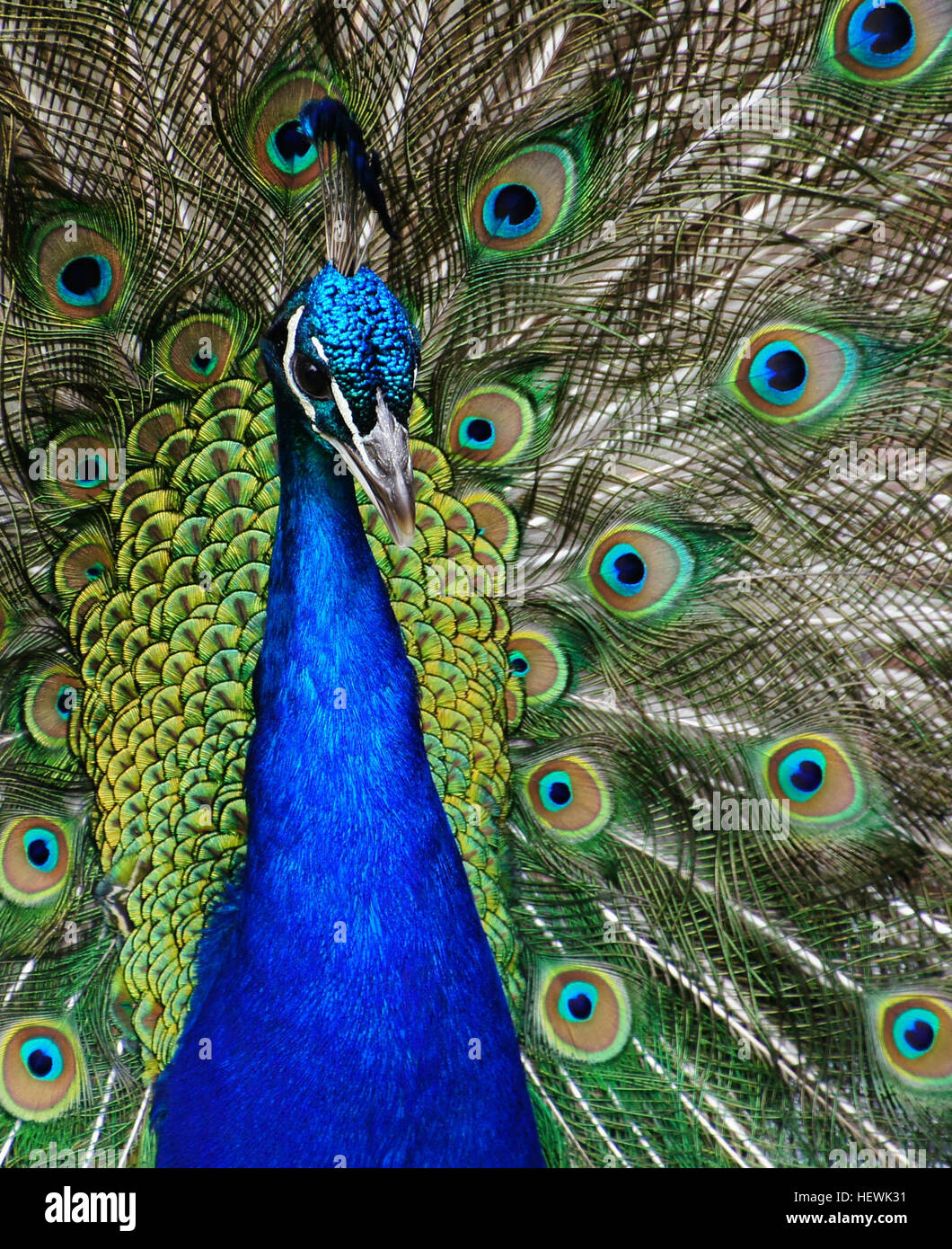
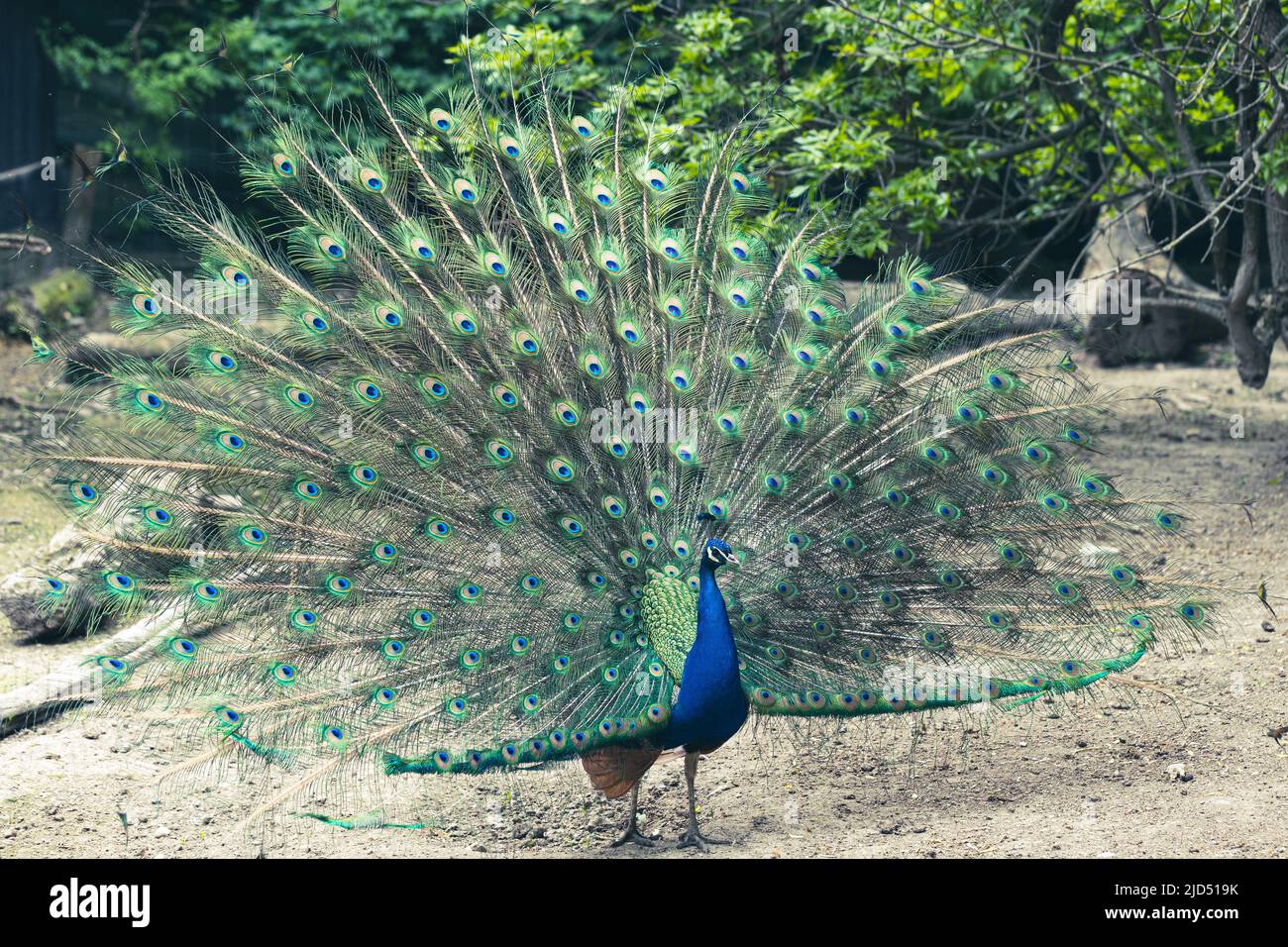
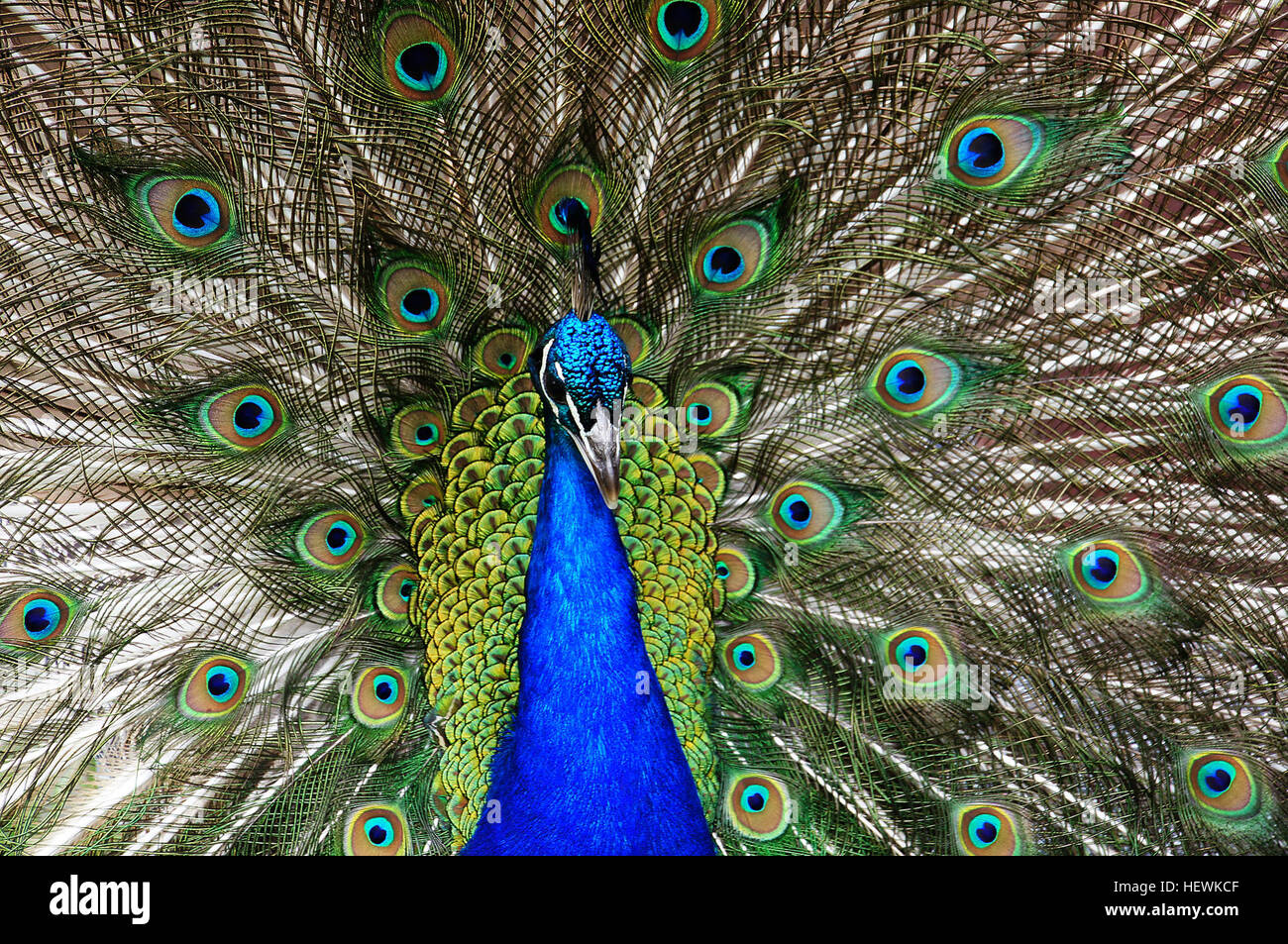
Peacocks are primarily known for their extravagant, iridescent train feathers adorned with distinctive "eyes" (ocelli), which males fan out in an elaborate courtship display to attract peahens. Beyond this striking visual trademark, these large ground-dwelling birds are recognized for their piercing vocalizations, unique ecological behaviors, historical domestication across global cultures, and the surprising fact that "peacock" technically refers only to the male of the species, while females are peahens, and the collective term is peafowl.
Contents
Understanding what peacocks are known for requires looking past the dazzling plumage to examine the underlying biology, evolutionary purposes, behavioral traits, and long-standing cultural footprint of these remarkable birds. Whether you are studying avian behavior, considering raising ornamental poultry, or exploring historical symbology, a comprehensive look at the peafowl reveals a creature of complex adaptations and deep historical significance.
1. Taxonomic Identity and Terminology
Before examining their famous traits, it is helpful to clarify what a peacock actually is from a biological standpoint. Belonging to the family Phasianidae—which also includes pheasants, turkeys, and quail—peafowl comprise three distinct extant species within two genera.
The term "peacock" is commonly used as a blanket description for the entire species, but strict ornithological usage dictates specific names:
- Peafowl: The general family name for the bird.
- Peacock: The adult male.
- Peahen: The adult female.
- Peachick: The juvenile offspring.
The three primary species recognized today exhibit distinct geographic distributions, physical characteristics, and conservation statuses. Understanding these differences provides essential context for why certain species are more commonly associated with ornamental displays or zoological exhibits.
| Common Species | Scientific Name | Native Region | Key Distinguishing Feature | Conservation Status |
|---|---|---|---|---|
| Indian Peafowl | Pavo cristatus | South Asia (India, Sri Lanka, Pakistan) | Blue neck, fan-like crest of open-webbed feathers | Least Concern |
| Green Peafowl | Pavo muticus | Southeast Asia (Java, Myanmar, Indochina) | Scaly green neck, taller stature, lance-like crest | Endangered |
| Congo Peafowl | Afropavo congensis | Central Africa (Democratic Republic of the Congo) | Shorter tail, darker coloration, forest-dwelling | Vulnerable |
2. The Magnificent Tail (The Train) and Evolutionary Purpose
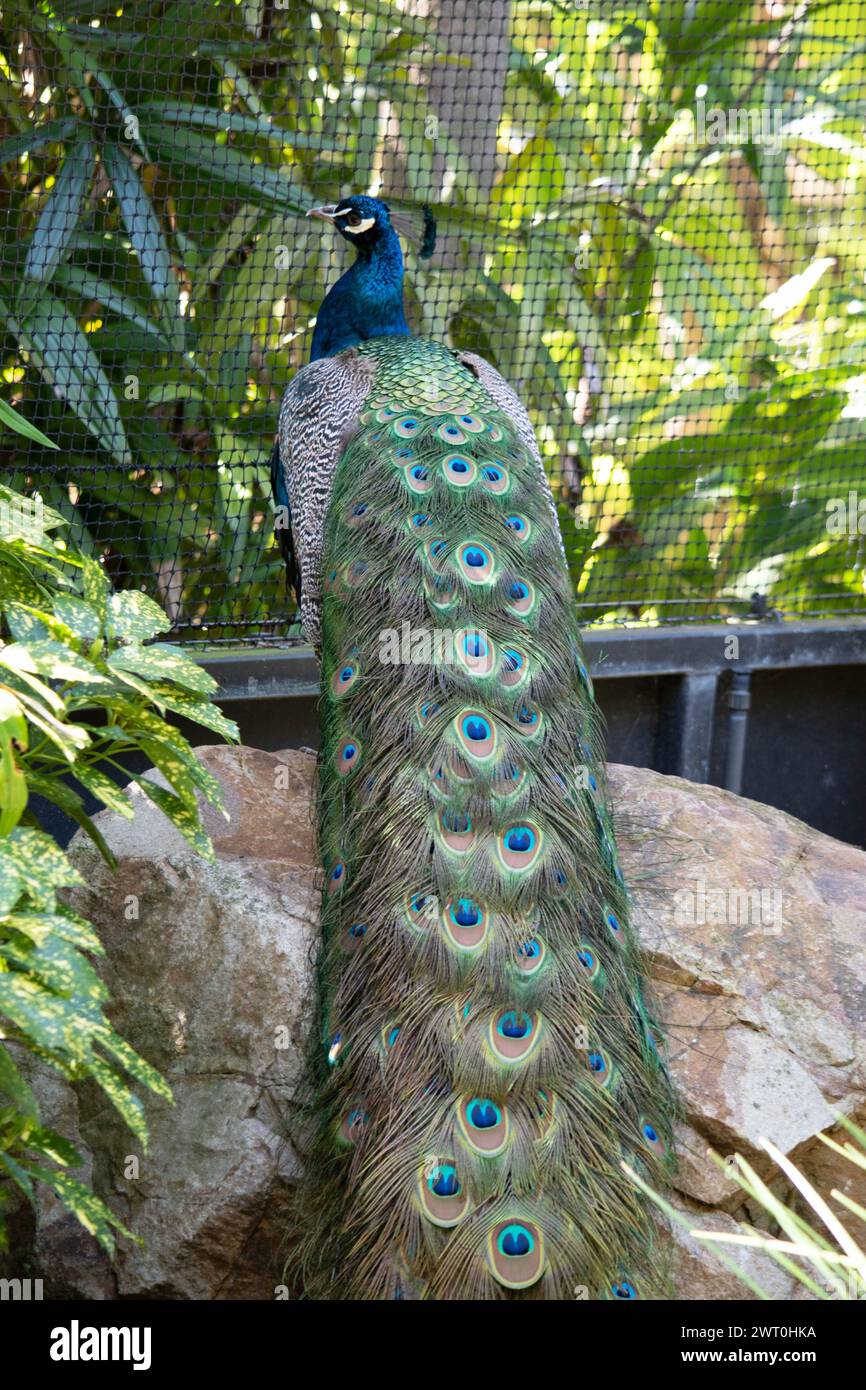
The single trait that defines the peacock in human imagination is its magnificent tail—though anatomically, the long, colorful feathers do not comprise the actual tail. Instead, they are modified upper tail coverts known as the train.
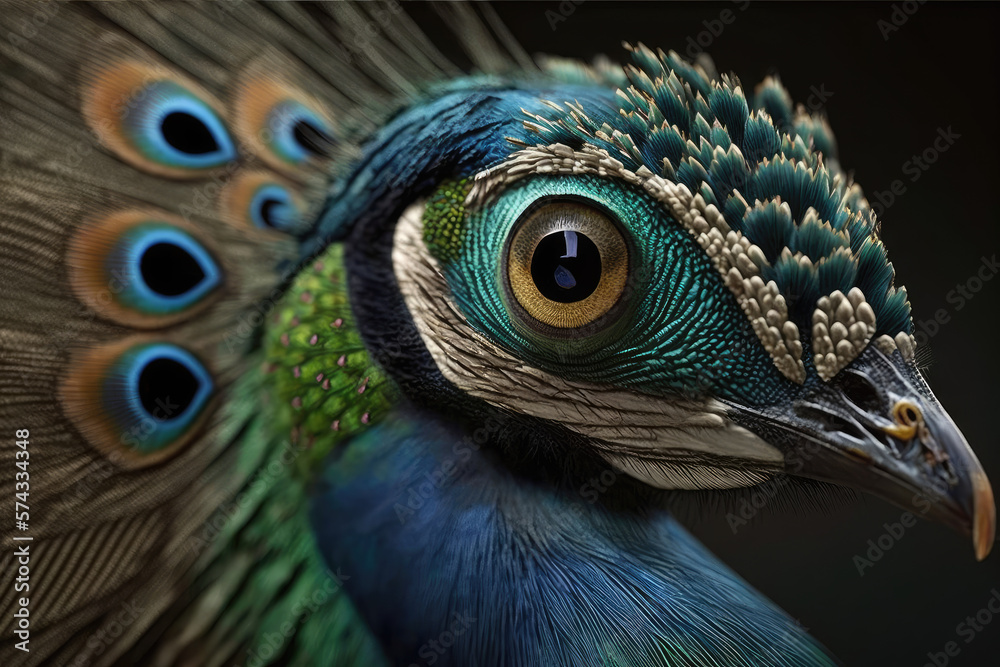
A mature male Indian peafowl can grow a train consisting of more than 200 individual feathers, accounting for over 60 percent of the bird's total body length. Each feather features a complex pattern of bronze, gold, green, and blue hues, culminating in an iridescent ocellus or "eye" that appears to glow when struck by direct sunlight.
The Mechanics of the Display
When courting a peahen, the male raises his train into a vertical, trembling fan supported by stiff, shorter tail feathers underneath. He rattles these feathers—producing a rustling sound similar to pattering rain—while strutting, vibrating his wings, and presenting his display from multiple angles to maximize the visual impact of structural coloration.
The Handicap Principle and Sexual Selection
The evolution of such an unwieldy and metabolically expensive ornament long puzzled evolutionary biologists. Charles Darwin himself noted that the peacock's heavy train seemed counterproductive to survival, making the bird a conspicuous target for apex predators like leopards and tigers.
Modern evolutionary theory explains the train through sexual selection and Amotz Zahavi’s Handicap Principle:
- Signaling Vigor: Only a healthy, strong male with access to abundant nutrition can afford the metabolic cost of growing and maintaining such a massive, burdensome ornament.
- Predator Evasion: Successfully escaping predators despite dragging a cumbersome train demonstrates superior agility, speed, and genetic fitness.
- Female Choice: Peahens systematically evaluate the density of eyespots, symmetry, and display vigor, choosing mates with the most extravagant trains to pass superior genetic traits to their offspring.
3. Physical Traits Beyond the Train
While the train commands the most attention, peacocks possess several other physical and biological characteristics that dictate their daily survival and lifestyle.
Flight Capabilities
Despite their heavy frames and massive tail ornaments, peacocks can fly. However, their flight is short, heavy, and typically restricted to escaping ground predators or ascending to high tree branches for overnight roosting. They can reach short burst speeds of up to 10 miles per hour and clear obstacles like fences or small buildings with relative ease.
Omnivorous Diet
Peafowl are opportunistic foragers. Their natural diet consists of a diverse mix of:
- Insects and Arachnids: Grasshoppers, ants, beetles, termites, and ticks.
- Small Vertebrates: Amphibians, small snakes, and lizards—making them valued visitors in rural agricultural communities for natural pest control.
- Plant Matter: Seeds, grains, flower petals, berries, and tender shoots.
Vocalizations
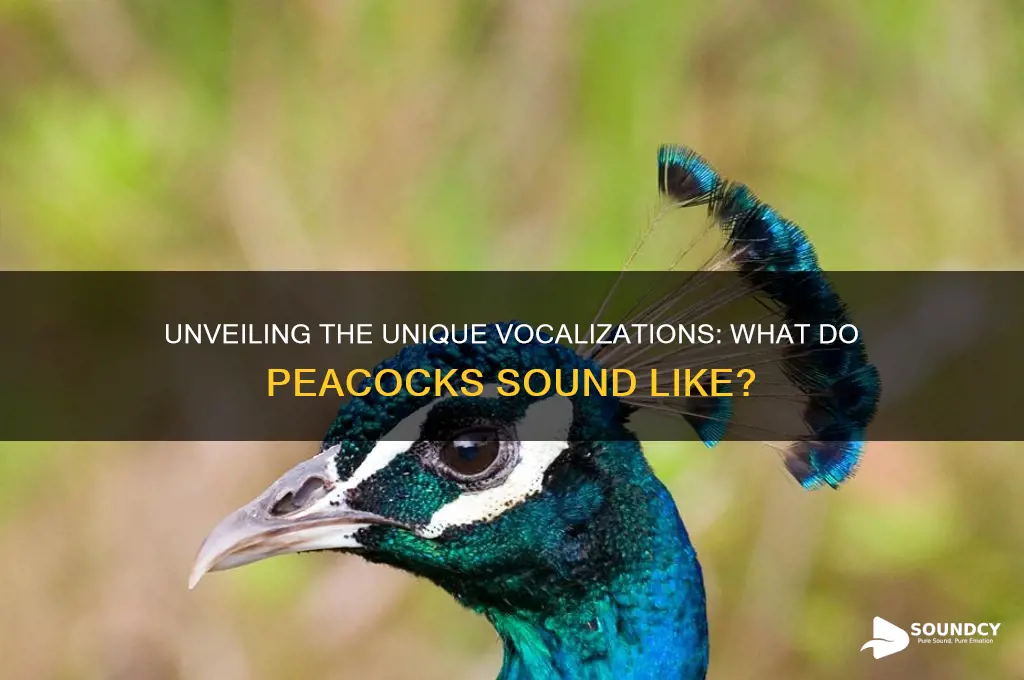
Peacocks are notoriously loud birds. They possess a diverse vocabulary ranging from low-frequency honks to piercing, human-like screams or alarm calls that can travel up to a mile across open terrain. These vocalizations are primarily used to establish territorial boundaries, attract mates during breeding season, and warn flock members of approaching predators.
4. Cultural Significance, History, and Symbolism
For millennia, peacocks have held profound symbolic weight across diverse human civilizations, bridging religion, art, royalty, and folklore.
Ancient and Religious Symbolism
- Hinduism: The Indian peafowl is deeply sacred. According to Hindu mythology, the peacock was created from the feathers of Garuda, the divine bird mount of Lord Vishnu. The deity Kartikeya (Skanda) rides a peacock named Paravani. Furthermore, peacocks are associated with Lord Krishna, who traditionally wears a peacock feather in his crown, symbolizing purity, patience, and transcendence.
- Christianity: In early Christian art and catacomb frescoes, the peacock became a symbol of immortality and resurrection. Ancient folklore erroneously believed that peacock flesh did not decay after death, leading believers to adopt the bird as an emblem of eternal life.
- Greek and Roman Mythology: The Greek goddess Hera (and her Roman counterpart Juno) adopted the peacock as her favored animal. According to myth, the "eyes" on the peacock's tail represent the hundred eyes of Argus Panoptes, a giant watchman placed by Hera to guard Io.
Royalty and Status Symbols
Because of their striking appearance, live peacocks have been kept in royal menageries and palace gardens since antiquity. King Solomon of ancient Israel reportedly traded with foreign lands to import exotic animals, including peafowl. During the European Middle Ages, roasted peacocks—dressed back in their skin and feathers—were served as extravagant centerpieces at royal banquets to signal extreme wealth and hospitality.
5. Behavior, Social Structure, and Domestication
Peafowl are social birds that live in small groups or harems consisting of one dominant male (cock) and multiple females (hens). They exhibit a strict hierarchical social structure governed by aggressive posturing, sparring, and dominance displays.
Domestication and Care Considerations
While native to wild tropical forests and scrublands, Indian peafowl have adapted remarkably well to human habitation. They are frequently kept as semi-domesticated ornamental birds on farms, large estates, and public parks.
However, prospective owners should consider several behavioral and environmental challenges:
- Noise Pollution: Their loud, repetitive calls—often delivered at dawn—can easily disturb close neighbors.
- Property Damage: Peacocks frequently mistake their reflections in shiny car paint or glass windows for rival males, leading to scratching and pecking damage. They can also scratch garden beds and flowerbeds while foraging.
- Roosting Habits: Because they prefer high resting spots to avoid ground predators, they frequently roost on roofs, balconies, and high tree branches, leaving droppings in unwanted areas.
Frequently Asked Questions
Do peacocks shed their tail feathers naturally?
Yes. Every year, typically at the end of the summer breeding season (around August or September), males undergo a natural molting process where they drop their entire train. They regrow a new, fuller set of feathers over the fall and winter months in preparation for the next spring mating season. Collecting fallen peacock feathers is a common practice among bird keepers and enthusiasts.
Can peacocks fly?
Yes, peacocks can fly, but their flight is limited. Because of their heavy bodies and long trains, their flights are usually short, low-to-the-ground bursts used primarily to escape predators or fly up into high trees to roost safely at night. They can comfortably clear fences, vehicles, and single-story roofs.
Are peacocks dangerous to humans?
Peacocks are generally docile and tend to flee from humans when approached. However, mature males can become territorial and aggressive during the spring breeding season when hormone levels peak. They may charge, peck, or scratch humans or pets if they perceive them as rivals or threats to their territory.
Why do peacocks scream?
Peacocks scream—producing a sound often described as sounding like a distressed human infant or a loud cat meow—to communicate across long distances. They call out to advertise their territory, attract potential mates during breeding season, or alert the flock to the presence of predators such as dogs, foxes, or raptors.
What is the difference between a peacock and a peahen?
The term peacock specifically refers to the male of the species, which is famous for its massive, iridescent train of feathers and bright blue-green plumage. The peahen is the female; she is significantly smaller, lacks the long train, and features drab, camouflaged brown and grey plumage that helps her blend into tall grass and brush while nesting.
Conclusion
Peacocks are known for much more than their breathtaking appearance. From the intricate evolutionary mechanics of the male's train to their complex social structures, loud vocalizations, and rich history in human art and mythology, these birds represent a fascinating intersection of biology and culture. Whether admired strutting through a historic botanical garden or studied for their unique courtship displays, peafowl remain enduring symbols of natural beauty and evolutionary adaptation.
Image Gallery