The Longest Winning Streaks in NBA History: Records and Analysis
The longest winning streak in NBA history is 33 games, achieved by the 1971-72 Los Angeles Lakers. As of 2026, this record remains the gold standard of sustained excellence in professional basketball, having withstood challenges from m...
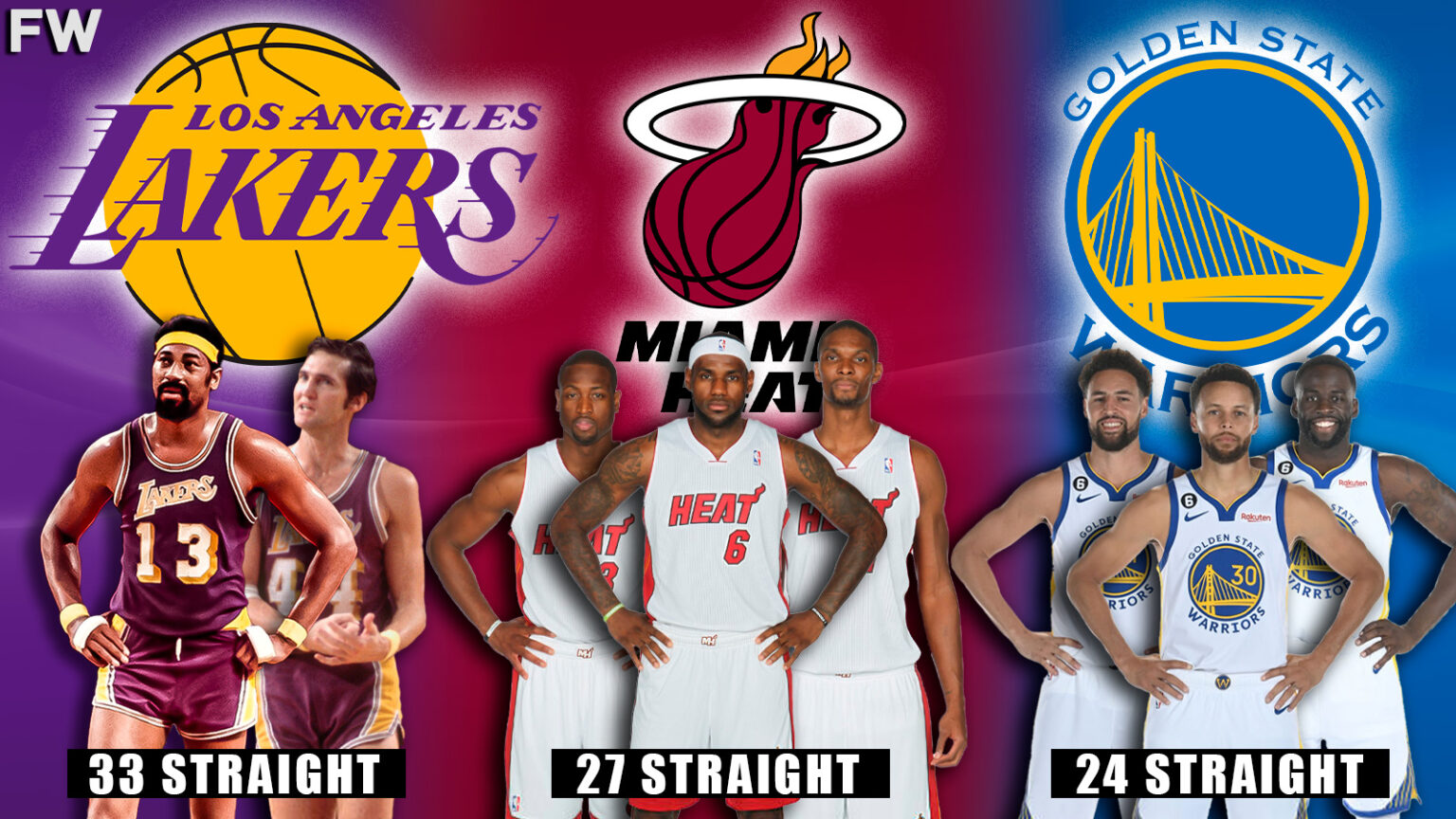
The longest winning streak in NBA history is 33 games, achieved by the 1971-72 Los Angeles Lakers. As of 2026, this record remains the gold standard of sustained excellence in professional basketball, having withstood challenges from modern dynasties like the Golden State Warriors and the "Big Three" Miami Heat for over half a century.
Contents
The All-Time Standard: The 1971-72 Los Angeles Lakers (33 Games)
The 33-game winning streak established by the 1971-72 Los Angeles Lakers is widely regarded as one of the most unbreakable records in North American professional sports. Spanning from November 5, 1971, to January 7, 1972, this run redefined the potential for team dominance. To put this feat into perspective, the Lakers did not lose a single game for over two months of the grueling NBA calendar.
Led by Hall of Famers Jerry West, Wilt Chamberlain, and Gail Goodrich, the Lakers’ success was rooted in a revolutionary approach to preparation. Head coach Bill Sharman introduced the "morning shootaround," a practice designed to burn off nervous energy and refine rhythm on game days—a tradition that is now standard across the league. During this 33-game stretch, the Lakers didn’t just win; they dominated, averaging a double-digit margin of victory.
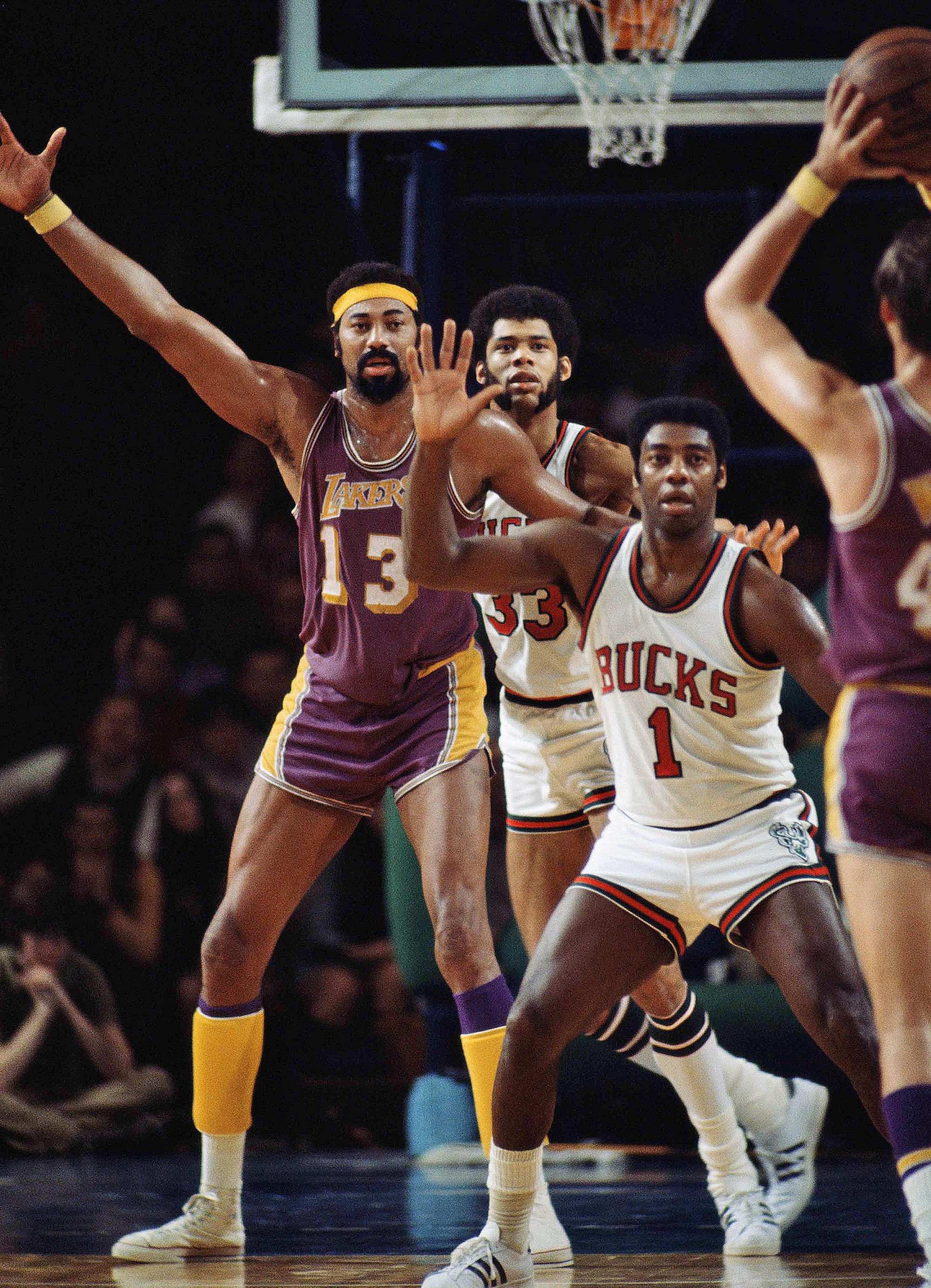
The streak was eventually snapped by the Milwaukee Bucks, led by a young Kareem Abdul-Jabbar, in a highly anticipated nationally televised game. The 1971-72 Lakers finished the season with a then-record 69-13 mark and secured the NBA Championship, validating their regular-season excellence with postseason hardware. Their record has survived the transition from the physical, low-efficiency era of the early 70s to the high-paced, three-point-centric modern game.
Modern Era Dominance: The 2012-13 Miami Heat (27 Games)
For decades, many analysts believed no team would ever come within ten games of the Lakers' record. That changed during the 2012-13 season when the Miami Heat, featuring LeBron James, Dwyane Wade, and Chris Bosh, embarked on a 27-game winning streak.
This run was characterized by incredible late-game heroics and a defensive "trapping" system that suffocated opponents. Unlike the 1971-72 Lakers, who often blew teams out early, the Heat faced several significant deficits during their streak. One of the most notable games occurred against the Cleveland Cavaliers, where Miami erased a 27-point deficit to keep the streak alive.
The Heat's 27-game run remains the second-longest single-season winning streak in NBA history. It highlighted the peak of the "positionless basketball" era, where James operated as a hybrid playmaker and power forward. The streak eventually ended in Chicago against a gritty Bulls team, but it served as the momentum required for the Heat to eventually win their second consecutive NBA title that June.
Cross-Season Excellence: The 2015-16 Golden State Warriors (28 Games)
When discussing the longest winning streaks, a distinction is often made between single-season runs and "bridge" streaks that span two seasons. The Golden State Warriors hold the record for the longest bridge streak, winning 28 consecutive regular-season games across the end of the 2014-15 season and the start of the 2015-16 season.
The Warriors won their final four games of the 2014-15 regular season and then opened the 2015-16 campaign with a staggering 24-0 start. This 24-game start is the record for the most consecutive wins to begin a season. Led by Stephen Curry’s unanimous MVP performance, the Warriors utilized a "Death Lineup" that revolutionized floor spacing and three-point volume.
As of 2026, the 24-0 start remains one of the most statistically improbable events in sports history. The streak ended, ironically, in Milwaukee—the same city where the Lakers' 33-game streak was halted 44 years earlier. While the Warriors surpassed the 1971-72 Lakers' season win total by finishing 73-9, they were unable to eclipse the 33-game mark, underscoring just how difficult it is to maintain focus over such a long period.
Historical Depth: Other Notable NBA Winning Streaks
While the Lakers, Heat, and Warriors occupy the top tier, several other teams have crossed the 20-game threshold, a mark that separates elite teams from historically great ones.
The 2007-08 Houston Rockets (22 Games)
The Rockets’ 22-game streak is perhaps the most improbable on the list. Mid-way through the streak, the team lost their franchise center, Yao Ming, to a season-ending injury. Despite this, Tracy McGrady and a cast of defensive specialists and role players—including Shane Battier and Rafer Alston—continued to win. Their success was built on a stifling defense and a highly efficient half-court offense, proving that a cohesive system can sometimes overcome the loss of a superstar.
The 1970-71 Milwaukee Bucks (20 Games)
Before snapping the Lakers' streak a year later, the Milwaukee Bucks set their own record with 20 consecutive wins. This team featured the iconic duo of Kareem Abdul-Jabbar (then Lew Alcindor) and Oscar Robertson. Their dominance was clinical; they led the league in field goal percentage and defensive efficiency. The 1970-71 Bucks remain one of the statistically highest-rated teams in NBA history based on point differential.
The 1947-48/1948-49 Washington Capitols (20 Games)
In the early days of the BAA (the precursor to the NBA), the Washington Capitols, coached by the legendary Red Auerbach, won 20 straight games across two seasons. While the competition level and league structure were vastly different from the modern era, this streak stood as the record for over two decades until the Lakers' 1971-72 run.
Comparative Analysis of the Longest NBA Streaks
| Team | Season(s) | Streak Length | Final Season Result |
|---|---|---|---|
| Los Angeles Lakers | 1971-72 | 33 Games | Won NBA Championship |
| Golden State Warriors | 2014-15 to 2015-16 | 28 Games | Lost NBA Finals |
| Miami Heat | 2012-13 | 27 Games | Won NBA Championship |
| Houston Rockets | 2007-08 | 22 Games | Lost First Round |
| Milwaukee Bucks | 1970-71 | 20 Games | Won NBA Championship |
| Washington Capitols | 1947-48 to 1948-49 | 20 Games | Lost BAA Finals |
Factors That Enable Historic Winning Streaks
Achieving a 20+ game winning streak requires more than just talent; it requires a specific convergence of health, schedule, and psychological resilience.
- Schedule Density and Travel: Modern NBA teams face significant hurdles such as "back-to-back" games and "three games in four nights." Historical streaks often benefited from or overcame these scheduling clusters. The Lakers' 33-game run included several back-to-back sets involving travel on commercial flights, making their physical durability even more impressive.
- Point Differential and Blowouts: Teams that maintain long streaks usually possess a high average margin of victory. This allows star players to rest during fourth quarters, reducing the risk of injury and fatigue-related slumps. The 1971-72 Lakers and 2015-16 Warriors were masters of the "third-quarter knockout," where they would expand a lead so significantly that the game was effectively over before the final frame.
- Statistical Consistency: According to Basketball-Reference, the teams with the longest streaks almost invariably rank in the top three for both Offensive and Defensive Rating. A streak cannot rely on hot shooting alone; when the offense stalls, the defense must be elite enough to carry the team to a narrow victory.
- Health and Roster Depth: Avoiding "man-games lost" to injury is vital. While the 2008 Rockets were an outlier in losing Yao Ming, most historic streaks feature a consistent starting five that builds immense on-court chemistry.
Frequently Asked Questions
Does the NBA count playoff games in winning streaks?
Official NBA winning streak records only account for regular-season games. While a team may win several games at the end of a regular season and continue winning through the playoffs, the league tracks regular-season and postseason streaks separately. A "bridge" streak only counts games from the end of one regular season to the beginning of the next.
What is the longest winning streak at home in NBA history?
The Golden State Warriors hold the record for the longest home winning streak, winning 54 consecutive regular-season games at Oracle Arena. This streak spanned from January 31, 2015, to March 29, 2016. This is distinct from an overall winning streak, as it includes road losses that occurred during the same timeframe.
Has any team had two 20-game winning streaks?
No NBA franchise has ever recorded two separate 20-game winning streaks in the same season. Achieving even one 20-game run is an exceedingly rare event, occurring only a handful of times in the 80-year history of the league.
Why is the 33-game streak considered harder to break today?
The modern NBA features greater "parity" due to the salary cap and advanced scouting. With every team using sophisticated data to exploit opponent weaknesses, and the league’s emphasis on "load management" (resting stars to prevent injury), maintaining the intensity required for a 30+ game streak is significantly more difficult in 2026 than it was in 1971.
Which team has the most 10+ game winning streaks?
The Los Angeles Lakers and Boston Celtics historically lead the league in the frequency of double-digit winning streaks. This is largely due to their sustained periods of championship contention across multiple decades.
Practical Guidance for Fans and Analysts
When evaluating the "greatness" of a winning streak, it is important to look beyond the raw number of wins. Analysts should consider the Strength of Schedule (SOS) during the run and the Net Rating (the team's point differential per 100 possessions). A 20-game streak against sub-.500 teams is impressive, but a 15-game streak against playoff-caliber opponents often indicates a higher level of true team strength.
For those interested in historical data, NBA.com's official records provide a comprehensive breakdown of every streak over 15 games. Tracking these runs in real-time requires monitoring team efficiency metrics, which often signal a regression or a continuation of the streak before the final buzzer sounds.
Image Gallery