The White House Taylor Swift Song Incident Explained: Pop Culture, Junk Fees, and Consumer Policy
The White House Taylor Swift song incident refers to a viral press briefing moment where White House Press Secretary Karine Jean-Pierre deliberately woven multiple Taylor Swift song titles into official administration statements. This...
The White House Taylor Swift song incident refers to a viral press briefing moment where White House Press Secretary Karine Jean-Pierre deliberately woven multiple Taylor Swift song titles into official administration statements. This lighthearted briefing tactic was designed to draw national attention to the Biden-Harris administration's aggressive policy push against hidden concert "junk fees" and ticketer monopolies following the 2022 Eras Tour ticketing breakdown.
Contents
What Was the White House Taylor Swift Song Incident?
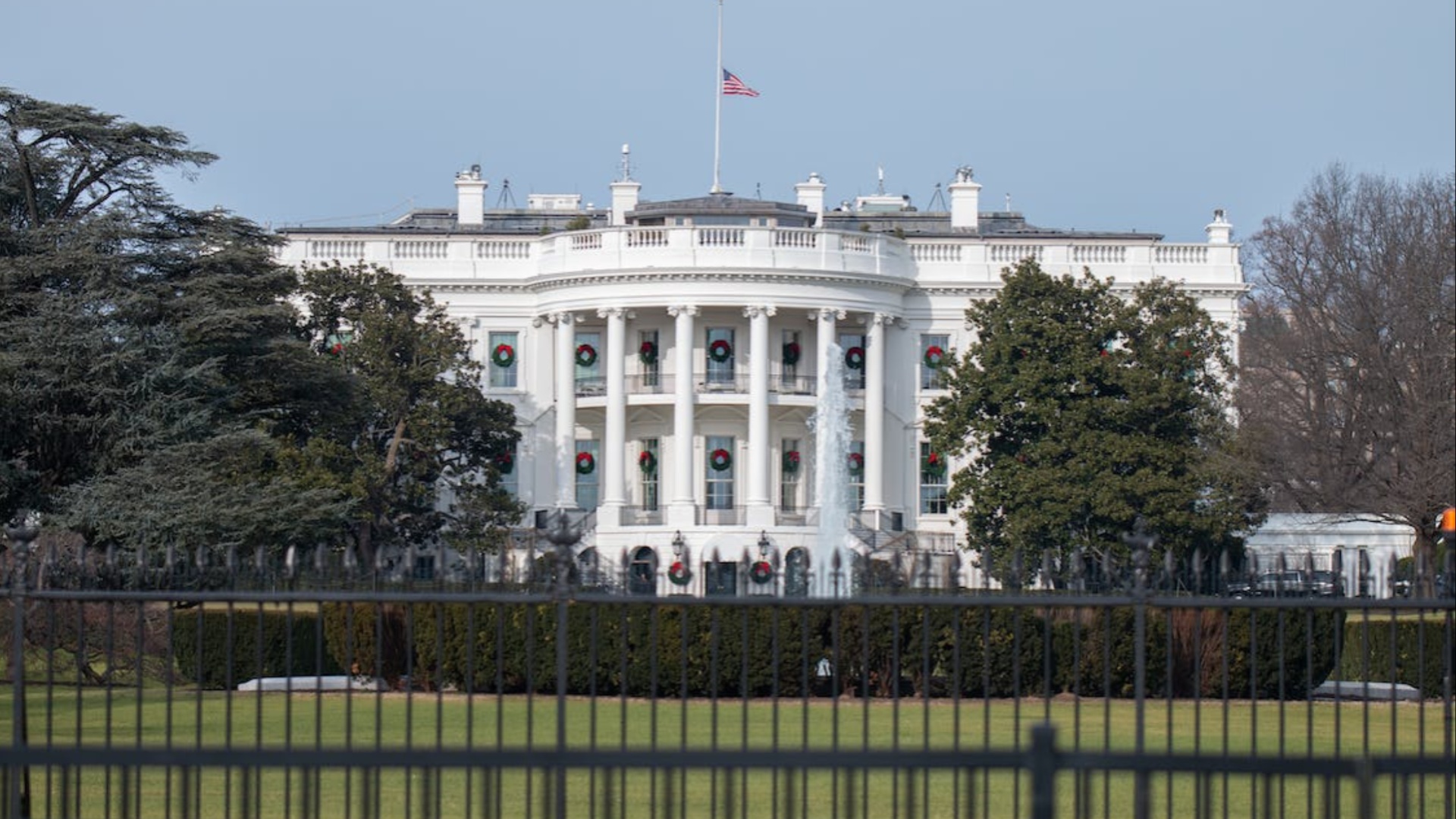
During official press briefings at the James S. Brady Press Briefing Room, White House Press Secretary Karine Jean-Pierre surprised political reporters and pop-culture observers by delivering a briefing peppered with intentional Taylor Swift song titles. The exchange was not an accident or a casual joke; it was a calculated communication strategy designed to highlight federal action on consumer protection, inflation, and junk fees.
Reporters in the room quickly realized that Jean-Pierre was constructing entire answers out of Swift's discography. In addressing questions regarding economic policy, debt limit negotiations, and live entertainment ticket pricing, the administration seamlessly dropped titles such as:
- "Cruel Summer" when discussing seasonal economic pressures and consumer spending.
- "Shake It Off" when addressing political attacks and legislative hurdles in Congress.
- "Blank Space" regarding unfilled judicial and administrative appointments or policy gaps.
- "Bad Blood" in reference to partisan friction over federal budget talks.
- "Karma" when highlighting regulatory consequences for corporations engaging in anti-competitive behavior.
- "I Knew You Were Trouble" when describing deceptive corporate pricing practices.
- "The Story of Us" when reflecting on bipartisan legislative negotiations.
While the clever phrasing made immediate headlines across social media platforms and cable news networks, the underlying purpose was serious public policy outreach. The administration sought to leverage Swift’s immense cultural momentum to explain complex economic regulations—specifically the crackdown on non-transparent ticketing surcharges—to millions of Americans who had recently experienced ticket buying frustrations firsthand.
The Catalyst: The Eras Tour Ticketing Debacle
To understand why the Executive Office of the President engaged with Taylor Swift references, one must examine the event that triggered widespread public outrage in late 2022: the presale launch for Taylor Swift’s The Eras Tour.
In November 2022, millions of fans attempted to purchase tickets through Ticketmaster’s Verified Fan system. The unprecedented demand, combined with automated bot attacks and infrastructure failure, caused severe platform outages, cancelled general public sales, and left fans facing hours-long digital queues only to find astronomical resale markups and surprise service fees at checkout.
- Ticketing Infrastructure Breakdown (Nov 2022)
- 3.5 Billion System Requests: Server Crashes
- Cancelled Public Sale: Fan Outrage
- Exposed Opaque Surcharges: Bipartisan Congressional Scrutiny
The incident transformed long-standing consumer frustration into an immediate political priority. Consumers across the country reported paying service fees, processing charges, and facility fees that increased the base cost of a ticket by 30% to 50% without upfront disclosure.
The backlash quickly reached Capitol Hill and federal regulatory agencies:
- Senate Judiciary Committee Hearing: In January 2023, the U.S. Senate Judiciary Committee held a high-profile hearing titled * "That's the Ticket: Promoting Competition and Protecting Consumers in Live Entertainment." * Senators from both major parties grilled executives from Live Nation Entertainment (Ticketmaster’s parent company) regarding market dominance, ticket delivery fees, and exclusive venue contracts.
- Executive Action on Junk Fees: President Biden highlighted deceptive drip pricing—where fees are incrementally added throughout the checkout process—as a major target of the White House Competition Council.
- FTC Enforcement Actions: The Federal Trade Commission (FTC) initiated rulemaking processes to ban hidden fees across ticketing, lodging, and financial services nationwide.
Strategic Communication: Why the White House Used Taylor Swift References
The decision by the White House communications team to incorporate Taylor Swift song titles into press briefings was a textbook example of "cultural hijacking"—a public relations technique where public officials utilize a trending pop-culture event to elevate complex policy matters into mainstream conversation.
- Pop Culture Phenomenon (Eras Tour)
- Strategic PR Integration (White House Press Briefing)
- Broad Public Engagement on Complex Regulatory Policy (Junk Fees & FTC Rules)
1. Demystifying Economic Terminology
Terms like drip pricing, vertical integration, and anti-competitive market concentration rarely resonate with the general public. By connecting these regulatory concepts to the real-world frustration of buying concert tickets, the White House made federal consumer protection policies accessible to average voters.
2. Engaging Younger Demographics
Younger voters and first-time ticket buyers are historically harder to reach through traditional political broadcasts or formal executive statements. Utilizing Swift's discography allowed the administration to capture attention across non-traditional news channels, social media clips, and digital culture outlets.
3. Highlighting the Anti-Junk Fee Initiative
Eliminating hidden fees was a cornerstone of the administration's middle-class economic agenda. Framing ticket fees around Swift’s tour provided a concrete, universally understood example of how hidden corporate fees harm household budgets.
Breakdown of Song References vs. Administration Policies
The following matrix details how specific Taylor Swift song references during White House briefings and public statements aligned with concrete federal policy actions and regulatory goals:
| Song Reference | Briefing / Context | Corresponding Federal Policy / Action | Practical Impact on Consumers |
|---|---|---|---|
| "Cruel Summer" | Seasonal economic updates and summer travel costs | FTC Rulemaking on Unfair and Deceptive Fees | Mandates upfront disclosure of total prices before purchase. |
| "Bad Blood" | Anti-competitive practices in live event ticketing | DOJ Antitrust Lawsuit against Live Nation-Ticketmaster | Seeks to break up vertical monopolies and restore venue competition. |
| "Karma" | Regulatory enforcement against non-transparent corporations | CFPB & FTC Penalty Actions on Hidden Surcharges | Imposes financial penalties on platforms using deceptive drip pricing. |
| "Shake It Off" | Congressional resistance to the Junk Fee Prevention Act | Legislative advocacy for federal fee transparency laws | Pushes federal legislation to cap arbitrary service charges. |
| "I Knew You Were Trouble" | Deceptive checkout procedures and bot manipulation | BOTS Act Enforcement & Executive Council Guidance | Enhances federal penalties for automated ticket-scalping bots. |
| "Blank Space" | Unfilled gaps in ticket pricing rules | Executive Order on Promoting Competition in the American Economy | Directs federal agencies to target hidden fees across sectors. |
Media Reception and Political Criticism
The White House Taylor Swift song incident generated widespread commentary from media organizations, political strategists, and industry analysts, revealing distinct viewpoints on political messaging.
Positive Reception: Cultural Relevance and Policy Visibility
Supporters praised the White House press team for modernizing presidential messaging. Media analysts noted that dropping song titles successfully forced cable news networks to broadcast segments on consumer fee reform that otherwise might have received little airtime. Consumer advocacy groups commended the administration for using its platform to hold major ticketing platforms accountable while keeping public pressure on regulatory agencies.
Pushback and Criticism: Tone and Substance Concerns
Critics, including opposing political commentators and some political journalists, argued that using pop-culture puns during official White House press briefings minimized serious economic concerns such as persistent inflation, rising interest rates, and national security challenges. Others cautioned that lighthearted press room banter risked appearing as mere political theater if not backed up by lasting structural reform within the live entertainment industry.
Long-Term Regulatory Impact on Ticketing and Consumer Fees
Beyond the viral briefing moments and media attention, the public spotlight on Taylor Swift's tour fees accelerated tangible federal regulatory changes that continue to shape how goods and services are priced in the United States.
- Press Briefing Spotlight
- FTC Rulemaking
- Executive Commitments
- DOJ Antitrust Action
1. Mandatory "All-In Pricing" Commitments
In June 2023, following sustained pressure from the White House, major ticketing and entertainment companies—including Live Nation (Ticketmaster), SeatGeek, and xVIP—met at the White House to formally commit to voluntarily adopting "all-in pricing." Under this standard, platforms must display the total cost of a ticket, including all mandatory service fees and facility surcharges, at the start of the shopping experience rather than revealing them at the final payment screen.
2. FTC Trade Regulation Rule on Deceptive Fees
The Federal Trade Commission introduced formal nationwide rules banning deceptive hidden fees across multiple industries. The proposed regulations require businesses to:
- Display total prices clearly upfront in all advertising and user interfaces.
- Disclose whether fees are refundable before taking payment.
- Prohibit misrepresenting the nature and purpose of mandatory fees.
3. Department of Justice Antitrust Lawsuit
In May 2024, the U.S. Department of Justice, alongside dozens of state attorneys general, filed a landmark antitrust lawsuit against Live Nation Entertainment. The lawsuit alleges that Live Nation maintains an illegal monopoly over the live music industry, inflating ticket prices, locking venues into exclusive contracts, and suppressing competition.
Frequently Asked Questions
Did Karine Jean-Pierre intentionally drop Taylor Swift lyrics during the briefing?
Yes. White House Press Secretary Karine Jean-Pierre deliberately included multiple Taylor Swift song titles during official briefings as a creative strategy to draw public interest to the administration’s regulatory initiatives against corporate "junk fees."
What are "junk fees" in the context of concert tickets?
"Junk fees" refer to mandatory surcharges—such as service charges, processing fees, facility fees, and delivery fees—that are hidden from the initial listed price and added at the final step of checkout, making the final ticket cost significantly higher than advertised.
Did the Taylor Swift White House incident lead to actual legislation?
The attention surrounding the incident directly accelerated executive actions, including the FTC's proposed Rule on Unfair or Deceptive Fees, voluntary adoption of "all-in upfront pricing" by major platforms, and the introduction of the bipartisan Junk Fee Prevention Act in Congress.
Has Ticketmaster changed its pricing policies since the White House incident?
Yes. Under federal regulatory pressure, Ticketmaster and several major ticketing competitors implemented upfront "all-in pricing" models across their U.S. platforms, allowing buyers to see the total ticket price including mandatory fees before adding tickets to their cart.
How does the DOJ lawsuit against Live Nation relate to this event?
The public outcry over the 2022 Eras Tour ticketing breakdown brought widespread attention to Live Nation-Ticketmaster's market share, prompting deep regulatory investigations that ultimately culminated in the Department of Justice's antitrust lawsuit seeking structural remedies in the live entertainment market.
Practical Takeaways for Consumers and Ticket Buyers
For everyday consumers navigating live event ticketing, federal regulatory updates following the White House incident offer practical tools to avoid deceptive surcharges:
- Toggle "All-In Pricing" Options: When using secondary or primary ticketing marketplaces, ensure the "Show prices with fees" filter is selected before reviewing available seats.
- Report Deceptive Pricing Practices: If a vendor adds mandatory fees at checkout that were not disclosed upfront, consumers can submit formal complaints directly to the Federal Trade Commission (FTC) or their state Attorney General's Consumer Protection Division.
- Review Legislative Updates: Stay informed on state and federal consumer protection acts (such as California's SB 478 and federal junk fee rules) that legally mandate transparent fee pricing across entertainment, hotel bookings, and airline travel.
Image Gallery