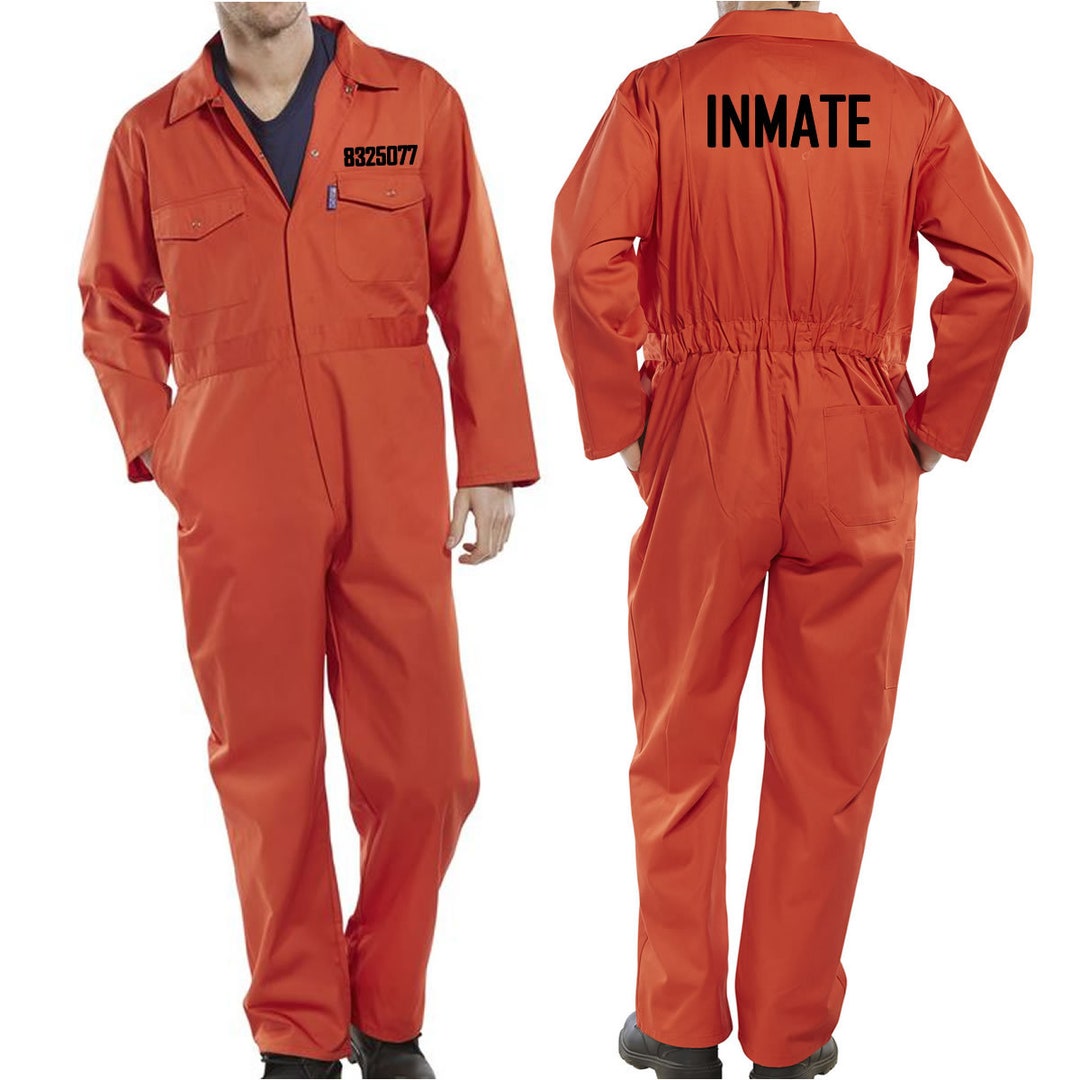
What Does a Red Jumpsuit Mean in Jail: Standardized Classification Systems
In correctional facilities, a red jumpsuit primarily designates high-risk or disciplinary status inmates. While uniform color codes vary by jurisdiction, red is universally utilized across the United States in 2026 to signal elevated s...
In correctional facilities, a red jumpsuit primarily designates high-risk or disciplinary status inmates. While uniform color codes vary by jurisdiction, red is universally utilized across the United States in 2026 to signal elevated security concerns, including behavioral issues, violent history, or the necessity for administrative segregation to ensure the safety of staff and other inmates.
Contents
The Logic Behind Correctional Uniform Color Coding
Correctional institutions utilize color-coded uniforms to maintain visual management and rapid identification of inmate populations. By assigning specific colors to different classifications, staff can immediately discern which individuals are authorized to be in specific areas or interact with others. This system is a core component of facility security, reducing the need for constant file verification and allowing guards to maintain institutional control.
While there is no singular federal mandate dictating a uniform color scheme for all jails and prisons, most regional facilities adopt a hierarchy based on security risk. Red is almost exclusively reserved for inmates who require extra supervision.
Understanding the Significance of Red Uniforms
The categorization of an inmate as a "red status" individual typically hinges on institutional behavior rather than the original crime committed. An inmate may arrive at a facility with a different status but be moved to a red jumpsuit if they violate internal policies.
- Disciplinary Segregation: Inmates who have committed serious infractions, such as assault on staff, fighting, or possession of contraband, are often placed in red jumpsuits to denote their segregation from the general population.
- High-Risk Assessment: Those deemed a severe flight risk or a danger to the security of the facility are assigned red to ensure they are easily tracked during transport or movement within the building.
- Protective Custody Exceptions: In rare, specific county-level variations, red may also denote an inmate who is themselves in need of protection from the general population, though orange or yellow is more common for this purpose.
Comparison of Standard Inmate Uniform Classifications
The following table outlines common color designations in typical 2026 correctional facility operations. Note that these are generalized; specific county or state facilities reserve the right to modify these codes based on their internal security manual.
| Uniform Color | Standard Meaning | Security Level |
|---|---|---|
| Red | Administrative Segregation / Disciplinary | Maximum / High Risk |
| Orange | General Population | Medium Risk |
| Blue/Tan | Low-Risk / Trustee / Work Detail | Minimum Risk |
| Yellow/Green | Protective Custody / Mental Health | Variable / Restricted |
| Striped | Temporary Holding / Intake | Initial Assessment |
Security Protocols for Red Status Inmates
When an inmate is outfitted in a red jumpsuit, their movement and daily routine are governed by strict administrative protocols. These protocols are designed to prevent the escalation of violence and to protect facility staff.
- Restricted Movement: Red-status inmates are rarely permitted to move through the facility unescorted. Every movement requires a two-person guard escort.
- Contact Limitations: Interaction with the general population is strictly prohibited. These inmates typically take meals in their cells and receive limited "out of cell" time.
- Search Requirements: Facilities maintain a 2026 standard of heightened search frequency for red-status individuals, including full strip searches before and after any movement outside the secure unit.
- Equipment Usage: When outside their designated zone, these inmates are often restrained with additional measures, such as belly chains or leg shackles, regardless of their compliance level.
Why Uniforms Matter for Institutional Safety
The primary utility of the color-coded system is the reduction of "latency of response." In an environment where seconds count, an officer must be able to identify an inmate’s security clearance without needing to access a digital database. If a red-jumpsuit-clad inmate is found in a low-security zone, the institutional response is immediate and preemptive.
Furthermore, these uniforms act as a psychological barrier. In the 2026 climate of prison management, visual cues are used to remind both inmates and staff of the behavioral expectations required within that specific unit. The red uniform is a persistent visual indicator that the inmate is currently under a "heightened caution" protocol.
Frequently Asked Questions (FAQ)
Is a red jumpsuit a universal standard in every US jail? No, uniform colors are determined by individual county sheriffs or state departments of corrections, not by a single federal law. While red consistently implies high risk, some facilities may use other colors for high-risk individuals.
Does a red jumpsuit mean someone has committed a violent crime? Not necessarily. While violent offenders are often classified as high-risk, a non-violent inmate may be placed in a red jumpsuit due to internal behavior, such as repeated rule-breaking or attempting to incite a disturbance within the facility.
Can an inmate change their uniform color? Yes. Through a process called "classification review," inmates who demonstrate sustained good behavior, complete required programs, and remain free of disciplinary write-ups for a set period can often earn a transfer to a lower-security classification, leading to a change in uniform color.
Are red jumpsuits used in federal prisons? Federal prisons, operated by the Bureau of Prisons (BOP), use their own standardized system, which often emphasizes khaki or tan uniforms for general population. However, special housing units (SHU) within federal facilities may still utilize distinct color identifiers for disciplinary segregation.
Do visitors need to be aware of these colors? Visitors generally do not need to concern themselves with these classifications unless they are involved in specialized contact visitation programs. In most cases, visitation occurs in a controlled environment where the inmate’s security status has already been accounted for by the facility's classification department.
Recommendations for Further Information
If you are attempting to locate an individual or verify the specific status of an inmate, you should visit the official website of the local county sheriff’s office or the state Department of Corrections (DOC) inmate lookup tool. These portals provide real-time information regarding an inmate's current location, charges, and classification status if public disclosure is permitted by local privacy laws. Always rely on official government (.gov) sources to ensure the accuracy of information regarding correctional procedures and individual inmate details.
Image Gallery