Concrete Foundation Repair in Lawrenceville Explained
Concrete foundation repair in Lawrenceville addresses the structural stabilization of residential and commercial properties facing issues caused by the region's unique red clay soil, drainage challenges, and seismic history. Homeowners...
Concrete foundation repair in Lawrenceville addresses the structural stabilization of residential and commercial properties facing issues caused by the region's unique red clay soil, drainage challenges, and seismic history. Homeowners typically manage these repairs through professional underpinning, slab jacking, or pier installation to restore structural integrity, stop water intrusion, and prevent long-term settling that threatens the property's value.
Contents
Understanding the Regional Context of Foundation Stress
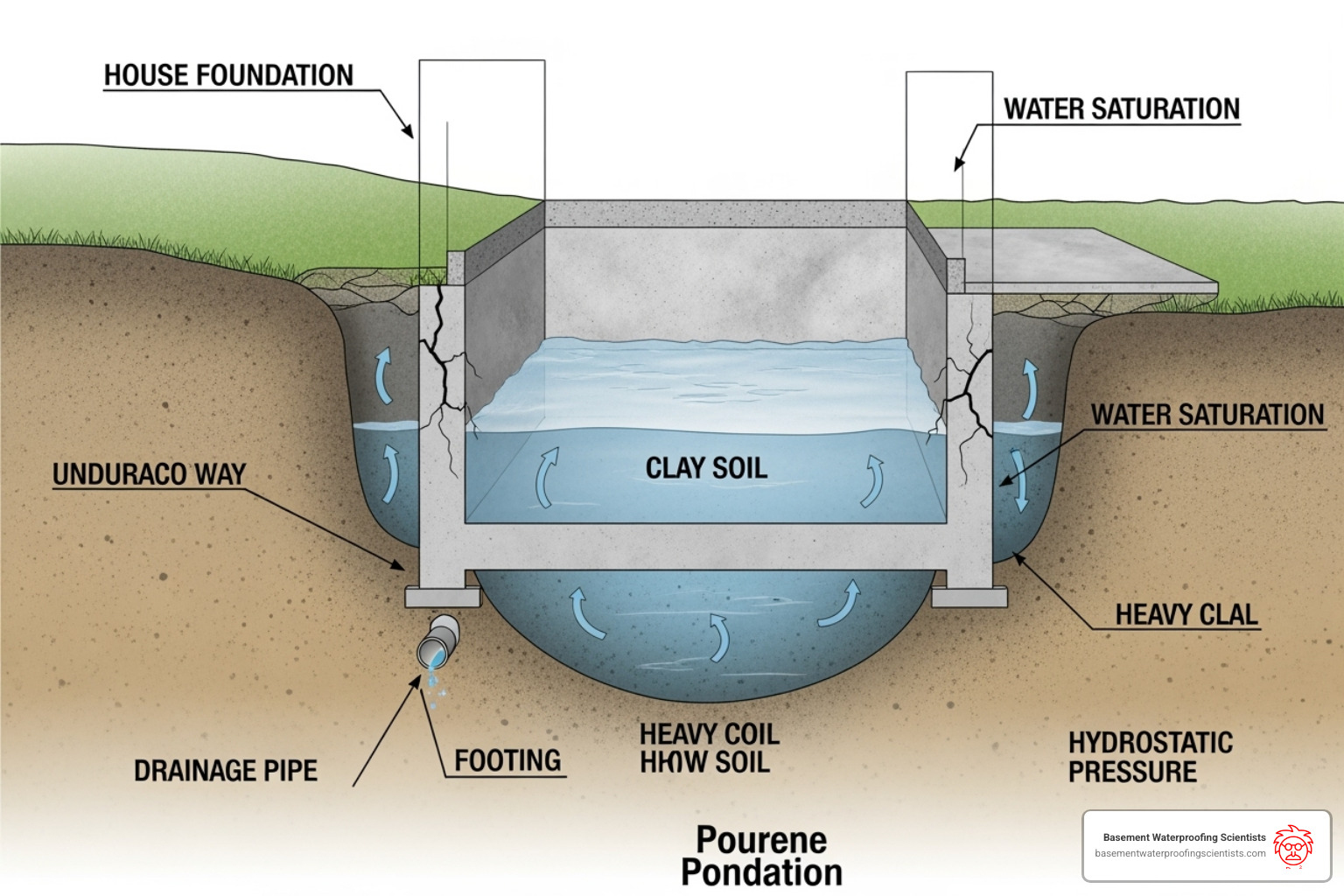
Lawrenceville, Georgia, sits within a geographic zone heavily influenced by the Piedmont Plateau, characterized by deep, weathered soils often referred to as "red clay." While this soil provides a stable base when dry, it is highly expansive. As moisture levels fluctuate due to Georgia’s humid subtropical climate, the soil underneath your home expands and contracts. This movement places immense pressure on concrete foundations.
In addition to soil composition, Lawrenceville’s topography often features varying grades. If a home is built on a slope, water runoff can accumulate against one side of the foundation. Over years of seasonal cycles, this hydrostatic pressure—the pressure exerted by fluid at equilibrium at a given point within the fluid—can cause concrete to crack, bow, or shift. Understanding that your foundation's health is intrinsically linked to the drainage patterns of your specific lot is the first step in effective maintenance.
Identifying Signs of Foundation Distress
Before pursuing repairs, it is essential to distinguish between cosmetic cracking and structural failure. Minor hairline cracks are often the result of concrete curing or minimal temperature-driven expansion and are typically non-structural. However, you should consult a professional if you observe:
- Stair-Step Cracking: Diagonal cracks following the mortar joints of brick or block foundations, indicating that a corner of the foundation is sinking.
- Door and Window Binding: Doors that suddenly stick or fail to latch, or windows that become difficult to open or close, are frequently signs that the frame has shifted due to foundation settling.
- Floor Unevenness: A visible slope or a "bounce" in the floor, which suggests the interior support beams or slab have lost contact with the subgrade.
- Chimney Separation: A visible gap between the chimney and the exterior siding of the home, which often indicates that the chimney footing is settling independently of the main structure.
Common Repair Methodologies in Lawrenceville
Modern foundation repair typically utilizes methods that do not necessarily involve replacing the entire foundation. Most solutions aim to transfer the weight of the structure to more stable, deeper soil or bedrock.
1. Steel Piering (Underpinning)
This is the most permanent solution for homes experiencing significant settlement. Steel piles are driven through the soft, shifting soil layers until they reach load-bearing strata or bedrock. The weight of the foundation is then transferred onto these piers via hydraulic jacks. This method is highly effective in Lawrenceville because it bypasses the expansive clay layers entirely.
2. Helical Piers
Similar to steel piles, helical piers feature a screw-like thread. These are "screwed" into the ground using heavy machinery. They are particularly effective for lighter structures or areas where the weight of the home is not sufficient to drive traditional steel piers.
3. Slab Jacking (Mudjacking or Polyurethane Injection)
If the primary issue is a void beneath a slab-on-grade foundation, contractors may use slab jacking. In this process, a material—either a specialized grout (mudjacking) or a high-density expanding polyurethane foam—is injected through small holes drilled into the slab. The material fills the voids and lifts the slab back toward its original elevation.
Comparison of Foundation Repair Techniques
| Method | Best Use Case | Primary Benefit | Durability |
|---|---|---|---|
| Steel Piers | Heavy structural settlement | Maximum load capacity | High (Permanent) |
| Helical Piers | Smaller structures / porches | Minimal vibration during install | High |
| Polyurethane Foam | Small voids / sinking slabs | Fast cure time; minimal mess | Moderate |
| Drainage Correction | Water-related soil issues | Preventative; low cost | Essential |
The Role of Professional Assessment and Engineering
Foundation repair is rarely a "do-it-yourself" project. In the state of Georgia, professional remediation often requires a licensed contractor to verify local building codes. Because foundation work involves altering the structural support of a dwelling, some projects may require a permit from the Gwinnett County Department of Planning and Development.
Before hiring a contractor, look for companies that provide reports prepared by a licensed professional engineer (PE). A PE can perform a site visit to determine the specific "failure mode" of your foundation. This is critical because fixing the symptoms (e.g., patching a crack) without addressing the root cause (e.g., poor site drainage or soil settlement) will result in the problem recurring within a few years.
Preventive Maintenance for Lawrenceville Homeowners
Once a foundation has been repaired, or if you are looking to avoid future issues, focus on moisture management.
- Extend Downspouts: Ensure all gutter downspouts discharge at least six to ten feet away from the foundation wall. In Lawrenceville, where heavy summer thunderstorms are common, thousands of gallons of water can be dumped near your foundation in a single season.
- Adjust Grading: Ensure the ground slopes away from the foundation for at least the first ten feet. If the soil is flat or slopes toward the house, it acts as a funnel for rainwater.
- Monitor Vegetation: Avoid planting large trees with aggressive root systems within ten feet of your foundation. Roots can remove significant moisture from the soil, causing it to shrink and creating gaps under your footings.
Frequently Asked Questions
How much does foundation repair typically cost in 2026? Costs vary widely depending on the extent of the damage and the number of piers required. For 2026, minor slab jacking may cost between $1,500 and $4,000, while comprehensive structural underpinning can range from $10,000 to over $30,000 depending on the size of the home and the depth of the strata.
Will my homeowners insurance cover foundation repair? Generally, no. Standard homeowners insurance policies in Georgia typically cover "sudden and accidental" damage (like a pipe burst causing soil erosion). They almost never cover "settlement" or "earth movement," which are considered maintenance issues. Always review your specific policy, as coverage depends entirely on the cause of the failure.
Does a cracked foundation mean the house is going to collapse? Not necessarily. Most foundation cracks are indicative of long-term settlement. While they are a serious concern for the structural integrity and resale value of your home, they rarely lead to catastrophic, immediate collapse. However, they should be addressed promptly to prevent minor problems from becoming major, expensive repairs.
How do I find a reputable contractor in Lawrenceville? Prioritize contractors who have been operating in the metro Atlanta area for over a decade. Check the status of their license with the Georgia Secretary of State and verify their history with the Better Business Bureau. Avoid companies that offer "hard sales" tactics or pressure you into signing a contract during the initial inspection without providing an engineering report.
Can I fix a foundation crack with hydraulic cement? Hydraulic cement is a good temporary fix for stopping water infiltration through a non-structural crack. However, it does not provide structural support. If the crack is caused by foundation shifting, the crack will likely reopen or a new one will appear nearby once the pressure returns.
Next Steps
If you suspect foundation distress, your first action should be to document the issues. Take photographs of all cracks, including those on interior drywall and exterior brick. Keep a log of when you first noticed these issues and whether they have expanded over time. Once documented, contact a reputable local structural engineering firm to conduct an independent assessment. This report will serve as your objective guide when obtaining quotes from repair contractors, ensuring you pay only for the repairs necessary to stabilize your home.
Image Gallery