Why the Ken Mojo Dojo Casa House Matters for You
The Ken Mojo Dojo Casa House represents a pivotal cultural touchpoint that explores the intersection of domestic space, gender identity, and the performative nature of interior design. Whether you are a homeowner, a design enthusiast,...
The Ken Mojo Dojo Casa House represents a pivotal cultural touchpoint that explores the intersection of domestic space, gender identity, and the performative nature of interior design. Whether you are a homeowner, a design enthusiast, or a student of pop culture, understanding this phenomenon helps you navigate how personal environments reflect internal transformations and social aspirations.
Contents
Initially introduced in the 2023 Barbie film, the Mojo Dojo Casa House—a masculine, somewhat chaotic takeover of the iconic Barbie Dreamhouse—remains a significant case study in 2026 for how we conceptualize "gendered" spaces. It serves as both a parody of traditional masculinity and a serious exploration of what happens when a person attempts to reclaim their identity through their physical surroundings. For the average person, the Mojo Dojo Casa House is a lesson in the dangers of "thematic overkill" and the importance of intentionality in home curation.
The Anatomy of the Mojo Dojo Casa House
To understand why this fictional residence matters, one must first deconstruct its components. The name itself is a masterclass in linguistic redundancy and semiotics. By combining "Mojo" (personal magnetism), "Dojo" (a place of martial arts practice), "Casa" (Spanish for house), and "House," the character of Ken created a title that felt authoritative yet was fundamentally nonsensical.
In the film's narrative, Ken returns from the "Real World" with a newfound, albeit misunderstood, concept of patriarchy. His transformation of the Barbie Dreamhouse into the Mojo Dojo Casa House involved several key aesthetic shifts that continue to be discussed in design circles:
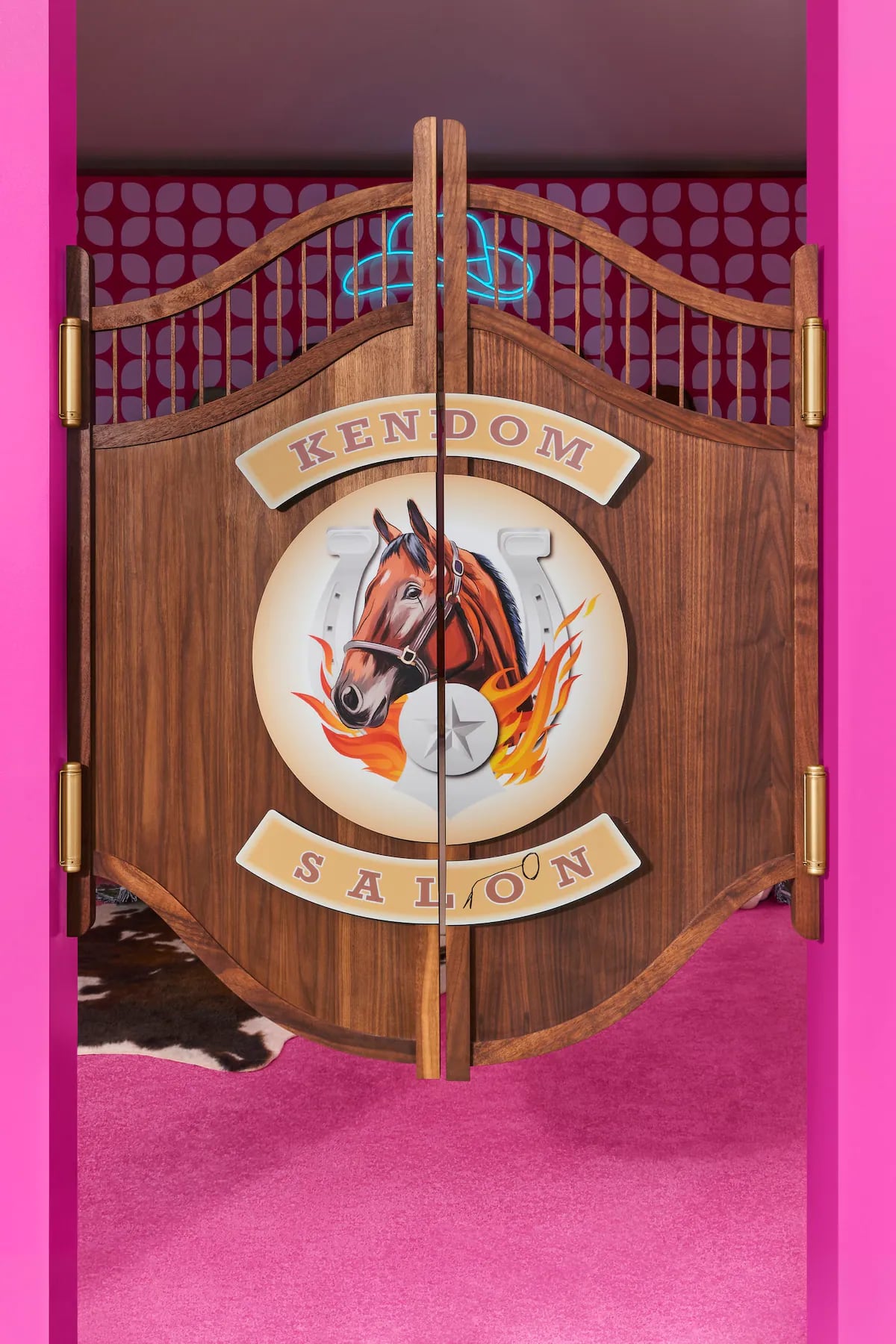
- The Horse Motif: Ken’s obsession with horses—viewed as symbols of rugged manliness—led to an over-saturation of equine imagery. From life-sized statues to printed pillows, the horse became a singular, unnuanced mascot for his new identity.
- The Saloon Doors: Replacing sleek, modern entryways with swinging saloon doors served no functional purpose but provided a theatrical "entry" that reinforced a Western-cowboy persona.
- Redundant Technology: The inclusion of multiple television screens playing the same content (typically sports or action-oriented footage) highlighted a desire for "sensory dominance" rather than utility.
- Aggressive Textures: The shift from smooth plastics and silks to heavy leathers, faux furs, and "man-cave" staples like mini-fridges and weights signaled a rejection of the "feminine" soft-touch aesthetic.
Why the Concept Persists in 2026
While the immediate hype of the movie has settled, the Mojo Dojo Casa House persists as a shorthand for "performative decor." In 2026, as we look back on the mid-2020s design trends, we see the Mojo Dojo Casa House as the ultimate antithesis to the "Sad Beige" or "Quiet Luxury" movements.
It matters for you because it highlights the Psychology of Possession. When Ken took over the Dreamhouse, he didn't just change the furniture; he attempted to overwrite the history of the space. This is a common occurrence in real-world scenarios—such as moving into a partner’s home or renovating a corporate office. The Mojo Dojo Casa House teaches us that without a cohesive vision, a space becomes a collection of tropes rather than a sanctuary.
Furthermore, the "Kenergy" movement that birthed this house forced a global conversation about the "Man Cave." For decades, masculine spaces were relegated to basements or garages. The Mojo Dojo Casa House was Ken’s attempt to bring that energy into the primary living space. While the execution was satirical, it sparked a genuine movement toward "Integrated Masculinity" in interior design, where traditional masculine elements are blended into the main home aesthetic rather than hidden away.
Lessons in Interior Design and Spatial Identity
The Mojo Dojo Casa House is a cautionary tale about Thematic Over-Saturation. When a single theme—be it "horses," "coastal," or "industrial"—is applied without restraint, the home ceases to feel livable and starts to feel like a film set.
Avoiding the "Casa House" Trap
For many, the urge to decorate based on a newly discovered passion can lead to a Mojo Dojo-style disaster. To avoid this, designers in 2026 suggest the "60-30-10 Rule," which balances primary, secondary, and accent themes. Ken’s mistake was 100% "Mojo," leaving no room for comfort or balance.
The Role of Linguistic Branding
The name "Mojo Dojo Casa House" also matters because it reflects how we brand our lives. In an era of social media, the "vibe" or "aesthetic" of a home is often summarized in a few buzzwords. The redundancy of Ken's title reminds us that a home doesn't need a complex label to be meaningful. If you find yourself over-explaining your decor choices, you might be falling into the same trap as Ken.
Comparison: The Dreamhouse vs. The Mojo Dojo Casa House
The following table illustrates the stark differences between the two iterations of the same physical structure, highlighting how intent changes environment.
| Feature | Barbie Dreamhouse (Original) | Mojo Dojo Casa House |
|---|---|---|
| Primary Philosophy | Inclusivity and Glamour | Dominance and "Kenergy" |
| Dominant Colors | Fuchsia, Blush, and Teal | Brown, Black, and Neon Green |
| Seating Style | Social-focused circular sofas | Individualistic leather recliners |
| Kitchen Utility | Aesthetic "toy" food and social space | Mini-fridges filled with "manly" beverages |
| Entrance | Open-air, accessible walkways | Swinging saloon doors (restricted access) |
| Visual Accents | Shells, stars, and flowers | Horses, Humvees, and barbells |
| Linguistic Intent | Literal and descriptive | Superfluous and performative |
The Socio-Economic Impact of "Kenergy" Branding
Beyond the screen, the Mojo Dojo Casa House had real-world financial implications. In the years following the film's release, retailers noted a surge in "masculine-coded" decor items that were previously niche. Items like leather butterfly chairs, Western-themed wall art, and oversized recliners saw a 15-20% uptick in sales as people embraced the "Ken" aesthetic—hopefully with more restraint than the character himself.
Mattel’s strategic move to partner with Airbnb to create a real-life version of the house in Malibu demonstrated the power of Experiential Marketing. It allowed fans to step into a physical manifestation of a satirical concept. This matters for you because it marks a shift in how we consume media; we no longer just watch a story, we want to inhabit its architecture.
In 2026, the "Mojo Dojo" legacy is visible in the "Eclectic Masculinity" trend. This style avoids the leather-and-neon clichés of Ken’s version but keeps the spirit of bold, unapologetic self-expression. It encourages men, in particular, to take an active role in decorating their primary living spaces rather than defaulting to "blank slate" minimalism.
Navigating Shared Spaces and the "Ken" Impulse
One of the most practical reasons the Mojo Dojo Casa House matters is its portrayal of Spatial Conflict. When Ken takes over the house, he does so without the consent of the original inhabitant. This mirrors real-world domestic disputes regarding decor.
If you are moving in with a partner or roommate, the Mojo Dojo Casa House serves as a visual reminder of what happens when one person's aesthetic completely erases another's. The "maturing" of the Ken character later in the narrative—realizing that he is "Enough" without the house—parallels the psychological journey many go through when they realize their self-worth isn't tied to their possessions or their ability to dominate a space.
FAQ: Understanding the Mojo Dojo Casa House
What does "Mojo Dojo Casa House" actually mean?
The phrase is a collection of terms that signify power, skill, and domesticity, but it is linguistically redundant. "Mojo" refers to personal influence or charm, "Dojo" is a martial arts training hall, and "Casa" is the Spanish word for house. Combined with the English word "House," it translates literally to "Charm Training Hall House House." The redundancy is a comedic device used to show that the character is trying too hard to project an image of masculinity he doesn't fully understand.
Was the Mojo Dojo Casa House a real place you could visit?
Yes, temporarily. In mid-2023, as part of a promotional campaign for the Barbie movie, a real mansion in Malibu, California, was transformed into "Ken’s Dreamhouse." It featured the saloon doors, the outdoor gym, and the horse-themed bedroom seen in the film. Fans could book a stay through Airbnb, making it a landmark example of architectural marketing.
How did the Mojo Dojo Casa House influence interior design trends in 2026?
The house popularized the "Modern Western" and "Masculine Maximalism" trends. While people generally avoided the literal saloon doors, the use of heavy textures (leather, cowhide) and bold, dark color palettes in main living areas became more mainstream. It also encouraged a more playful, less "serious" approach to home decor, where residents feel empowered to include hobbies and interests in their design.
Is the "Ken" aesthetic still relevant?
Absolutely. In 2026, "Kenergy" has evolved into a broader discussion about healthy masculinity and self-expression. The Mojo Dojo Casa House is cited in psychology and design courses as a prime example of how physical spaces are used to perform identity. It remains a popular cultural reference for any space that feels overly aggressive or thematically confused.
Why did Ken put so many horses in the Mojo Dojo Casa House?
In the movie's logic, Ken misinterprets the role of horses in the "Real World" as being the primary drivers of patriarchy. He views the horse as the ultimate symbol of a "manly man." Consequently, he uses the horse as a totem to replace Barbie's symbols (like hearts and shells). It matters for design because it shows how a lack of understanding of a symbol can lead to its comical misuse in a home environment.
Final Recommendation: Balancing Your Own "Mojo"
The ultimate takeaway from the Ken Mojo Dojo Casa House is that your home should be a reflection of your authentic self, not a performance of a stereotype. If you find yourself leaning too heavily into a single theme—whether it’s "Dojo," "Beach," or "Minimalist"—take a step back.
To create a space that truly matters for you in 2026, aim for a "Curated Blend." Incorporate the elements that give you "Mojo" (confidence), but ensure they exist in harmony with the functionality of a "Casa" (home). Avoid the redundant "House House" pitfalls by choosing quality over quantity and authenticity over performative tropes. Your living space is where you should feel "Enough," regardless of how many saloon doors or horse statues you own.
Image Gallery