How Much Diplo Is Worth in the Music World: Assessing a Global Producer and Mogul's Financial Footprint
Thomas Wesley Pentz, globally recognized as Diplo, commands an estimated net worth between $50 million and $60 million, a fortune built on a multifaceted career spanning Grammy-winning production, multi-platinum songwriting, record lab...
Thomas Wesley Pentz, globally recognized as Diplo, commands an estimated net worth between $50 million and $60 million, a fortune built on a multifaceted career spanning Grammy-winning production, multi-platinum songwriting, record label ownership, touring, and strategic brand ventures. In the modern music economy, a producer's financial value extends far beyond traditional album sales, encompassing diverse revenue streams from publishing catalogs and electronic dance music festivals to high-profile fashion partnerships and digital media enterprises.
Contents
Evaluating the financial footprint of a modern electronic music titan requires analyzing how a multi-hyphenate artist transforms cultural influence into enduring enterprise value. While headline net worth figures are estimates compiled by industry analysts based on public disclosures, real estate holdings, and touring metrics, Diplo’s standing in the contemporary music landscape is defined by his ability to pivot across genres, adapt to shifting consumption models, and build sustainable commercial operations.
The Foundations of Diplo’s Wealth: Production, Songwriting, and Publishing
Long before achieving global mainstream ubiquity, Thomas Wesley Pentz established himself as an underground tastemaker in Philadelphia through his work with M.I.A. and his curation of the Hollertronix parties. His co-writing and production credit on M.I.A.’s 2007 breakthrough single "Paper Planes" served as a foundational turning point, opening doors to top-tier pop, hip-hop, and electronic music collaborations.
In the music business, publishing royalties and songwriting shares represent the most lucrative long-term asset class for a producer. Unlike touring revenue, which fluctuates based on physical presence and ticket demand, publishing rights generate passive income every time a track is streamed on platforms like Spotify and Apple Music, played on terrestrial or satellite radio, synced in a film or television advertisement, or performed live by another artist.
Diplo’s extensive catalog features collaborations with pop and hip-hop royalty, including Beyoncé ("Run the World (Girls)"), Justin Bieber ("Where Are Ü Now"), Madonna, Snoop Dogg, and The Weeknd. These credits secure a consistent, high-yield annuity stream that anchors his overall wealth. Furthermore, the modern market for music intellectual property has seen unprecedented valuations, with legacy and active creators frequently monetizing their catalogs through multi-million-dollar sales to private equity firms and major publishers. While Diplo retains substantial control over much of his work, the underlying value of his songwriting catalog represents a primary pillar of his net worth.
Group Dynamics: Major Projects and Collaborative Ventures
A significant portion of Diplo’s commercial leverage stems from his participation in high-profile collaborative supergroups and duo projects, which amplify his earning potential beyond his solo artist output.
| Project / Venture | Primary Genre / Focus | Key Commercial Impact |
|---|---|---|
| Major Lazer | Electronic / Reggae Fusion | Global hits ("Lean On"), massive streaming volumes, global tours. |
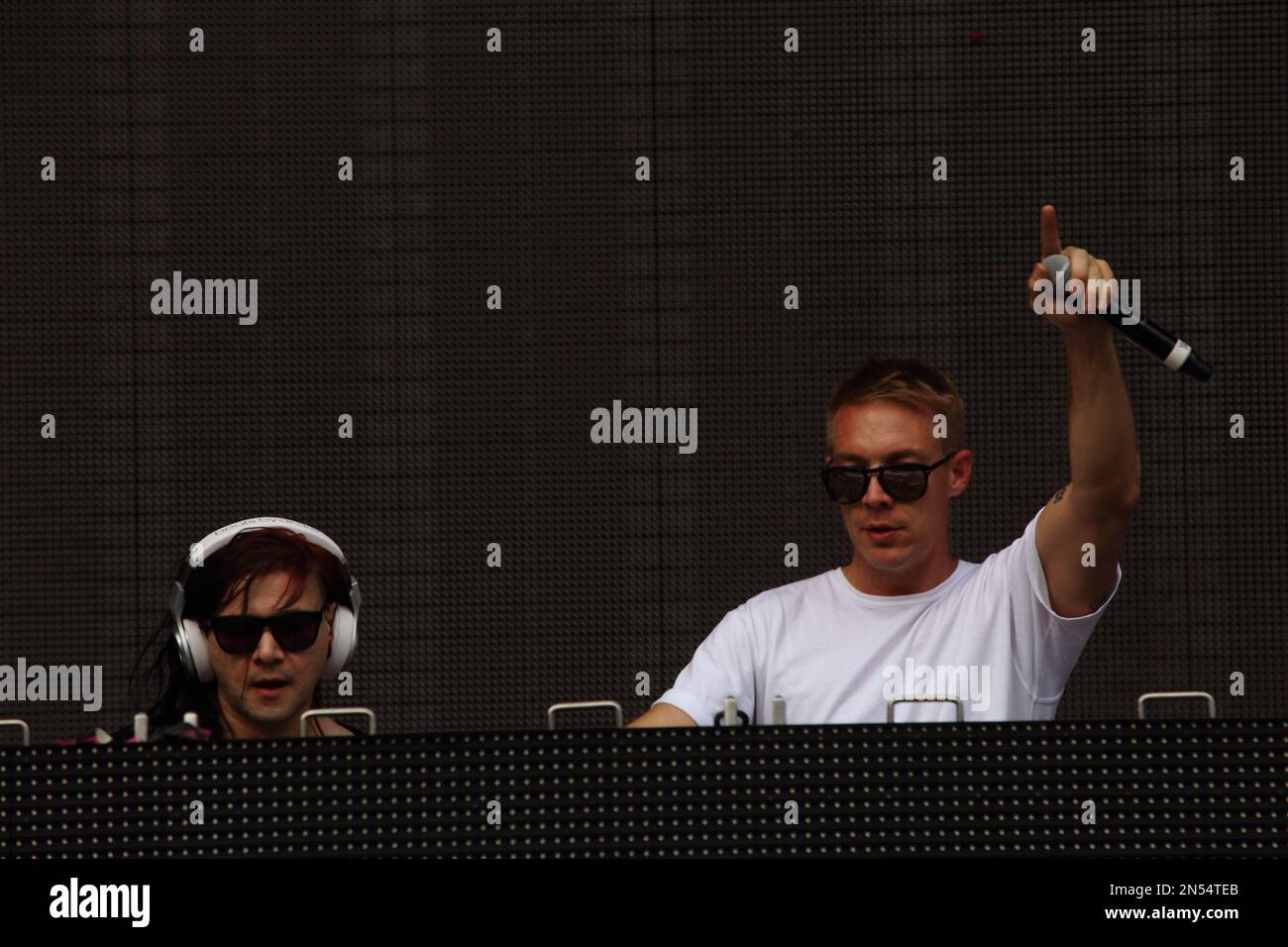
| Jack Ü (with Skrillex) | Electronic Dance Music | Grammy-winning crossover success, elevated festival billing value. |
| Silk City (with Mark Ronson) | House / Disco | Grammy-winning single ("Electricity" with Dua Lipa), radio ubiquity. |
| Mad Decent | Independent Record Label and Cultural Brand | Brand incubator, festival curation, merchandise lines. |
Major Lazer and Crossover Success
Major Lazer, originally formed by Diplo and Switch (later joined by Jillionaire and Walshy Fire), transformed global dance music by fusing Jamaican dancehall and reggae with electronic production. The project yielded massive global streaming milestones, most notably "Lean On" featuring MØ and DJ Snake, which became one of the most-streamed songs of the streaming era. These collaborative projects expand an artist's addressable audience, leading to larger festival guarantees, elevated merchandise sales, and higher sync placement fees.
Jack Ü and Silk City
Collaborative endeavors like Jack Ü (alongside Skrillex) and Silk City (alongside Mark Ronson) demonstrated Diplo's knack for commercial synergy. The Jack Ü album and its accompanying singles captured mainstream pop and electronic charts simultaneously, culminating in Grammy Awards that elevated both his artistic prestige and his booking rates. Similarly, Silk City’s "Electricity" featuring Dua Lipa secured critical acclaim and multi-platinum certifications, proving that his collaborative formula translates directly into high-value intellectual property.
Mad Decent: Record Label Management and Festival Operations
Beyond his output as a creator and performer, Diplo operates as an entrepreneur through his independent record label and lifestyle brand, Mad Decent. Founded in Philadelphia before relocating to Los Angeles, Mad Decent served as an incubator for Baltimore club, moombahton, baile funk, and global bass music, launching or amplifying the careers of numerous underground and crossover acts.
Operating an independent label introduces a complex matrix of operational costs, including artist development, marketing campaigns, distribution overhead, and legal expenses. However, successful label ownership allows an artist to capture a larger share of master recording revenues rather than operating purely as a hired-producer or a signed artist subject to label splits.
A vital extension of the Mad Decent brand was the curation of the Mad Decent Block Party, a traveling festival property that toured North America. Live event production represents a high-risk, high-reward sector of the music economy. By controlling the intellectual property of the festival brand, Diplo captured revenues from ticket sales, corporate sponsorships, food and beverage concessions, and exclusive merchandise lines, further diversifying his income away from purely recorded music streams.
Touring, Residencies, and Live Performance Economics
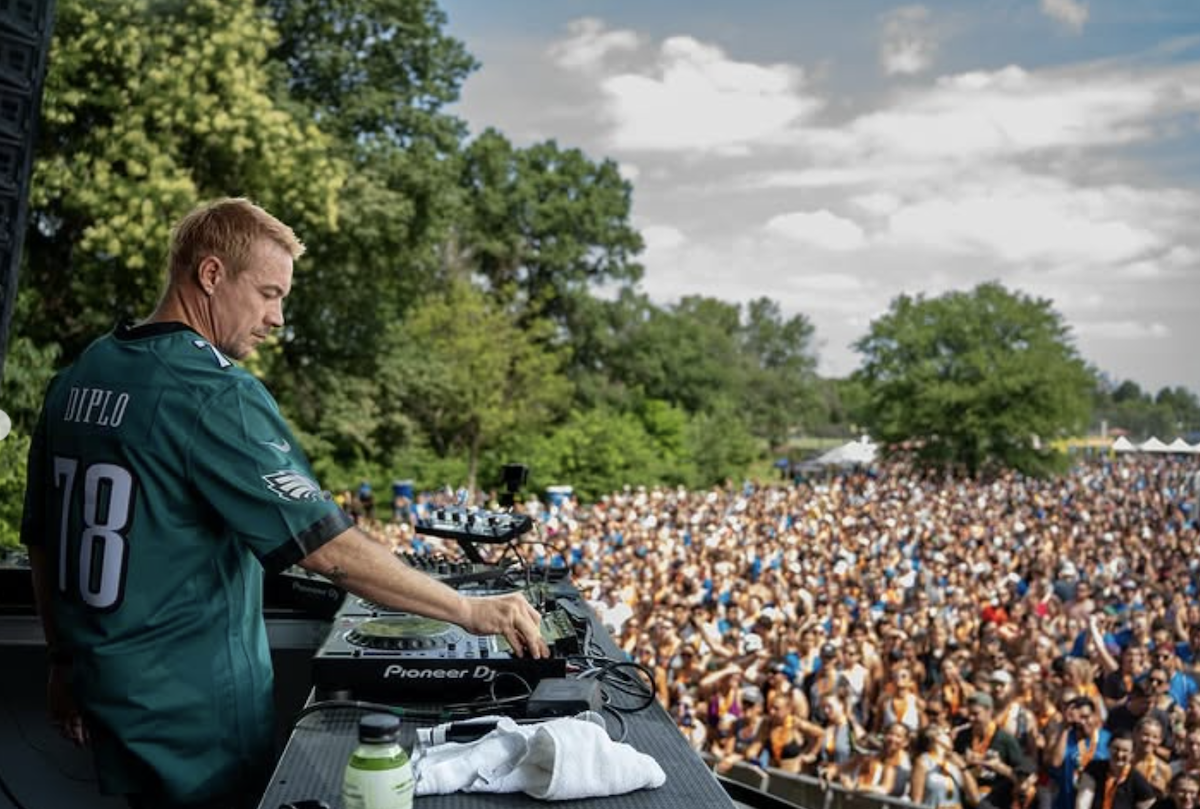
For contemporary electronic music producers and DJs, live performance remains the most immediate and substantial generator of cash flow. Diplo's touring schedule is notoriously relentless, encompassing headline slots at major global music festivals—such as Coachella, Tomorrowland, and Lollapalooza—alongside lucrative club dates and international tours.
A cornerstone of elite DJ financial stability is the Las Vegas residency. Major entertainment groups on the Las Vegas Strip pay top-tier artists hundreds of thousands, and occasionally millions, of dollars per year for exclusive multi-show commitments. Diplo has maintained high-profile residency engagements at premier Las Vegas venues, securing predictable, high-margin income that insulates his business from the fluctuations of traditional global touring.
When calculating the total financial worth of a touring artist, industry analysts factor in gross ticket sales, promoter guarantees, private event bookings, and VIP table sales splits. While travel expenses, production costs, and commissions paid to booking agents, managers, and legal teams consume a notable percentage of gross earnings, a world-class touring operation yields substantial net cash flow that is routinely reinvested into real estate, venture capital, and other asset classes.
Brand Partnerships, Fashion, and Media Ventures
In the modern creator economy, cultural capital is directly convertible into corporate endorsements and brand partnerships. Diplo has systematically blurred the lines between music production and high fashion, appearing in campaigns for luxury houses and sportswear giants alike. These partnerships provide guaranteed capital injections that do not rely on streaming royalties or ticket sales.
Furthermore, his public persona and social media presence have allowed him to venture into digital media content creation, lifestyle branding, and occasional acting or television appearances. By positioning himself as a lifestyle curator rather than a traditional studio-bound producer, Diplo commands higher fees for brand integrations and commercial licensing agreements.
Frequently Asked Questions
How does Diplo make most of his money?
Diplo’s income is diversified across multiple high-yield streams, with touring, Las Vegas nightclub residencies, music publishing royalties from an extensive catalog of hits, and profits from his record label and festival operations serving as the primary pillars of his wealth.
What is Diplo’s estimated net worth?
Industry analysts and financial trackers estimate Diplo's net worth to be between $50 million and $60 million. This figure fluctuates based on the valuation of his music publishing catalog, real estate investments, and the ongoing performance of his touring and residency contracts.
Does Diplo own his music publishing catalog?
While creators frequently monetize portions of their publishing or master catalogs through sales to private equity firms or major music publishers to capitalize on high market valuations, Diplo maintains ownership stakes or participation rights in a vast portfolio of his most commercially successful songwriting credits.
How lucrative are Las Vegas residencies for artists like Diplo?
Las Vegas residencies provide elite electronic music artists with predictable, high-margin revenue streams. Venues pay substantial guarantees per performance, allowing artists to secure multi-million-dollar annual contracts without the logistical expenses and physical wear of a traditional global tour.
What is Mad Decent, and how does it contribute to his financial standing?
Mad Decent is Diplo’s independent record label and lifestyle brand. It functions as a business enterprise that generates revenue from master recordings, merchandise, and branded live events like the Mad Decent Block Party, allowing him to capture label-side profits alongside his artist earnings.
Conclusion and Strategic Next Steps
Assessing how much Diplo is worth in the music world reveals a masterclass in modern music entrepreneurship. Rather than relying solely on record sales or live performance fees, his estimated $50 million to $60 million fortune is the result of diversified asset accumulation across publishing rights, group collaborations, independent label ownership, lucrative residencies, and strategic brand partnerships. For independent creators and industry professionals looking to emulate this financial resilience, the key takeaway is the necessity of building an intellectual property portfolio and diversifying income streams across live entertainment, publishing, and enterprise-level brand operations.
Image Gallery