The LaBianca Murders: History, Investigation, and Legacy in True Crime
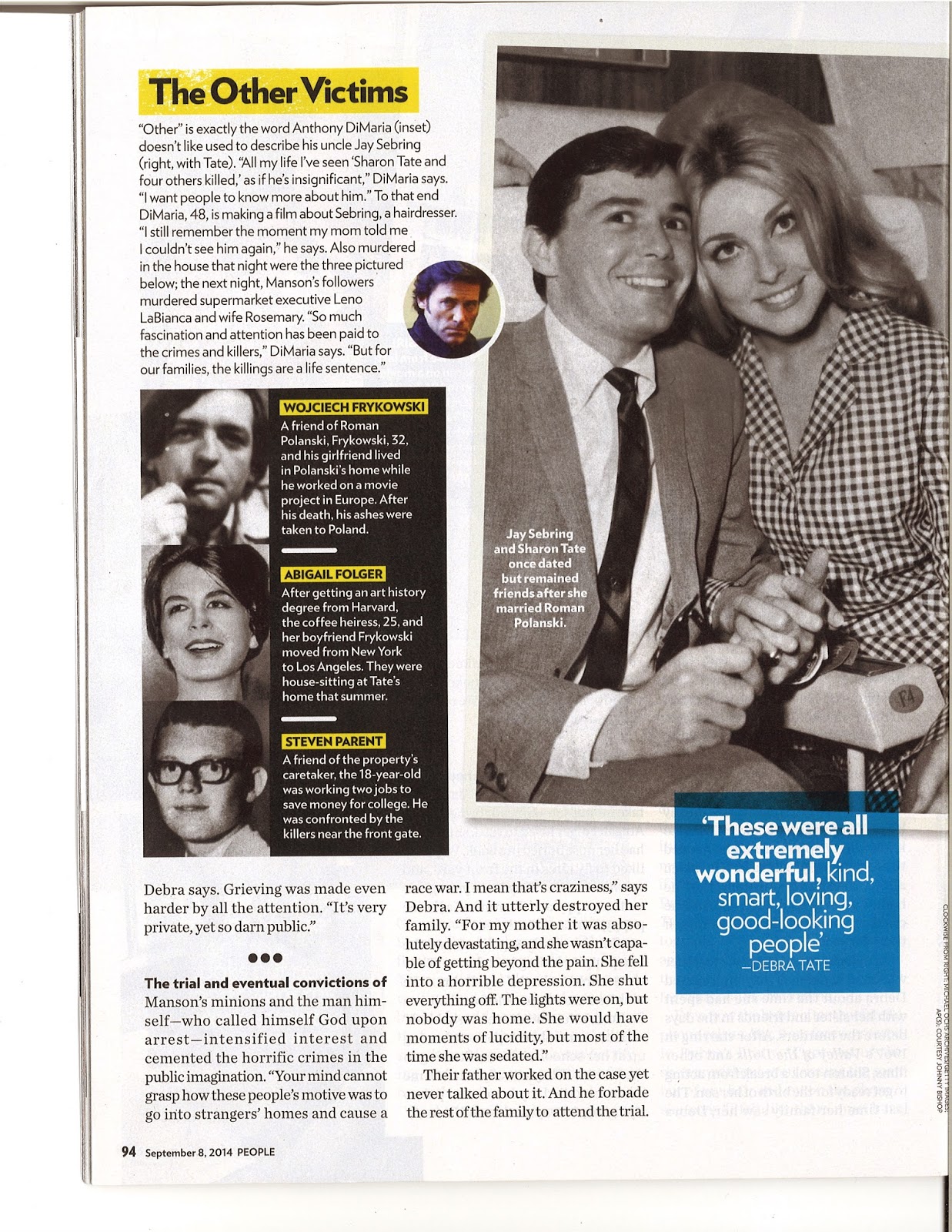
The LaBianca murders refer to the brutal killings of Leno and Rosemary LaBianca by members of the Manson Family on August 10, 1969, in Los Angeles, California. Occurring just one night after the Tate murders, these interconnected crime...
The LaBianca murders refer to the brutal killings of Leno and Rosemary LaBianca by members of the Manson Family on August 10, 1969, in Los Angeles, California. Occurring just one night after the Tate murders, these interconnected crimes shocked the nation, permanently altering the cultural perception of the 1960s counterculture and leaving a lasting mark on American legal and criminal history.
Contents
Historical Context and Background of the Crime Scene
The setting of the tragedy was a quiet residential neighborhood in the Los Angeles neighborhood of Los Feliz. Leno LaBianca, a successful supermarket executive, and his wife Rosemary, a dress shop owner, lived at 3301 Waverly Drive. Unbeknownst to the couple, their paths crossed with Charles Manson and his followers during a chaotic weekend of violence orchestrated by the cult leader.
Manson, frustrated by what he perceived as a lack of fear and panic during the Tate murders on Cielo Drive, sought to direct his followers in another round of killings to spark "Helter Skelter," his delusional vision of a race war. Manson personally drove members around Los Angeles until selecting the Waverly Drive residence.
- Date of Occurrences: August 10, 1969 (discovered the following afternoon).
- Location: 3301 Waverly Drive, Los Feliz, Los Angeles, California.
- Perpetrators Involved: Charles Manson, Charles "Tex" Watson, Leslie Van Houten, and Patricia Krenwinkel.
- Victims: Leno LaBianca (aged 44) and Rosemary LaBianca (aged 38).
The Sequence of Events on Waverly Drive
The attack on the LaBianca household unfolded over several hours. Charles Manson entered the home first, accompanied by Tex Watson, waking the sleeping couple at gunpoint. Manson tied them up using leather thongs and pillowcases, then left the house, instructing Watson, Krenwinkel, and Van Houten to execute the couple.
Leno LaBianca was murdered in the living room, while Rosemary was dragged to her bedroom and killed. The brutality of the crime scene extended beyond the physical assaults. The perpetrators carved the word "WAR" into Leno's stomach and used his blood to write messages on the walls and refrigerator, including "Death to Pigs" and "Heter Skelter" (misspelled as "Healter Skelter").
Forensic and Investigatory Realities The crime scene presented a horrific array of physical evidence. Investigators noted numerous stab wounds—totaling over 40 on Leno and 41 on Rosemary—alongside latent fingerprints and bloodstains that would eventually connect the two seemingly random crime scenes across Los Angeles County.
Investigation and the Connection to the Manson Family
Initially, local law enforcement treated the LaBianca murders as an isolated incident, failing to immediately connect them to the Tate murders that occurred roughly seven miles away just 24 hours prior. However, the similarities in modus operandi—specifically the extensive use of knives, the chilling messages written in blood, and the overall frenzy of the attacks—soon prompted investigators to look closer.
The breakthrough came months later through unrelated arrests of Manson Family members on auto theft charges at the Barker Ranch in Death Valley. Susan Atkins, in custody for another crime, boasted to cellmates about her involvement in both the Tate and LaBianca murders. This confession unraveled the entire operational structure of the cult.
- Initial Disconnect: Los Angeles Police Department (LAPD) divisions did not immediately cross-reference the Waverly Drive homicides with the Cielo Drive case files.
- Key Confession: Susan Atkins provided details to fellow inmates in October 1969, leading investigators directly to the inner circle of the Manson Family.
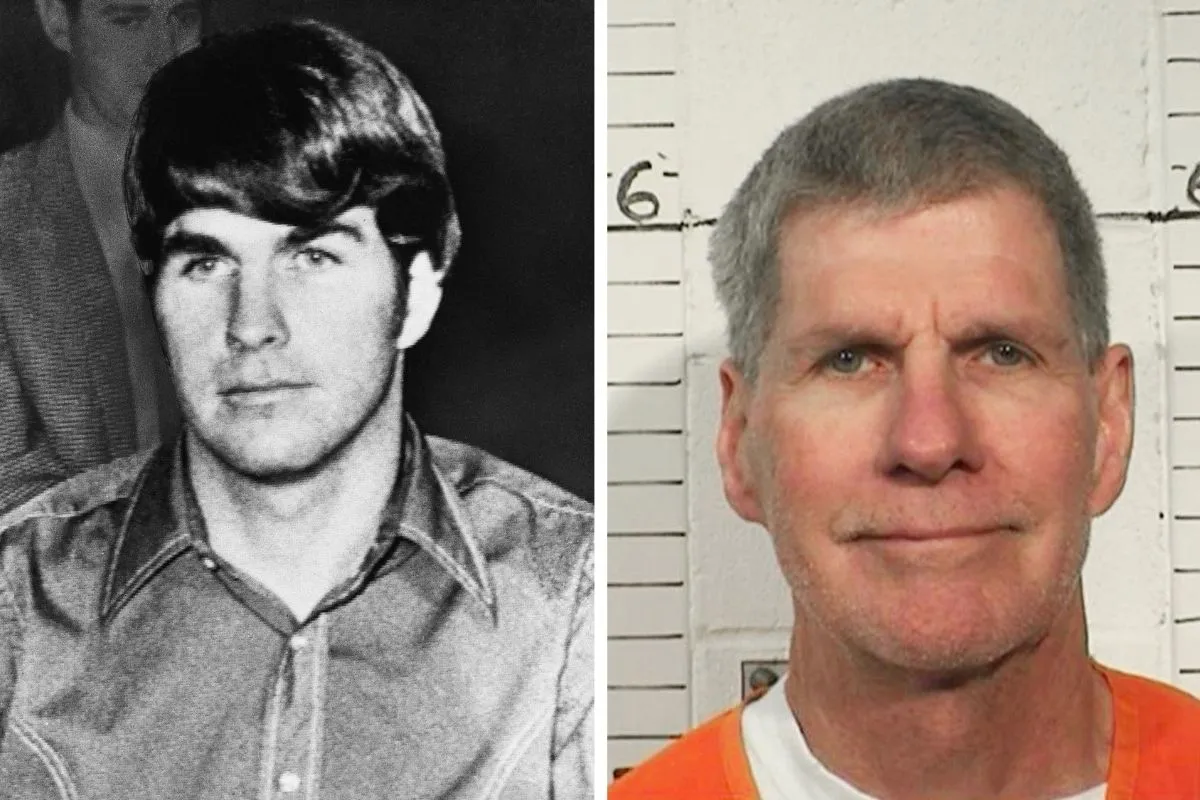
- Indictments: Charles Manson, Tex Watson, Patricia Krenwinkel, and Leslie Van Houten were charged with conspiracy and first-degree murder for the LaBianca killings.
Legal Proceedings and Judicial Outcomes
The subsequent trial, commonly referred to as the Tate-LaBianca trial, began in June 1970 and stood as one of the most protracted and sensationalized legal proceedings in American history. Presided over by Judge Charles H. Older, the courtroom drama involved disruptive behavior by Manson and his female followers, carving of X's into their foreheads, and constant media scrutiny.
The prosecution, led by Deputy District Attorney Vincent Bugliosi, successfully argued that even though Manson did not physically commit the murders at Waverly Drive, his absolute control and ideological indoctrination made him legally culpable for the acts of his followers under the doctrine of conspiracy.
| Defendant | Primary Charges | Verdict | Initial Sentence | Final Disposition |
|---|---|---|---|---|
| Charles Manson | Conspiracy & First-Degree Murder | Guilty | Death | Life Imprisonment (Died in prison, 2017) |
| Charles "Tex" Watson | First-Degree Murder (Tate & LaBianca) | Guilty | Death | Life Imprisonment (Multiple parole denials) |
| Patricia Krenwinkel | First-Degree Murder (Tate & LaBianca) | Guilty | Death | Life Imprisonment (Multiple parole denials) |
| Leslie Van Houten | First-Degree Murder (LaBianca only) | Guilty | Death | Life Imprisonment (Paroled in 2023) |
Cultural Impact and Long-Term Legacy
The LaBianca murders, alongside the Tate killings, signaled a symbolic end to the peaceful ethos of the late 1960s counterculture. The sheer randomness and cruelty of the acts shattered the illusion of safety in suburban American neighborhoods, transforming public perception regarding cult behavior and criminal psychology.
In the decades following the trials, the events at Waverly Drive have been the subject of numerous books, documentaries, and academic studies. Vincent Bugliosi's definitive true crime account, Helter Skelter, remains one of the best-selling true crime books in history, cementing the terminology and narrative surrounding the crimes in the public consciousness.
Frequently Asked Questions
Who were the victims of the LaBianca murders?
The victims were Leno LaBianca, a 44-year-old supermarket executive, and his wife Rosemary LaBianca, a 38-year-old dress shop owner. They were killed inside their Los Feliz home on August 10, 1969.
Were the LaBianca murders connected to the Tate murders?
Yes, both crimes were orchestrated by Charles Manson and carried out by members of his cult. The LaBianca murders occurred approximately 24 hours after the murders of Sharon Tate and her friends at Cielo Drive.
Did Charles Manson participate in the LaBianca killings?
Charles Manson entered the LaBianca residence, tied up the couple at gunpoint, and initiated the robbery, but he left before the physical murders took place. He was convicted of first-degree murder under the law of conspiracy for directing his followers to commit the acts.
What was the motive behind the LaBianca murders?
Charles Manson ordered the killings to spark "Helter Skelter," a delusional apocalyptic race war that he believed would elevate him and his followers to positions of power.
What is the current status of the perpetrators involved in the LaBianca murders?
Charles Manson died in prison in 2017, and Tex Watson and Patricia Krenwinkel remain incarcerated following multiple parole denials. Leslie Van Houten was granted parole and released from custody in 2023.
Practical Recommendations for True Crime Research
For researchers, historians, and legal scholars examining the LaBianca murders, relying on verified primary sources is essential to separate factual court documents from sensationalized mythos.
- Consult official trial transcripts archived through the California Court of Appeal records for precise legal arguments regarding conspiracy law.
- Review Vincent Bugliosi's primary investigative files housed in university special collections for contemporary police reports.
- Cross-reference secondary analyses with physical evidence logs to maintain historical accuracy regarding the timeline of events on Waverly Drive.
Image Gallery