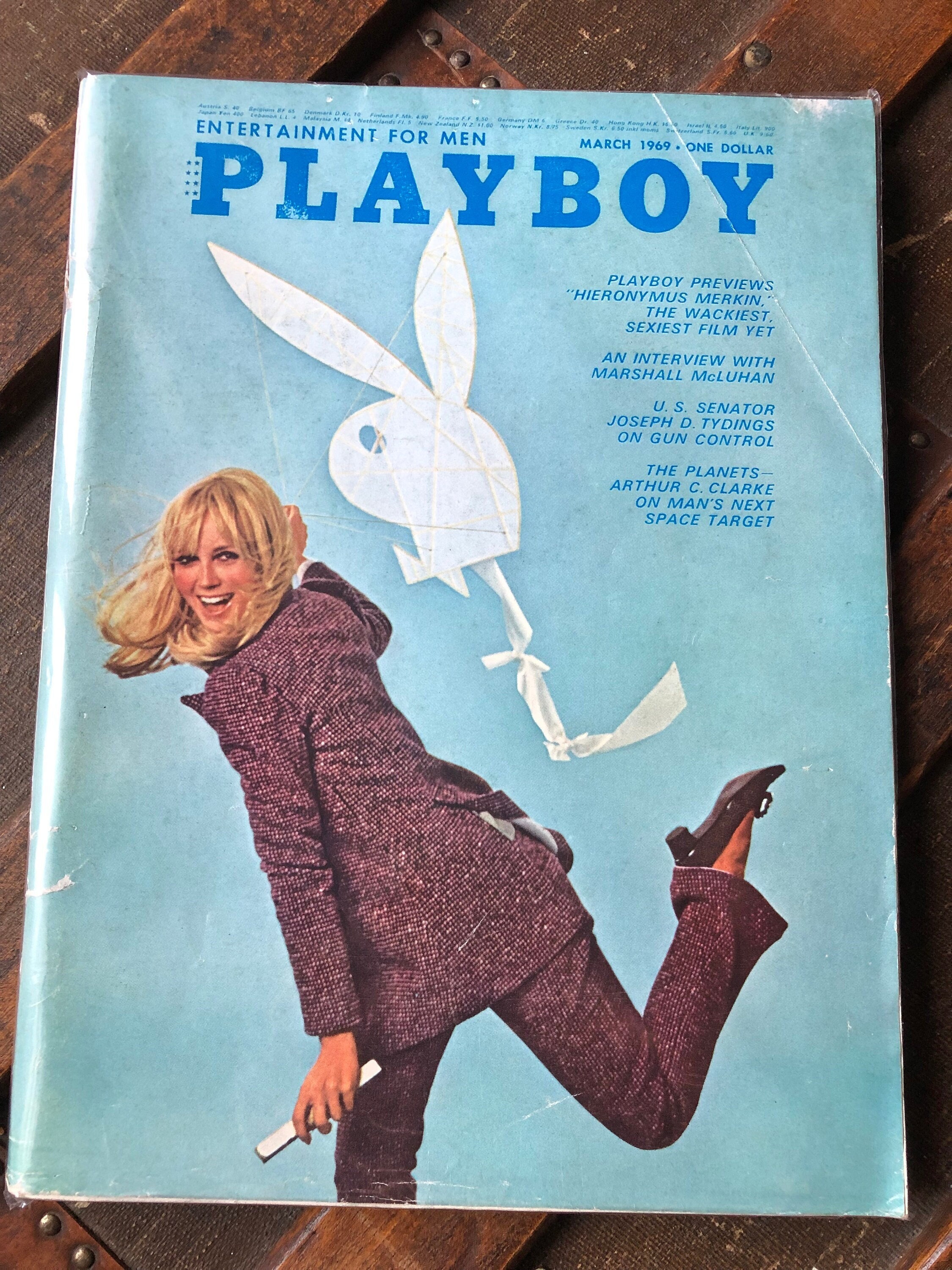
The Complete Guide to Understanding Playboys Worth Most: Rarity, Collectibles, and Valuation in 2026
When collectors and pop-culture historians analyze which vintage issues command the highest market prices, the phrase "playboys worth most" typically points toward early-era print publications from the 1950s and 1960s, specifically tho...
When collectors and pop-culture historians analyze which vintage issues command the highest market prices, the phrase "playboys worth most" typically points toward early-era print publications from the 1950s and 1960s, specifically those featuring iconic cover models, groundbreaking interviews, or pristine high-grade mint conditions certified by third-party authentication services.
Contents
Understanding the Landscape of Vintage Publication Valuation
Evaluating the market worth of vintage print publications requires looking closely at a combination of historical significance, cover model notoriety, and physical preservation state. The magazine industry experienced a massive paradigm shift during the mid-20th century, and certain foundational issues established rare collectible archetypes that modern investors actively pursue.
To understand why specific editions command thousands of dollars while others remain common, collectors must analyze the intersection of scarcity and demand. The primary drivers behind high-valuation print editions include:
- Initial Print Runs and Distribution: Earlier issues often had significantly lower distribution volumes compared to the peak subscription eras of the 1970s.
- Cultural Milestones: Issues featuring debut appearances of major cultural icons, award-winning fiction, or controversial, highly sought-after interviews carry a substantial premium.
- Paper Stock and Durability: Early editions used specific paper formulations that degraded, yellowed, or oxidized rapidly if exposed to improper humidity or direct sunlight, making high-grade survivors exceptionally scarce.
- Complete Supplements: Many original print issues included loose inserts, foldouts, or specialized subscription postcards. Finding a copy with all original inserts intact drastically elevates its market appraisal.
The Grading Standard: How Professional Certification Affects Value
In the modern collectible market, raw condition subjective grading has largely been replaced by rigorous third-party encapsulation and numeric grading systems. Organizations such as the Certified Guaranty Company (CGC) apply a 10-point scale to vintage paper goods, establishing objective benchmarks for buyers and sellers worldwide.
Understanding this grading tier system is essential for anyone looking to invest in or sell high-end print issues:
| CGC Grade Range | Descriptive Condition | Market Impact & Liquidity |
|---|---|---|
| 9.0 - 9.8 | Mint to Near Mint / Mint | Maximum investment potential; highly prized by institutional collectors and elite auction houses. |
| 7.0 - 8.5 | Very Fine to Near Mint | Strong collector demand; minor spine stress or subtle cover wear is acceptable. |
| 4.0 - 6.5 | Very Good to Fine | Moderate value; balanced for budget-conscious collectors seeking reading or display copies. |
| 0.5 - 3.5 | Fair to Good | Significantly reduced market value; typically reserved for rare issues where any surviving copy is scarce. |
Iconic Issues That Command Top Dollar
Certain milestones in publishing history consistently outperform the broader market. The absolute peak of market demand centers on the inaugural year of publication, specifically December 1953. Because the initial press run was modest and many copies were discarded or heavily handled, authentic surviving copies in high grades represent the holy grail of this niche.
Beyond the inaugural release, subsequent numbers from the first two years of operation—specifically 1954 and 1955—frequently achieve significant prices at specialized pop-culture auctions. Issues featuring major Hollywood starlets in their early modeling days or breakthrough literary figures also maintain high baseline values. Collectors carefully monitor auction results from major houses like Heritage Auctions or ComicLink to track real-time pricing trends.
Investment Caution: Buyers should remain vigilant regarding restored copies. Professional restoration—such as color touch-ups, spine reinforcement, or leaf cleaning—must always be explicitly disclosed by sellers, as hidden restoration can drastically reduce the verified market value of an otherwise high-grade copy.
Essential Preservation and Storage Guidelines for High-Value Print
Protecting fragile vintage paper assets requires strict adherence to archival storage protocols. Because early issues are sensitive to environmental fluctuations, improper handling can turn a valuable investment into a degraded asset within a few years.
- Environmental Control: Maintain a stable storage environment with a consistent temperature between 65°F and 70°F and relative humidity levels strictly managed between 45% and 50% to prevent mold growth and paper embrittlement.
- UV Protection: Keep all collectibles completely away from direct sunlight and fluorescent lighting, as ultraviolet rays rapidly fade inks and accelerate the oxidation of paper fibers.
- Archival Enclosure: Use acid-free, buffered backing boards and crystal-clear, virgin polypropylene or polyethylene bags (avoiding standard PVC plastics, which off-gas harmful plasticizers over time).
- Flat Storage: Store graded or bagged issues vertically in sturdy, custom-fit archival boxes to prevent spine roll and page warping caused by stacking heavy weights on top of each other.
Frequently Asked Questions About Valuable Print Editions
What makes a vintage issue significantly more valuable than others?
Rarity, high numerical CGC grades, iconic cover subjects, and the presence of original bound-in inserts or foldouts are the primary factors driving high market valuation. Historical significance within pop culture also plays a major role in sustained demand.
Are all issues from the 1950s automatically worth a lot of money?
No. While older issues generally command more interest than later decades, condition and completeness dictate actual worth. A heavily damaged, incomplete copy from 1954 may sell for very little, whereas a pristine, high-grade copy will command thousands.
Should I get my vintage copies professionally graded?
Professional encapsulation and grading are recommended if you possess an issue from the 1950s or early 1960s in suspected high-grade condition (Very Fine or better), as certification authenticates the item and provides independent verification for prospective buyers.
How can I safely clean dust off vintage paper collectibles?
You should never use liquids, erasers, or household cleaning agents on vintage paper. Instead, gently remove loose surface dust using a soft, dry camel-hair artist brush, sweeping softly away from the spine to avoid tearing brittle edges.
Where is the best place to sell high-value vintage print issues?
Specialized pop-culture auction houses, high-end vintage paper dealers, and dedicated collector marketplaces with authentication guarantees offer the safest and most lucrative platforms for high-value sales compared to general garage sales or unverified classified ads.
Strategic Approach to Building a Vintage Print Collection
As the market for mid-century pop-culture artifacts continues to mature in 2026, building a valuable collection requires patience, selective acquisition, and strict adherence to condition standards. Focus your resources on acquiring fewer, higher-grade authenticated issues rather than accumulating large quantities of common, lower-grade inventory. Consult reliable price guides, verify recent auction realized prices, and always prioritize proper archival storage to protect your investment for years to come.
Image Gallery