Navigating the Historical and Modern Dimensions of the French Netherlands Connection
The French Netherlands connection spans centuries of intertwined geopolitical diplomacy, economic integration, cultural exchange, and modern European cooperation. Defined historically by shifting territorial boundaries, dynastic allian...
The French Netherlands connection spans centuries of intertwined geopolitical diplomacy, economic integration, cultural exchange, and modern European cooperation. Defined historically by shifting territorial boundaries, dynastic alliances, and trade routes, this dynamic relationship today manifests through cross-border infrastructure, bilateral commerce, and joint participation in European Union institutions.
Contents
Historical Foundations of the French Netherlands Connection
The relationship between France and the Netherlands possesses deep historical roots that extend well beyond contemporary European politics. During the medieval and early modern periods, the territories comprising the modern Netherlands experienced various forms of French influence, ranging from feudal obligations to the direct expansion of French sovereignty. The Burgundian Netherlands, which included parts of modern France, Belgium, and the Netherlands, laid the groundwork for complex dynastic ties.
As the Dutch Republic fought for independence from Spanish Habsburg rule during the Eighty Years' War (1568–1648), France frequently emerged as a strategic ally. French monarchs recognized the geopolitical value of supporting the Protestant Dutch rebels to weaken their primary rival, the Spanish Empire. However, this alliance was rarely straightforward. By the late 17th century, the expansionist ambitions of King Louis XIV brought France into direct conflict with the Dutch Republic, most notably during the Franco-Dutch War (1672–1678). This conflict cemented the Dutch Republic, under the leadership of figures like William of Orange, as a central node in European coalitions dedicated to checking French hegemony.
| Historical Era | Nature of the French-Dutch Relationship |
|---|---|
| Eighty Years' War | Strategic French support for Dutch independence against Spain |
| Franco-Dutch War | Direct military conflict driven by French territorial ambitions |
| Batavian Republic Era | French-backed transformation of the Netherlands into a client state |
| European Integration | Post-WWII multilateral cooperation via the EU and NATO |
The Batavian Period and Napoleonic Integration
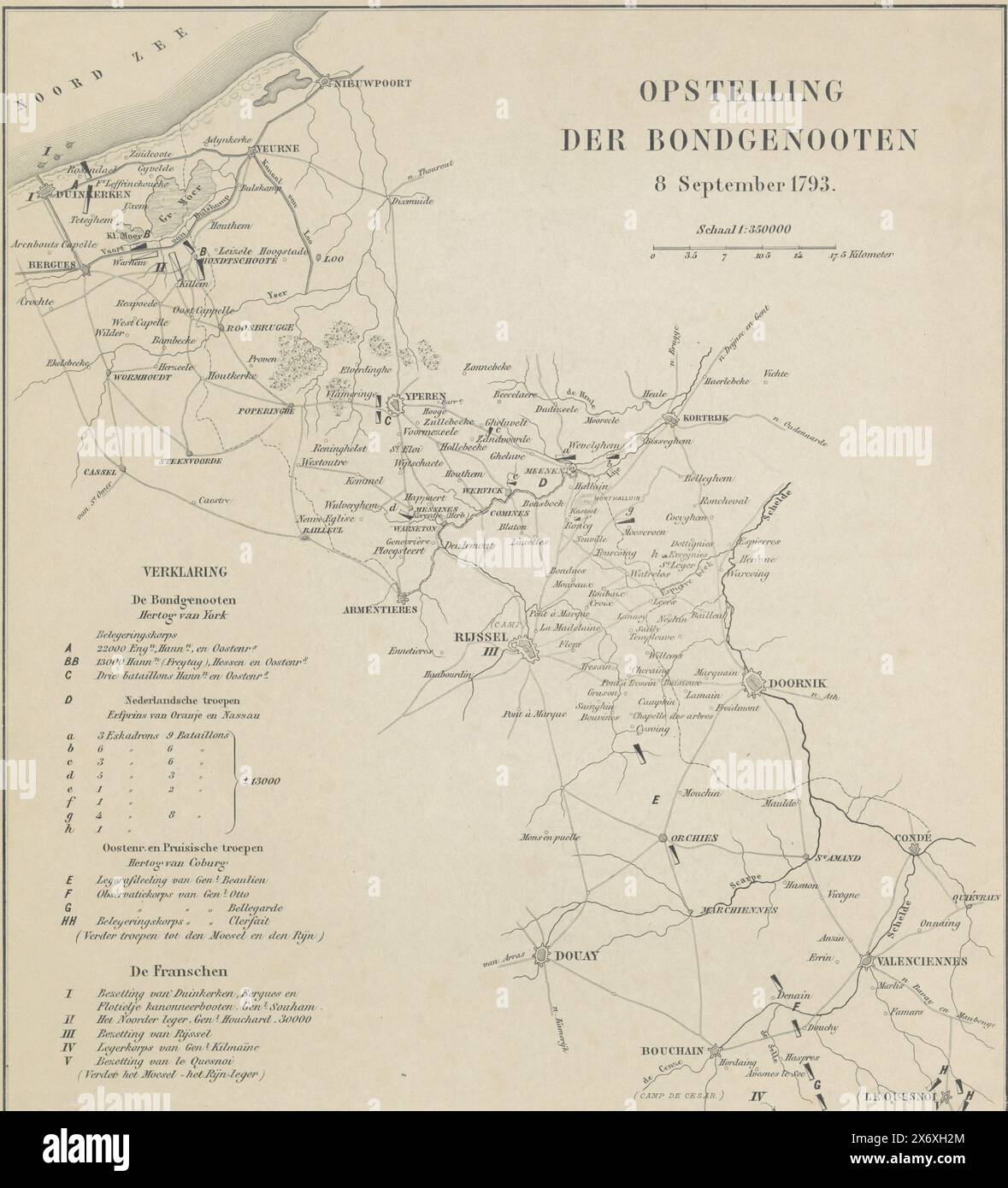
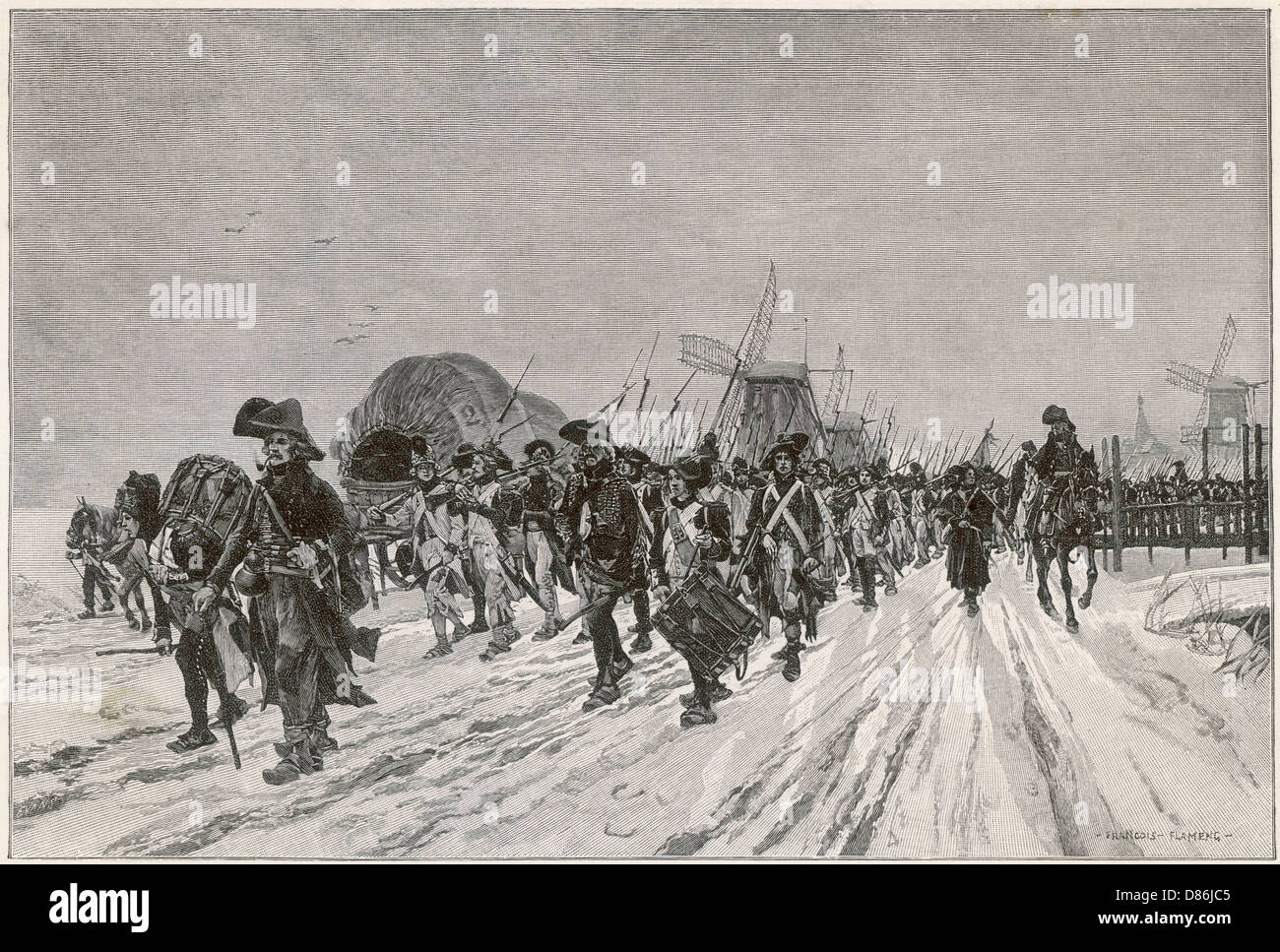
A transformative chapter in the French Netherlands connection unfolded during the French Revolutionary and Napoleonic eras. In 1795, French revolutionary armies invaded the Dutch Republic, leading to the establishment of the Batavian Republic. While initially framed as a sister republic, the administration was heavily influenced and eventually controlled by Paris.
By 1806, Emperor Napoleon Bonaparte dissolved the Batavian Republic and established the Kingdom of Holland, placing his brother Louis Bonaparte on the throne. This arrangement proved short-lived; dissatisfied with Dutch leniency toward British trade, Napoleon formally annexed the Netherlands directly into the French Empire in 1810. This period of direct annexation left an enduring legacy on Dutch legal and administrative structures. The Netherlands adopted the Napoleonic Code, standardized systems of weights and measures, and reformed civil registration practices, many of which formed the bedrock of the modern Dutch state following the restoration of independence in 1813 and the creation of the United Kingdom of the Netherlands under the House of Orange.
Economic Interdependence and Trade Dynamics
In the modern economic landscape, France and the Netherlands maintain a robust commercial partnership characterized by high volumes of bilateral trade, foreign direct investment, and integrated supply chains. Both nations are founding members of the European Union and the eurozone, a structural framework that eliminates currency conversion costs and regulatory barriers within the single market.
France represents one of the largest export destinations for Dutch agricultural products, machinery, and chemical goods. Conversely, the Netherlands serves as a primary entry point for French manufactured goods, agri-food products, and energy exports heading into Northern and Central Europe. This trade corridor relies heavily on major logistics hubs, most notably the Port of Rotterdam and the Port of Antwerp (situated between France and the Netherlands), alongside extensive freight rail networks operated under European interoperability directives.
Furthermore, cross-border corporate investments anchor the connection. Major French multinational corporations—ranging from energy giants like TotalEnergies to retail and financial institutions—maintain extensive operations in the Netherlands, frequently utilizing Dutch holding structures for international tax and corporate governance efficiency. Similarly, Dutch multinationals, including consumer goods and financial firms, maintain significant market footprints across France.
Diplomatic Alignment and European Integration
Within the contemporary geopolitical sphere, the French Netherlands connection functions as a vital axis within the European Union. While Paris and The Hague occasionally find themselves at opposing ends of EU policy debates—particularly regarding fiscal discipline, agricultural subsidies, and EU budget contributions—both capitals share fundamental commitments to the rule of law, democratic governance, and multilateral security frameworks such as NATO.
Policy Convergence and Divergence
- Fiscal Policy: Historically, the Netherlands has championed strict budgetary discipline and fiscal conservatism at the EU level, frequently aligning with Germany. France, by contrast, has often advocated for greater public investment, flexibility in deficit rules, and mutualized debt instruments to stimulate economic growth.
- Security and Defense: Both nations possess significant military capabilities and blue-water naval forces. While France historically emphasizes strategic autonomy for Europe independent of NATO, the Netherlands traditionally maintains a steadfast Atlanticist perspective, though post-2020 geopolitical shifts have led both countries to invest heavily in joint European defense initiatives and industrial procurement programs.
- Energy and Climate: As signatories to the Paris Agreement and participants in the European Green Deal, France and the Netherlands cooperate closely on energy transition strategies. France relies heavily on civil nuclear energy, whereas the Netherlands has historically leveraged its natural gas reserves while rapidly expanding offshore wind energy in the North Sea. Both nations coordinate regulatory frameworks to secure cross-border electricity interconnectors and hydrogen pipeline networks.
Cultural Exchange, Education, and Tourism
Beyond politics and commerce, the French Netherlands connection is sustained by vibrant cultural and academic exchanges. France remains a premier destination for Dutch tourists, second-home owners, and retirees, while Dutch visitors contribute significantly to cultural tourism in Paris and regional French departments.
Academic mobility between the two nations is facilitated by European programs such as Erasmus+, allowing thousands of university students to study across the border annually. Cultural institutions such as the Institut Français des Pays-Bas and various Dutch cultural centers in Paris actively promote bilateral artistic collaboration, literary translation, and scientific research partnerships in fields ranging from quantum computing to agricultural technology.
Practical Considerations for Cross-Border Mobility
For individuals and businesses navigating the French Netherlands connection today, several practical frameworks govern cross-border movement, employment, and taxation:
- Residency and Freedom of Movement: As EU citizens, French and Dutch nationals enjoy the unrestricted right to live, work, and study in each other's countries without requiring work permits or standard visas.
- Taxation and Social Security: Bilateral tax treaties prevent double taxation for expatriates and cross-border workers. Social security coordination follows EU regulations (Regulations (EC) No 883/2004 and 987/2009), ensuring continuous pension and healthcare coverage rights.
- Professional Qualifications: Mutual recognition of professional qualifications within the EU allows regulated professions (such as doctors, engineers, and lawyers) to practice across borders, subject to local registration and language proficiency requirements where applicable.
Frequently Asked Questions
What are the main historical roots of the French Netherlands connection?
The connection dates back to the Middle Ages and the Burgundian Netherlands, intensified during the Eighty Years' War when France supported Dutch independence, and reached a peak of direct integration when Napoleon annexed the Netherlands into the French Empire in 1810, introducing the Napoleonic Code to the region.
How do France and the Netherlands cooperate economically today?
Both nations are integrated through the European Union single market and the eurozone. They maintain high volumes of bilateral trade in agriculture, machinery, and energy, supported by major logistics hubs like the Port of Rotterdam and extensive cross-border corporate investments.
Do citizens need a visa to live or work between France and the Netherlands?
No. Because both France and the Netherlands are member states of the European Union and the Schengen Area, citizens of either country enjoy complete freedom of movement, allowing them to reside, work, and retire in the other nation without visas or work permits.
How do France and the Netherlands differ on EU policy?
While both countries strongly support European integration, they frequently differ on fiscal matters. The Netherlands generally advocates for strict budgetary discipline and fiscal conservatism, whereas France often supports greater public investment, economic stimulus, and shared debt instruments.
What administrative legacies remain from the French occupation of the Netherlands?
The most notable legal legacy is the adoption of the Napoleonic Code, which profoundly influenced Dutch civil law, property rights, and commercial regulation. Additionally, standardized civil registration systems and administrative district mapping originated during this period.
Conclusion and Next Actions
The French Netherlands connection represents a multifaceted relationship built upon centuries of shared history, deep economic integration, and joint stewardship of the European Union project. Whether examining historical legal codes, contemporary trade corridors, or bilateral diplomatic negotiations, understanding this nexus requires acknowledging both areas of close alignment and historical divergence. For individuals, researchers, or businesses engaging with cross-border activities between France and the Netherlands, verifying current EU regulatory guidelines, tax treaty stipulations, and local administrative requirements ensures smooth operational and personal transitions.
Image Gallery