Edward Guinness and the Question of Ellen Cochrane: A Historical Investigation
The "question of Ellen Cochrane" regarding Edward Cecil Guinness, the 1st Earl of Iveagh, primarily concerns long-standing genealogical inquiries into an alleged private relationship or unacknowledged lineage. While official Guinness f...
The "question of Ellen Cochrane" regarding Edward Cecil Guinness, the 1st Earl of Iveagh, primarily concerns long-standing genealogical inquiries into an alleged private relationship or unacknowledged lineage. While official Guinness family records focus on Edward’s marriage to Adelaide Guinness, historical researchers and descendants often investigate Ellen Cochrane as a figure potentially linked to the Earl’s private life in late 19th-century Dublin.
Contents
The Significance of Edward Cecil Guinness
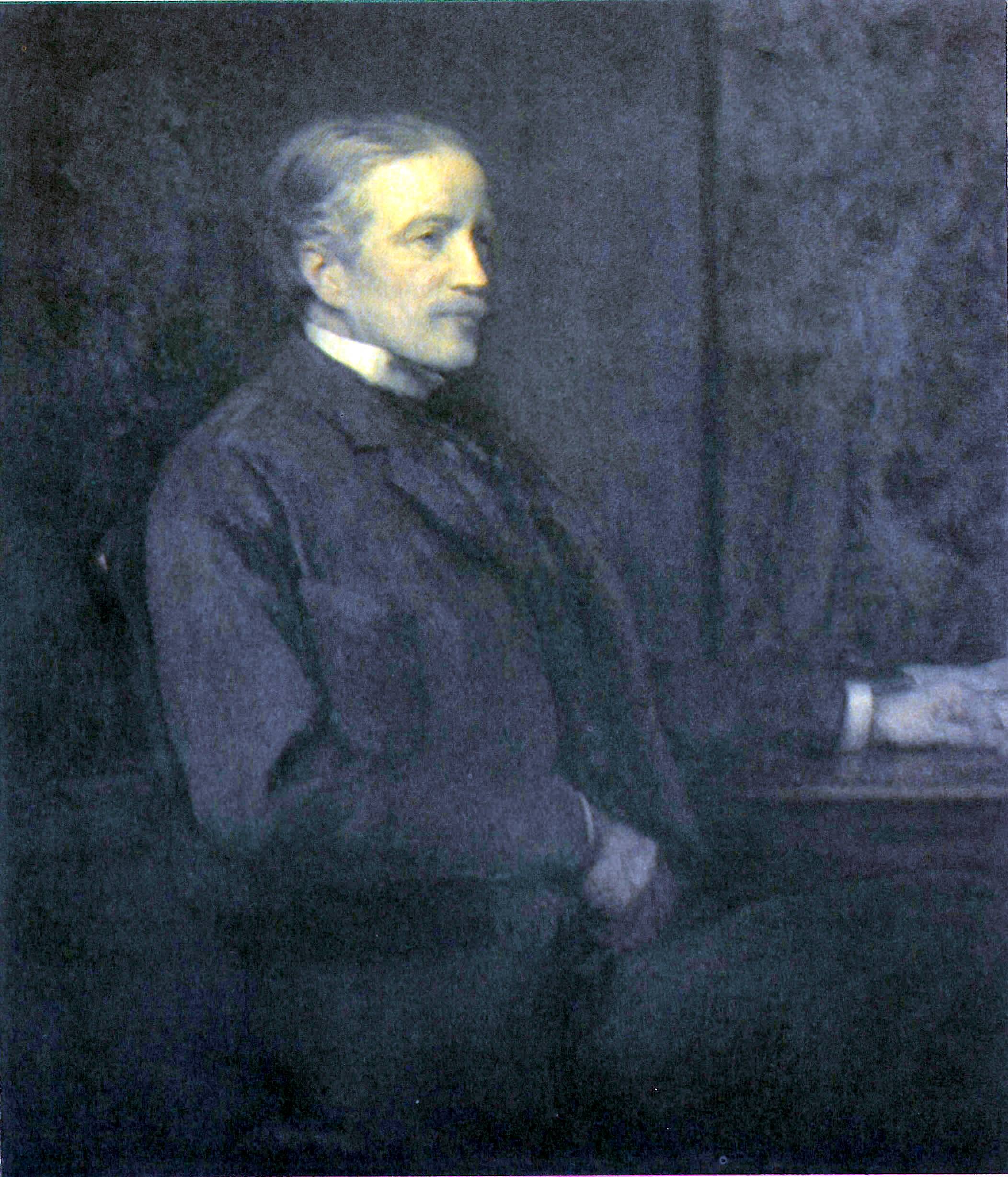
To understand the weight of any historical "question" involving the Guinness name, one must first recognize the stature of Edward Cecil Guinness (1847–1927). As the youngest son of Sir Benjamin Lee Guinness, Edward took control of the St. James’s Gate Brewery and transformed it into the largest brewery in the world. By the time he was created the 1st Earl of Iveagh in 1919, he was arguably the wealthiest man in Ireland and one of the most significant philanthropists in British and Irish history.
His public life was defined by the Iveagh Trust, which provided housing for the working-class poor in Dublin and London, and his massive contributions to scientific research and hospitals. However, the private lives of Victorian titans were often shielded by a veil of strict social decorum and legal protections. It is within this intersection of immense wealth and private discretion that the "question of Ellen Cochrane" persists among social historians and genealogists in 2026.
Who Was Ellen Cochrane?
Identifying Ellen Cochrane requires sifting through the dense records of 19th-century Dublin and London. In genealogical circles, Ellen Cochrane is frequently identified as a woman born in the mid-1800s whose life intersected with the Guinness family’s sphere of influence—either through the brewery's vast employment network or the domestic service of the various Guinness estates, such as Farmleigh or 80 St. Stephen's Green.
The "question" generally revolves around two possibilities:
- A Domestic Connection: Ellen Cochrane may have been a member of the domestic staff or a resident of the Iveagh-funded housing whose life became entangled with the Earl’s narrative through oral family histories.
- A Private Relationship: Some independent researchers have sought to verify claims that Ellen Cochrane had a relationship with Edward Guinness that resulted in unacknowledged offspring, a common theme in the "hidden histories" of the Anglo-Irish aristocracy.
Despite these persistent inquiries, it is essential to note that no primary source—such as a will, a signed confession, or a peerage record—officially links Edward Cecil Guinness to a woman named Ellen Cochrane in a romantic or parental capacity. The official Guinness lineage remains centered on Edward’s marriage to his cousin, Adelaide Maria Guinness, with whom he had three sons: Rupert, Arthur, and Walter.
The Social and Legal Context of Victorian Discretion
In the late 19th century, the social repercussions of "irregular" relationships were severe, particularly for a family seeking to cement its status within the British peerage. The Guinness family was in a period of rapid social ascent. Edward’s father had restored St. Patrick’s Cathedral, and Edward himself was moving from the status of a "trade" millionaire to a member of the high nobility.
During this era, any private complications involving figures like Ellen Cochrane would have been handled with extreme legal and financial discretion. In the context of the 1880s and 1890s, this often involved:
- Private Settlements: Discretionary payments made through solicitors to ensure that potential scandals did not reach the press.
- Emigration: It was common for individuals associated with family "questions" to be provided with funds to relocate to the United States, Canada, or Australia.
- Anonymity in Records: Birth certificates from this period might list a father as "unknown" or use a pseudonym, making modern DNA testing often the only definitive way to resolve such historical questions.
Analyzing the Evidence: Facts vs. Oral History
When examining the "question of Ellen Cochrane," it is helpful to contrast the documented history of the Earl of Iveagh with the anecdotal claims that surround his name.
| Feature | Documented History (Edward Guinness) | The Ellen Cochrane Question |
|---|---|---|
| Primary Spouse | Adelaide Maria Guinness (m. 1873) | None documented; alleged private link. |
| Recognized Heirs | Rupert, Arthur, and Walter Guinness. | Claims of unrecognized descendants. |
| Residences | Farmleigh, Elveden Hall, St. Stephen's Green. | Likely domestic or working-class Dublin origins. |
| Documentation | Extensive: Wills, Peerage, Brewery Records. | Minimal: Fragmented census data/oral history. |
| Social Status | 1st Earl of Iveagh, Knight of St. Patrick. | Commoner; potentially domestic service. |
The lack of a "paper trail" is often cited by proponents of the Ellen Cochrane story as evidence of a successful "scrubbing" of the record—a practice not uncommon among the Victorian elite. However, from a rigorous historical perspective, the absence of evidence cannot be treated as evidence of a cover-up without supporting documentation such as letters or financial ledgers.
The Role of Modern Genealogy in 2026
As of 2026, the resolution of historical mysteries like the one involving Ellen Cochrane has shifted toward autosomal DNA testing and advanced archival digitization. Many families who carry the Cochrane name or believe they are descended from the Guinness line have turned to platforms like Ancestry or MyHeritage to find "matches" with known Guinness descendants.
The difficulty lies in the fact that the Guinness family is vast. Edward Cecil was one of many siblings, and the brewery employed thousands. A DNA match with a "Guinness" does not necessarily point to the 1st Earl of Iveagh specifically; it could point to any number of cousins or siblings. Furthermore, the "Cochrane" name is established in both Irish and Scottish records, making the task of isolating a specific Ellen Cochrane among the hundreds living in Dublin in the 1880s a monumental archival task.
Why the Question Persists
The fascination with Edward Guinness and Ellen Cochrane persists because it humanizes a figure who is otherwise seen as an impenetrable titan of industry. Edward Guinness was a man of immense discipline; he grew the family business to unprecedented heights while maintaining a reputation for sobriety and civic duty.
The "Question of Ellen Cochrane" serves as a narrative counterpoint, suggesting a more complex private life hidden beneath the velvet and ermine of the Earldom. For genealogists, it represents the "holy grail" of Irish family research: linking a common lineage to one of the Great Houses of Ireland.
Historical Sources and Research Avenues
For those seeking to resolve the question of Ellen Cochrane, several key repositories in Dublin provide the necessary raw data. These institutions hold the records that would be required to verify any link to the Iveagh estate:
- The National Archives of Ireland: Specifically the 1901 and 1911 Census records, which can help locate Ellen Cochrane’s residence and occupation during the Earl’s lifetime.
- The Registry of Deeds (Henrietta Street): Essential for looking up any property transfers or trust funds that might have been established for individuals outside the immediate Guinness family.
- Guinness Storehouse Archives: While primarily focused on the brewery, these archives contain social records of the "Guinness community" and the various philanthropic trusts Edward established.
- Church Records (Parish of St. Werburgh or St. Kevin): Many domestic staff of the St. Stephen’s Green mansions were recorded in these central Dublin parishes.
Frequently Asked Questions
Did Edward Guinness ever acknowledge any children outside his marriage?
No official historical record or legal document exists in which Edward Cecil Guinness, the 1st Earl of Iveagh, acknowledged any children other than his three sons with Adelaide Guinness. His will was meticulously drafted to ensure the succession of the Earldom and the brewery interests to his legitimate heirs.
Is there a DNA link between the Cochrane and Guinness families?
While various individuals have claimed DNA matches that suggest a link, there has been no peer-reviewed or publicly confirmed genetic study that definitively connects a descendant of an "Ellen Cochrane" to the direct line of the 1st Earl of Iveagh. In 2026, genetic genealogy remains a popular but complex tool for such investigations.
What was the relationship between the Guinness family and their domestic staff?
The Guinnesses were known as "model employers." At both the brewery and their private estates, they provided pensions, medical care, and housing that was far superior to the standard of the time. This close relationship often meant that the lives of the staff and the family were deeply intertwined, which can sometimes lead to historical confusion or rumors of closer personal ties.
Where did the name "Ellen Cochrane" first appear in this context?
The name typically appears in private family trees and Irish genealogical forums rather than in formal biographies. It represents what historians call "subaltern history"—the history of those who did not leave behind vast archives or titles, but whose lives were nonetheless impacted by the powerful figures of their day.
Could Ellen Cochrane have been a business associate?
It is highly unlikely. In the Victorian era, women were almost entirely excluded from the management of the St. James’s Gate Brewery. If Ellen Cochrane had a connection to Edward Guinness, it was almost certainly of a domestic, philanthropic, or private nature rather than a commercial one.
Recommended Action for Researchers
If you are investigating a potential link between your family history and the "Question of Ellen Cochrane," the most effective next step is to perform a targeted archival search for "Ellen Cochrane" in the Dublin civil birth and marriage registers between 1860 and 1890. Focus specifically on records that list addresses in the vicinity of St. Stephen's Green or the Iveagh Buildings. Correlating these addresses with known Guinness property holdings or brewery housing is the only way to move the "question" from the realm of oral tradition into the territory of verifiable historical fact.
Image Gallery