Navigating Kansas City Life Insurance and Short Term Disability Options
Residents of Kansas City seeking to secure their financial future through life insurance and short-term disability coverage must navigate a landscape of private carriers, employer-sponsored benefits, and state-specific regulations. Und...
Residents of Kansas City seeking to secure their financial future through life insurance and short-term disability coverage must navigate a landscape of private carriers, employer-sponsored benefits, and state-specific regulations. Understanding how these two distinct financial products interact allows individuals to create a comprehensive safety net that protects both long-term assets and immediate income stability in the event of illness, injury, or death.
Contents
Distinguishing Life Insurance from Short-Term Disability
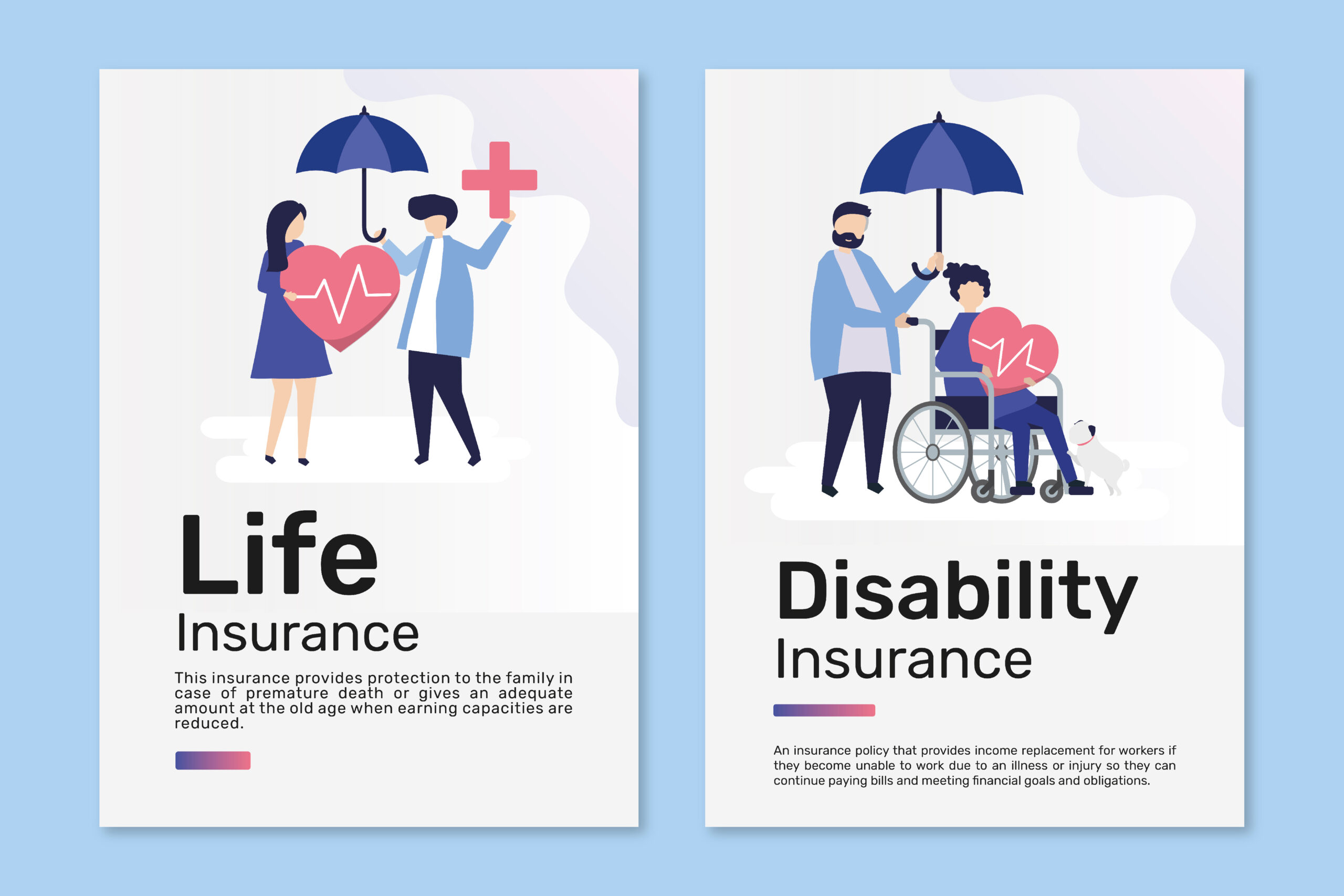
Life insurance and short-term disability insurance serve fundamentally different purposes within a personal financial portfolio. Life insurance is designed to provide a death benefit to designated beneficiaries, ensuring that family members or dependents are financially supported if the policyholder passes away. This is primarily a tool for long-term legacy planning and debt protection, such as covering mortgages or education costs.
Short-term disability insurance, conversely, is an income-replacement product. It is designed to pay a portion of your pre-disability earnings—typically between 40% and 70%—if you are temporarily unable to work due to a covered injury or illness. In the Kansas City market, these products are rarely bundled into a single policy because they trigger under different circumstances: life insurance requires the death of the insured, while short-term disability requires the policyholder to be alive but incapacitated.
The Landscape of Coverage in Kansas City
In Kansas City, as throughout the state of Missouri, there is no state-mandated short-term disability program. Unlike states with compulsory disability insurance funds, Missouri relies on the private market and employer-sponsored group plans. Consequently, most residents obtain short-term disability coverage through their place of employment.
If you are a business owner or a self-employed individual in the Kansas City metro area, you may need to look toward individual disability insurance providers. These policies are generally more expensive and involve stricter medical underwriting than group plans, but they offer the advantage of portability—meaning your coverage remains intact even if you change employers or launch a new venture.
Evaluating Your Need for Coverage
Before purchasing, you must conduct a personal financial audit. Start by calculating your "burn rate"—the amount of money required to maintain your household if your primary income stream were to stop suddenly.
- Calculate Fixed Expenses: List your mortgage or rent, utility payments, insurance premiums, and minimum debt obligations.
- Review Employer Benefits: Check your employee handbook or HR portal. Many Kansas City employers offer basic life and disability insurance as part of a benefits package, but these limits are often insufficient to cover high-cost liabilities.
- Assess Dependent Needs: Determine how many years of income replacement your family would require if you were no longer present.
Comparison of Coverage Features
| Feature | Short-Term Disability | Life Insurance |
|---|---|---|
| Primary Goal | Income replacement during recovery | Income replacement for beneficiaries |
| Benefit Trigger | Temporary injury/illness (Alive) | Death of the insured |
| Typical Duration | 3 to 12 months | Term (10–30 years) or Permanent |
| Source | Employer or Individual policy | Employer or Individual policy |
| Tax Implications | Benefits often taxable if premiums paid by employer | Benefits usually received tax-free |
Important Prerequisites and Underwriting Factors
When applying for either product in Kansas City, the underwriting process is a significant hurdle. Life insurance providers will analyze your medical history, current age, and lifestyle choices. Factors such as smoking status, high-risk hobbies, and family medical history are standard data points.
For short-term disability, the focus is heavily weighted toward your occupational risk and your current income verification. Insurance companies will require evidence of your earnings, such as recent pay stubs or tax returns, to ensure that the policy benefits do not exceed your take-home pay. This "over-insurance" prevention is standard regulatory practice to discourage fraudulent claims.
Strategic Planning for Kansas City Residents
For those residing in Kansas City, it is essential to consider the impact of cost-of-living differences. While the region is often considered more affordable than coastal hubs, the cost of medical care and funeral expenses remains high.
- The "Gap" Analysis: If your employer offers a life insurance policy equal to one year of your salary, consider purchasing a supplemental term life policy to cover the difference between that amount and your total debt obligations.
- The Elimination Period: Short-term disability policies come with an "elimination period"—the time between the onset of the disability and when the benefit checks start arriving. Common periods are 7, 14, or 30 days. Ensure you have an emergency fund sufficient to cover your expenses during this waiting period.
- Coordination with Social Security: While Social Security Disability Insurance (SSDI) exists, it is notoriously difficult to qualify for and does not cover short-term impairments. Do not rely on government aid as a substitute for private short-term disability insurance.
Common Pitfalls to Avoid
A frequent mistake made by many is the assumption that their insurance needs remain static. As you age, your life insurance requirements may decrease (as debts are paid off), while your disability risk might increase. Regularly reviewing your coverage every three years—or after major life events like marriage, the birth of a child, or a significant change in income—is a best practice.
Additionally, be wary of "guaranteed issue" policies that do not require a medical exam. While these are easier to obtain, they often come with high premiums and limited benefit amounts. Always read the "exclusions" section of your policy document, which details what is not covered, such as elective surgeries or injuries sustained while participating in extreme sports.
Frequently Asked Questions
1. Does Missouri require employers to provide short-term disability? No. Missouri law does not mandate that employers provide short-term disability insurance. Coverage is entirely voluntary and is typically provided as a competitive employee benefit to attract talent in the Kansas City area.
2. Can I have multiple short-term disability policies? While you can hold multiple policies, most insurers include "coordination of benefits" clauses. These clauses prevent you from receiving more in total benefits than your actual pre-disability income, effectively prohibiting "double dipping."
3. Is the payout from life insurance taxable? In most cases, life insurance death benefits are paid out to beneficiaries tax-free. However, if the policy is structured in a complex way, such as involving an estate or trust, it is wise to consult with a tax professional in Missouri to ensure proper compliance with state and federal regulations.
4. How soon can I file for short-term disability after injury? You should file as soon as your physician confirms you are unable to perform the material duties of your job. The elimination period defined in your policy will begin on the date of your disability, and filing promptly ensures that your claim is processed without unnecessary delays.
5. Is life insurance cheaper in Kansas City than in other cities? Life insurance rates are determined more by your personal health and age than by your geographic location. However, state-level regulations regarding insurance commissions and consumer protections can influence the operational costs of the companies themselves, which may indirectly affect your premiums.
Recommended Next Actions
If you are currently uninsured or underinsured, the most logical first step is to visit your Human Resources department to get a summary plan description (SPD) of your current benefits. Once you have a clear picture of what is already covered, contact an independent insurance broker in Kansas City. An independent broker is not tied to a single carrier and can shop the market for you, comparing quotes from multiple providers to find the policy that best fits your specific health profile and budgetary requirements. Do not wait for a health event to force your hand; securing coverage while you are healthy is the most cost-effective way to obtain comprehensive protection.
Image Gallery