Why the Jay Pritzker Legacy Matters for Education
The legacy of Jay Pritzker matters for education because his philanthropic initiatives, family foundations, and structural endowments systematically reshaped academic infrastructure, architectural learning environments, and public scho...
The legacy of Jay Pritzker matters for education because his philanthropic initiatives, family foundations, and structural endowments systematically reshaped academic infrastructure, architectural learning environments, and public scholarship. By aligning substantial private wealth with forward-thinking civic planning, the Pritzker legacy transformed how educational spaces are conceived, funded, and experienced by students and researchers.
Contents
Understanding the Pritzker Family Philanthropic Framework
The philanthropic footprint of the Pritzker family is vast, spanning decades of targeted investments in civic institutions, healthcare, and educational reform. Jay Pritzker, best known as the co-founder of Hyatt Corporation and the creator of the prestigious Pritzker Architecture Prize, established a tradition of strategic philanthropy that prioritized long-term structural impact over short-term charitable relief.
In the educational sphere, this framework translated into capital investments that altered physical campuses and endowed academic programs. Rather than merely donating operational funds, the family's approach often centered on creating physical environments that stimulate intellectual curiosity. Architecture, in this context, was treated not as a passive backdrop for learning, but as an active participant in the educational process. This philosophy ensured that institutions supported by the Pritzker legacy gained facilities designed to foster collaboration, interdisciplinary study, and modern pedagogical methods.
Furthermore, the Pritzker family’s engagement with education extends into public policy and early childhood development. By funding research initiatives and supporting systemic educational reform, the legacy addresses the foundational stages of learning. This multi-tiered strategy—combining architectural innovation, higher education endowment, and foundational early childhood research—demonstrates a comprehensive understanding of how educational ecosystems function.
Architectural Innovation as a Catalyst for Learning
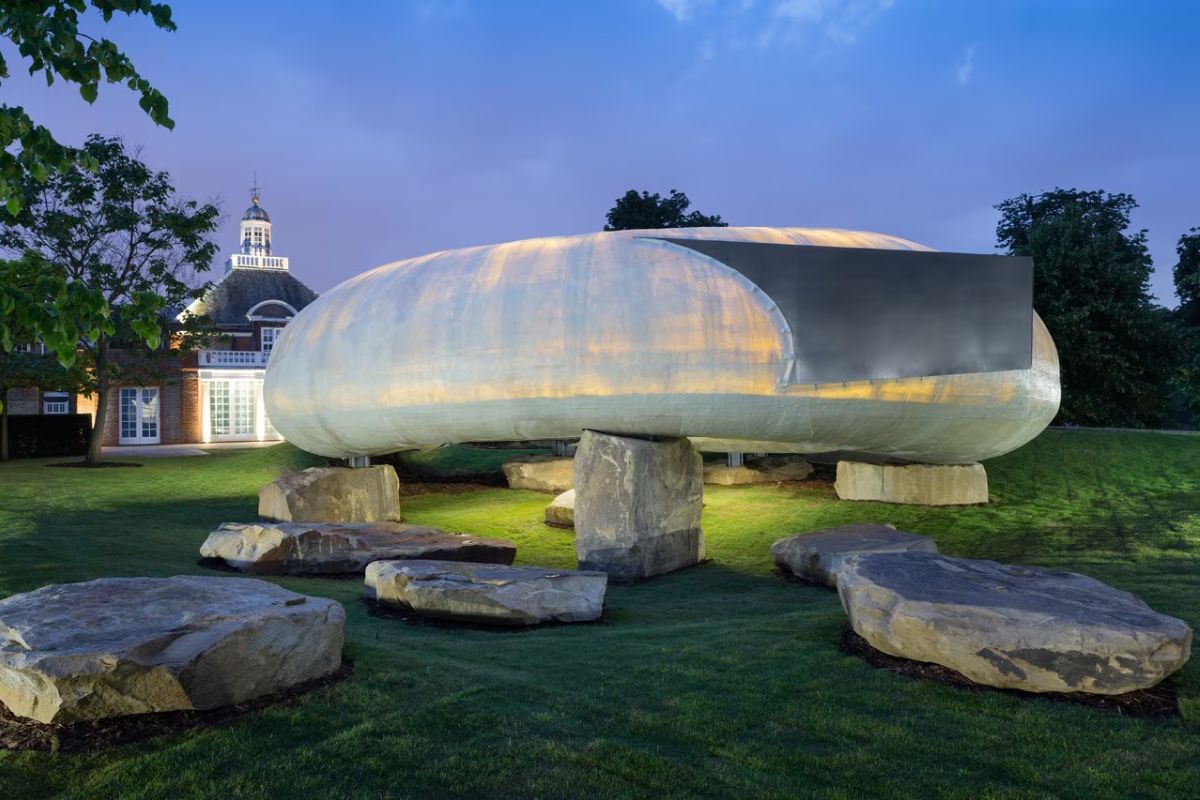
One of the most visible manifestations of the Pritzker educational legacy is the integration of world-class architecture into academic settings. Jay Pritzker’s establishment of the Pritzker Architecture Prize in 1979 elevated the discourse surrounding the built environment, a philosophy that naturally influenced the institutions and communities tied to the family's name.
Modern educational theory emphasizes that physical spaces profoundly impact cognitive development, focus, and collaboration. When universities and schools commission visionary architects to design libraries, laboratories, and lecture halls, they signal a commitment to excellence that reverberates through the student body and faculty.
- Spatial Flexibility: Modern Pritzker-backed or inspired academic buildings prioritize modular spaces that adapt to shifting teaching methodologies, moving away from rigid, industrial-era classroom layouts.
- Natural Light and Acoustics: Intentional integration of daylight and acoustic management reduces cognitive fatigue and enhances information retention among students.
- Interdisciplinary Commons: By creating central gathering zones, these architectural designs break down academic silos, encouraging spontaneous collaboration between distinct departments such as engineering and the humanities.
These structural considerations prove that the Pritzker legacy's impact on education is physical, tangible, and engineered to optimize human potential within academic institutions.
Endowments, Higher Education, and Public Scholarship
Beyond bricks and mortar, the financial scaffolding provided by the Pritzker legacy supports ongoing academic research, professorships, and student accessibility. Endowments serve as the lifeblood of higher education, ensuring that institutions can weather economic downturns while maintaining rigorous standards of scholarship and instruction.
Higher education institutions that have benefited from Pritzker family philanthropy utilize these funds to attract leading global faculty and admit talented students regardless of their socioeconomic background. By underwriting specific research chairs, the legacy helps universities remain competitive on the international stage, driving advancements in medicine, law, public policy, and the sciences.
| Initiative Area | Core Objective | Primary Educational Impact |
|---|---|---|
| Capital Infrastructure | Constructing advanced academic facilities | Enhancing physical learning environments and campus technology integration |
| Early Childhood Support | Funding developmental research and public policy | Establishing foundational equity and cognitive readiness before primary school |
| Endowed Chairs & Fellowships | Retaining top-tier academic faculty and researchers | Driving institutional prestige and advanced departmental research output |
| Civic Scholarship | Supporting public policy institutes and libraries | Bridging academic research with practical governance and community literacy |
This structural support ensures that universities and educational trusts can fulfill their mission of generating actionable knowledge. The emphasis on public scholarship guarantees that the discoveries made within these endowed walls benefit society at large, rather than remaining isolated within ivory towers.
Early Childhood Education and Systemic Reform
While university endowments and architectural landmarks capture public attention, a critical component of the Pritzker educational legacy focuses on early childhood education. Modern neuroscience consistently demonstrates that the vast majority of human brain development occurs during the first few years of life. Recognizing this, members of the Pritzker family have heavily invested in early learning initiatives, universal preschool advocacy, and maternal-child health programs.
Systemic educational reform cannot succeed if intervention begins only when a child enters kindergarten. By supporting research-backed early childhood frameworks, the Pritzker legacy helps bridge the achievement gap before it widens. These initiatives focus on:
- Teacher Preparation: Training early childhood educators in evidence-based developmental strategies.
- Access Equity: Expanding subsidized or universal preschool access in under-resourced urban and rural districts.
- Family Support Systems: Integrating parental education into community health programs to foster home environments rich in language and cognitive stimulation.
Through these programs, the legacy addresses educational disparity at its roots, creating a more level playing field for future generations of students.
Comparing Philanthropic Models in Education
To understand the unique value of the Pritzker legacy, it is helpful to examine how different philanthropic approaches impact the educational landscape. While corporate giving often focuses on immediate workforce training, and traditional alumni donations typically support stadium construction or general operating funds, the Pritzker model emphasizes structural transformation.
- Traditional Alumni Giving
- General Fund / Capital Maintenance
- Short-Term Maintenance
- Corporate Sponsorship
- Vocational Alignment / Equipment
- Immediate Job Placement
- Pritzker Legacy Model
- Architectural & Early-Stage Systemic
- Long-Term Institutional & Cognitive Evolution
This structural orientation explains why the influence of the legacy endures. By investing in the physical architecture of learning and the biological foundations of early childhood cognition, the approach addresses both ends of the educational spectrum, leaving a permanent mark on how society values and delivers education.
Frequently Asked Questions
What is the connection between the Pritzker Architecture Prize and education?
While the Pritzker Architecture Prize honors living architects internationally, its existence elevates global standards for public and academic buildings. Many laureates have designed university campuses, libraries, and schools, directly improving the physical spaces where education takes place.
How does the Pritzker legacy impact early childhood learning?
The family's philanthropic entities fund research, public policy advocacy, and community programs aimed at expanding access to high-quality preschool and maternal-child health initiatives, focusing on foundational brain development.
Are Pritzker-backed educational initiatives limited to Chicago?
No. While the family has deep historical roots in Chicago—contributing significantly to local universities, civic centers, and public schools—their philanthropic reach extends nationally and internationally through academic endowments and architectural projects.
What role do endowments play in the Pritzker educational philosophy?
Endowments provide permanent financial stability to academic institutions. By funding professorships and research facilities, these funds allow universities to maintain academic independence and pursue long-term scientific and cultural inquiries.
How can researchers study the impact of these educational contributions?
Researchers can examine public tax filings of related family foundations, university capital campaign disclosures, and architectural case studies documenting the design and utilization of Pritzker-funded academic facilities.
Next Steps for Studying Educational Philanthropy
For educators, researchers, and policymakers seeking to understand the mechanics of effective institutional support, analyzing the Pritzker legacy offers a masterclass in strategic philanthropy. Reviewing architectural monographs of university campuses, analyzing early childhood policy white papers funded by family foundations, and examining how institutional endowments sustain academic excellence will provide actionable insights into building resilient, forward-thinking educational ecosystems.
Image Gallery