Preventing Common Mistakes on Oklahoma State Tax Forms for the 2026 Filing Season
Filing your Oklahoma state income tax return accurately is essential to avoiding processing delays, interest accruals, or potential audits by the Oklahoma Tax Commission (OTC). Most errors stem from inconsistent data entry between fede...
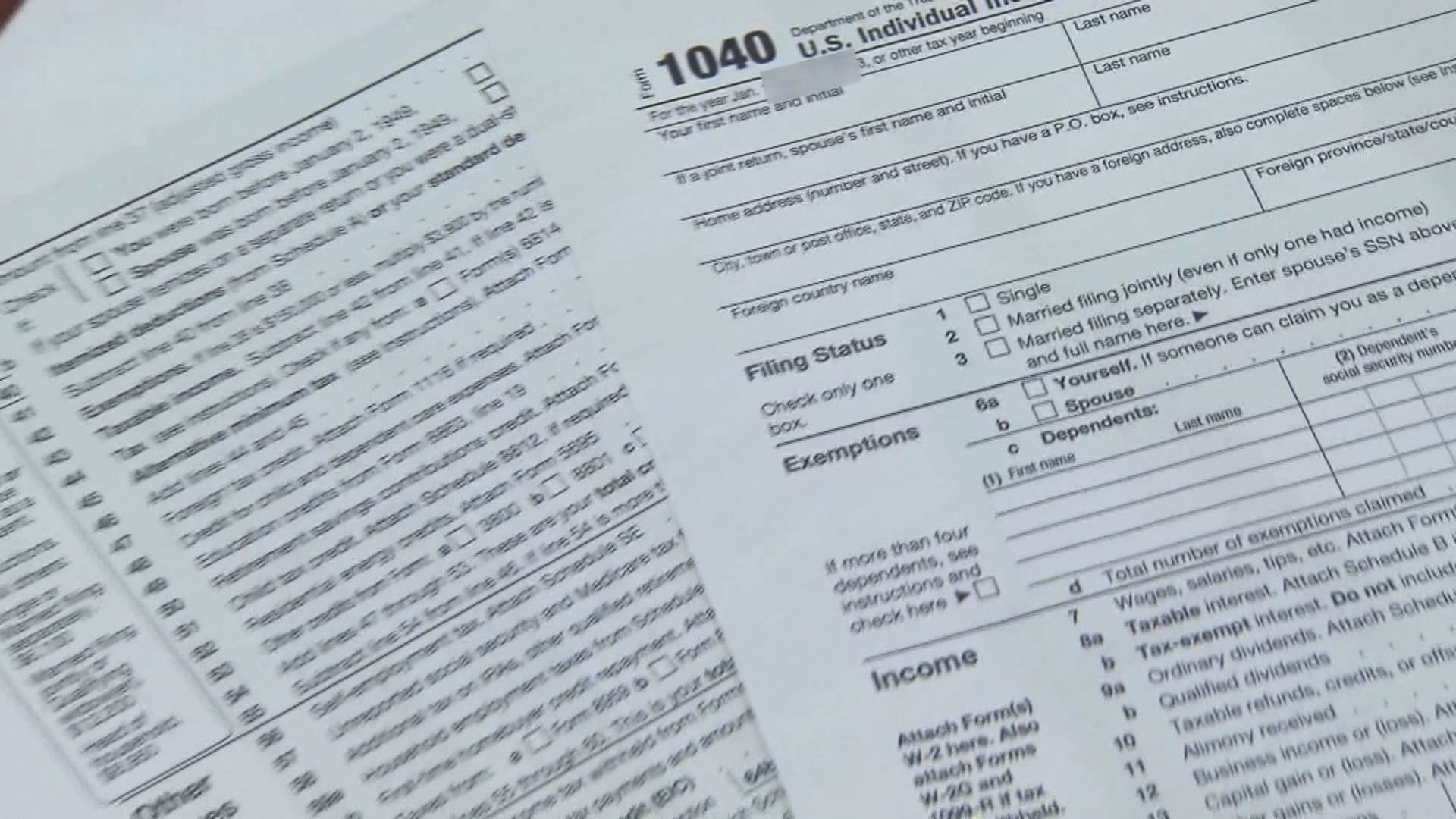
Filing your Oklahoma state income tax return accurately is essential to avoiding processing delays, interest accruals, or potential audits by the Oklahoma Tax Commission (OTC). Most errors stem from inconsistent data entry between federal and state filings, incorrect application of state-specific credits, or simple arithmetic oversights when transferring information from Form 1040 to Oklahoma Form 511.
Contents
Understanding the Oklahoma Filing Framework
The Oklahoma tax system is primarily tethered to the federal adjusted gross income (AGI) reported on your IRS Form 1040. Because Oklahoma utilizes a "piggyback" system, discrepancies between your federal return and your Oklahoma Form 511 are the most frequent triggers for notices from the OTC. For the 2026 tax year, ensure that your filing status—Single, Married Filing Jointly, Married Filing Separately, Head of Household, or Qualifying Surviving Spouse—matches exactly what you submitted to the federal government, unless you are filing under specific state-permitted exceptions.
Frequent Arithmetic and Data Entry Errors
Even with modern tax software, manual overrides or incorrect data entry can lead to significant headaches. The most common errors are often the simplest to overlook.
- Incorrect Carry-over Figures: When transferring numbers from federal forms, verify that the dollar amounts match the specific line items requested by the Oklahoma Tax Commission. A common mistake involves failing to adjust federal AGI for Oklahoma-specific additions or subtractions, such as state-exempt interest.
- Social Security Number (SSN) Mismatches: Always double-check the SSNs of every dependent listed on your return. An incorrect digit will cause an immediate electronic rejection.
- Improper Rounding: The Oklahoma Tax Commission generally requires whole dollar amounts. If you include cents, your return may be rejected or automatically rounded by software in a way that creates a mathematical discrepancy.
Navigating Oklahoma-Specific Additions and Subtractions
One of the most complex aspects of the Oklahoma individual income tax return is calculating the adjustments to federal AGI. Failure to accurately report these items is a leading cause of tax notices.
- Oklahoma Additions: You must add back certain items that were deducted on your federal return but are not permitted as deductions by Oklahoma law, such as certain out-of-state municipal bond interest.
- Oklahoma Subtractions: Conversely, remember to subtract income that is taxed federally but exempt in Oklahoma, such as certain retirement benefits or specific military pay allowances.
| Adjustment Type | Common Error | Correction Strategy |
|---|---|---|
| Federal AGI | Entering the wrong line from Form 1040 | Re-verify against the final IRS accepted return |
| State Exempt Interest | Forgetting to add back out-of-state bonds | Review 1099-INT statements for state origins |
| Pension Exclusions | Overstating the allowable state exclusion | Review the Oklahoma Tax Commission publication for 2026 limits |
| Dependent Credits | Claiming a dependent not qualified in OK | Verify residency status of the dependent |
Misunderstanding Residency and Part-Year Status
If you moved into or out of Oklahoma during the 2026 tax year, you must correctly classify your residency status. A common mistake is filing as a full-year resident when you were only present for part of the year, or failing to properly prorate income earned while a non-resident.
Residency Classification Requirements
Full-Year Residents: Individuals who maintain a domicile in Oklahoma for the entire calendar year are subject to tax on their entire income, regardless of source.
Part-Year Residents: Individuals who moved into or out of the state must calculate their tax based only on the income earned while an Oklahoma resident, plus any income derived from Oklahoma sources while a non-resident.
Non-Residents: Individuals who earned income from Oklahoma sources (such as rental property or business income) but maintained a domicile elsewhere must file Form 511-NR to report and pay tax specifically on that Oklahoma-sourced income.
Common Documentation and Attachment Failures
Taxpayers often assume that electronic filing means no additional documentation is required. However, the Oklahoma Tax Commission may require specific supporting schedules for certain credits or deductions.
- Credit Verification: If you are claiming the Oklahoma Earned Income Tax Credit (EITC) or the Credit for Income Tax Paid to Another State, ensure you have the necessary documentation. Specifically, for taxes paid to another state, you must provide a copy of the tax return filed with that other state. Failure to attach this proof will trigger a manual review and likely delay your refund.
- Signature Issues: If you are filing a paper return, the most avoidable mistake is failing to sign and date the form. Both spouses must sign if filing a joint return. Unsigned returns are not considered filed and will be returned to you.
Resolving Notices from the Oklahoma Tax Commission
If you receive a notice from the OTC, do not panic. Most notices are automated requests for clarification or additional documentation.
- Read the Notice Thoroughly: The notice will specify the exact line item or issue being questioned.
- Review Your Records: Compare your filed Form 511 against your original 1040 and your supporting W-2s or 1099s.
- Respond Promptly: You can often resolve discrepancies through the Oklahoma Tax Commission's online portal (OkTAP). Providing the requested documentation digitally is the fastest way to clear a "flagged" return.
Frequently Asked Questions
Can I claim the same dependents on my Oklahoma return as I did on my federal return? Generally, yes, but you must ensure they meet the residency and support requirements defined under Oklahoma law. While most federal dependents qualify, some unique state circumstances may impact specific credit eligibility.
What should I do if I find a mistake after I have already submitted my return? You should file an amended return using Form 511-X. Do not attempt to file a second original return, as this will cause significant confusion and delay for the processing department.
Is there a penalty for minor calculation errors on my state return? If an error results in an underpayment, you may be subject to interest and, in some cases, late payment penalties. If the error resulted in an overpayment, you will likely receive a corrected refund, though the processing time will be extended.
How long does the Oklahoma Tax Commission have to audit my return? Under standard circumstances, the OTC generally has three years from the date the return was filed or due, whichever is later, to assess additional tax. Keep your records for at least this long.
Does Oklahoma recognize electronic signatures for all tax documents? The OTC accepts electronic signatures on returns filed through authorized tax software providers. If you are mailing a paper return, a wet ink signature is required.
Expert Recommendations for a Smooth Filing
To minimize the risk of errors, utilize the official Oklahoma Tax Commission resources rather than relying solely on third-party advice. The Oklahoma Tax Commission provides updated instructions and worksheets for the 2026 tax year that clarify the treatment of specialized income types. If your financial situation involves complex business entities, K-1 distributions, or multi-state income, consulting with a licensed CPA who specializes in Oklahoma tax law is the most reliable way to ensure compliance and avoid costly mistakes.
Image Gallery