Progressive Insurance Commercial Characters: The 2026 Comprehensive Guide to the Superstore Cast and Dr. Rick
Progressive Insurance commercial characters represent one of the most successful character-driven marketing universes in advertising history, led by the iconic Flo and the relatable Dr. Rick. These figures humanize insurance products t...
Progressive Insurance commercial characters represent one of the most successful character-driven marketing universes in advertising history, led by the iconic Flo and the relatable Dr. Rick. These figures humanize insurance products through humor and recurring narratives, significantly increasing brand recall and customer engagement across digital and broadcast platforms through 2026.
Contents
Progressive’s strategy has evolved from simple product demonstrations to a complex "Cinematic Universe" of insurance. While Flo remains the cornerstone of the brand, the expansion into specialized segments—like the Parentamorphosis campaign and the "Superstore" ensemble—allows Progressive to target diverse demographics simultaneously. This guide analyzes the actors, the psychological triggers behind the characters, and their ongoing impact on the insurance industry’s marketing standards.
The Evolution of the Progressive Character Universe
Since Flo’s debut in 2008, Progressive has shifted away from the traditional, often somber tone of insurance advertising. Instead of focusing solely on the tragedy of accidents, the brand focuses on the ease of the "Superstore" experience. This approach utilizes the "Mere Exposure Effect," where consumers develop a preference for the brand simply because they are familiar with the recurring characters.
By 2026, this universe has branched into several distinct "story arcs." The main arc features the Superstore crew, handling the technical aspects of the Name Your Price Tool and Snapshots. The secondary, and arguably more culturally resonant arc, features Dr. Rick, a "Parent-Life Coach" who helps new homeowners avoid turning into their parents. These characters serve as anchors in an industry where products are often viewed as interchangeable commodities.
The Superstore Team: Main Cast Analysis
The Superstore represents a physical manifestation of Progressive’s digital tools. It is a bright, white, organized space where insurance is bought like a retail product. The characters within this space provide the continuity that has kept Progressive at the top of the market for nearly two decades.
Flo (Stephanie Courtney)
Flo is the undisputed matriarch of insurance advertising. Portrayed by groundling-trained actress Stephanie Courtney, Flo is characterized by her extreme enthusiasm, retro aesthetic, and unwavering helpfulness. As of 2026, Courtney has appeared in over 1,000 commercials, making her one of the longest-running brand mascots in history. Her longevity is attributed to the character's adaptability; she can be the lead, a mentor, or a comedic foil depending on the campaign's needs.
Jamie (Jim Cashman)
Initially introduced as a sidekick, Jamie (played by Jim Cashman) has evolved into a fan favorite. His character often represents the "over-eager but slightly awkward" employee. Jamie provides a bridge between Flo’s high energy and the consumer’s potential confusion. Cashman, also a writer and producer, often improvises lines that contribute to the character’s deadpan humor, making the technical aspects of bundling home and auto insurance more palatable.
Mara (Natalie Palamides)
Mara joined the cast to provide a contrasting energy to Flo’s positivity. Portrayed by Natalie Palamides, Mara is often seen as deadpan, unimpressed, and slightly cynical. This character resonates with younger demographics (Gen Z and Millennials) who value authenticity and are often skeptical of overly "perky" corporate messaging. Mara’s interactions with Jamie and Flo create a workplace comedy dynamic that keeps the commercials entertaining even after multiple viewings.
Jon Ham (Recurring Guest)
The inclusion of A-list talent like Jon Hamm (playing a heightened version of himself) serves a dual purpose. It elevates the brand's prestige while poking fun at the tropes of celebrity endorsements. His "unsuccessful" attempts to date Flo or join the team add a layer of meta-humor that appeals to a more sophisticated viewing audience.
Dr. Rick and the Parentamorphosis Campaign
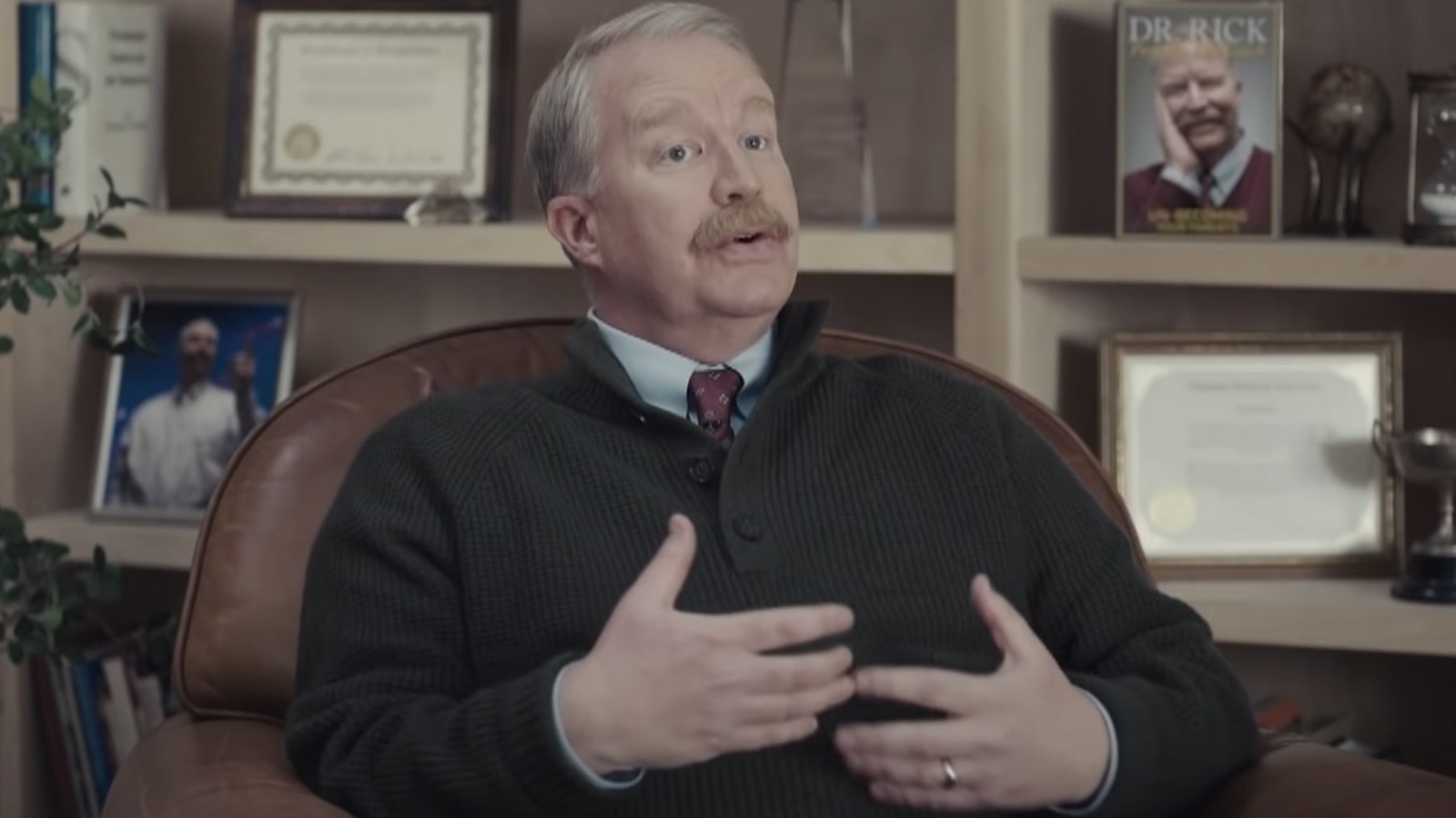
While the Superstore crew focuses on the retail experience, Dr. Rick (played by Bill Glass) focuses on the psychological transition of becoming a homeowner. This campaign is widely considered one of the most effective in the history of the insurance niche because it addresses a universal truth: as people buy homes, they begin to mimic the behaviors of their parents.
Technical Insight: The Parentamorphosis Strategy
Psychological Targeting: The campaign targets "First-Time Homeowners" (typically aged 28–45) who are in the process of making significant financial shifts. By identifying the "symptoms" of becoming one's parents—such as obsessive lawn care, commenting on the price of snacks at a stadium, or struggling with technology—Progressive creates a bond with the viewer.
Brand Association: Dr. Rick does not explicitly sell insurance in every line. Instead, he sells "un-becoming" your parents. The insurance message is "Progressive can't save you from becoming your parents, but we can save you money when you bundle home and auto." This honest, slightly self-deprecating approach builds massive brand equity.
Comparative Overview of Core Characters
The following table outlines the key attributes and roles of the primary Progressive characters active in 2026.
| Character Name | Actor/Actress | Debut Year | Primary Marketing Function | Target Demographic |
|---|---|---|---|---|
| Flo | Stephanie Courtney | 2008 | Brand Loyalty & Continuity | All-inclusive |
| Jamie | Jim Cashman | 2014 | Relatability & Product Education | Families & Middle-Income |
| Dr. Rick | Bill Glass | 2020 | Emotional Connection & Bundling | New Homeowners (30s-40s) |
| Mara | Natalie Palamides | 2020 | Counter-Culture & Edge | Gen Z & Younger Millennials |
| The Motaur | Terrence Terrell | 2019 | Specialized Niche (Motorcycle) | Motorcycle Owners |
| Parker | Various | 2021 | Tech-Savvy Assistance | Digital-First Users |
The Impact of Character-Driven Branding on Market Share
In 2026, Progressive remains a leader in the insurance sector, trailing only State Farm in total market share for private passenger auto insurance. The character-driven approach has allowed Progressive to maintain a high "Share of Voice" without needing to constantly reinvent its core value proposition.
1. High Recall Rates
Because consumers "know" Flo and Dr. Rick, they are more likely to remember a Progressive ad than a generic ad from a competitor. Studies in 2025 and 2026 indicate that Progressive’s character-based ads have a 40% higher recall rate than standard informational commercials.
2. Multi-Channel Versatility
These characters transition seamlessly from 30-second television spots to TikTok challenges, Instagram reels, and interactive web tools. Dr. Rick's "Guide to Not Becoming Your Parents" has even been adapted into physical books and digital seminars, extending the brand's reach far beyond traditional media.
3. Humanizing the Claims Process
By using familiar faces, Progressive reduces the "faceless corporation" stigma. When a customer interacts with the Progressive app or a claims agent, the friendly, helpful persona established by the commercial characters influences the customer's perception of the service they will receive.
Retired and Niche Characters
Over the years, Progressive has experimented with various characters to see what sticks. While some become staples, others are used for specific, time-bound campaigns.
- The Motaur: A half-man, half-motorcycle entity that personified the bond between riders and their bikes. This was a highly technical campaign focused on the motorcycle insurance niche, emphasizing that Progressive "gets" the riding lifestyle.
- Baker Mayfield: The "At Home with Baker" series featured the NFL quarterback living in the Browns' stadium. This successfully blended sports marketing with homeowner insurance, though the campaign concluded as Mayfield's career transitioned through different teams.
- The Box: For a brief period, the "Progressive Box" was a sentient character. While it was effective for brand recognition, it lacked the emotional depth and comedic range provided by human actors like Stephanie Courtney or Bill Glass.
Expert Analysis: Why These Characters Succeed in 2026
From a technical SEO and marketing perspective, the success of these characters relies on "Topical Authority." Progressive doesn't just talk about insurance; they own the "story" of the modern consumer's life.
- Consistency: Flo’s look hasn't changed significantly in 18 years. This consistency builds a "friend-like" trust with the audience.
- Humor over Fear: While many competitors use fear-based marketing (accidents, storms, mayhem), Progressive uses humor. In 2026, with the high volume of digital noise, humor serves as a pattern interrupt that catches the viewer's attention.
- Segmented Storytelling: By having different teams (Superstore vs. Dr. Rick), Progressive can run multiple campaigns simultaneously without confusing the audience. One ad can focus on the low cost of auto insurance (Flo), while the next focuses on the complexity of homeownership (Dr. Rick).
Frequently Asked Questions
Who is the actress who plays Flo from Progressive?
Stephanie Courtney has played Flo since 2008. She is a professional actress and member of The Groundlings, an improvisational and sketch comedy troupe based in Los Angeles, which contributed to her iconic delivery and comedic timing.
Is Dr. Rick a real therapist?
No, Dr. Rick is a fictional character portrayed by actor Bill Glass. The character is designed as a "Parent-Life Coach" to humorously help new homeowners avoid the habits of their parents, a condition Progressive calls "Parentamorphosis."
How long has Jamie been in the Progressive commercials?
Jamie, played by Jim Cashman, first appeared in Progressive commercials in 2014. Over the last decade, his role has grown from a background character to a lead spokesperson alongside Flo and Mara.
Why does Progressive use the same characters for so many years?
Progressive uses recurring characters to build brand equity and increase "ad awareness." Using familiar faces like Flo and Dr. Rick makes commercials feel like a continuing story, which reduces the likelihood of viewers tuning out during commercial breaks.
Who is the deadpan girl in the newer Progressive commercials?
The character Mara is played by actress and comedian Natalie Palamides. She was introduced to provide a dry, cynical contrast to the high-energy personalities of Flo and Jamie, appealing to a younger, more skeptical audience.
Final Recommendations for 2026 Marketing Strategy
For brands looking to emulate Progressive's success, the takeaway is clear: focus on character development and relatability over raw product features. In 2026, consumers are looking for brands that understand their daily lives—their frustrations with home repairs, their awkwardness in social situations, and their desire for simple, transparent pricing.
Progressive has mastered the art of the "soft sell." By the time the call to action appears at the end of the commercial, the viewer has already been entertained and has formed a positive emotional connection with the brand. This strategy remains the gold standard for long-term brand building in the competitive insurance landscape.
Image Gallery