Understanding At-Home Credit Card Processing and Mobile Payment Solutions for 2026
An at-home credit card solution refers to the hardware and software infrastructure that allows independent contractors, home-based business owners, and remote service providers to securely process customer payments from a residential o...
An at-home credit card solution refers to the hardware and software infrastructure that allows independent contractors, home-based business owners, and remote service providers to securely process customer payments from a residential or mobile location. These systems utilize encrypted card readers connected to mobile devices or cloud-based virtual terminals to facilitate PCI-DSS compliant transactions without requiring a traditional brick-and-mortar point-of-sale terminal.
Contents
Core Infrastructure for Remote Payment Acceptance
To accept credit cards at home, you must move beyond simple cash or check transactions. Modern payment processing requires a merchant account or a payment aggregator setup that bridges the gap between your customer's bank and your own. By 2026, the industry standard has shifted toward integrated, omnichannel solutions that offer near-instant settlement.
The fundamental components of an at-home payment setup include:
- Payment Gateway: The digital "front door" that encrypts sensitive card data at the point of entry and sends it to the payment processor.
- Merchant Account/Aggregator: The financial entity that facilitates the movement of funds from the customer's issuer to your business bank account.
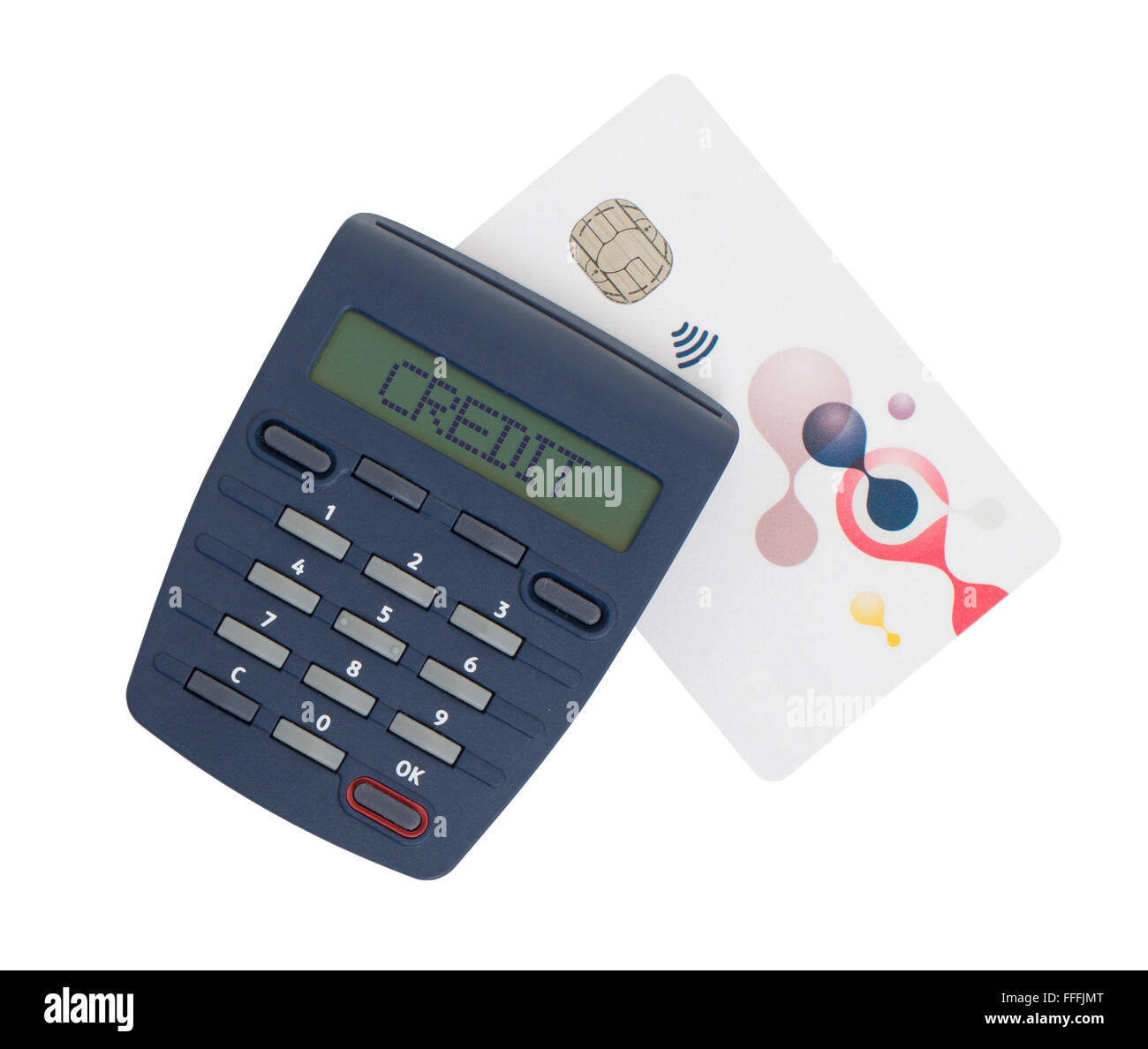
- Hardware/Software Interface: This can range from a physical EMV (chip) card reader connected via Bluetooth to your smartphone or tablet, to a secure virtual terminal accessed via a web browser.
- Compliance Protocol: Strict adherence to Payment Card Industry Data Security Standard (PCI-DSS) protocols to ensure that neither you nor your software stores unencrypted primary account numbers.
Evaluating Hardware vs. Virtual Terminal Options
Deciding between a physical card reader and a virtual terminal depends largely on your business model. If you provide services where the customer is physically present at your home, a hardware-based EMV reader is essential. If you primarily conduct business over the phone or via email, a virtual terminal is more efficient.
| Processing Method | Primary Use Case | Security Level | Best For |
|---|---|---|---|
| Mobile Card Reader | In-person payments at home | High (Encrypted) | Consultants, home salons, tutors |
| Virtual Terminal | Phone/Remote orders | Moderate | Freelancers, remote services |
| Payment Links | Invoicing/Remote billing | High (Customer-entered) | Digital services, subscription models |
| Hosted Checkout | E-commerce websites | Very High | Online storefronts based at home |
Security Requirements and PCI Compliance
As a home-based business, you are legally and financially responsible for the data you process. Even when using third-party services like Square, Stripe, or PayPal, you must maintain internal security standards. By 2026, financial regulations have become more stringent regarding the handling of remote data.
Essential Security Measures
- Use End-to-End Encryption: Never manually write down credit card numbers or store them in unsecured spreadsheets. Always use a card reader or a secure payment portal that encrypts data the moment it is swiped, dipped, or entered.
- Network Isolation: Ensure your residential Wi-Fi network is password-protected using WPA3 encryption. Avoid processing payments over public or unprotected guest networks.
- Device Maintenance: Regularly update your mobile device operating system and the payment processing application to ensure the latest security patches are active.
- PCI Self-Assessment: Complete the annual PCI Self-Assessment Questionnaire (SAQ) provided by your payment processor to remain compliant with industry standards.
Step-by-Step Guide to Establishing Your Payment Setup
Setting up a professional payment environment at home can be accomplished in a single business day if you have the necessary documentation prepared.
- Business Entity Verification: Have your Employer Identification Number (EIN) or personal Tax ID ready, as processors require these for identity verification and tax reporting (1099-K).
- Select a Processor: Evaluate providers based on their transaction fees, hardware costs, and integration capabilities. Research their 2026 fee structures, as many have moved toward flat-rate models for small businesses.
- Account Onboarding: Submit your business details, bank account information, and owner verification. Most providers perform an automated "Know Your Customer" (KYC) check.
- Hardware Procurement: Order the required card reader. Most modern readers support NFC (contactless) payments, which are preferred by customers in 2026.
- Test Transactions: Run a small-scale test transaction to ensure the flow from the card reader to your linked bank account is functional.
Managing Costs and Fee Structures
Payment processing is rarely free. Understanding the fee structure is critical to maintaining your profit margins. In 2026, standard market rates typically fall into three categories:
- Flat-Rate Pricing: A fixed percentage plus a small cent amount per transaction (e.g., 2.9% + 30¢). This is the most predictable model for small home-based businesses.
- Interchange-Plus Pricing: The cost of the card's interchange fee (set by Visa/Mastercard) plus a fixed markup from your processor. This is often cheaper for high-volume businesses but more complex to track.
- Subscription Models: Some platforms charge a monthly fee for access to advanced features (like inventory tracking) while offering lower per-transaction rates.
Frequently Asked Questions
Is it legal to process credit cards from a home office?
Yes, it is legal, provided you use a legitimate merchant services provider and comply with PCI-DSS standards. You must ensure your business entity is properly registered for tax purposes in your jurisdiction.
Do I need a business bank account to process cards at home?
While some personal accounts may allow it, using a dedicated business bank account is highly recommended for 2026 tax reporting and liability protection. It keeps business revenue separate from personal expenses, simplifying your year-end accounting.
Can I manually key in credit card numbers from a customer?
You can, but it is risky and expensive. "Card-not-present" (CNP) transactions generally carry higher processing fees and higher risks of chargebacks because the physical card is not there to be verified. Use secure payment links whenever possible instead of manual entry.
How long does it take for money to reach my bank?
Most major processors offer "next-business-day" deposits, while some now offer "instant payout" features for an additional fee. Settlement times depend on your specific processor’s cut-off times and your bank's processing speed.
What should I do if I suspect a fraudulent transaction?
Immediately contact your payment processor’s fraud department and cease all service to that client. Do not ship products or perform services until the transaction has cleared and been verified as legitimate by the payment gateway.
Recommendations for Professional Operations
To maximize the efficiency of your at-home operations, utilize cloud-based invoicing software that integrates directly with your payment processor. This allows you to send digital invoices that include a "Pay Now" button, significantly reducing the time spent on manual collections and bookkeeping. Always prioritize providers that offer robust, real-time reporting dashboards, as these are critical for monitoring your cash flow and preparing for your 2026 tax filings. By maintaining professional standards, you build consumer trust, which is the most valuable asset for any home-based business.
Image Gallery