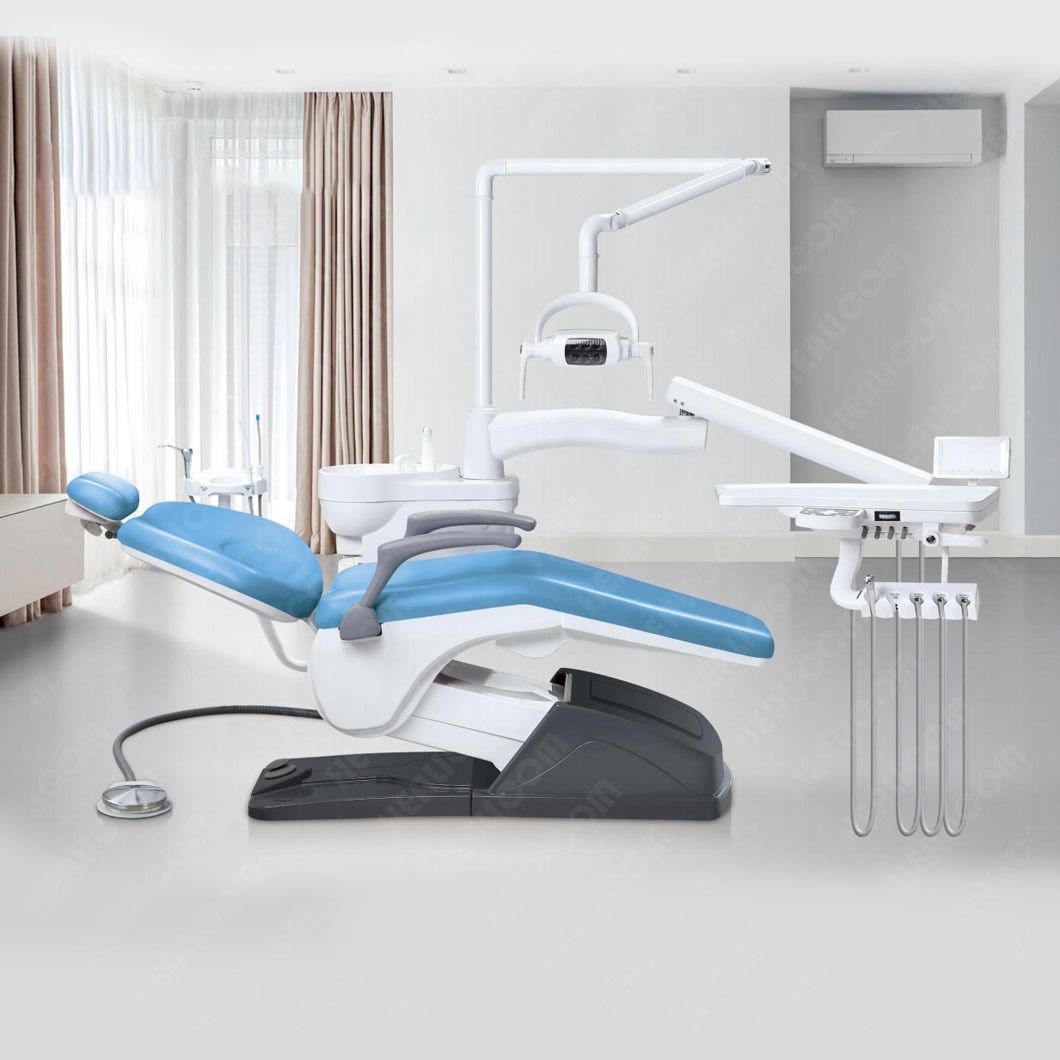
The Vital Role of the Dental Exam Chair in Modern Clinical Settings
In clinical dental practice, the exam chair serves as the primary interface between the patient, the practitioner, and the technology required for treatment. It is a sophisticated medical device engineered to provide anatomical support...
In clinical dental practice, the exam chair serves as the primary interface between the patient, the practitioner, and the technology required for treatment. It is a sophisticated medical device engineered to provide anatomical support, optimal site access, and ergonomic positioning to ensure both patient safety and clinician longevity during complex oral procedures.
Contents
The dental exam chair is often described as the "anchor" of the operatory. In 2026, its role has evolved far beyond a simple seat for patients; it is now an integrated component of a digital workflow that prioritizes infection control, precision movement, and musculoskeletal health for the dental team. Understanding its multifaceted role is essential for any clinical setting aiming to balance high-quality patient care with operational efficiency.
The Evolution of Clinical Seating and Patient Positioning
Historically, dental chairs were rigid and provided limited adjustability, often forcing practitioners into awkward, strained positions. Modern clinical chairs are designed on the principle of "synchronization," where the backrest and seat move in tandem to maintain the patient's hip position. This prevents the "shearing" effect where a patient slides down the chair as it reclines, which can be unsettling for the patient and requires constant repositioning by the assistant.
In the clinical environment, positioning is the foundation of a successful procedure. Whether performing a routine prophylaxis or a multi-hour endodontic surgery, the chair must allow the clinician to bring the oral cavity into a specific "focal zone." This zone must be accessible from multiple clock positions (typically 7 o’clock to 12 o’clock for right-handed dentists) without the chair’s base or backrest obstructing the clinician’s legs or stools.
Ergonomic Impact on the Dental Team
The prevalence of musculoskeletal disorders (MSDs) among dental professionals is a significant concern in clinical settings. Chronic neck, back, and shoulder pain often result from poor ergonomics dictated by an inflexible exam chair.
Promoting Neutral Posture
A high-quality dental chair in 2026 features an ultra-thin backrest. This design allows the dentist and assistant to tuck their knees under the patient’s headrest, enabling them to sit closer to the operating field. By bringing the patient closer, the clinician can maintain a neutral spine and avoid the forward-leaning "hunch" that leads to long-term spinal degradation.
Variable Height and Accessibility
Clinical chairs must accommodate a wide range of heights. For procedures where the dentist prefers to stand—such as certain extractions—the chair must lift high enough to prevent the dentist from stooping. Conversely, it must lower sufficiently to allow for comfortable seated work. Modern hydraulic and electromechanical lift systems provide smooth, vibration-free movement, which is critical when working with high-magnification loupes or surgical microscopes, as even minor tremors can disrupt the visual field.
Technical Specifications and Drive Systems
The mechanics of a dental chair determine its reliability and the comfort of the "ride" for the patient. In 2026, clinical settings typically choose between two primary drive technologies, each offering distinct advantages for different types of practices.
Hydraulic Systems
Hydraulic chairs use fluid pressure to move the chair. They are prized in high-volume clinical settings for their silent operation and immense lifting capacity. Because they have fewer moving mechanical parts than gear-driven systems, they often boast a longer lifespan and require less frequent calibration.
Electromechanical Systems
Electromechanical chairs utilize motor-driven gears. While historically noisier than hydraulics, 2026 models utilize brushless DC motors that are nearly silent. The primary advantage here is precision. These chairs can be programmed with highly specific memory presets, allowing the chair to return to a "home" or "treatment" position with millimeter accuracy at the touch of a button.
| Feature | Hydraulic Systems | Electromechanical Systems |
|---|---|---|
| Movement Profile | Extremely smooth and fluid | Precise and highly programmable |
| Noise Level | Near silent | Low (in modern brushless models) |
| Maintenance | Requires seal inspections; rarely fails | Modular components; easy to swap |
| Weight Capacity | High (often up to 500+ lbs) | Moderate to High |
| Best For | General dentistry and heavy use | Specialized clinics requiring presets |
Integration with the Digital Operatory
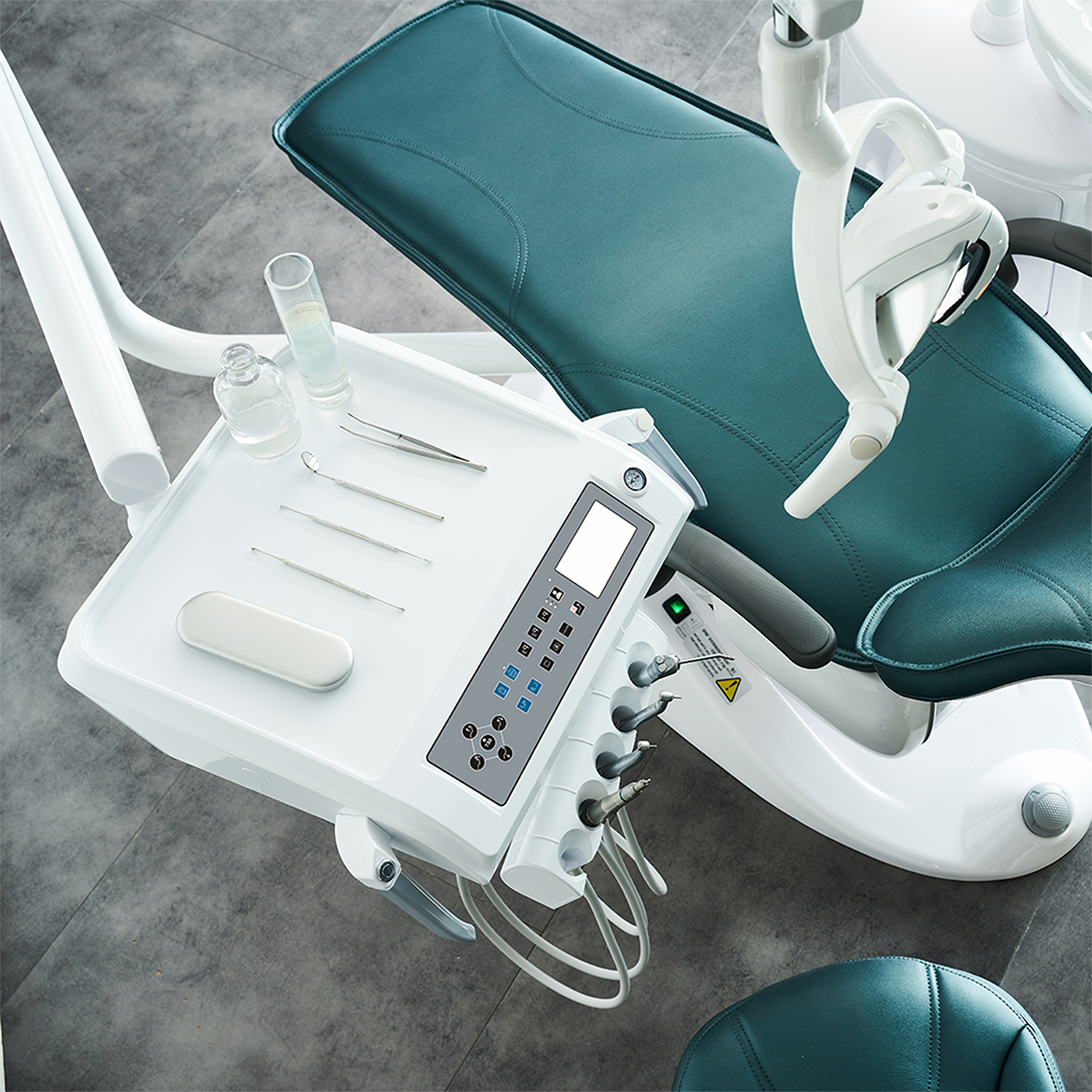
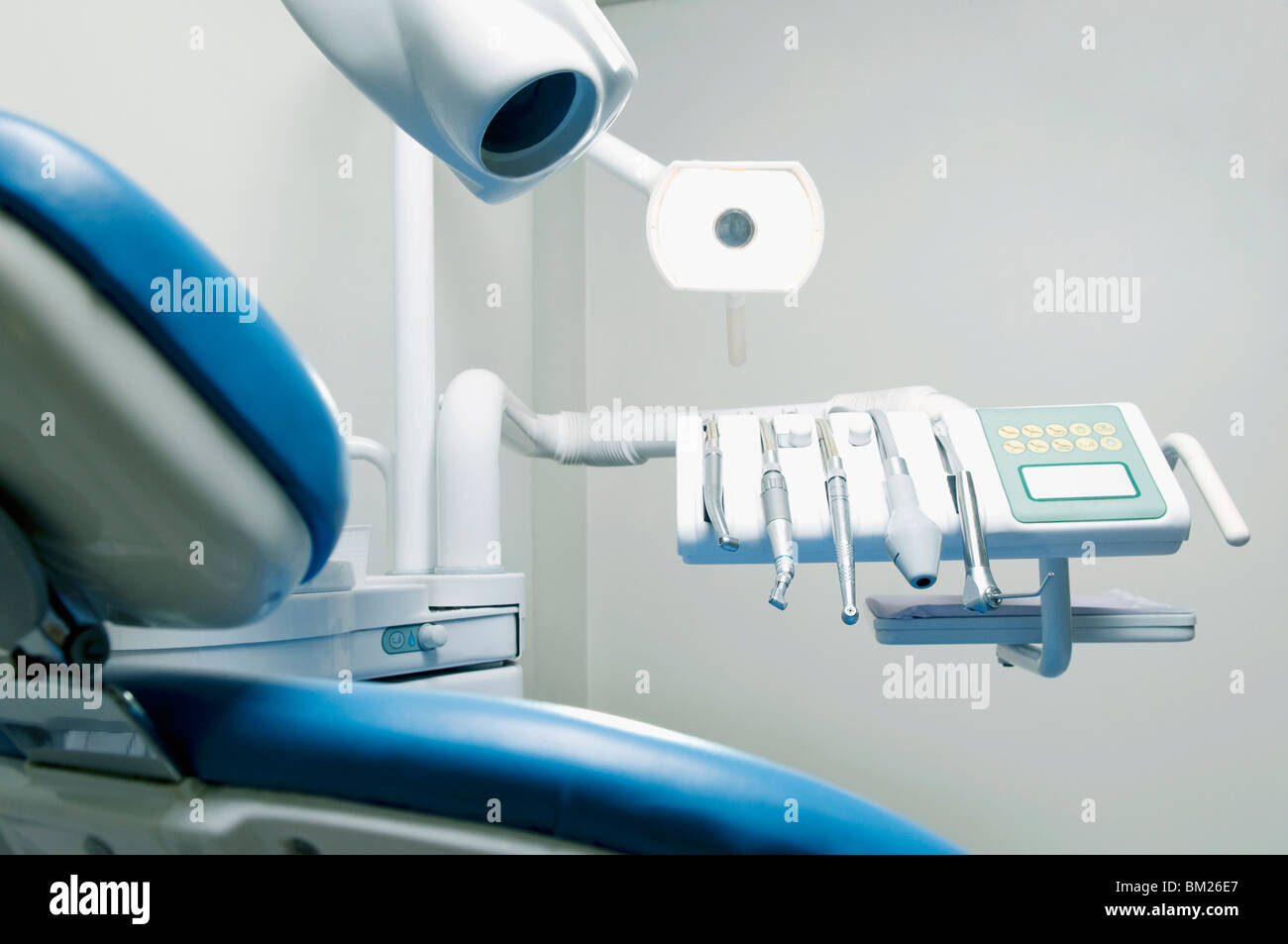
The role of the dental chair has expanded to include being a hub for clinical technology. In modern operatory design, the chair often supports the delivery unit, the dental light, and the monitor mount.
- Integrated Delivery Units: In many clinical configurations, the instruments (high-speed handpieces, air-water syringes, ultrasonic scalers) are mounted directly to the chair’s base. This ensures that as the chair moves, the instruments remain in a consistent relationship to the patient’s mouth.
- Smart Sensors and AI: By 2026, high-end chairs include pressure sensors that detect patient movement and tension. This data can be fed into practice management software to monitor patient anxiety levels or to automatically adjust the chair’s headrest angle for optimal airway opening during sedation dentistry.
- Power and Data Routing: Modern chairs act as a conduit for internal wiring, hiding messy cables for intraoral cameras and digital sensors, which maintains a clean, professional clinical appearance and reduces tripping hazards.
Infection Control and Material Science
In a clinical setting, the exam chair is a high-touch surface that must withstand rigorous disinfection protocols without degrading. The role of the chair includes facilitating a rapid "turnover" between patients.
Seamless Upholstery
Stitching and seams are breeding grounds for pathogens. Clinical chairs now utilize vacuum-formed or seamless upholstery. This allows the dental assistant to wipe down the entire surface quickly and effectively. Materials are typically medical-grade vinyls or treated polyurethanes that are resistant to the harsh chemicals found in intermediate-level disinfectants.
Antimicrobial Properties
Many 2026 chair models incorporate antimicrobial agents directly into the upholstery and plastic shrouds. While this does not replace manual disinfection, it provides a secondary layer of protection against biofilm formation and cross-contamination, a critical requirement in post-pandemic clinical standards.
Specialized Roles in Dental Sub-Specialties
The "one size fits all" approach to dental chairs is no longer the standard in diverse clinical settings. Different specialties require specific chair functionalities to succeed.
- Oral Surgery: These chairs often resemble surgical tables. They must be exceptionally stable to handle the forces applied during extractions and must offer "flat-out" positioning for patients under general anesthesia. Integration with IV poles and monitoring equipment is a prerequisite.
- Orthodontics: Orthodontic chairs are often streamlined for high-volume throughput. Since many ortho procedures are shorter, the chairs may have simpler controls and are often arranged in an "open-bay" configuration.
- Pediatrics: Pediatric clinical chairs are scaled for smaller bodies. Many include "booster" features or are designed with non-threatening aesthetics to reduce dental anxiety in children. They must also be robust enough to handle the frequent movements of restless patients.
Procurement Considerations for 2026
When selecting a chair for a clinical setting, the decision-making process involves more than just the initial purchase price. The total cost of ownership includes maintenance, downtime, and the potential impact on staff health.
Space Constraints: Before procurement, clinics must measure the "full swing" of the chair. A chair that fits in the room when upright might block cabinetry or walkways when fully reclined. Weight Capacity: With increasing patient BMI averages, clinical chairs must be rated for at least 450 to 500 pounds to ensure the safety of all patient populations and the longevity of the lift motors. Warranty and Service: In 2026, a standard clinical chair should come with at least a 5-year warranty on major components. Because a broken chair means a non-functional operatory, the availability of local service technicians is often more important than the brand of the chair itself.
FAQs
How often should a dental chair be serviced in a clinical setting?
Annual preventative maintenance is the industry standard. This includes checking hydraulic fluid levels, lubricating pivot points, inspecting the upholstery for micro-tears that could harbor bacteria, and calibrating the safety stop sensors to ensure the chair does not collide with obstacles.
What is the "Trendelenburg position" in dental seating?
The Trendelenburg position involves reclining the patient so that their head is lower than their feet. This is crucial in clinical settings for managing medical emergencies like syncope (fainting) and is also used by some surgeons to improve access to the upper arch while maintaining patient stability.
Can old dental chairs be upgraded with new technology?
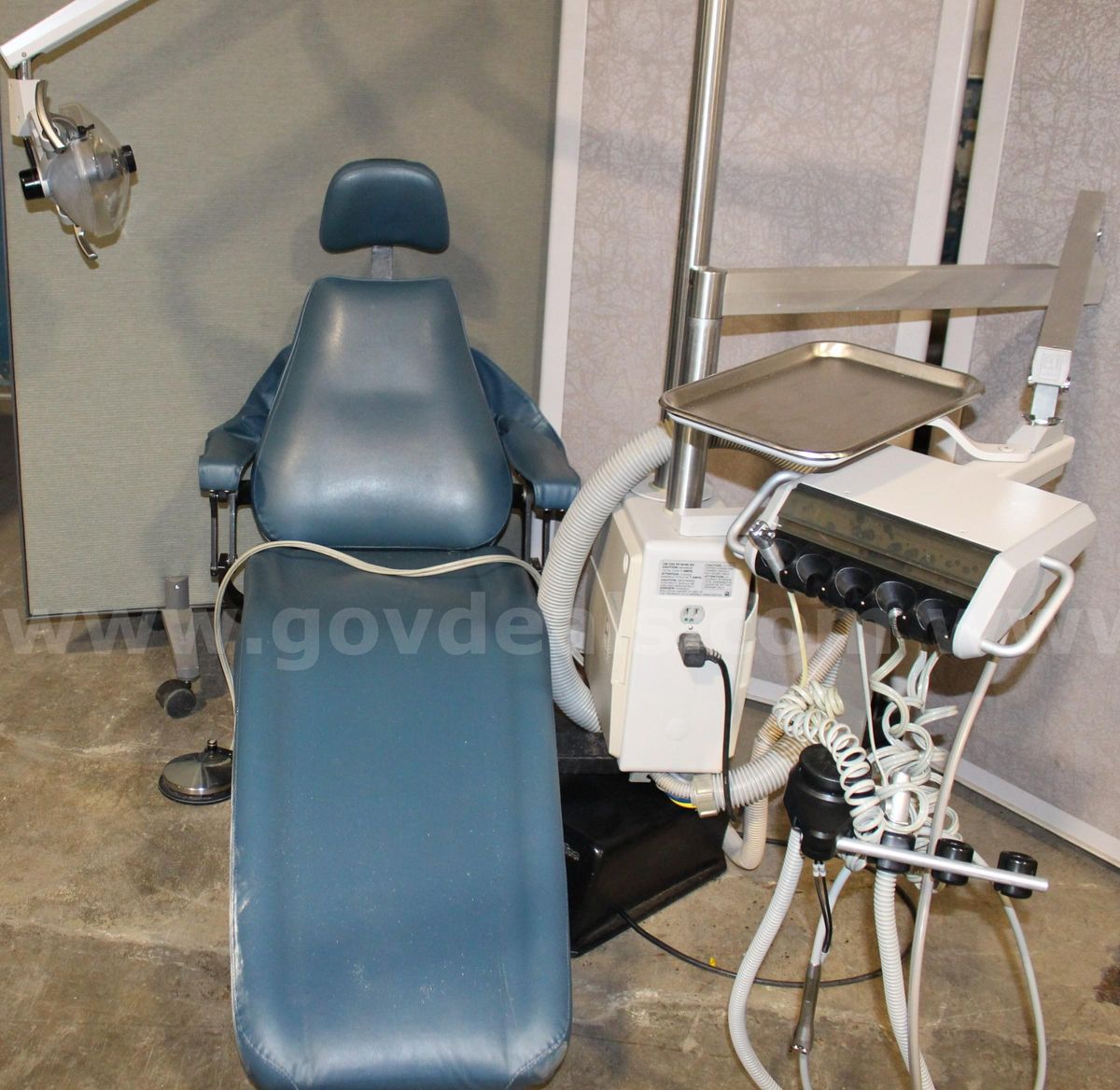
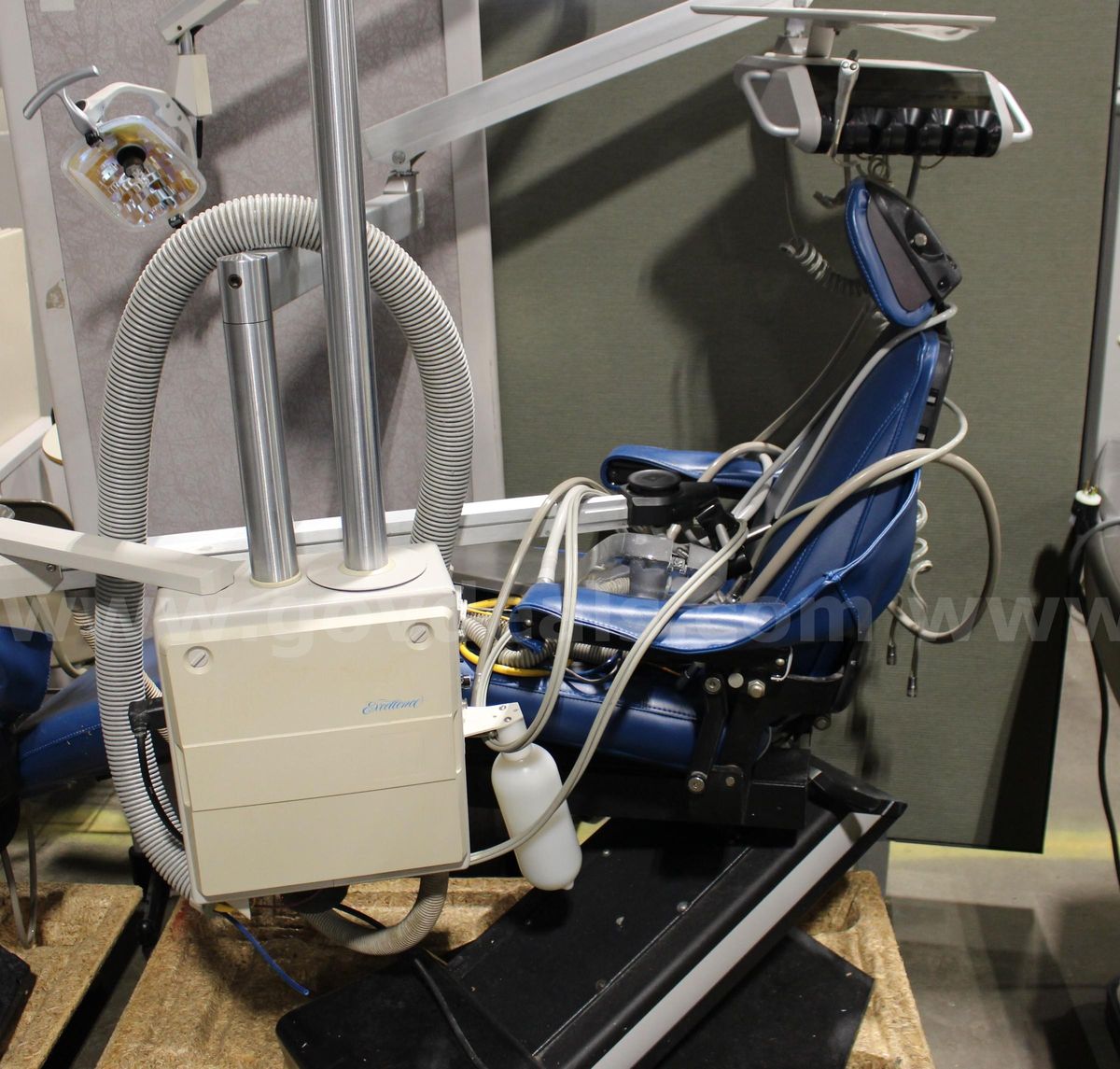
While some components like upholstery and LED lighting can be retrofitted, the core mechanical and electronic systems of chairs older than 15 years often lack the compatibility for modern digital integration. For 2026 standards, replacing the unit is usually more cost-effective than attempting to "smart-fit" an obsolete frame.
Why is a foot control preferred over a touchpad in many clinics?
Foot controls are essential for maintaining a sterile field. They allow the clinician to adjust the chair height and position without touching a surface with contaminated gloves. Many modern chairs offer wireless foot controls to eliminate floor clutter.
Does the chair color impact the clinical environment?
Beyond aesthetics, color plays a psychological role. Neutral and cool tones (blues and greys) are preferred in clinical settings because they have a calming effect on anxious patients. Additionally, darker colors show less staining from chemical disinfectants over time.
Strategic Recommendation
For clinical directors and practice owners in 2026, the dental exam chair should be viewed as a long-term investment in the practice’s physical health and operational capacity. Prioritize chairs with a thin backrest profile and seamless upholstery to maximize both ergonomic safety for the staff and hygiene for the patient. When evaluating models, always conduct a "sit-test" in both the operator and assistant positions to ensure that the chair's base allows for an unobstructed, neutral working posture.
Image Gallery